

Commentary
In Egypt’s dense cities, the disappearance of foliage has health implications and punishes daily commuters.
Angie Omar
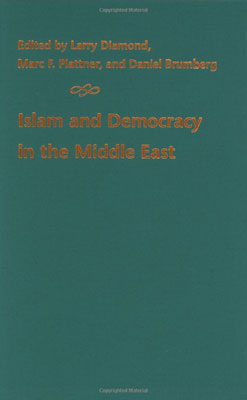
Drawing on the insights of some twenty-five leading Western and Middle Eastern scholars, Islam and Democracy in the Middle East highlights the dualistic and often contradictory nature of political liberalization. Political liberalization—as managed by the state—not only opens new spaces for debate and criticism, but is also used as a deliberate tactic to avoid genuine democratization.
Source: Johns Hopkins University Press, September 2003

Contributors: Shaul Bakhash, George Mason University; Ladan Boroumand, Abdorrahman Boroumand Foundation for the Promotion of Human Rights and Democracy in Iran; Roya Boroumand, Abdorrahman Boroumand Foundation; Jason Brownlee, Princeton University; Daniel Brumberg, Georgetown University; Abdelwahab El-Affendi, University of Westminster; Haleh Esfandiari, Woodrow Wilson International Center for Scholars; Abdou Filali-Ansary, editor of Prologues: revue maghrébine du livre; Michael Herb, Georgia State University; Ramin Jahanbegloo, Aga Khan University, London; Mehrangiz Kar, lawyer, writer, and human rights activist; E. Fuat Keyman, Koç University, Istanbul; Laith Kubba, National Endowment for Democracy; Vickie Langohr, College of the Holy Cross; Bernard Lewis, Princeton University; Russell Lucas, Wake Forest University; Abdeslam Maghraoui, Princeton University; Radwan Masmoudi, Center for the Study of Islam and Democracy, Washington, D.C.; Ziya Önis; Koç University; Soli Ozel, Bilgi University, Istanbul; William Quandt, University of Virginia; Jillian Schwedler, University of Maryland, College Park; Jean-François Seznec, Columbia University and Georgetown University; Emmanuel Sivan, Hebrew University; Mohamed Talbi, independent scholar; Robin Wright, Los Angeles Times.
About the Editors
Larry Diamond is senior fellow at the Hoover Institution, and codirector, with Marc Plattner, of the International Forum for Democratic Studies. He is also coeditor, with Marc Plattner, of the Journal of Democracy. Daniel Brumberg is visiting scholar with the Democracy and Rule of Law Project at the Carnegie Endowment and associate professor of government at Georgetown University.
Carnegie does not take institutional positions on public policy issues; the views represented herein are those of the author(s) and do not necessarily reflect the views of Carnegie, its staff, or its trustees.
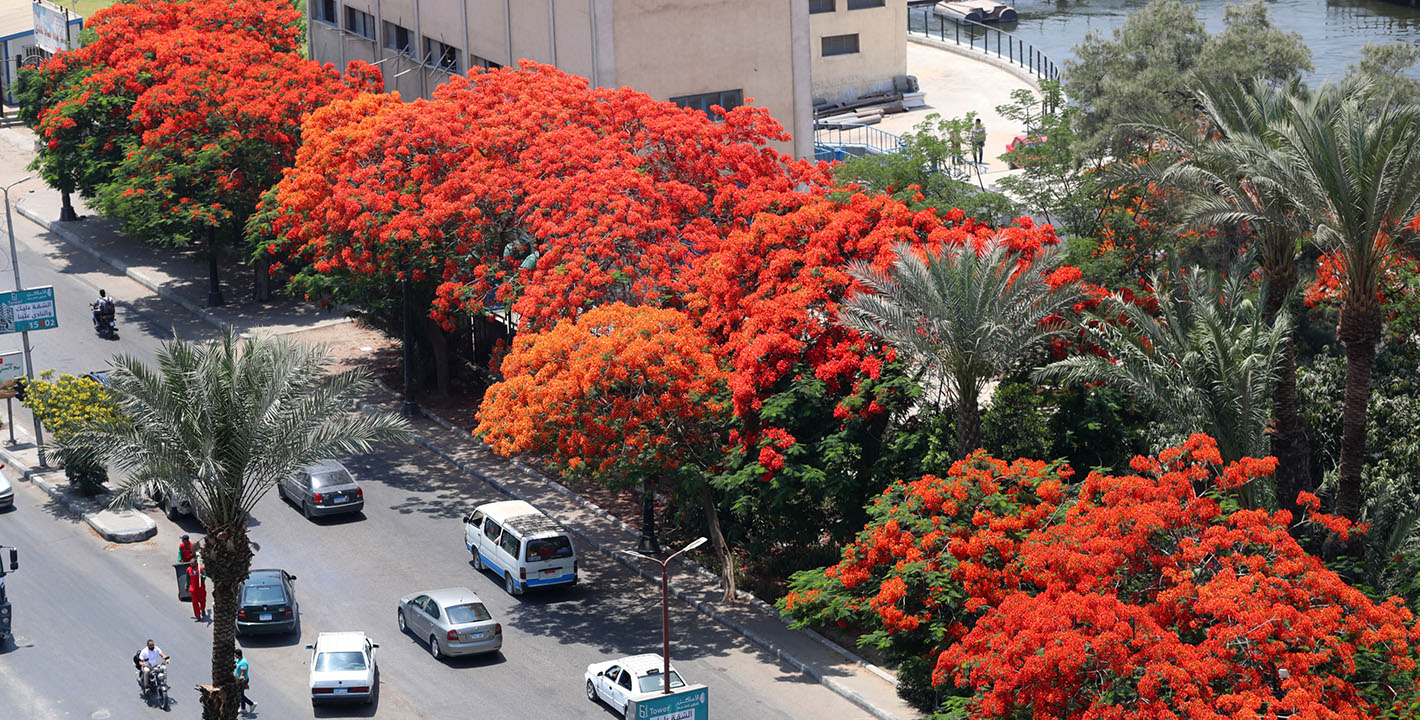
In Egypt’s dense cities, the disappearance of foliage has health implications and punishes daily commuters.

Angie Omar

If the Russian-speaking community in Latvia cannot articulate their interests without being seen as disloyal, they could end up embracing a pro-Kremlin agenda.

Sergejs Potapkins

Russia’s ruling party would have benefited from Putin appearing as its distant patron, but as an active frontman imposing his views on the public, he has done nothing but harm both the party’s election campaign and the ruling system overall.

Andrey Pertsev
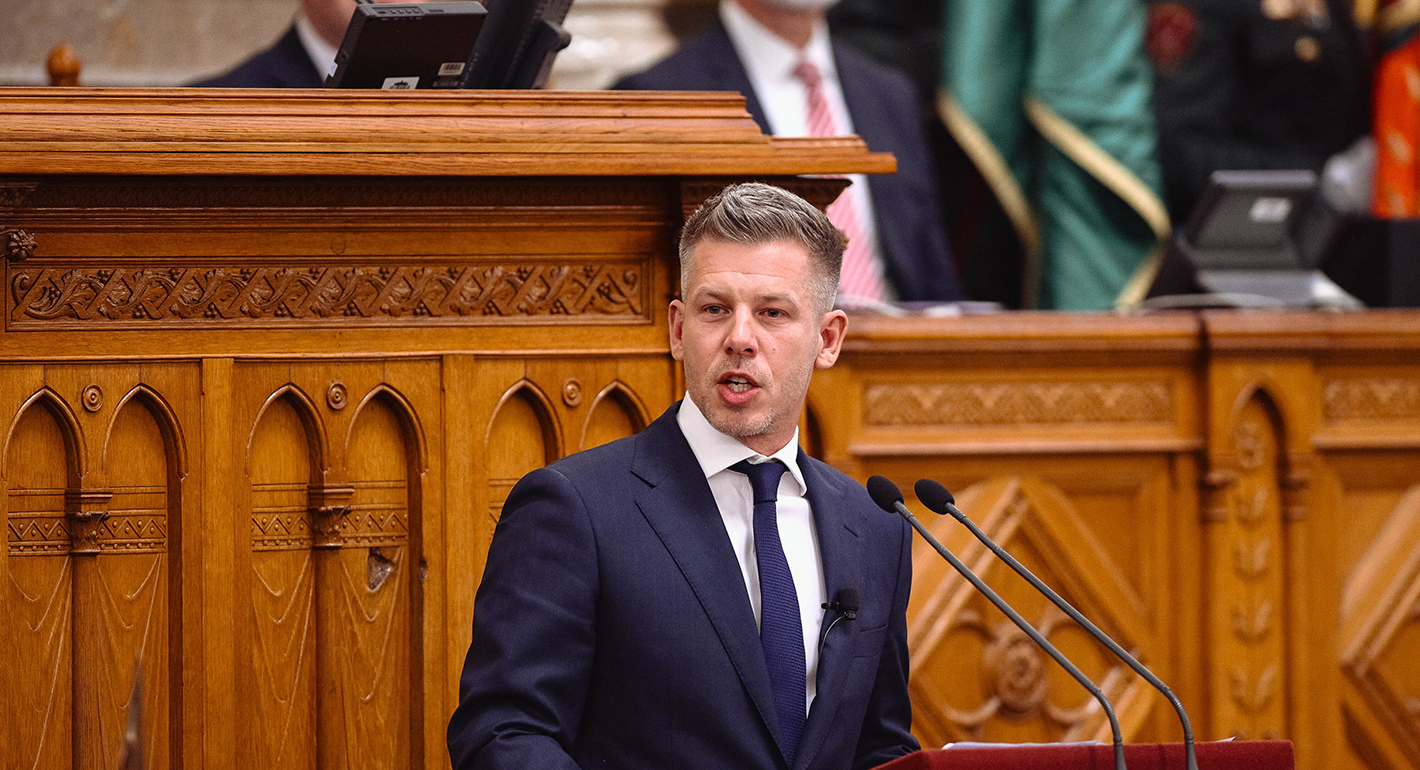
Despite myriad challenges and occasional stumbles, the new Hungarian government is moving ahead with energy and conviction to uproot years of illiberalism and corruption and rebuild Hungarian democracy.

Thomas Carothers

Huawei pushed hard to enter the Egyptian data centers market, until the Americans made a better offer.
Angie Omar