

Commentary
Despite public disputes over trade and immigration, the strategic partnership’s foundations remain sturdy.
Sameer Lalwani

REQUIRED IMAGE
The international aid field of law and development focuses too much on law, lawyers and state institutions, and too little on development, the poor and civil society. In fact, it is doubtful whether "rule of law orthodoxy," the dominant paradigm pursued by many international agencies, should be the central means for integrating law and development.
Source: Carnegie Paper No. 41
Summary
The international aid field of law and development focuses too much on law, lawyers and state institutions, and too little on development, the poor and civil society. In fact, it is doubtful whether "rule of law orthodoxy," the dominant paradigm pursued by many international agencies, should be the central means for integrating law and development.
This working paper examines legal empowerment—the use of legal services and related development activities to increase disadvantaged populations' control over their lives—as an alternative.
About the Author
Stephen Golub is a lecturer in international development and law at the Boalt Hall School of Law at the University of California at Berkeley.
Some print copies are available.
Request a copy
Stephen Golub
Carnegie does not take institutional positions on public policy issues; the views represented herein are those of the author(s) and do not necessarily reflect the views of Carnegie, its staff, or its trustees.
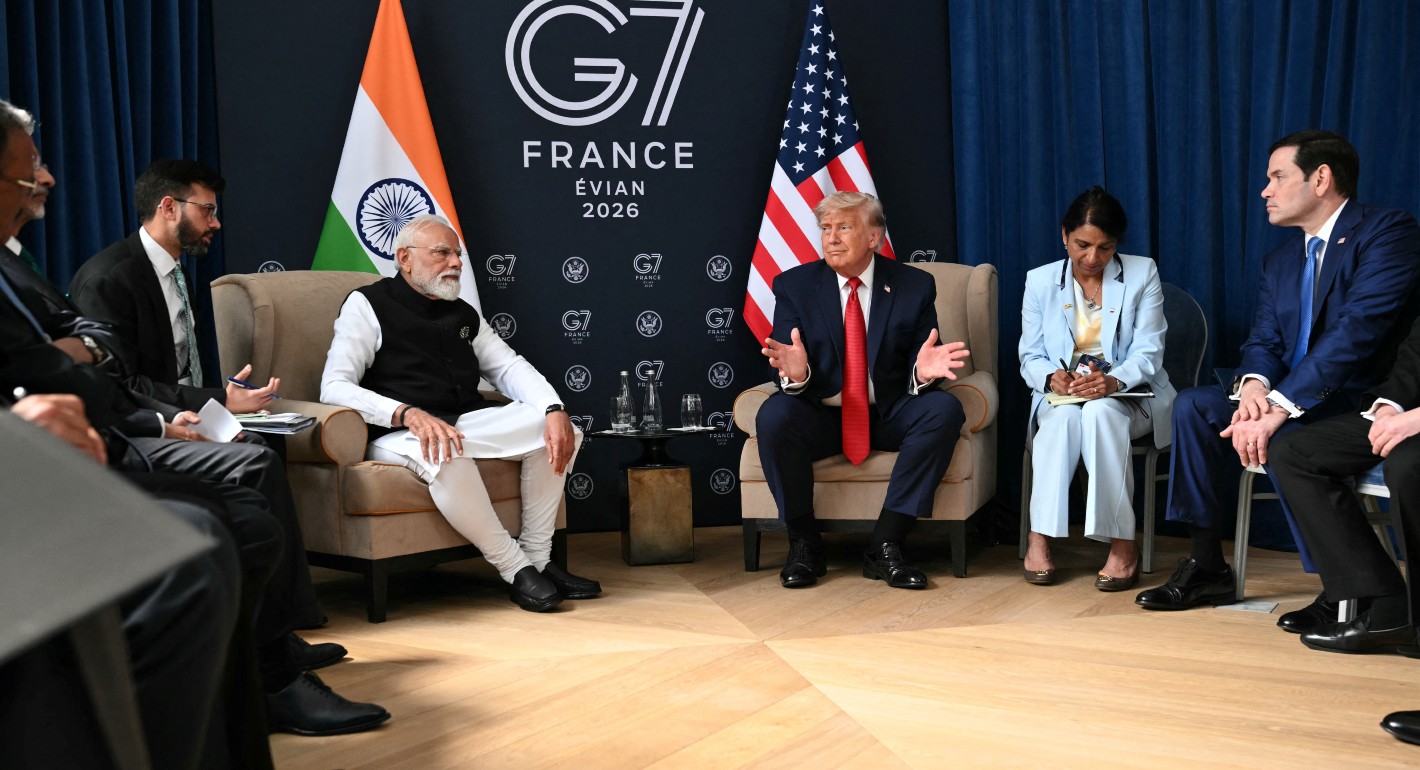
Despite public disputes over trade and immigration, the strategic partnership’s foundations remain sturdy.
Sameer Lalwani

With its public finances in shambles, the far right polling at 35 percent ahead of the 2027 presidential election, and a growing protest movement, is France’s crisis a threat to the EU’s geopolitical awakening?

Rym Momtaz, ed.

Putin’s conservative staffing policies and search for ever greater control have cemented parliament’s transformation into a bureaucratic appendage of the executive branch.

Andrey Pertsev

Russian strikes are weakening the economy sustaining Ukraine’s war effort. Closing the growing funding gap will require more European support and politically contentious reforms in Kyiv.

Balázs Jarábik

Ex-president Gurbanguly Berdimuhamedov remains interested in politics, but his son Serdar, Turkmenistan’s current president, is becoming increasingly independent and willing to break with his father’s legacy. If their covert rivalry goes too far, both risk losing power.

Galiya Ibragimova