

Commentary
Russian strikes are weakening the economy sustaining Ukraine’s war effort. Closing the growing funding gap will require more European support and politically contentious reforms in Kyiv.
Balázs Jarábik

REQUIRED IMAGE
The international aid field of law and development focuses too much on law, lawyers and state institutions, and too little on development, the poor and civil society. In fact, it is doubtful whether "rule of law orthodoxy," the dominant paradigm pursued by many international agencies, should be the central means for integrating law and development.
Source: Carnegie Paper No. 41
Summary
The international aid field of law and development focuses too much on law, lawyers and state institutions, and too little on development, the poor and civil society. In fact, it is doubtful whether "rule of law orthodoxy," the dominant paradigm pursued by many international agencies, should be the central means for integrating law and development.
This working paper examines legal empowerment—the use of legal services and related development activities to increase disadvantaged populations' control over their lives—as an alternative.
About the Author
Stephen Golub is a lecturer in international development and law at the Boalt Hall School of Law at the University of California at Berkeley.
Some print copies are available.
Request a copy
Stephen Golub
Carnegie does not take institutional positions on public policy issues; the views represented herein are those of the author(s) and do not necessarily reflect the views of Carnegie, its staff, or its trustees.

Russian strikes are weakening the economy sustaining Ukraine’s war effort. Closing the growing funding gap will require more European support and politically contentious reforms in Kyiv.

Balázs Jarábik

Ex-president Gurbanguly Berdimuhamedov remains interested in politics, but his son Serdar, Turkmenistan’s current president, is becoming increasingly independent and willing to break with his father’s legacy. If their covert rivalry goes too far, both risk losing power.

Galiya Ibragimova

A notable degree of participative democracy has firmly arrived in Europe. But to have more far-reaching impact, democratic deliberation needs to move into a radically new phase.

Richard Youngs

Economic recovery has brought Sri Lanka a modicum of stability, but domestic strains and great-power rivalry could test how long it lasts.

Avinash Paliwal
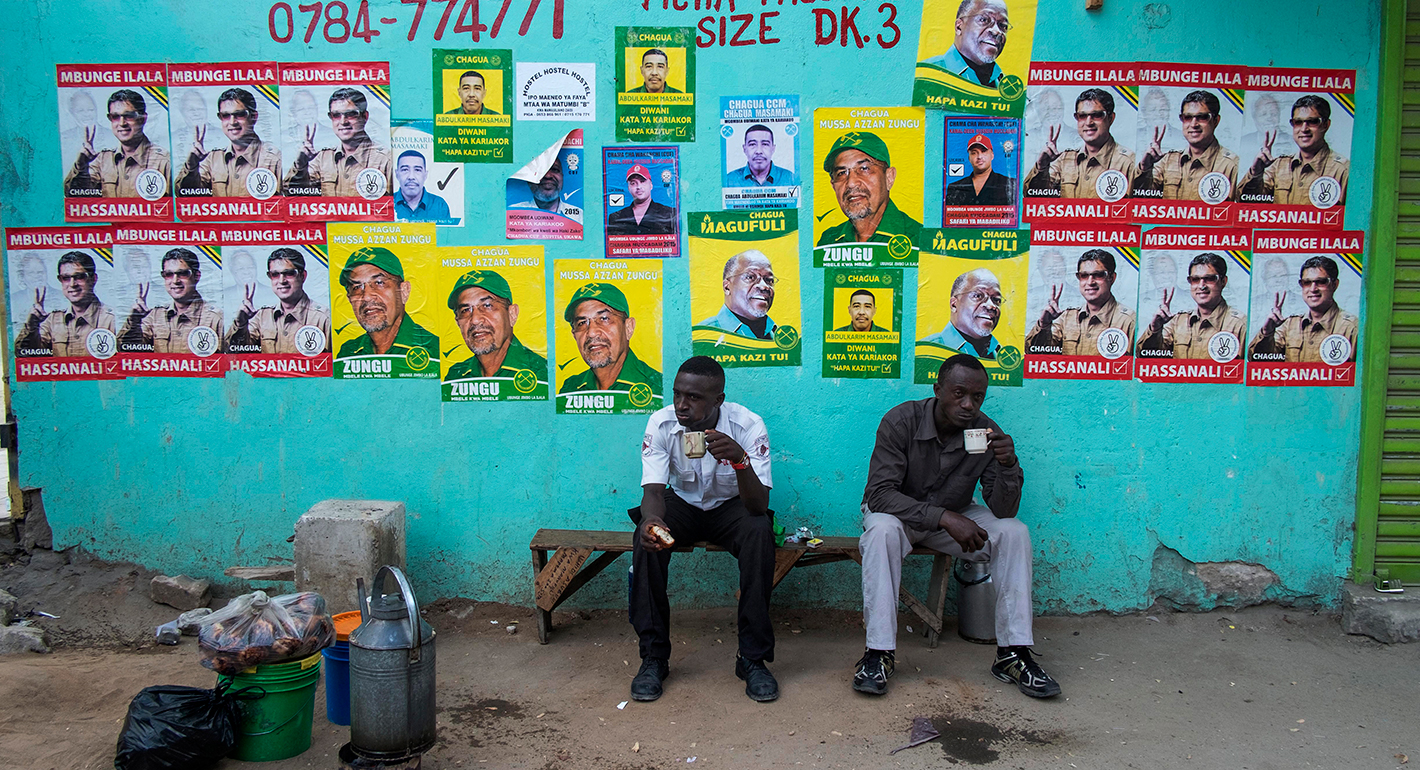
Today’s global democratic recession is partly rooted in a common perception that democracies have a delivery problem, with many citizens in both autocracies and democracies alike now believing that strongmen can achieve better governance outcomes. But a study of four countries in Africa reveals that democratic-leaning governments have demonstrated better governance performance than autocratic governments.


Sarah Yerkes, Natalie Triche, Amr Hamzawy