

Commentary
Are Germany’s economic, industrial, and political struggles becoming a liability for the EU’s ability to rise to the geopolitical moment?
Rym Momtaz, ed.
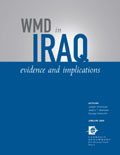
A groundbreaking report details what the U.S. and international intelligence communities understood about Iraq's weapons programs before the war and outlines policy reforms to improve threat assessments, deter transfer of WMD to terrorists, strengthen the UN weapons inspection process, and avoid politicization of the intelligence process.
Summary
This new study details what the U.S. and international intelligence communities understood about Iraq's weapons programs before the war and outlines policy reforms to improve threat assessments, deter transfer of WMD to terrorists, strengthen the UN weapons inspection process, and avoid politicization of the intelligence process.
The report distills a massive amount of data into side-by-side comparisons of pre-war intelligence, the official presentation of that intelligence, and what is now known about Iraq's programs.
Click on the link above for full text or the links to the right for specific sections of this Carnegie report.
About the Authors
Joseph Cirincione is a senior associate and director of the Non-Proliferation Project. Jessica T. Mathews is president and George Perkovich is vice president for studies of the Carnegie Endowment. Alexis Orton is a Junior Fellow with the Non-Proliferation Project.
This is a web-only publication.

Former Senior Associate, Director for NonProliferation

Distinguished Fellow
Mathews is a distinguished fellow at the Carnegie Endowment for International Peace. She served as Carnegie’s president for 18 years.

Japan Chair for a World Without Nuclear Weapons, Senior Fellow
George Perkovich is the Japan Chair for a World Without Nuclear Weapons and a senior fellow in the Carnegie Endowment for International Peace’s Nuclear Policy Program. He works primarily on nuclear deterrence, nonproliferation, and disarmament issues.
with Alexis Orton
Carnegie does not take institutional positions on public policy issues; the views represented herein are those of the author(s) and do not necessarily reflect the views of Carnegie, its staff, or its trustees.

Are Germany’s economic, industrial, and political struggles becoming a liability for the EU’s ability to rise to the geopolitical moment?

Rym Momtaz, ed.

China’s police training infrastructure construction projects provide benefits to recipient countries, promote China’s image as a major global security provider, and are likely to reinforce alignment between Beijing’s security priorities and those of countries in the Global South.


Cameron Waltz, Sheena Chestnut Greitens, Kim Nguyen, …
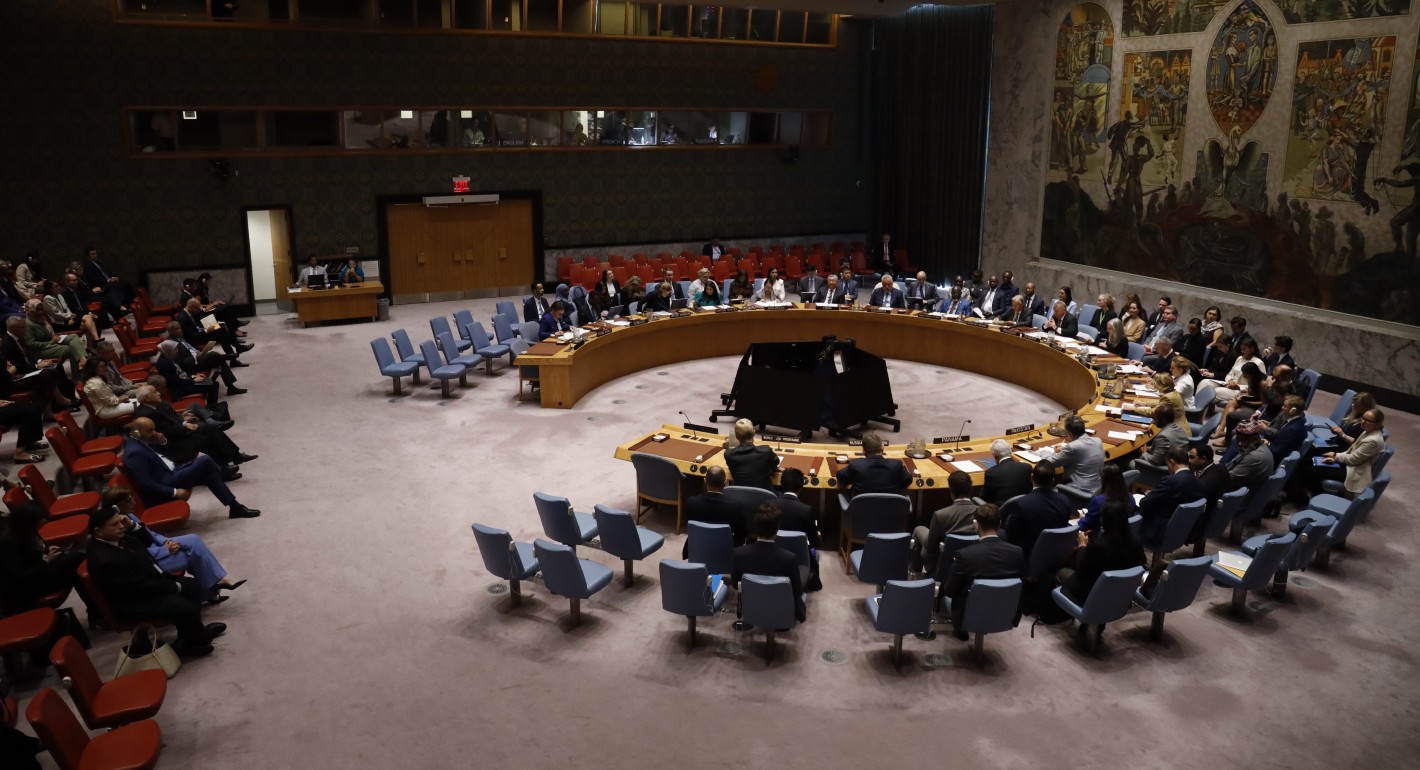
They face an uphill climb, but they could draw on a strategy that other diplomats have used in the past.


Shana Tabak, Alejandro Martin Rodriguez

Understanding the climatic pain points is necessary for policymakers hoping to minimize the war’s negative environmental consequences.


Alejandro Martin Rodriguez, Joy Arkeh, Sarah Yerkes

Huawei pushed hard to enter the Egyptian data centers market, until the Americans made a better offer.

Angie Omar