

Article
Marina Ottaway, Omar Hossino

REQUIRED IMAGE
Source: Carnegie
Summary
The central dilemma of Democratic reform in Arab countries can be summed up fairly simply. Presidents and kings remain too powerful, untrammeled by the limits imposed by effective parliaments and independent judiciaries. Countervailing institutions remain weak, if they exist at all, not only because constitutions and laws deliberately keep them that way, but also because they are not backed by organized citizens demanding political rights, participation, and government accountability. This does not mean that there is no desire for democracy on the part of Arab publics. The demand, or better the desire, for democracy is present in the Arab world today; what is lacking is a supply of broad-based political organizations pushing for democracy—political parties, social movements, labor unions, large civic organizations. Unless such constituencies develop, the future of democracy remains extremely uncertain.
Click on link above for the full text of this Carnegie Paper.
Also in the Middle East series:

About the Author
Marina Ottaway is senior associate in the Democracy and Rule of Law Project at the Carnegie Endowment. She is the author of more then six books, including Democracy Challenged: The Rise of Semi-Authoritarianism.
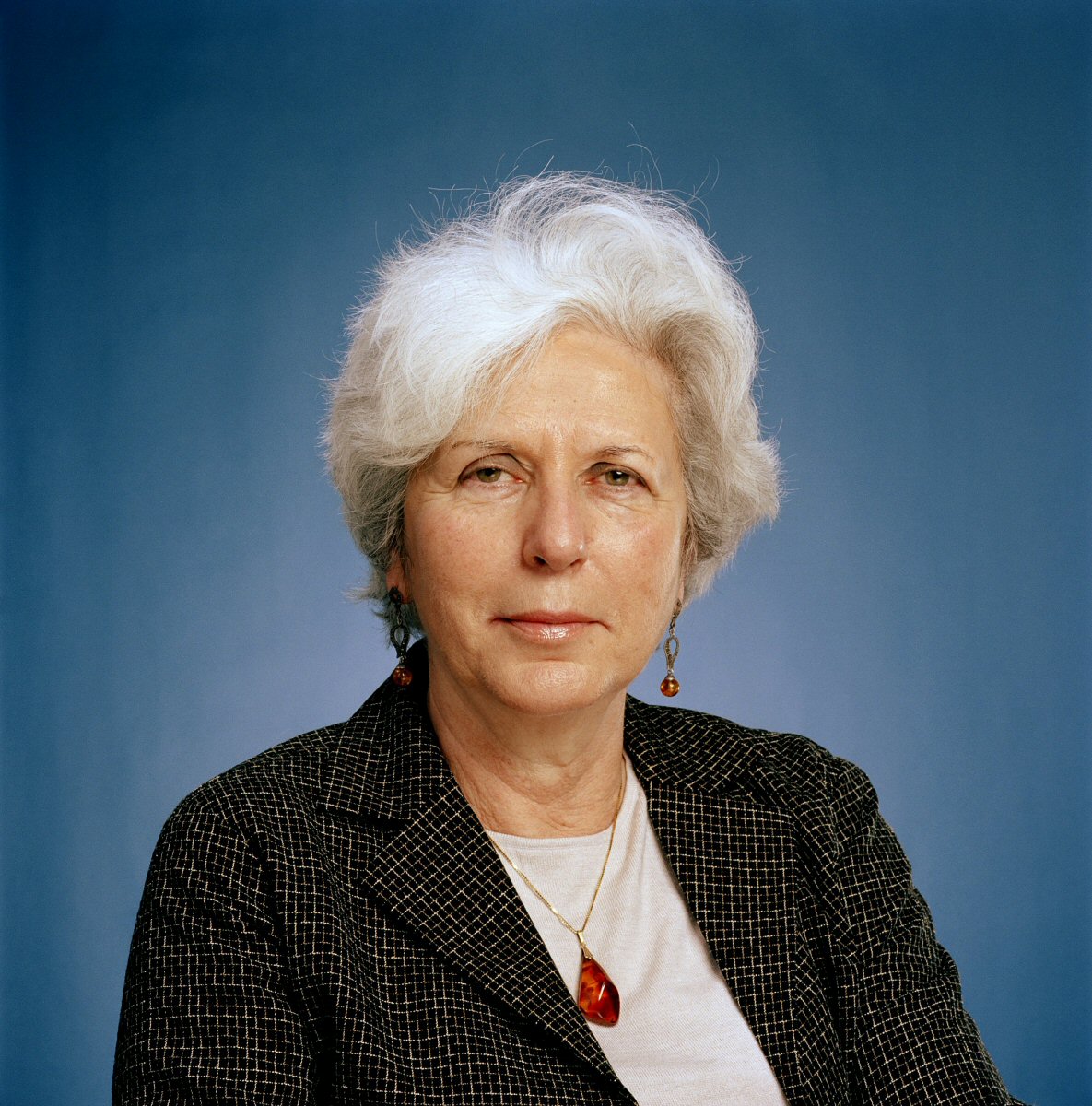
Former Senior Associate, Middle East Program
Before joining the Endowment, Ottaway carried out research in Africa and in the Middle East for many years and taught at the University of Addis Ababa, the University of Zambia, the American University in Cairo, and the University of the Witwatersrand in South Africa.
Recent Work
Marina Ottaway, Omar Hossino
Marina Ottaway
Carnegie does not take institutional positions on public policy issues; the views represented herein are those of the author(s) and do not necessarily reflect the views of Carnegie, its staff, or its trustees.

Sergei Kiriyenko used Russia’s parliamentary vote to further hone his strategy of corporate mobilization that is designed to maximize votes for United Russia.

Andrey Pertsev

The Plaza Accord was not an externally imposed punishment of Japan but part of a broader restructuring that Japanese economists and policymakers themselves recognized was necessary. Its effects were undermined, however, when Tokyo responded to the resulting slowdown with policies that exacerbated investment, credit expansion, and the very imbalances the adjustment was intended to resolve.

Michael Pettis

Before the next wave of EU enlargement takes place, the union needs to grapple with thorny questions of how power is distributed among its members.


Emil Sondaj Hansen, Ditte Brasso Sørensen

The Horn of Africa countries are among those facing a new security calculus.


Andrew Leber, Lesley Anne Warner

The European far right might fail to steer EU policy in the direction Russia wants, but they will create enough chaos inside Europe to benefit the Kremlin.

Dimitar Bechev