

Commentary
The books, podcasts, and films that explain the world it made.
Andrew Leber

REQUIRED IMAGE
Three years after the September 11th attacks and the U.S counter-attack in Afghanistan, Osama bin Laden remains at large, his chief deputy, Ayman al-Zawahiri, continues to taunt struggling American forces in Afghanistan and Iraq, and warnings of attacks here at home routinely spike into high alert. By most indicators, we are losing the war with al Qaeda. And not just the military war. We are losing the war against Islamist terrorism in its entirety, as anti-American passions spread like wildfire throughout the Muslim world.
Three years after the September 11th attacks and the U.S counter-attack in Afghanistan, Osama bin Laden remains at large, his chief deputy, Ayman al-Zawahiri, continues to taunt struggling American forces in Afghanistan and Iraq, and warnings of attacks here at home routinely spike into high alert. By most indicators, we are losing the war with al Qaeda. And not just the military war. We are losing the war against Islamist terrorism in its entirety, as anti-American passions spread like wildfire throughout the Muslim world.
The Military War
The Rest of the War
The effort against terrorism has made some progress over the past three years, but unfortunately, it has not made nearly enough. It is true that many suspected terrorists have been apprehended and the American people are certainly more vigilant than they were prior to 9/11. Nevertheless, we have not done enough to finish off al Qaeda, while the war in Iraq and other U.S. policies in the Middle East have created more terrorists than it have been eliminated.
New Direction
While Congress unwisely rushes to rearrange the intelligence bureaucracy base on some of the recommendations of the 9/11 Commission, it would be wise to consider two of the best, but ignored findings of that commission:
"[T]he enemy is not just ‘terrorism,’ some generic evil. This vagueness blurs the strategy. The catastrophic threat at this moment in history is more specific. It is the threat posed by Islamist terrorism—especially the al Qaeda network, its affiliates and its ideology."
And,
"The first phase of our post-9/11 efforts rightly included military action to topple the Taliban and pursue al Qaeda. This work continues. But long-term success demands the use of all elements of national power: diplomacy, intelligence, covert action, law enforcement, economic policy, foreign aid, public diplomacy, and homeland defense. If we favor one tool while neglecting others, we leave ourselves vulnerable and weaken our national effort."
Former Senior Associate, Director for NonProliferation
Joshua Williams
Carnegie Endowment for International Peace
Carnegie does not take institutional positions on public policy issues; the views represented herein are those of the author(s) and do not necessarily reflect the views of Carnegie, its staff, or its trustees.

The books, podcasts, and films that explain the world it made.

Andrew Leber

U.S. trading partners in Asia are closely watching the dispute for signs of how it may affect their own interests.
Barbara Weisel

The aftermath of the Ceuta crisis shows Europe has drawn the wrong lessons. Rather than doubling down on failed migration policies, the EU needs to address the underlying roots of such episodes.

Richard Youngs
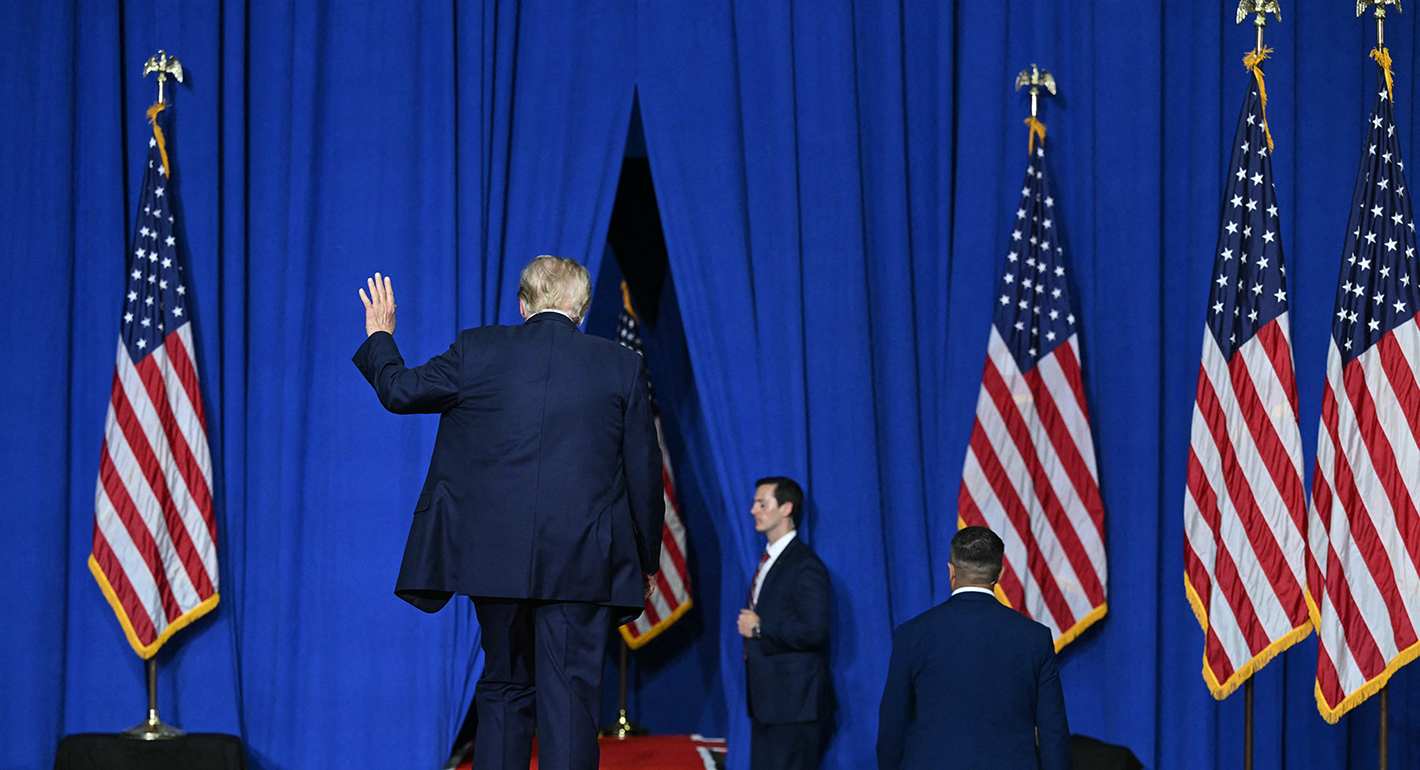
By abandoning past U.S. pro-democracy policies and adopting several lines of pro-autocratic action, the Trump administration has fundamentally repositioned the United States vis-à-vis democracy in the world.

Thomas Carothers
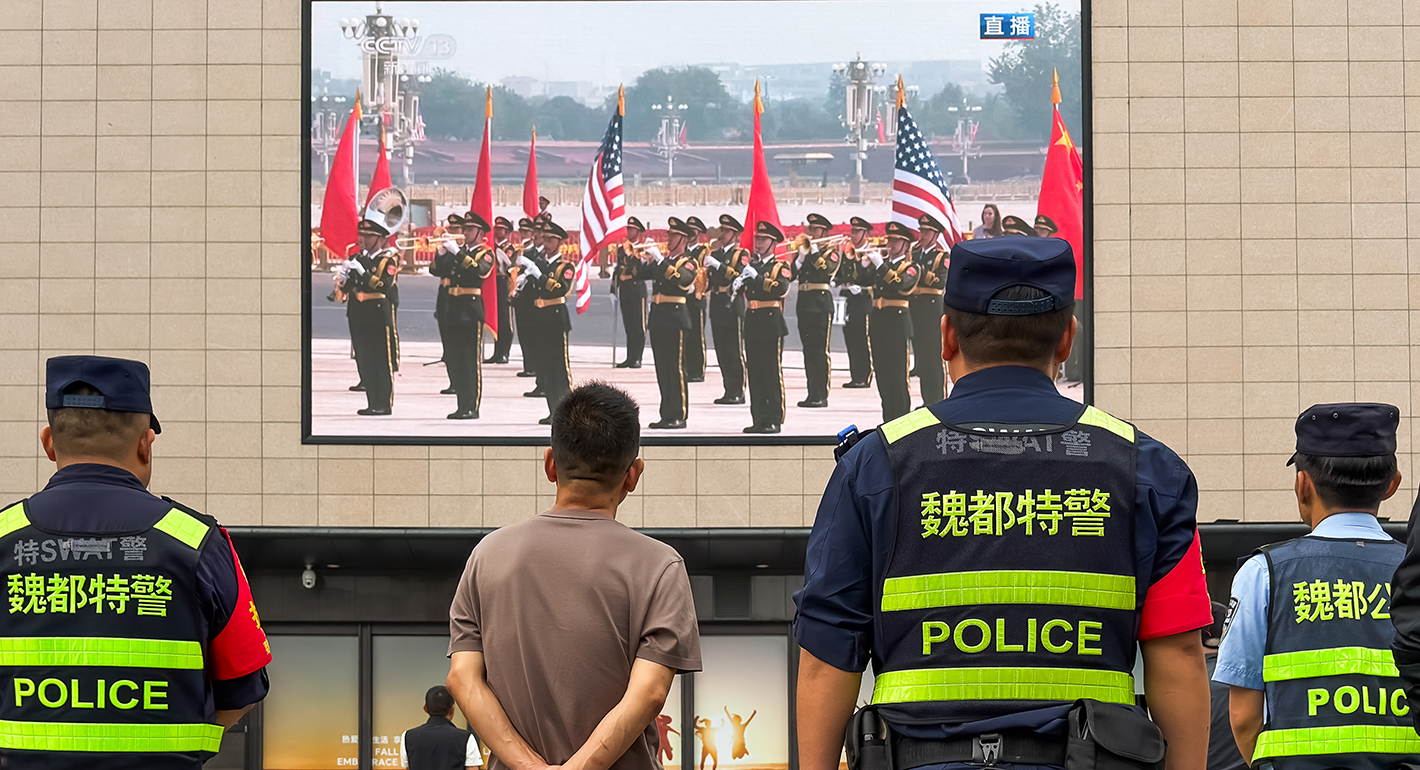
Chinese strategists are once again debating whether American power is declining and whether U.S. hegemony is experiencing irreversible decay.
Wu Xinbo