

Q&A
Alper Coşkun, Amr Hamzawy
Source: Getty
Morocco conducted elections to the lower chamber of the parliament, the House of Representatives, on September 7. Local and international monitoring groups confirmed that the elections were conducted in a fair and transparent manner. However, voter turnout plunged to a historical low of 37 percent, down from 51 percent in the 2002 elections and 58 percent in 1997.
Morocco conducted elections to the lower chamber of the parliament, the House of Representatives, on September 7. Thirty-three political parties and thirteen independent electoral lists contested the chamber’s 325 seats. (Thirty seats are reserved for women based on a quota system introduced prior to the previous parliamentary elections, which were held in 2002.) Eighteen parties ran candidates in at least 50 percent of the country’s ninety-five electoral districts. Five parties were represented in almost every district: the two governing parties (the Socialist Union of Popular Forces and the Independence Party—Istiqlal), the main Islamist opposition party (the Party for Justice and Development—PJD), the Popular Movement, and the National Rally of Independents.
Voter Apathy and Popular Disenchantment
Local and international monitoring groups confirmed that the elections were conducted in a fair and transparent manner. However, there were a number of reports on violations that involved vote buying, in both urban and rural areas. Remarkably, voter turnout plunged to a historical low of 37 percent, down from 51 percent in the 2002 elections and 58 percent in 1997. Poor participation marred the process despite significant get-out-the-vote efforts by the government as well as political parties and civil society organizations. Government agencies and various nongovernmental organizations conducted voter education programs, especially in impoverished urban areas, and leading political parties announced detailed electoral platforms several weeks before the elections and publicized them heavily. Most platforms tackled the economic and social needs of the population, and, at least in the case of the Socialist Union, the Independence Party, and the PJD, concrete policy measures were included. Despite all these efforts, Moroccans’ waning level of interest in electoral politics persisted.
Click on icon above for the full text of this Web Commentary.

Director, Middle East Program
Amr Hamzawy is a senior fellow and the director of the Carnegie Middle East Program. His research and writings focus on Egypt’s and other middle powers’ involvement in regional security in the Middle East, particularly through collective diplomacy and multilateral conflict resolution
Recent Work

Alper Coşkun, Amr Hamzawy

Sarah Yerkes, Natalie Triche, Amr Hamzawy
Carnegie does not take institutional positions on public policy issues; the views represented herein are those of the author(s) and do not necessarily reflect the views of Carnegie, its staff, or its trustees.

China’s political future will be shaped between now and next October. As the Communist Party enters its intense “campaign season” to prepare for a major political transition in 2027, reading Beijing's actions and responses may become more difficult as domestic politics weigh on its behavior more than usual.

Damien Ma

Putin’s conservative staffing policies and search for ever greater control have cemented parliament’s transformation into a bureaucratic appendage of the executive branch.

Andrey Pertsev

Ex-president Gurbanguly Berdimuhamedov remains interested in politics, but his son Serdar, Turkmenistan’s current president, is becoming increasingly independent and willing to break with his father’s legacy. If their covert rivalry goes too far, both risk losing power.

Galiya Ibragimova

A notable degree of participative democracy has firmly arrived in Europe. But to have more far-reaching impact, democratic deliberation needs to move into a radically new phase.

Richard Youngs
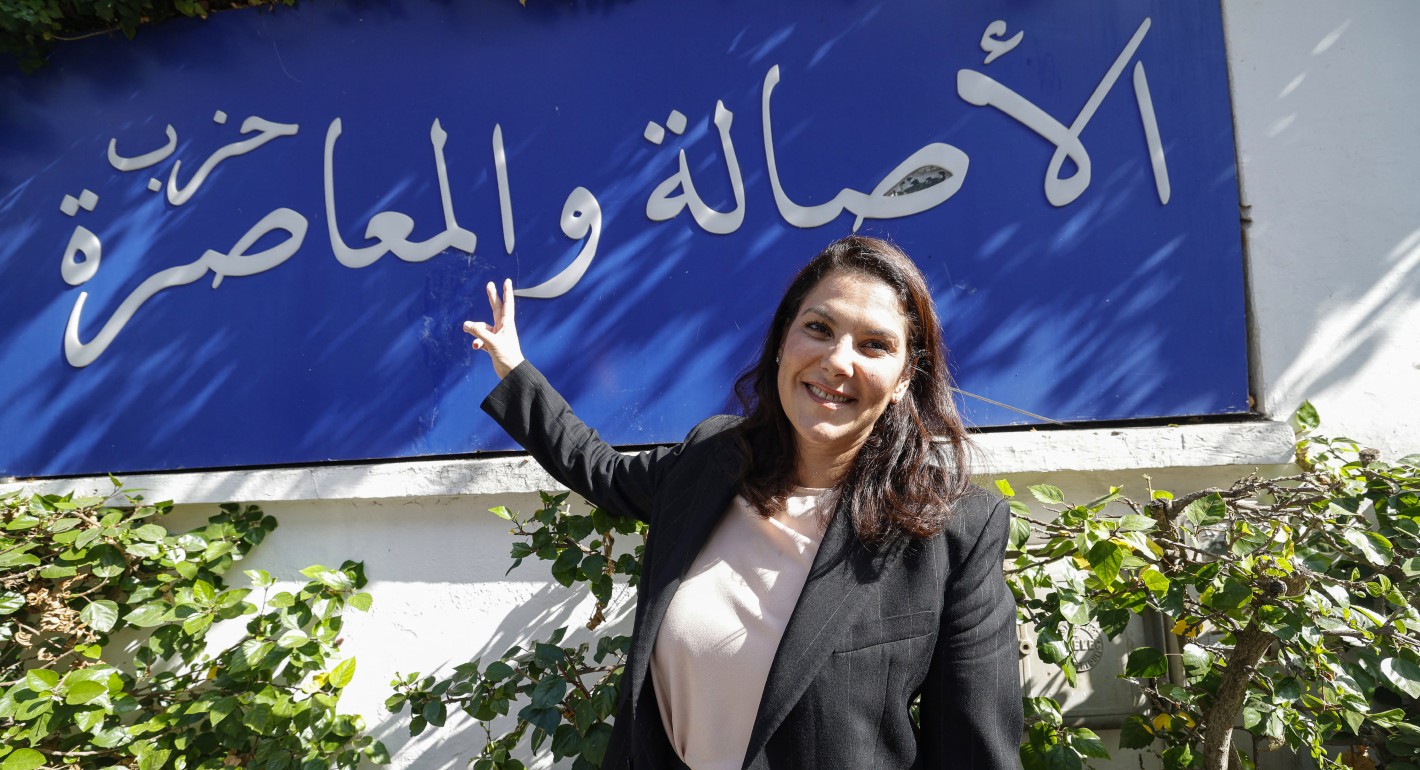
Fatima El Mansouri is the country’s first female prime minister. She’s also a privileged insider in a largely ceremonial position.
Sarah Yerkes