

Commentary
Rachid Tlemçani

REQUIRED IMAGE
Despite Algeria’s recent economic growth and domestic stability, the government’s refusal to address the legacy of its violent civil war threatens its long-term stability. President Abdelaziz Bouteflika’s decision to push forward his “Charter for Peace and National Reconciliation” without public input or dialogue has undermined the prospect for true reconciliation.
Source: Carnegie Endowment
Despite Algeria’s recent economic growth and domestic stability, the government’s refusal to address the legacy of its violent civil war threatens its long-term stability, argues a new paper from the Carnegie Endowment. President Abdelaziz Bouteflika’s decision to push forward his “Charter for Peace and National Reconciliation” without public input or dialogue has undermined the prospect for true reconciliation.
In Algeria Under Bouteflika: Civil Strife and National Reconciliation, Algeria expert Rachid Tlemçani examines the implementation of Bouteflika’s efforts to restore stability to the country and move beyond the legacy of civil war.
Key points:
“Algerian officials, led by President Bouteflika, decided to ignore the experience of other countries, to grant blanket amnesty and to pacify victims’ families with money rather than information, in hopes of turning the page on a dark period of Algerian history as soon as possible. That haste merely postpones a crisis that is likely to break out in the future as unreconciled grievances from the decade of civil war become enmeshed in growing socioeconomic and identity tensions in the country. Then the prospects for reconciliation and the reinforcement of human rights in Algeria will become even dimmer,” concludes Tlemçani.
Click on icon above for the full text of this Carnegie Paper.
A limited number of print copies of this Carnegie Paper are available.
Request a copy
About the Author
Rachid Tlemçani was a visiting scholar at the Carnegie Middle East Center and a visiting scholar in the Carnegie Endowment’s headquarters in Washington, D.C., the Center for Middle Eastern Studies at Harvard University, and the Center for Contemporary Arab Studies at Georgetown University. He has published numerous articles and several books on Algerian politics, including Elections et Elites en Algerie (2003), Etat, Bazar et Globalisation: L’aventure de L’Infitah en Algerie (1999) and State and Revolution in Algeria (1986).
Former Visiting Scholar
Recent Work
Rachid Tlemçani
Carnegie does not take institutional positions on public policy issues; the views represented herein are those of the author(s) and do not necessarily reflect the views of Carnegie, its staff, or its trustees.

China’s political future will be shaped between now and next October. As the Communist Party enters its intense “campaign season” to prepare for a major political transition in 2027, reading Beijing's actions and responses may become more difficult as domestic politics weigh on its behavior more than usual.

Damien Ma

Rubio’s recent visit brought welcome attention, but more capital requires governance changes that may be a hard sell for regional governments.

Jennifer B. Murtazashvili
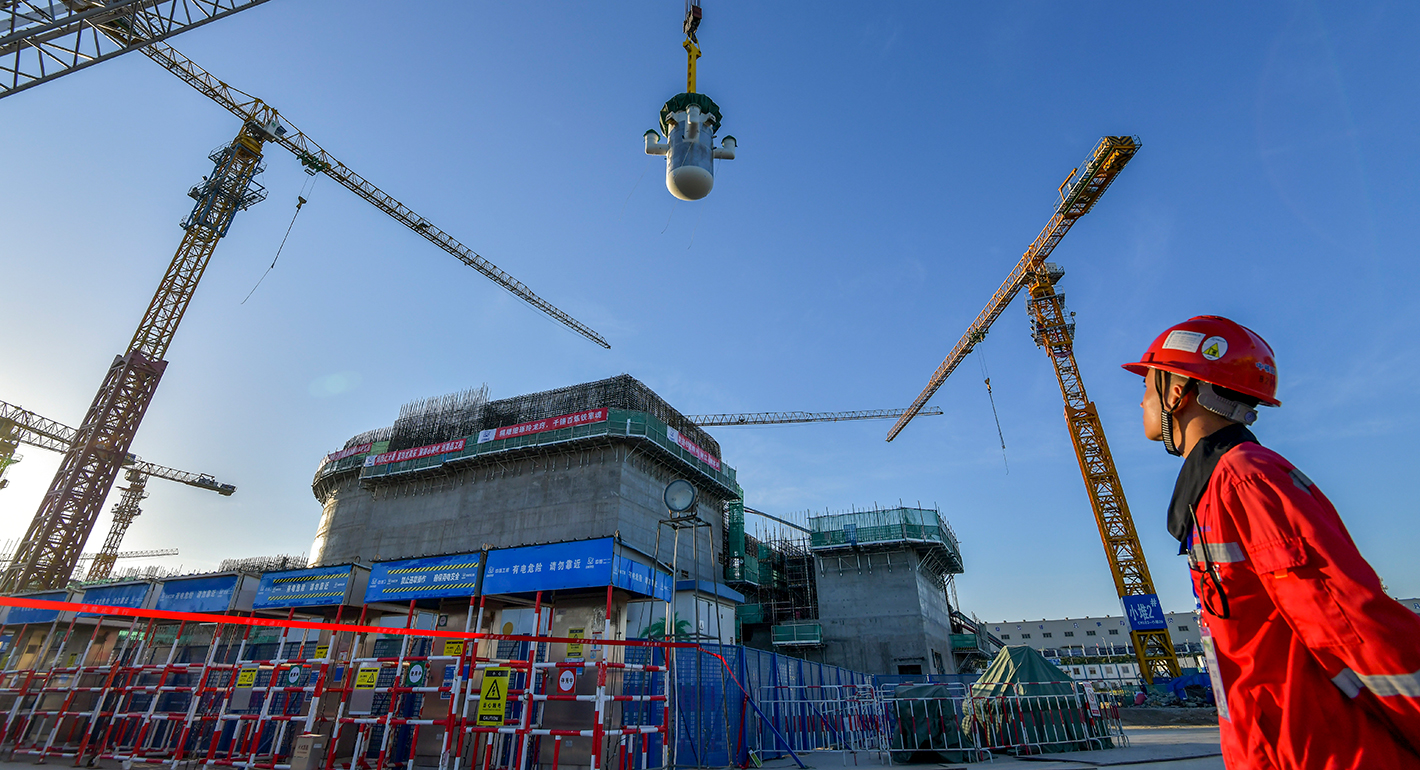
China has showcased its engineering prowess with small modular reactor demonstration projects. But turning these technological achievements into commercial success will be a greater challenge.

Tong Zhao
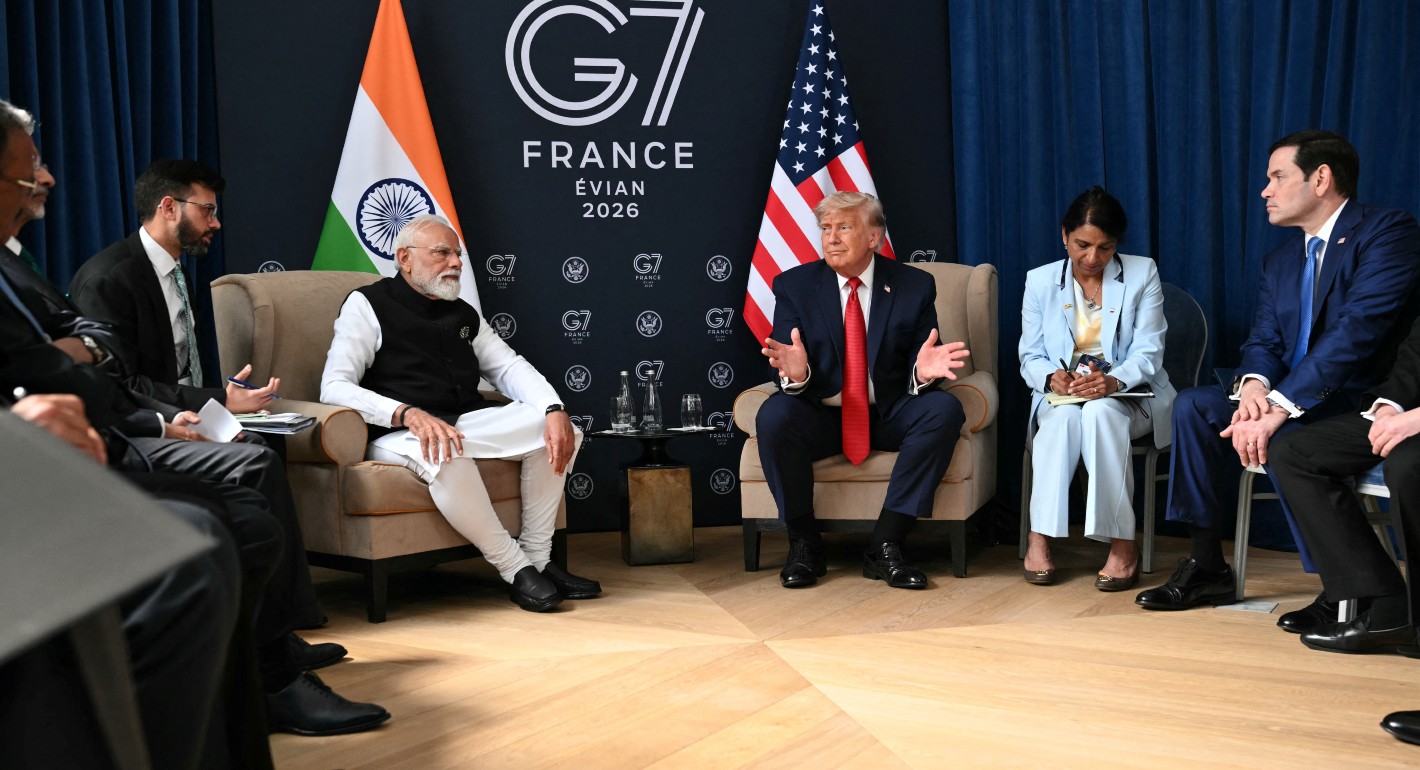
Despite public disputes over trade and immigration, the strategic partnership’s foundations remain sturdy.
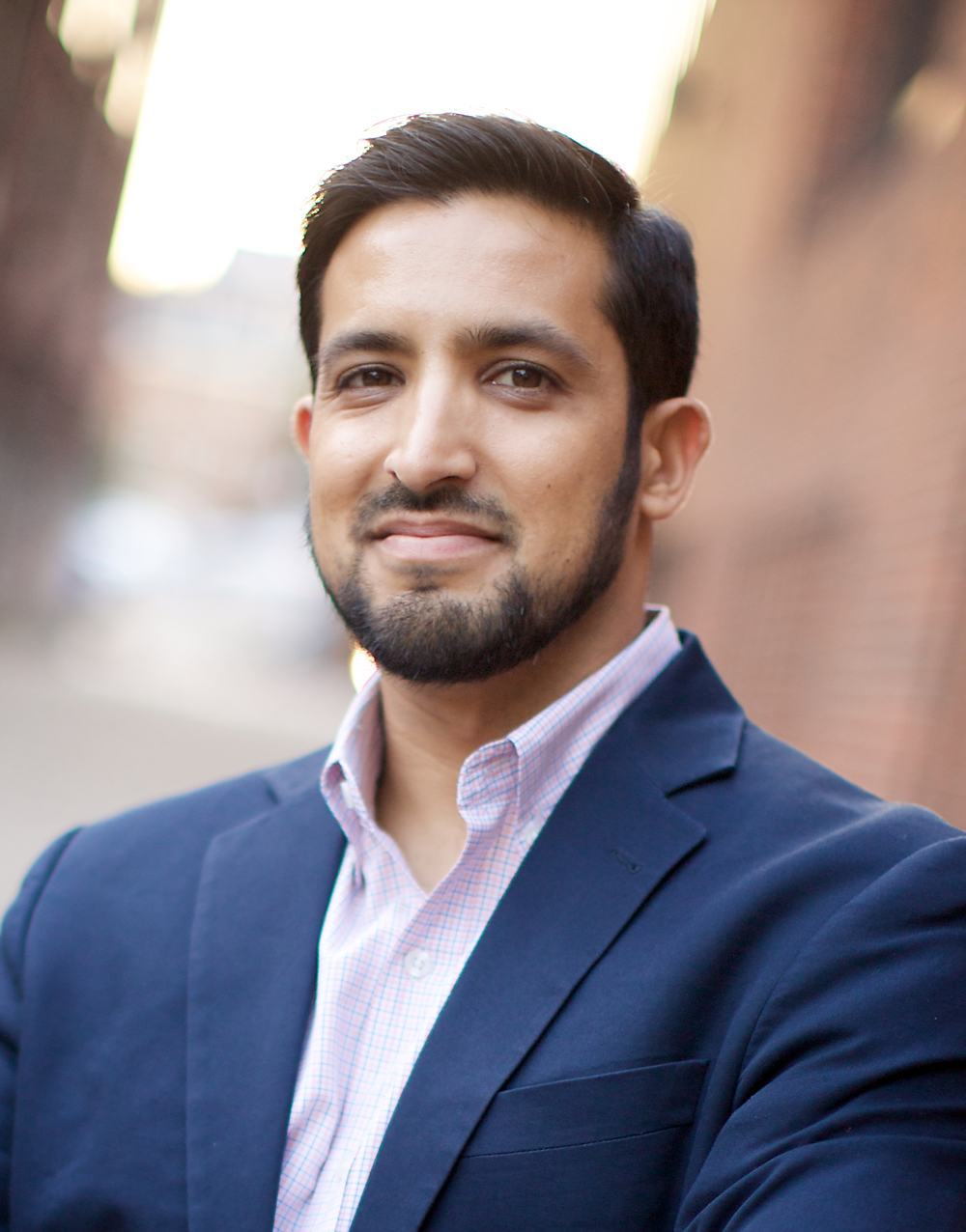
Sameer Lalwani

With its public finances in shambles, the far right polling at 35 percent ahead of the 2027 presidential election, and a growing protest movement, is France’s crisis a threat to the EU’s geopolitical awakening?

Rym Momtaz, ed.