

Commentary
Nathan J. Brown

Source: Getty
A presidential election in Palestine will not take place until Fatah and Hamas reach consensus—and Israel permits it—resulting in a deadlock with no clear path toward political reconciliation. In a question and answer guide, Nathan Brown offers an analysis of Palestinian law and the core disagreements between the Palestinian factions that cast doubt on President Mahmud Abbas’s political future.
A presidential election in Palestine will not take place until both Fatah and Hamas reach consensus—and Israel permits it—resulting in a deadlock with no clear path toward political reconciliation. In a new question and answer guide, Nathan Brown offers an analysis of Palestinian law and the core disagreements between the Palestinian factions that cast new doubt on President Mahmud Abbas’s political future.
Hamas insists Abbas’s term expires in 2009, while Fatah points to 2010. While Abbas was elected in 2005 and the Palestinian Basic Law sets a four-year term for the presidency, parliament passed an election law in 2005 that calls for the parliament and president to be elected together. Parliament’s four year term expires in 2010.
Key Conclusions:

Nonresident Senior Fellow, Middle East Program
Nathan J. Brown, a professor of political science and international affairs at George Washington University, is a distinguished scholar and author of nine books on Arab politics and governance, as well as editor of five books.
Recent Work
Nathan J. Brown
Nathan J. Brown
Carnegie does not take institutional positions on public policy issues; the views represented herein are those of the author(s) and do not necessarily reflect the views of Carnegie, its staff, or its trustees.

Ex-president Gurbanguly Berdimuhamedov remains interested in politics, but his son Serdar, Turkmenistan’s current president, is becoming increasingly independent and willing to break with his father’s legacy. If their covert rivalry goes too far, both risk losing power.

Galiya Ibragimova

A notable degree of participative democracy has firmly arrived in Europe. But to have more far-reaching impact, democratic deliberation needs to move into a radically new phase.

Richard Youngs
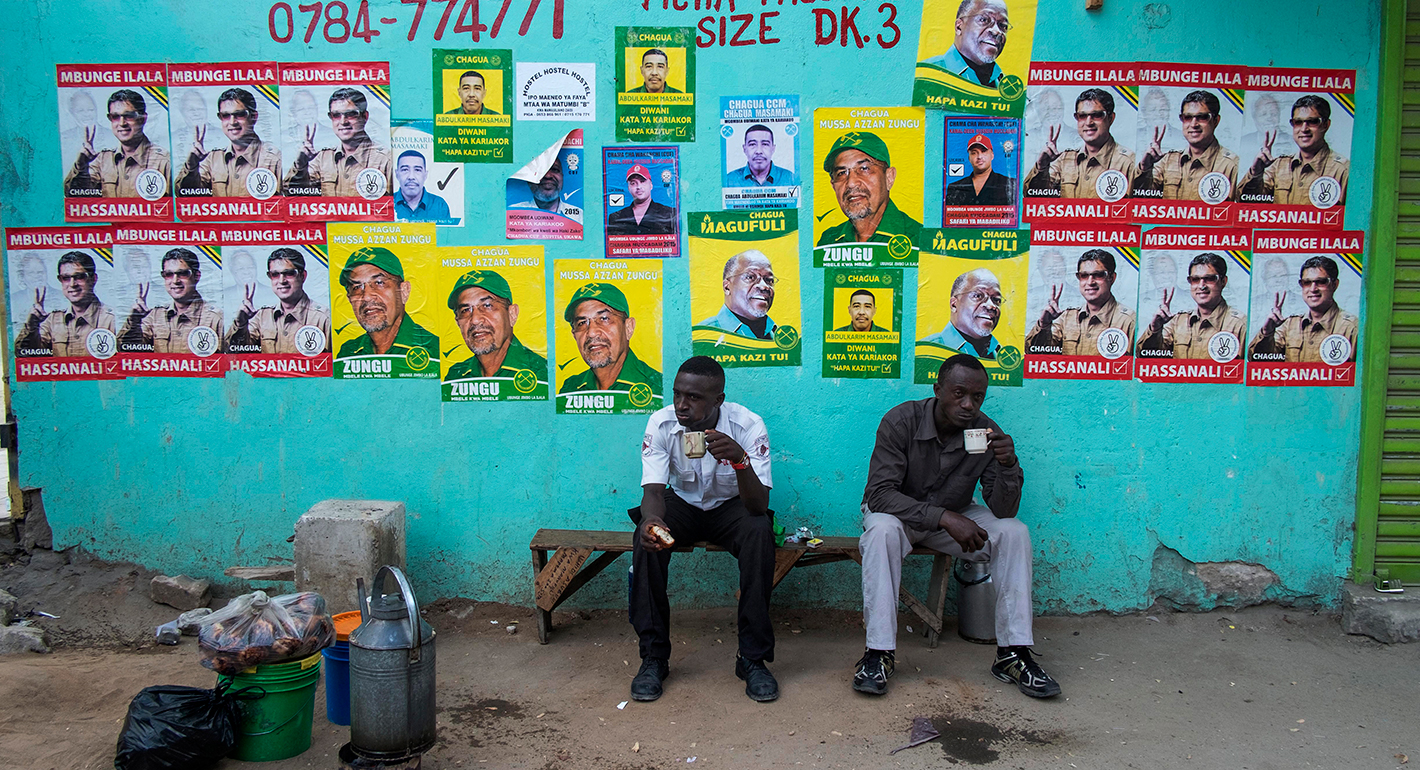
Today’s global democratic recession is partly rooted in a common perception that democracies have a delivery problem, with many citizens in both autocracies and democracies alike now believing that strongmen can achieve better governance outcomes. But a study of four countries in Africa reveals that democratic-leaning governments have demonstrated better governance performance than autocratic governments.


Sarah Yerkes, Natalie Triche, Amr Hamzawy
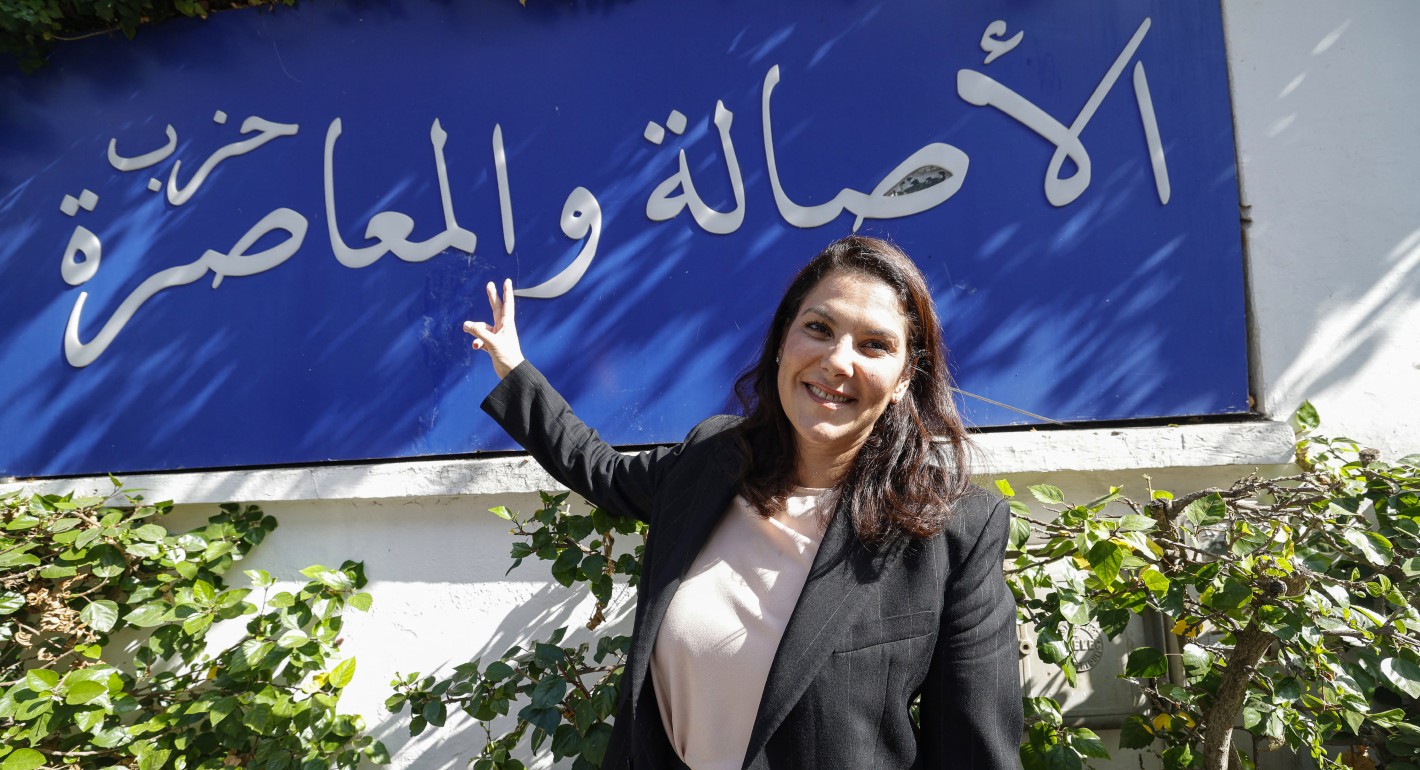
Fatima El Mansouri is the country’s first female prime minister. She’s also a privileged insider in a largely ceremonial position.
Sarah Yerkes

The domestic impacts of how long it is taking to end the war in Ukraine have pushed the French electorate to the political extremes and compromised the country’s diplomatic capacity.

Rym Momtaz