

Paper
Paul Salem

REQUIRED IMAGE
There have been many attempts by the international community to impose order in the Middle East. The reality is that Arab states must themselves overcome divisive ideologies, prioritize common interests, and develop a cooperative political and security architecture if a new regional order is to come to fruition.
Source: Carnegie Endowment
There have been many attempts by the international community to impose order in the Middle East. The reality is that Arab states must themselves overcome divisive ideologies, prioritize common interests, and develop a cooperative political and security architecture if a new regional order is to come to fruition, argues Paul Salem, director of the Carnegie Middle East Center in Beirut.
In The Middle East: Evolution of a Broken Regional Order, Salem identifies patterns and trends in the dynamic history between the countries of the Middle East—through the collapse of Ottoman rule, European mandates, and the post-World War II developments in the region—that help to understand how Arab states, as well as Turkey and Iran, have shaped their policies, particularly after 9/11 and the U.S. invasion of Iraq. The paper introduces a series of country-by-country studies that will examine how key players in the Middle East—namely Iran, Turkey, Saudi Arabia, Syria, Jordan, and Egypt—have responded.
Salem offers analysis of:
"The events of the past few years have broken the precarious old Middle East order without replacing it with a new one. And although rival external and regional players have been pushing their own agendas for a new regional order, none of them has prevailed. The competition among these rival visions and forces appears destined to continue in the years ahead. In the meantime, meetings of countries neighboring Iraq have been taking place, first in Egypt, then in Turkey and Kuwait. Participants in addition to Iraq have included Iran, Turkey, and key Arab countries. Discussions have focused on exploring potential common ground on security as well as political and economic issues. These meetings have been encouraged by the United States and the international community; their progress, however, has been slow, as tensions within Iraq and the region continue to make the main players wary of each other."
A limited number of print copies of this Carnegie Paper are available.
Request a copy
About the Author
Paul Salem is the director of the Carnegie Middle East Center in Beirut. He is the author and editor of several books and studies on the Middle East. Before joining Carnegie in 2006, Salem was the director of the Fares Foundation (1999–2006) and the founding director of the Lebanese Center for Policy Studies, Lebanon’s leading public policy think tank (1990–1999).
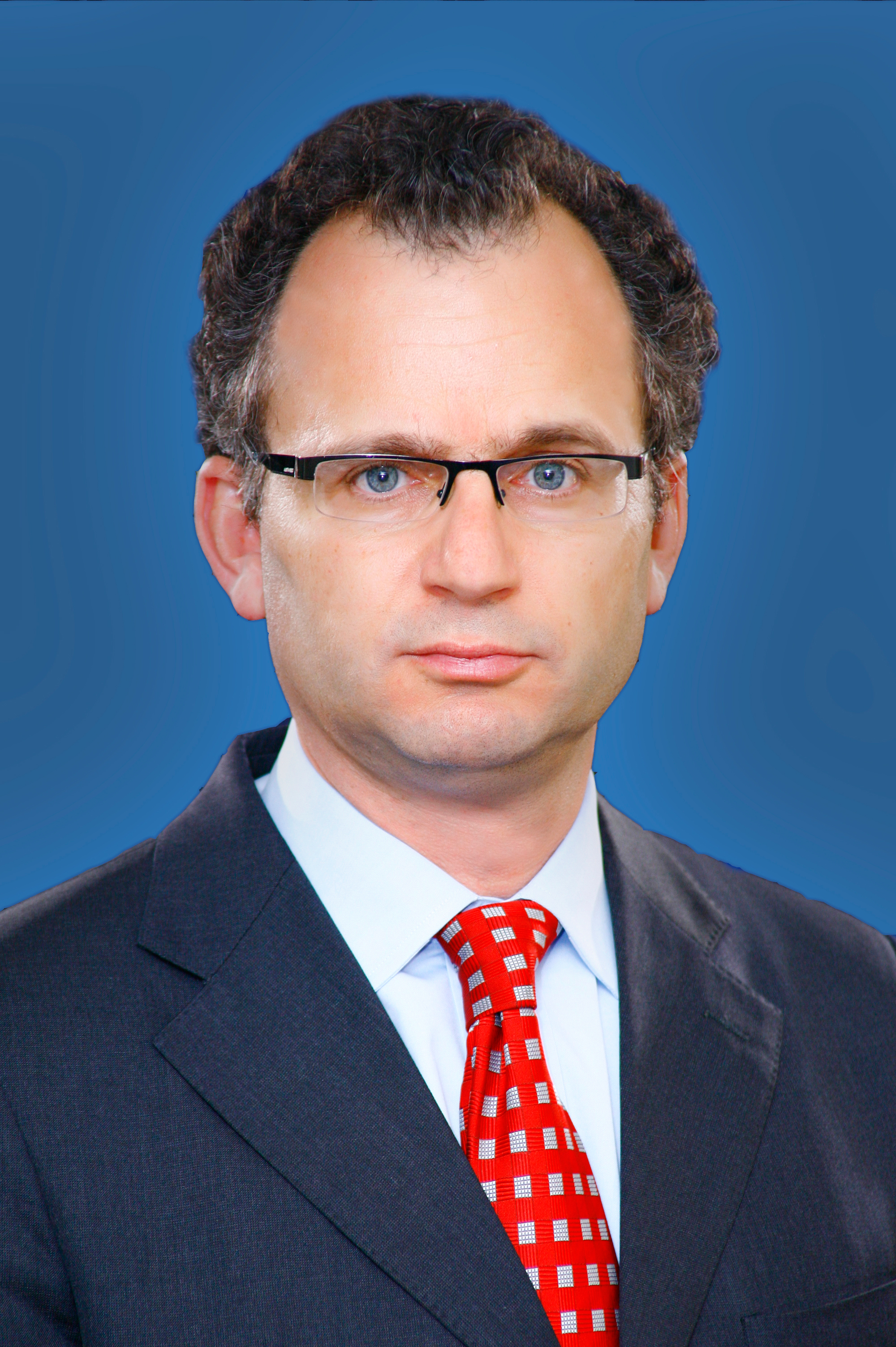
Senior Fellow at the Middle East Institute
Paul Salem is a senior fellow at the Middle East Institute.
Recent Work
Paul Salem
Paul Salem
Carnegie does not take institutional positions on public policy issues; the views represented herein are those of the author(s) and do not necessarily reflect the views of Carnegie, its staff, or its trustees.
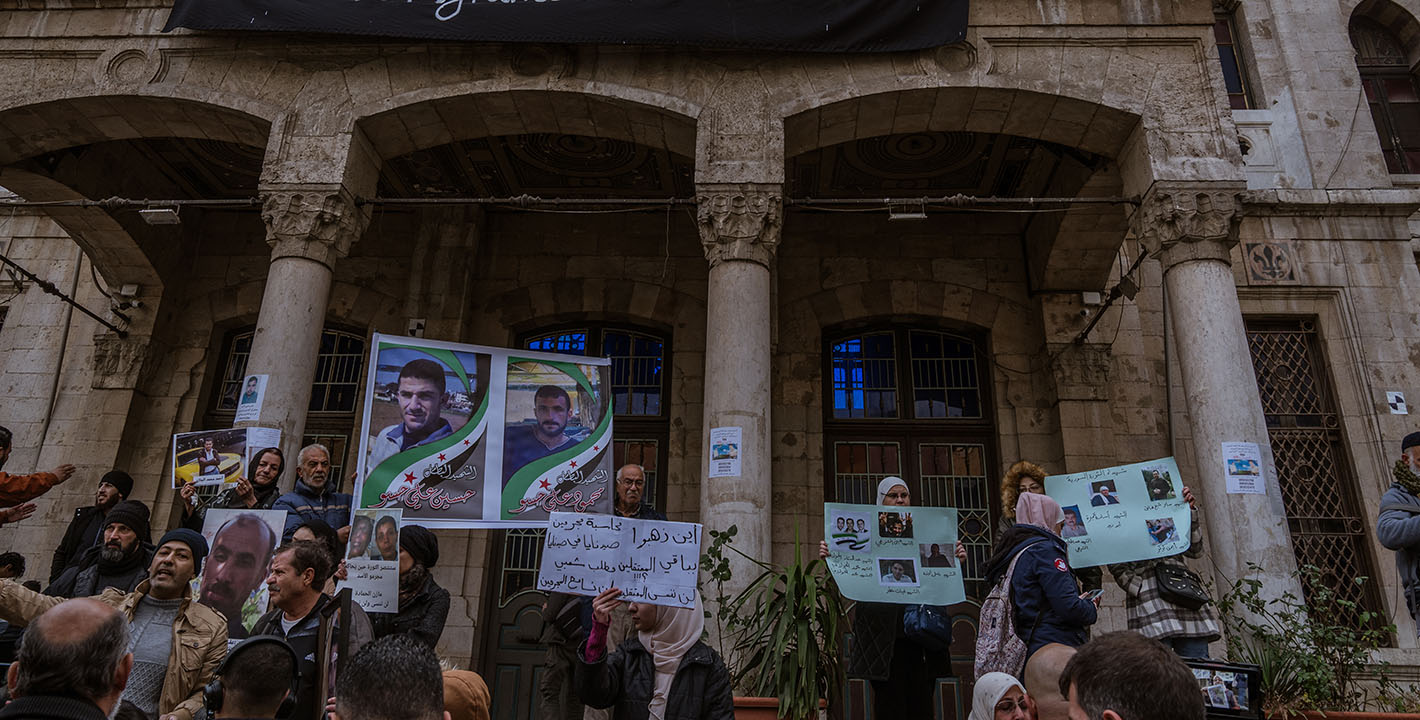
Reconciliation councils are emerging throughout the country to mediate in intracommunal disputes, many from the war years.
Natacha Danon

Russian strikes are weakening the economy sustaining Ukraine’s war effort. Closing the growing funding gap will require more European support and politically contentious reforms in Kyiv.

Balázs Jarábik
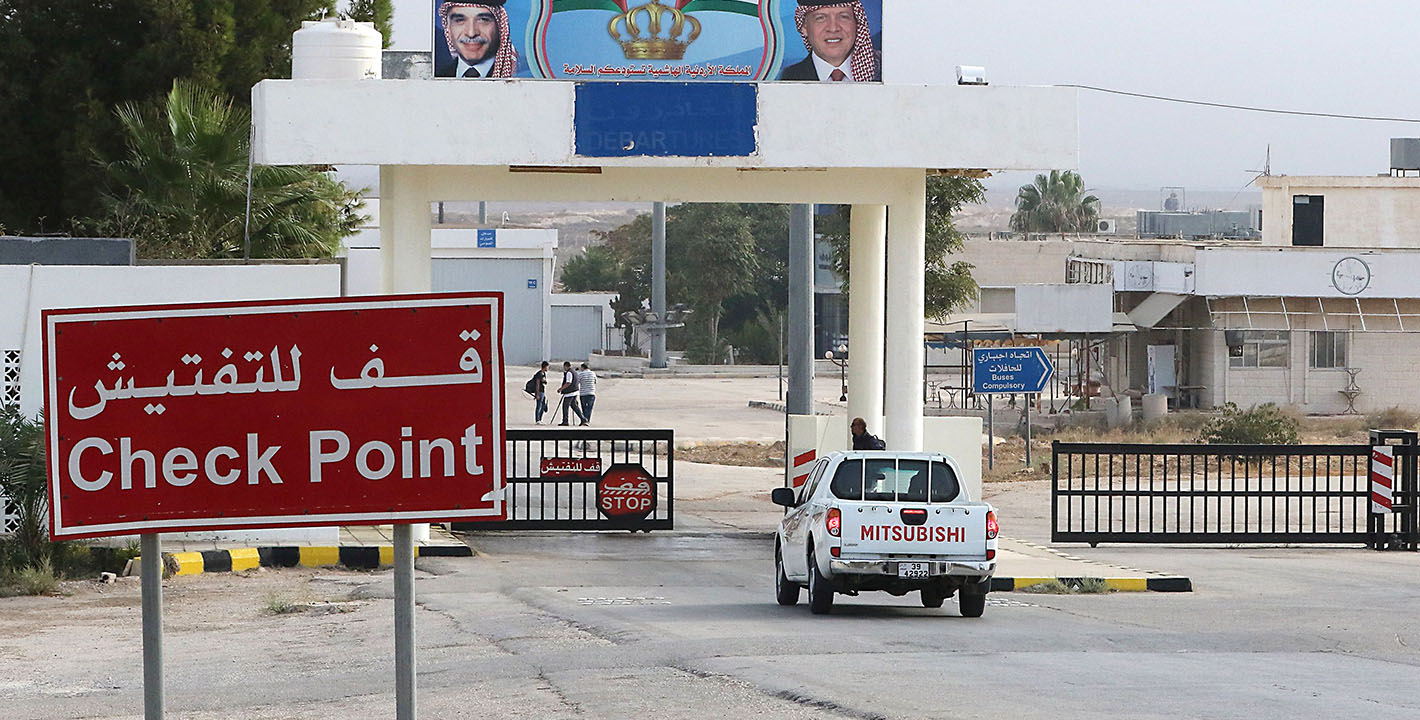
The civil war in Syria may have ended, but the country continues to serve as a source for the trafficking of illegal substances into and via Jordanian territory.

Armenak Tokmajyan, Laith Qerbaa

Ex-president Gurbanguly Berdimuhamedov remains interested in politics, but his son Serdar, Turkmenistan’s current president, is becoming increasingly independent and willing to break with his father’s legacy. If their covert rivalry goes too far, both risk losing power.

Galiya Ibragimova

Europe is facing rising populism internally as well as external pressures from Russia, China, Turkey, and the United States.

Dimitar Bechev