

Commentary
A summer of escalation in the Black Sea has hurt Ukraine economically and is exacerbating world food security. A truce is needed—as is a broader reframing of Europe’s Ukraine strategy.
Thomas de Waal

REQUIRED IMAGE
Recent WTO rulings indicate an increasing willingness to restrict trade based on the environmental impact of goods production. The global community should incorporate trade-related measures into any post-Kyoto multilateral climate agreement.
The global community should incorporate trade-related measures into any post-Kyoto multilateral climate agreement, concludes a new paper from the Carnegie Endowment.
Recent WTO rulings indicate an increasing willingness to restrict trade based on the environmental impact of goods production. However, the trade community remains concerned that such restrictions will be used to protect domestic industries, reducing efficiency, and potentially spark a tit-for-tat trade war. Margaret Lay examines the relationship between the trade and climate regimes to determine how the global community can best use trade measures to strengthen climate policy while upholding the goals of the multilateral trade system.
Key conclusions:
Lay concludes:
“Amid concerns about protectionism and skewed incentives to firms in developing countries resulting from these national-level tariff proposals, the trade and environment policy communities appear to be headed for a major clash over climate-related trade measures. Yet previous uses of multi- and unilateral trade measures to support environmental policy suggest that trade measures could be designed to build upon the synergies between the two regimes. Climate policymakers aware of the synergies could develop trade-related measures that support climate policy and are consistent with the concerns of the multilateral trade community.”
About the Author
Margaret Lay is a former junior fellow of the Carnegie Endowment’s Energy and Climate Program and Trade, Equity, and Development Program. She is currently a research assistant to the Federal Reserve Board of Governors.
Margaret Lay
Carnegie does not take institutional positions on public policy issues; the views represented herein are those of the author(s) and do not necessarily reflect the views of Carnegie, its staff, or its trustees.

A summer of escalation in the Black Sea has hurt Ukraine economically and is exacerbating world food security. A truce is needed—as is a broader reframing of Europe’s Ukraine strategy.

Thomas de Waal

The Bureau of Industry and Security needs to adjust its focus and practices to maintain its position as the U.S. government’s primary champion of international technological competition.

Geoffrey Irving
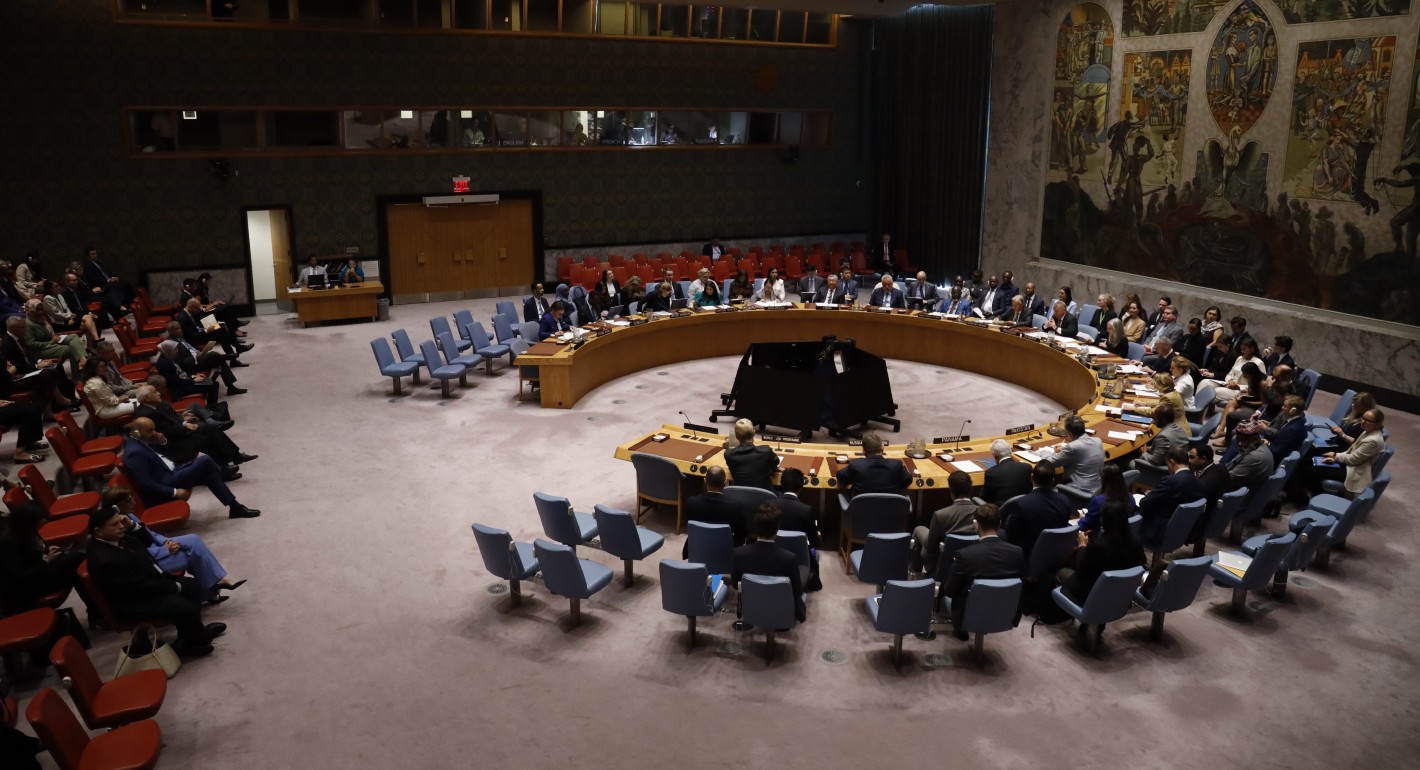
They face an uphill climb, but they could draw on a strategy that other diplomats have used in the past.


Shana Tabak, Alejandro Martin Rodriguez

Depleted financial reserves and a shrinking tax base mean it is no longer possible to simultaneously deliver high defense spending, price stability, and economic growth.

Alexandra Prokopenko
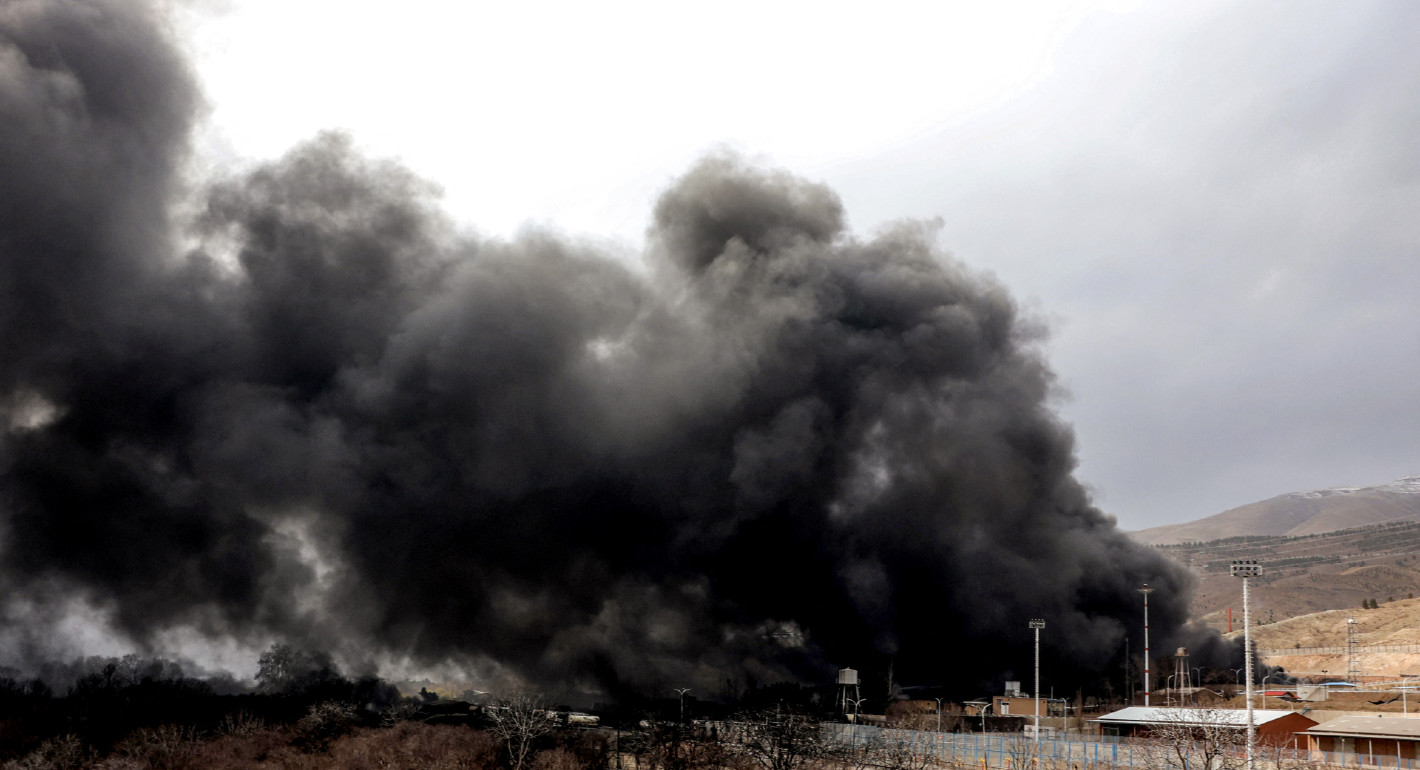
Understanding the climatic pain points is necessary for policymakers hoping to minimize the war’s negative environmental consequences.


Alejandro Martin Rodriguez, Joy Arkeh, Sarah Yerkes