

Article
Amel Boubekeur

REQUIRED IMAGE
Since the civil war of the 1990s, Algeria’s government has given moderate Islamist parties only a superficial role in politics. The resulting rise of Salafism, which rejects the country’s political system, reveals the need for Algeria to increase political transparency and participation and engage its citizens to discourage radicalization outside the political system.
Since the civil war of the 1990s, Algeria’s government has given moderate Islamist parties only a superficial role in politics. Consequently, support for Algerian Salafism, which rejects the country’s political system, has increased, creating for its followers a separate Islamic way of life without engagement in politics or confrontation with the army. In a new paper, Amel Boubekeur examines how the rise of Salafism indicates the need for Algeria to increase political transparency and participation and engage its citizens, particularly the young, to discourage radicalization outside the political system.

Former Resident Scholar, Middle East Center
Boubekeur was an associate scholar at the Carnegie Middle East Center. Her research focuses on Maghreb country politics, Euro–Arab relations, and Islam in Europe.
Recent Work
Amel Boubekeur
Carnegie does not take institutional positions on public policy issues; the views represented herein are those of the author(s) and do not necessarily reflect the views of Carnegie, its staff, or its trustees.
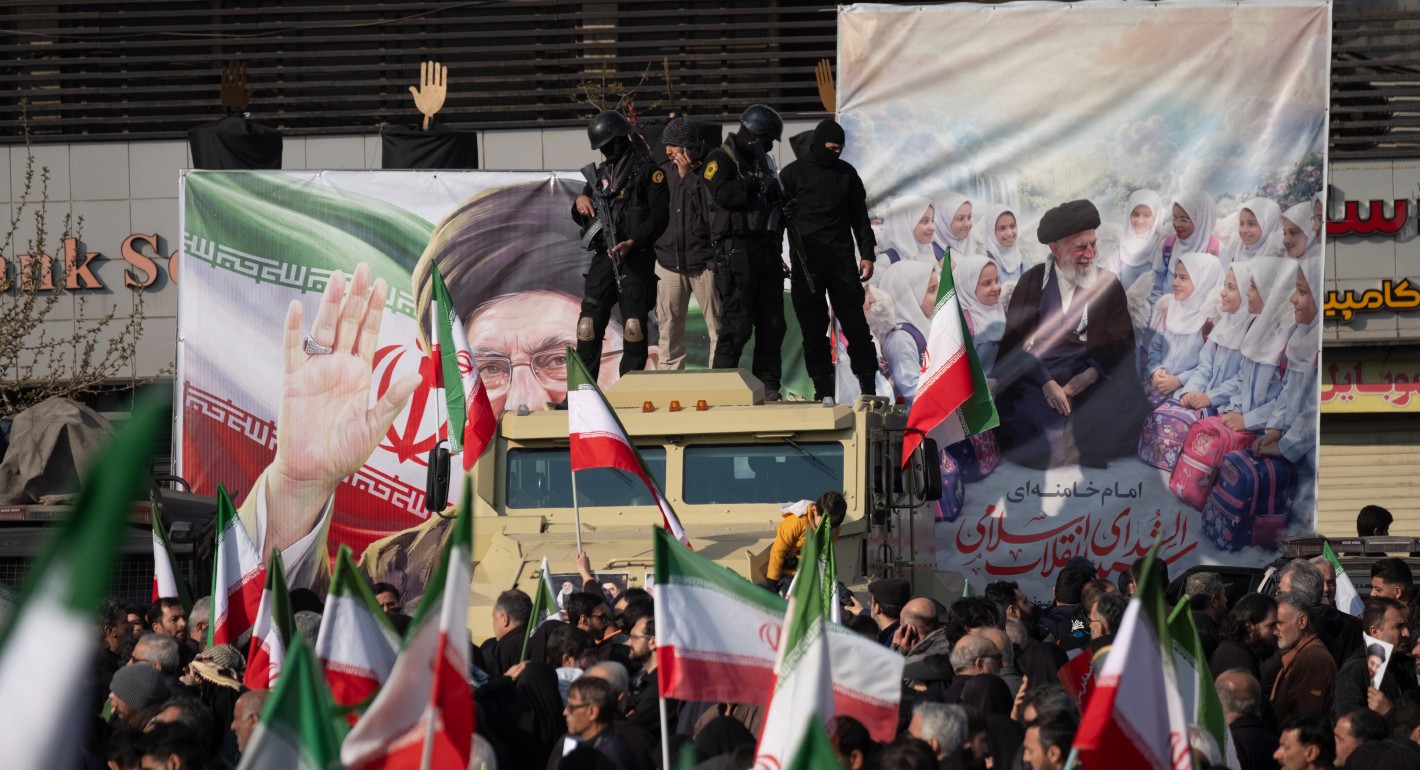
The recent record of citizen uprisings in autocracies spells caution for the hope that a new wave of Iranian protests may break the regime’s hold on power.


Thomas Carothers, McKenzie Carrier
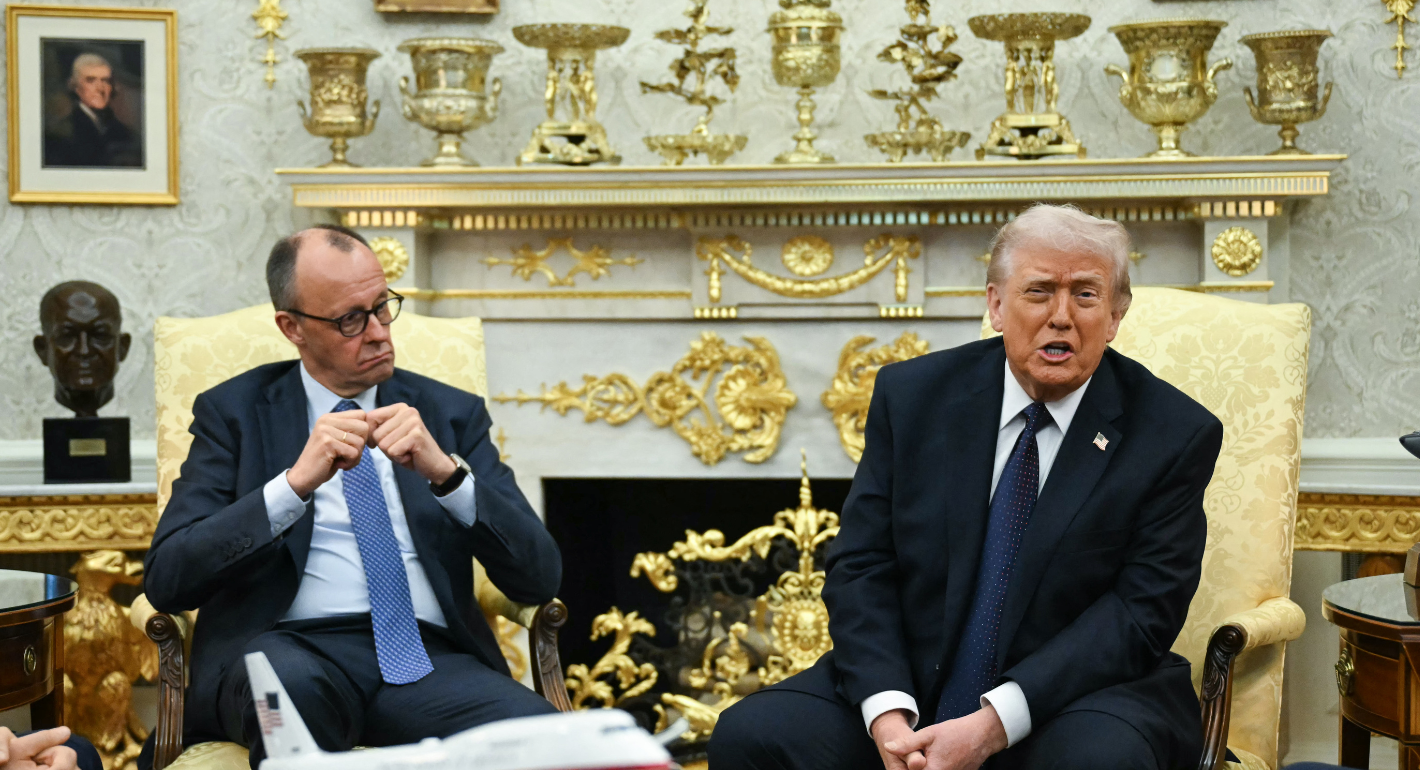
European reactions to the war in Iran have lost sight of wider political dynamics. The EU must position itself for the next phase of the crisis without giving up on its principles.

Richard Youngs

Internet service providers can facilitate internet access but also draconian control.

Irene Poetranto
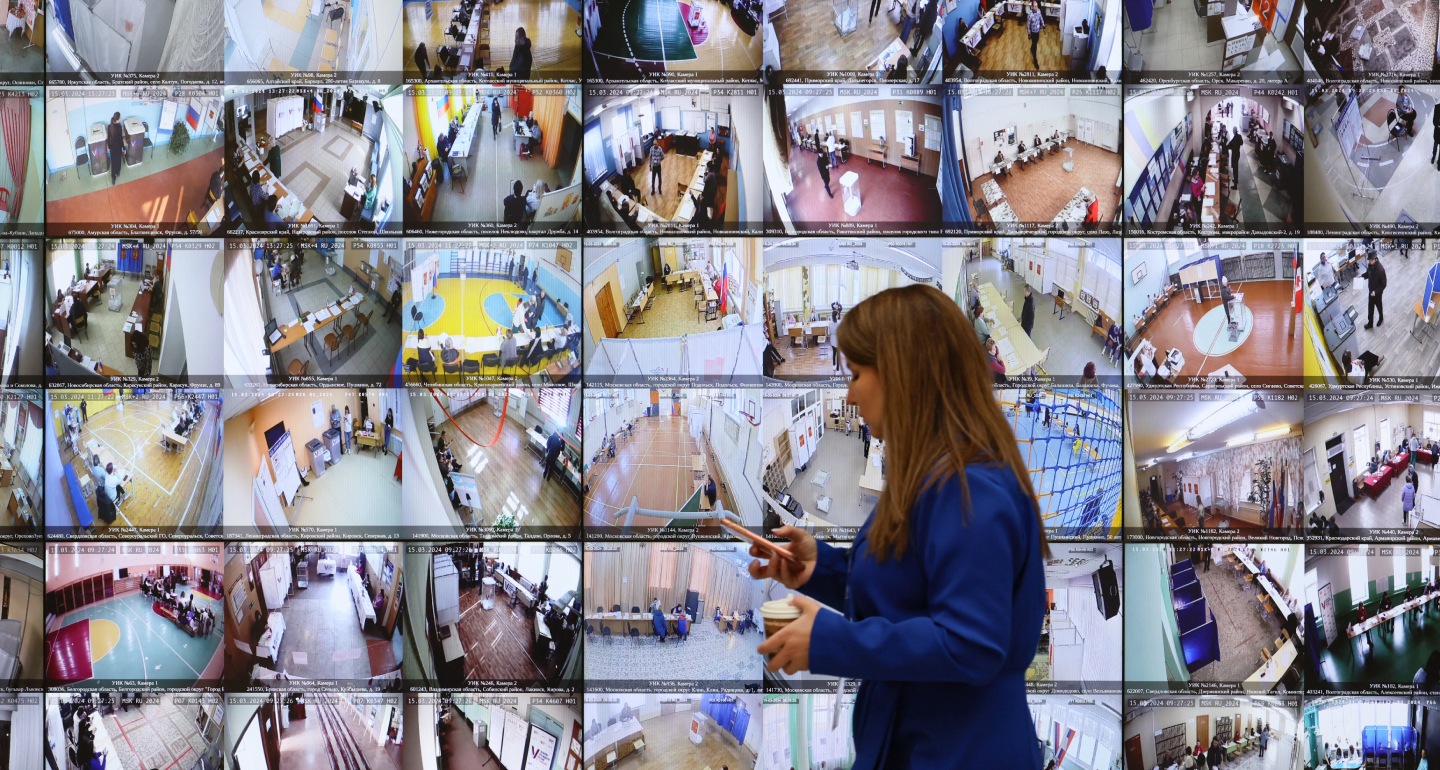
The use of technology to mobilize Russians to vote—a system tied to the relative material well-being of the electorate, its high dependence on the state, and a far-reaching system of digital control—is breaking down.

Andrey Pertsev
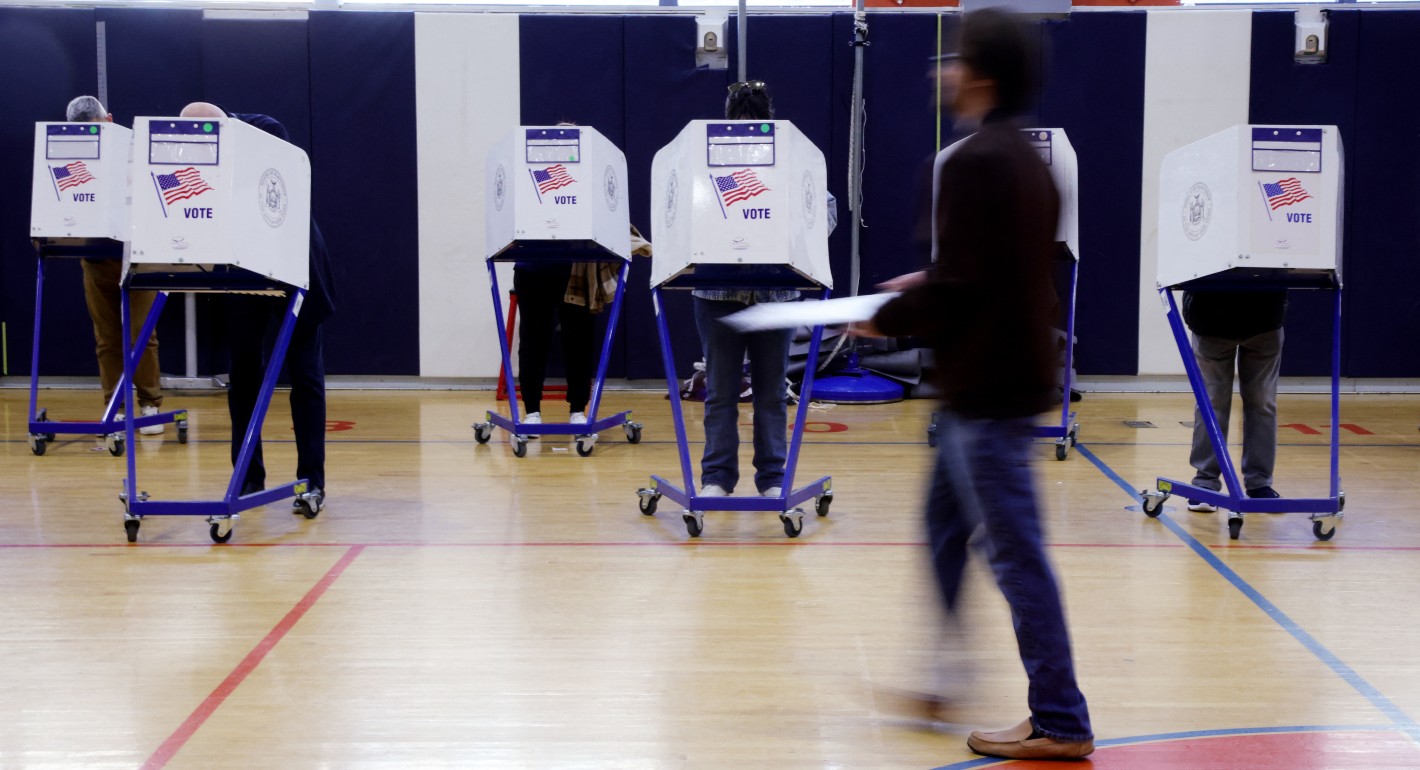
New data from the 2026 Indian American Attitudes Survey show that Democratic support has not fully rebounded from 2020.


Sumitra Badrinathan, Devesh Kapur, Andy Robaina, …