• Research
  • Emissary
  • About
  • Experts
Carnegie Global logoCarnegie lettermark logo
DemocracyIran
  • Donate
Carnegie Experts on Obama's Trip to the Middle East

Source: Getty

Article

Carnegie Experts on Obama's Trip to the Middle East

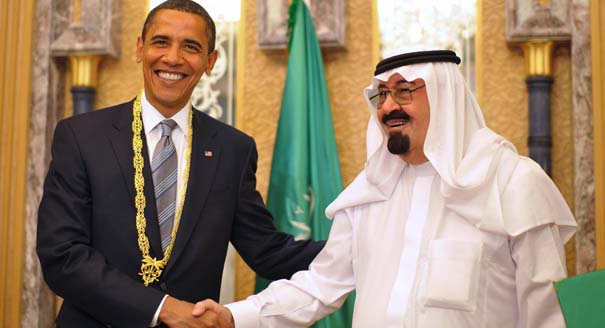
Carnegie experts in the Middle East and D.C. discussed regional expectations for President Obama's address to the Muslim world, the administration’s approach to the Arab-Israeli peace process, and the significance of his stops in Egypt and Saudi Arabia.

Link Copied
By Marina Ottaway, Nathan J. Brown, Paul Salem, Amr Hamzawy
Published on Jun 1, 2009

Additional Links

Full Text
Program mobile hero image

Program

Middle East

The Middle East Program in Washington combines in-depth regional knowledge with incisive comparative analysis to provide deeply informed recommendations. With expertise in the Gulf, North Africa, Iran, and Israel/Palestine, we examine crosscutting themes of political, economic, and social change in both English and Arabic.

Learn More

Ahead of President Obama’s Middle East trip and highly anticipated address to the Muslim world, Carnegie experts in the Middle East and D.C. discussed regional expectations for his speech, the administration’s approach to the Arab-Israeli peace process, and the significance of his stops in Egypt and Saudi Arabia.
 

Key points:

  • Middle East audiences will want to hear from President Obama on two major issues: his stance towards political reform and the future of the Arab-Israeli conflict.
     
  • Obama is unlikely to outline a detailed Middle East peace plan in his speech, which will cause some disappointment in the region.  But if the speech is followed by progress over the next few months, it will have a positive mid to long-term effect.
     
  • The inclusion of Saudi Arabia and Egypt, as with Turkey previously, is an attempt to build on U.S. alliances, marshal momentum in the wider Islamic world, and leverage goodwill into progress on the Israeli-Palestinian conflict.  
     
  • Cairo is a significant location for the speech as Egypt has historically been the most influential presence in the Arab and Muslim world (though the trip to Saudi Arabia shows recognition of its central role as well).  The introduction of the president in Cairo will come from a religious leader—the Grand Sheikh of Al-Azhar—which signals that Obama will address wider Muslim issues, not just the political crisis.  
     

About the Authors

Marina Ottaway

Former Senior Associate, Middle East Program

Before joining the Endowment, Ottaway carried out research in Africa and in the Middle East for many years and taught at the University of Addis Ababa, the University of Zambia, the American University in Cairo, and the University of the Witwatersrand in South Africa.

Nathan J. Brown

Nonresident Senior Fellow, Middle East Program

Nathan J. Brown, a professor of political science and international affairs at George Washington University, is a distinguished scholar and author of nine books on Arab politics and governance, as well as editor of five books.
Paul Salem

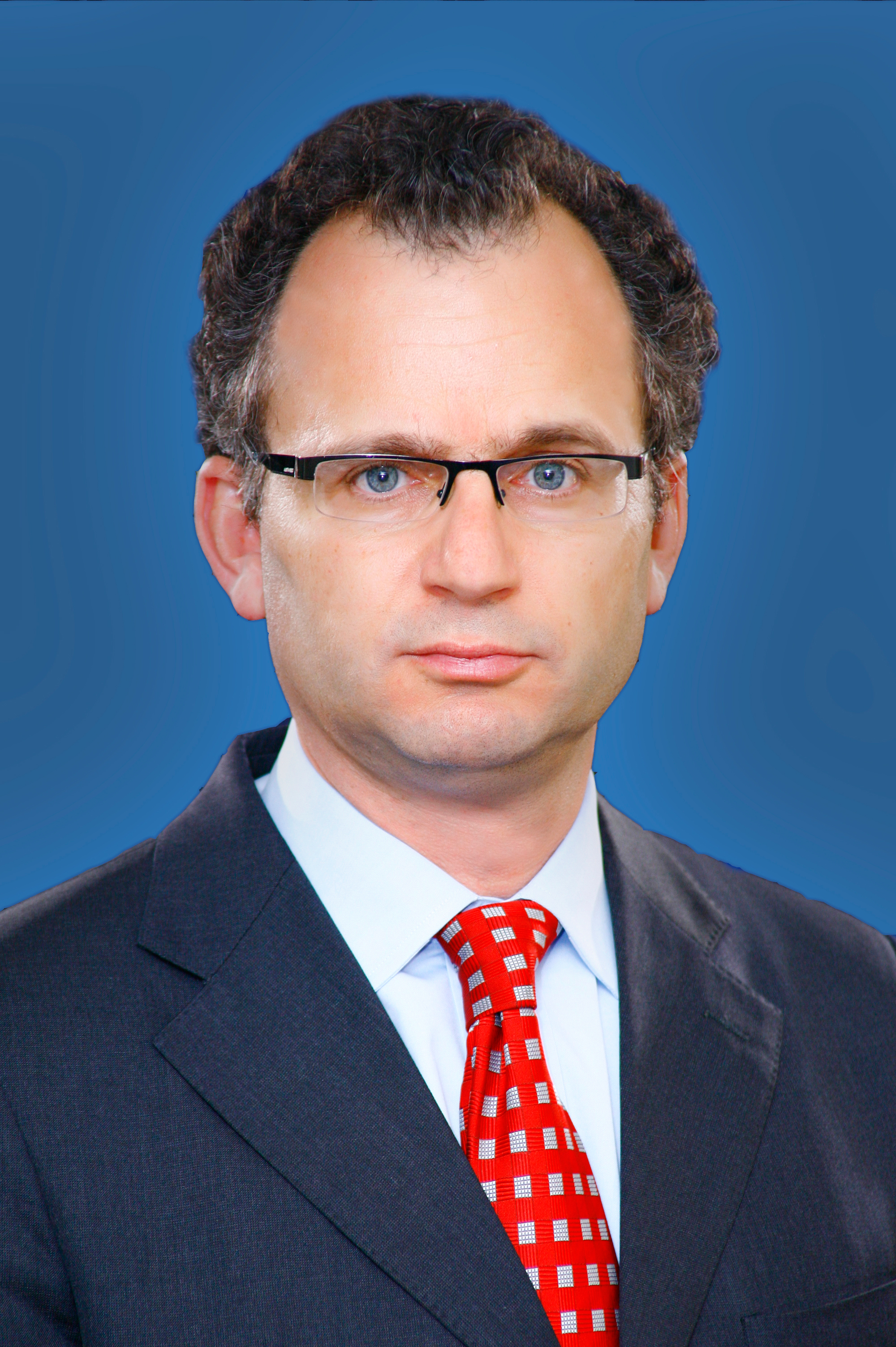
Senior Fellow at the Middle East Institute

Paul Salem is a senior fellow at the Middle East Institute.

Amr Hamzawy

Director, Middle East Program

Amr Hamzawy is a senior fellow and the director of the Carnegie Middle East Program. His research and writings focus on governance in the Middle East and North Africa, social vulnerability, and the different roles of governments and civil societies in the region.

Authors

Marina Ottaway
Former Senior Associate, Middle East Program
Marina Ottaway
Nathan J. Brown
Nonresident Senior Fellow, Middle East Program
Nathan J. Brown
Paul Salem
Senior Fellow at the Middle East Institute
Paul Salem
Amr Hamzawy
Director, Middle East Program
Amr Hamzawy
North AmericaUnited StatesMiddle EastForeign Policy

Carnegie does not take institutional positions on public policy issues; the views represented herein are those of the author(s) and do not necessarily reflect the views of Carnegie, its staff, or its trustees.

More Work from Carnegie Endowment for International Peace

  • India and a Changing Global Order: Foreign Policy in the Trump 2.0 Era
    Research
    India and a Changing Global Order: Foreign Policy in the Trump 2.0 Era

    Trump 2.0 has unsettled India’s external environment—but has not overturned its foreign policy strategy, which continues to rely on diversification, hedging, and calibrated partnerships across a fractured order.

      • Sameer Lalwani
      • +6

      Milan Vaishnav, ed., Sameer Lalwani, Tanvi Madan, …

  • Commentary
    Carnegie Politika
    Lukashenko’s Bromance With Trump Has a Sell-By Date

    Lukashenko is willing to make big sacrifices for an invitation to Mar-a-Lago or the White House. He also knows that the clock is ticking: he must squeeze as much out of the Trump administration as he can before congressional elections in November leave Trump hamstrung or distracted.

      Artyom Shraibman

  • Mullin with his hand raised, taking an oath
    Commentary
    Emissary
    Can Mullin Revive FEMA?

    Restoring competence and trust to the anemic, neglected disaster recovery agency is a matter of national security.

      • Sarah Labowitz

      Sarah Labowitz, Debbra Goh

  • Worker pushing machinery toward a car frame
    Commentary
    Emissary
    Europe’s New Industrial Policy Can Learn From U.S. Mistakes

    Although the IAA often differs from the IRA, European policymakers can still take note of the U.S. act’s shortcomings.

      Milo McBride

  • Commentary
    Strategic Europe
    Time to Merge the Commission and EEAS

    The EU is structurally incapable of reacting to today’s foreign policy crises. The union must fold the EEAS into the European Commission and create a security council better prepared to take action on the global stage.

      Stefan Lehne

Get more news and analysis from
Carnegie Endowment for International Peace
Carnegie global logo, stacked
1779 Massachusetts Avenue NWWashington, DC, 20036-2103Phone: 202 483 7600Fax: 202 483 1840
  • Research
  • Emissary
  • About
  • Experts
  • Donate
  • Programs
  • Events
  • Blogs
  • Podcasts
  • Contact
  • Annual Reports
  • Careers
  • Privacy
  • For Media
  • Government Resources
Get more news and analysis from
Carnegie Endowment for International Peace
© 2026 Carnegie Endowment for International Peace. All rights reserved.