• Research
  • Emissary
  • About
  • Experts
Carnegie Global logoCarnegie lettermark logo
DemocracyIran
  • Donate
Realities and Priorities: What to Do in Afghanistan

Source: Getty

Article

Realities and Priorities: What to Do in Afghanistan

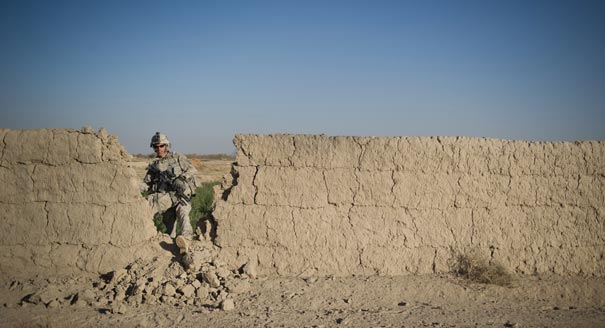
The Taliban’s recent advances in Kandahar are genuine and troubling. Coalition forces can avoid the mistakes of the past by not investing resources in rural districts and shifting focus to securing the cities and the north.

Link Copied
By Gilles Dorronsoro
Published on Aug 11, 2009
Program mobile hero image

Program

South Asia

The South Asia Program informs policy debates relating to the region’s security, economy, and political development. From strategic competition in the Indo-Pacific to India’s internal dynamics and U.S. engagement with the region, the program offers in-depth, rigorous research and analysis on South Asia’s most critical challenges.

Learn More

The Taliban’s recent advances in Kandahar are genuine and troubling. Coalition forces can avoid the mistakes fo the past by investing resources in rural districts and shifting focus to securing the cities and the north.

Dorronsoro Explains:

  • The Taliban have won control of the Pashtun belt and Helmand Province. The high level of xenophobia in these areas, coupled with the Taliban’s ability to address local grievances, will make it impossible for the coalition to control the countryside.
     
  • As a first priority, the coalition forces should stem the Taliban’s growing influence in the north, specifically in Baghlan, Kunduz, Takhar, Badghis, Herat, and Ghor.
     
  • Because of their countryside dominance, the Taliban are now attacking cities, including Gardez, Khost, and Pul-i Alam. The coalition forces should prioritize securing the cities, where there is a higher likelihood for success compared to the rural areas.

To read the full debate on ForeignPolicy.com, click here.
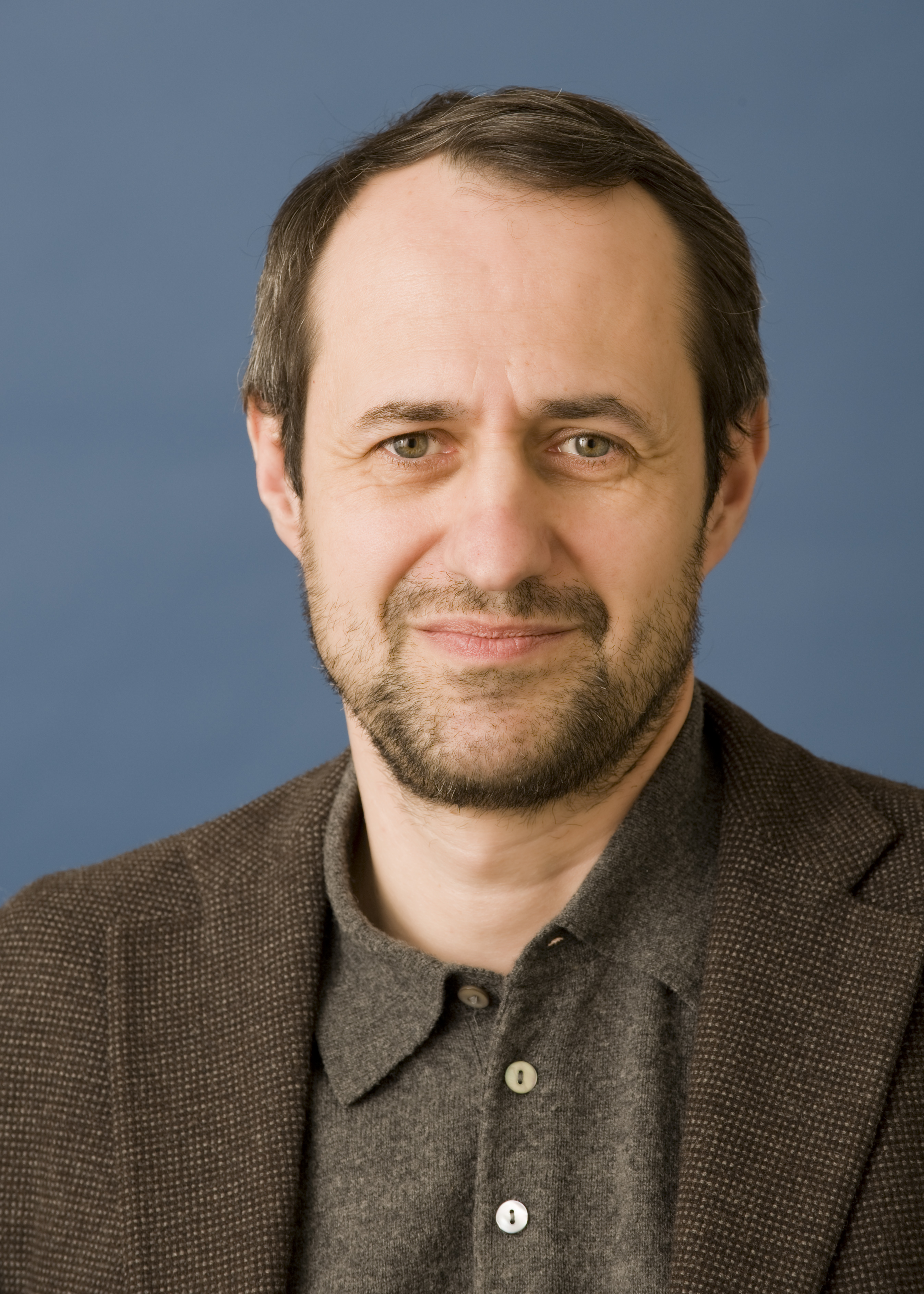
About the Author

Gilles Dorronsoro

Former Nonresident Scholar, South Asia Program

Dorronsoro’s research focuses on security and political development in Afghanistan. He was a professor of political science at the Sorbonne in Paris and the Institute of Political Studies of Rennes.

    Recent Work

  • Paper
    Waiting for the Taliban in Afghanistan

      Gilles Dorronsoro

  • Paper
    Afghanistan: The Impossible Transition

      Gilles Dorronsoro

Gilles Dorronsoro
Former Nonresident Scholar, South Asia Program
Gilles Dorronsoro
South AsiaAfghanistanSecurityForeign Policy

Carnegie does not take institutional positions on public policy issues; the views represented herein are those of the author(s) and do not necessarily reflect the views of Carnegie, its staff, or its trustees.

More Work from Carnegie Endowment for International Peace

  • Commentary
    Strategic Europe
    France and Germany Need Their Own Situation Room

    The Franco-German relationship is on the rocks again. But unlike previous moments of tension, the epochal changes on the world stage require that both step up investment in their bilateral ties.

      • Rym Momtaz

      Rym Momtaz

  • Europe trade economy container supply chains
    Paper
    From Trade Dependence to Geopolitical Leverage: The EU in an Era of Weaponized Interdependence

    As geopolitical rivalry weaponizes global supply chains, the EU’s true vulnerability lies in emerging-risk imports. For these goods, suppliers are growing more concentrated, substitution more difficult, and political risk is looming.

      Sinan Ülgen

  • Pashinyan surrounded by supporters while speaking to reporters
    Commentary
    Next Steps Toward Peace After the Armenian Elections

    It’s time to build momentum, and Ankara is the venue of the next opportune diplomatic window to do this.

      • Garo Paylan

      Alper Coşkun, Garo Paylan

  • Commentary
    Strategic Europe
    European Security Strategy: In Search of a New Ambition

    The EU is putting together a new security strategy to meet today’s myriad challenges. But for any proposal to be effective, the union needs to grapple with its identity and ambitions.

      Pierre Vimont

  • Commentary
    Reviving Kosovo-Serbia Normalization Talks

    Three years after the Ohrid Agreement, Kosovo and Serbia remain far from normalization. To revive implementation, the EU should abandon its ambiguity and act as an even-handed arbitrator.

      • +1

      Miloš Pavković, Fitim Gashi, Iliriana Gjoni, …

Get more news and analysis from
Carnegie Endowment for International Peace
Carnegie global logo, stacked
1779 Massachusetts Avenue NWWashington, DC, 20036-2103Phone: 202 483 7600
  • Research
  • Emissary
  • About
  • Experts
  • Donate
  • Programs
  • Events
  • Blogs
  • Podcasts
  • Contact
  • Annual Reports
  • Careers
  • Privacy
  • For Media
  • Government Resources
Get more news and analysis from
Carnegie Endowment for International Peace
© 2026 Carnegie Endowment for International Peace. All rights reserved.