

Article
Marina Ottaway, Omar Hossino

REQUIRED IMAGE
With a combined total of 296 parties and independent candidates registered to compete for a place in a 275-seat parliament, Iraq displays a degree of political fragmentation usually found in first-time multi-party elections but rarely seen thereafter.
With a combined total of 296 parties and independent candidates registered to compete for a place in a 275-seat parliament, Iraq displays a degree of political fragmentation usually found in first-time multi-party elections but rarely seen thereafter. Even the number of coalitions—at least six, at present—suggests deep fragmentation.
Several factors explain the continuing fragmentation of the Iraqi political scene. First, the legacy of the struggle against Saddam Hussein already led to fragmentation. Much of Saddam’s opposition was organized along confessional lines, with exiles in different countries creating separate organizations and drawing backing from different sources. But none of the organizations was particularly effective, so in 2003, there was no group that could claim the glory of having liberated the country. The 2005 elections created a fragmented parliament, worsening the problem.
The electoral system chosen by the November 8 election law—proportional representation with open lists—is likely to perpetuate the fragmentation. Not only will it do nothing to reduce the number of parties and coalitions competing against each other; but it also will encourage an undesirable degree of competition among candidates of the same parties.
In general, intraparty competition is a positive outcome of open-list systems in that it gives more power to the voters than to the party hierarchy. In situations of extreme fragmentation, however, open-list systems may deepen divisions and exacerbate problems.

Former Senior Associate, Middle East Program
Before joining the Endowment, Ottaway carried out research in Africa and in the Middle East for many years and taught at the University of Addis Ababa, the University of Zambia, the American University in Cairo, and the University of the Witwatersrand in South Africa.
Recent Work
Marina Ottaway, Omar Hossino
Marina Ottaway
Carnegie does not take institutional positions on public policy issues; the views represented herein are those of the author(s) and do not necessarily reflect the views of Carnegie, its staff, or its trustees.
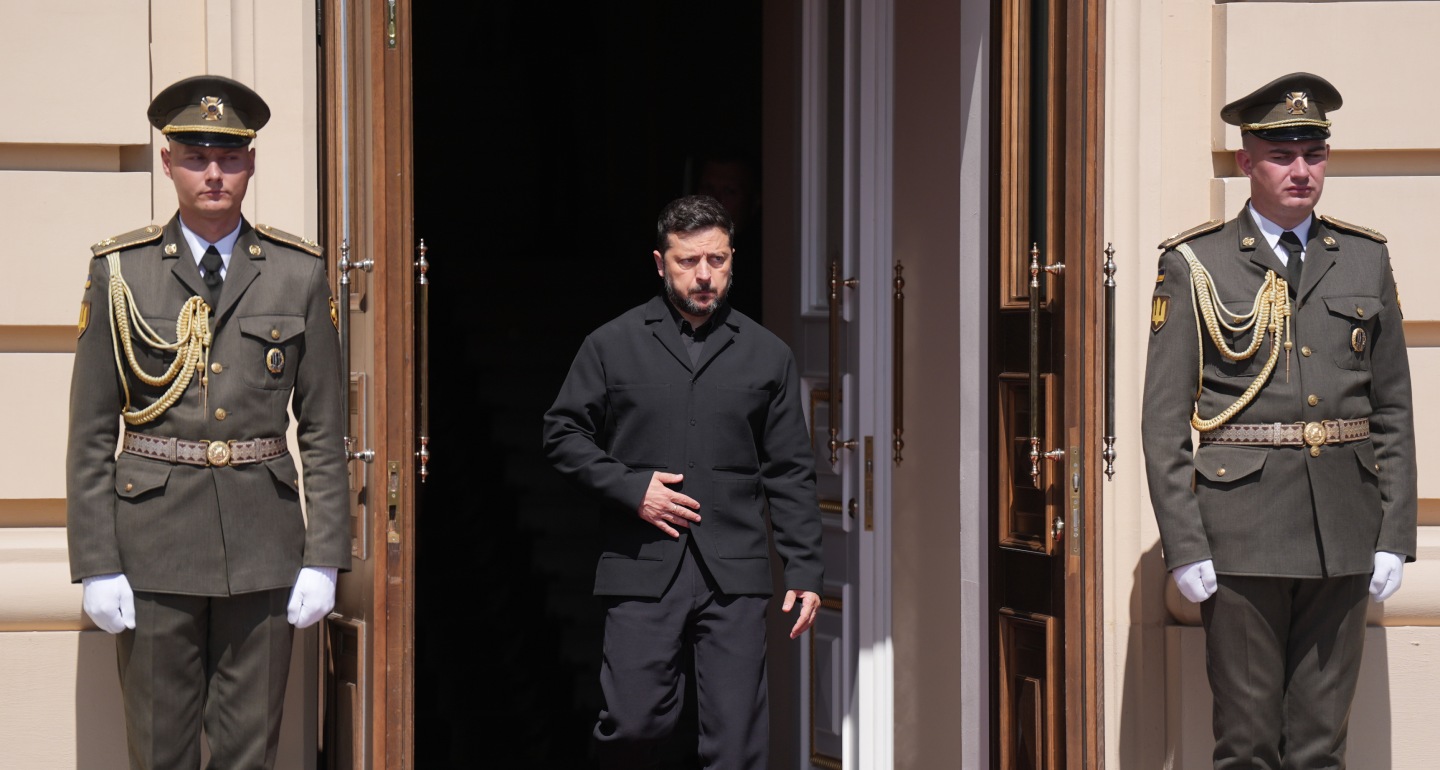
Ultimately, Zelensky sided neither with the reform camp nor with the military establishment as such, but with political control.

Balázs Jarábik
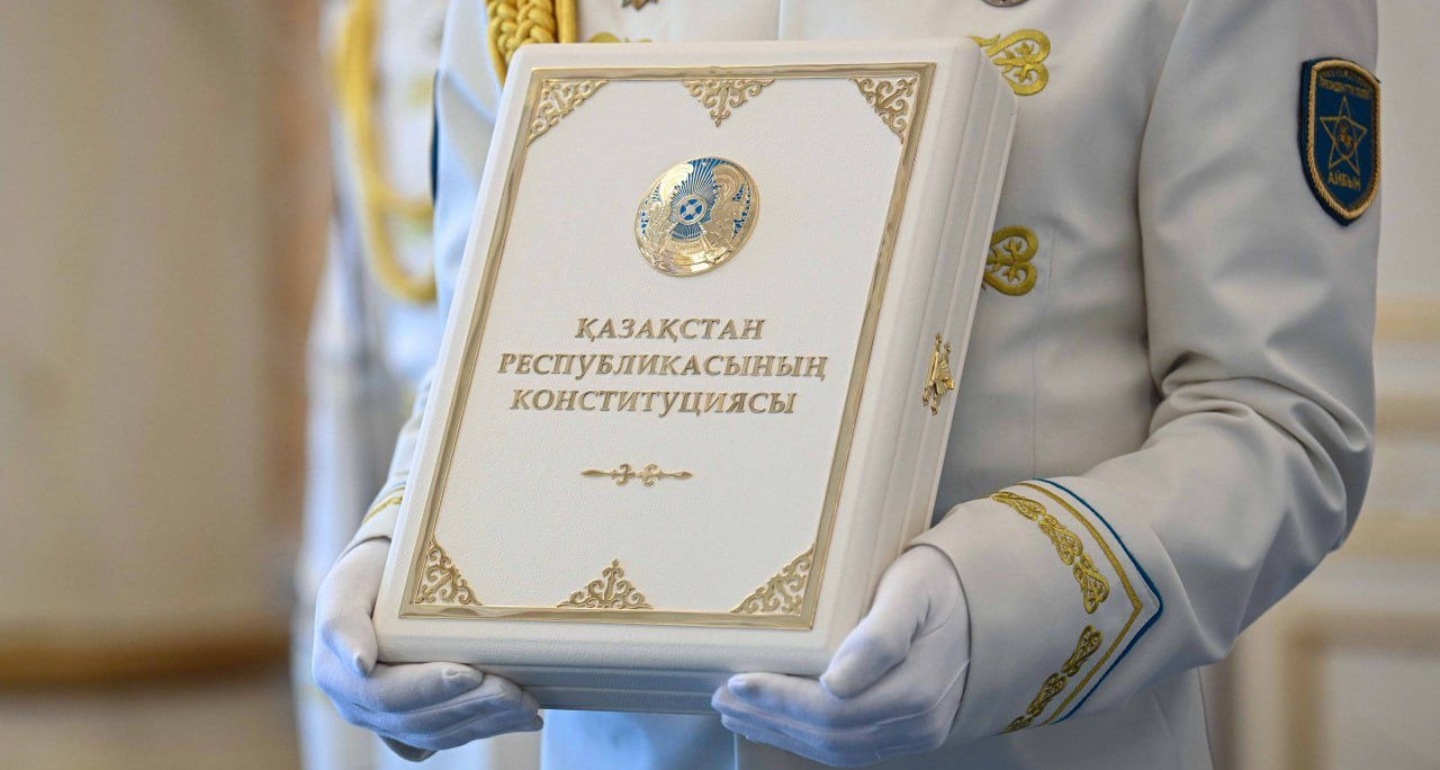
Tokayev’s predecessor, Nursultan Nazarbayev, outlined arrangements for a power transition too soon and in too much detail, ultimately losing control over the process. Tokayev is determined not to meet the same fate.

Temur Umarov

As the EU confronts profound challenges, several leaders have called for fundamental reform to the union’s model—but only modest, superficial changes have resulted. What if Europe really could be reimagined from zero today: What should such a redesigned European order look like?

Richard Youngs, ed.

Despite unhappiness on the ground, Moscow is determined to use both carrot and stick to ensure there is record support for United Russia in occupied Ukraine.

Konstantin Skorkin
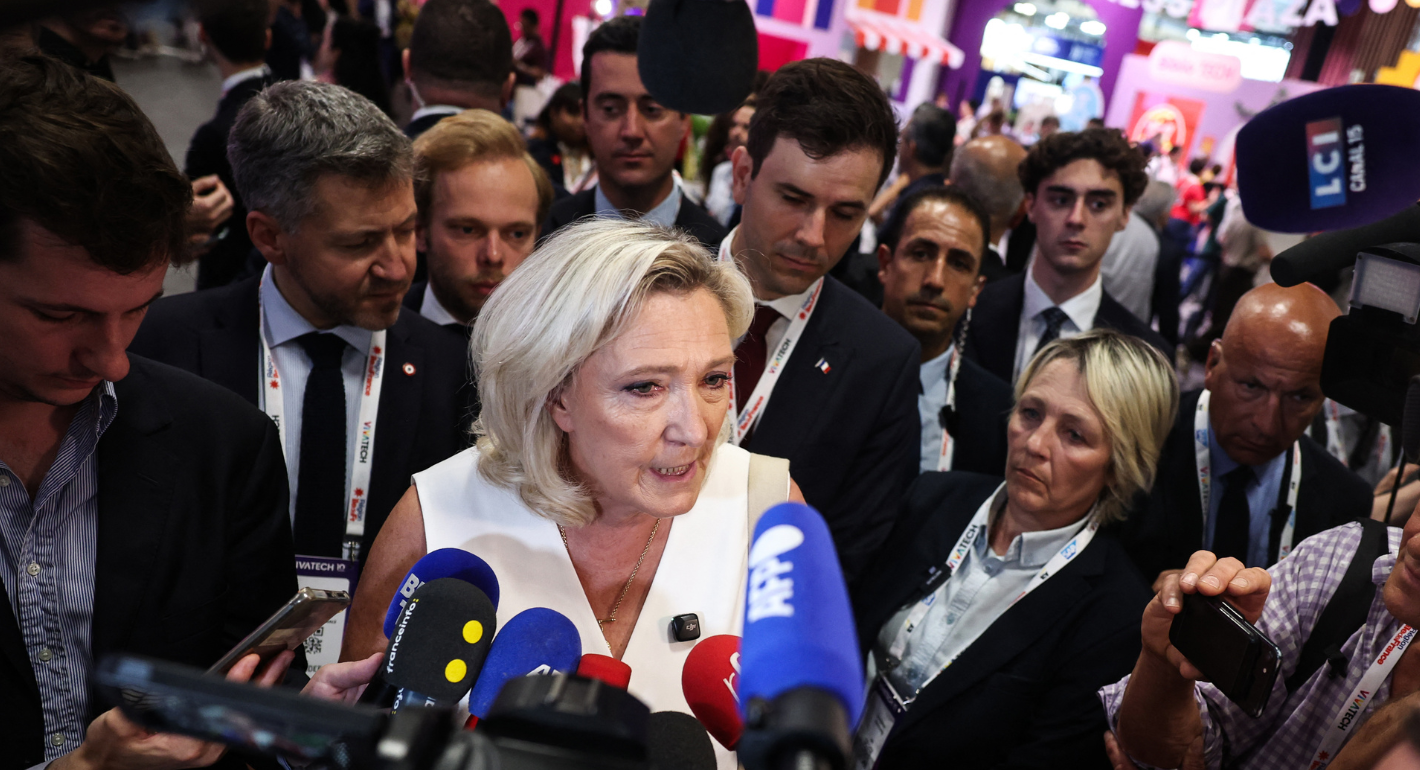
Far-right leader Marine Le Pen can—and will—run in France’s next presidential election. What does the outcome of her appeal against a 2025 embezzlement conviction mean for the country’s political future?
Catherine Fieschi