

Commentary
Neither the Abraham Accords nor the presence of large U.S. bases are enough to protect Arab Gulf states.
Marwan Muasher

REQUIRED IMAGE
Regional cooperation and discreet aid from the West are critical for countries to regain control of their territory and prevent al-Qaeda from gaining ground in Africa.
Lightly patrolled borders, sparsely populated areas, and recent terrorist activity raise fears that the Sahel is a fertile ground for jihadist movements, notably al-Qaeda in the Islamic Maghreb (AQIM). Regional cooperation and discreet aid from the West are critical for countries to regain control of their territory and prevent al-Qaeda from gaining ground in Africa, asserts a paper by Jean-Pierre Filiu.
“Mauritania, Mali, and Niger are among the world’s poorest states and will require international support to defuse AQIM’s momentum,” writes Filiu. “Algeria is right to push for regional cooperation to address the threat, and discreet aid from the West is crucial to help the Sahel countries regain control of their territory from al-Qaeda forces and prevent the terror group from taking hold in Africa.”
Jean-Pierre Filiu
Carnegie does not take institutional positions on public policy issues; the views represented herein are those of the author(s) and do not necessarily reflect the views of Carnegie, its staff, or its trustees.
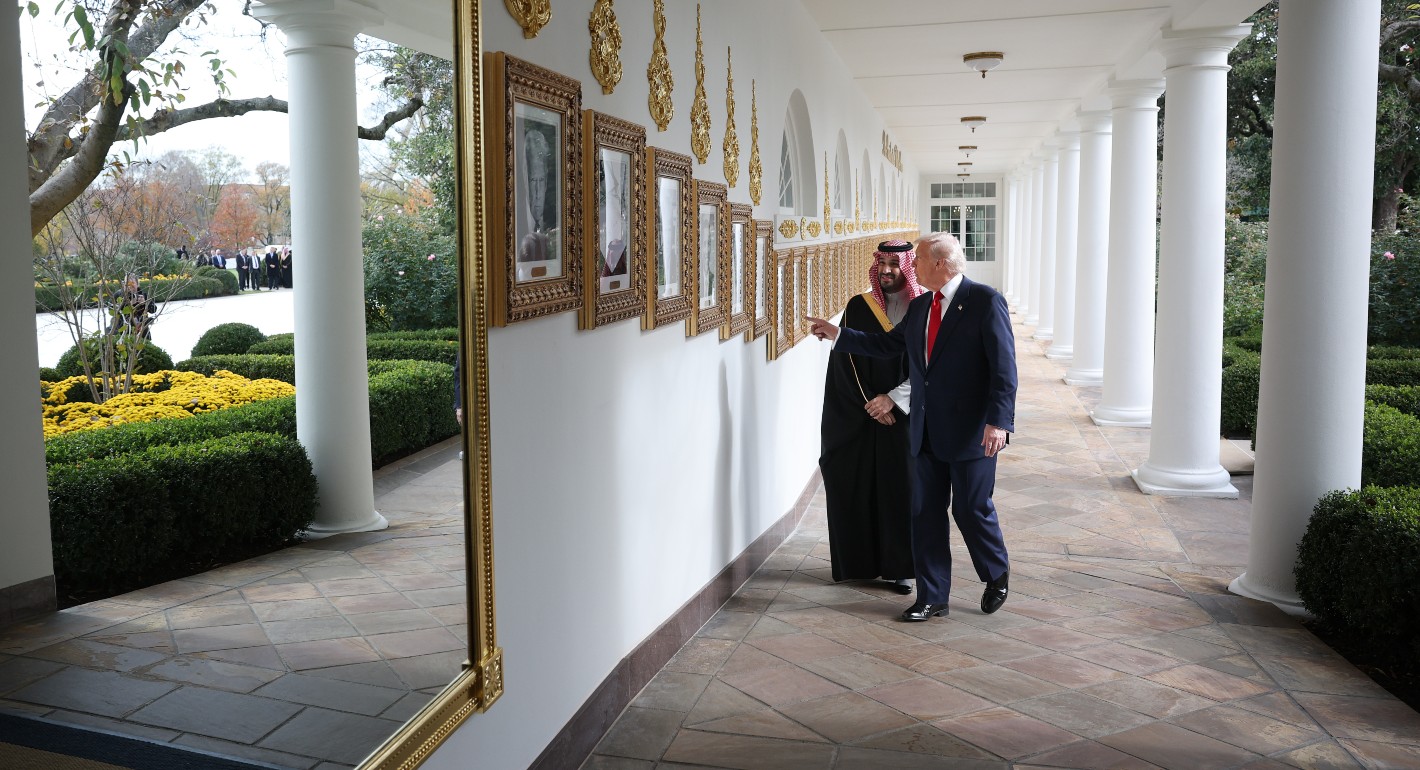
Neither the Abraham Accords nor the presence of large U.S. bases are enough to protect Arab Gulf states.

Marwan Muasher
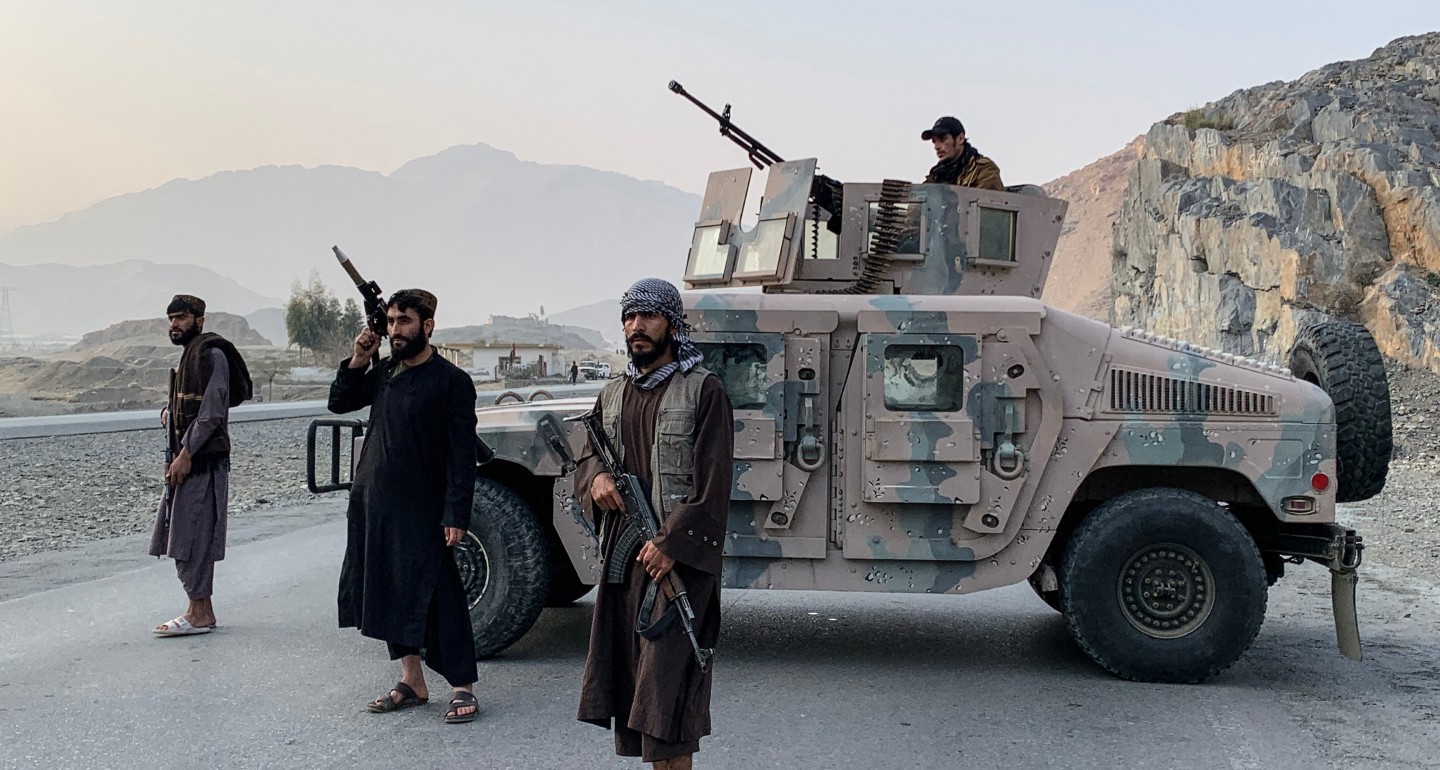
Not only does the fighting jeopardize regional security, it undermines Russian attempts to promote alternatives to the Western-dominated world order.

Ruslan Suleymanov

Assessing U.S. compliance with the international laws of war is essential at a time when these frameworks are already fraying.

Federica D’Alessandra

In key sectors such as critical minerals, specialty agriculture, and fintech, Africa can become a global powerhouse by investing more in manufacturing, value-add, and scaling.

Kholofelo Kugler, Georgia Schaefer-Brown
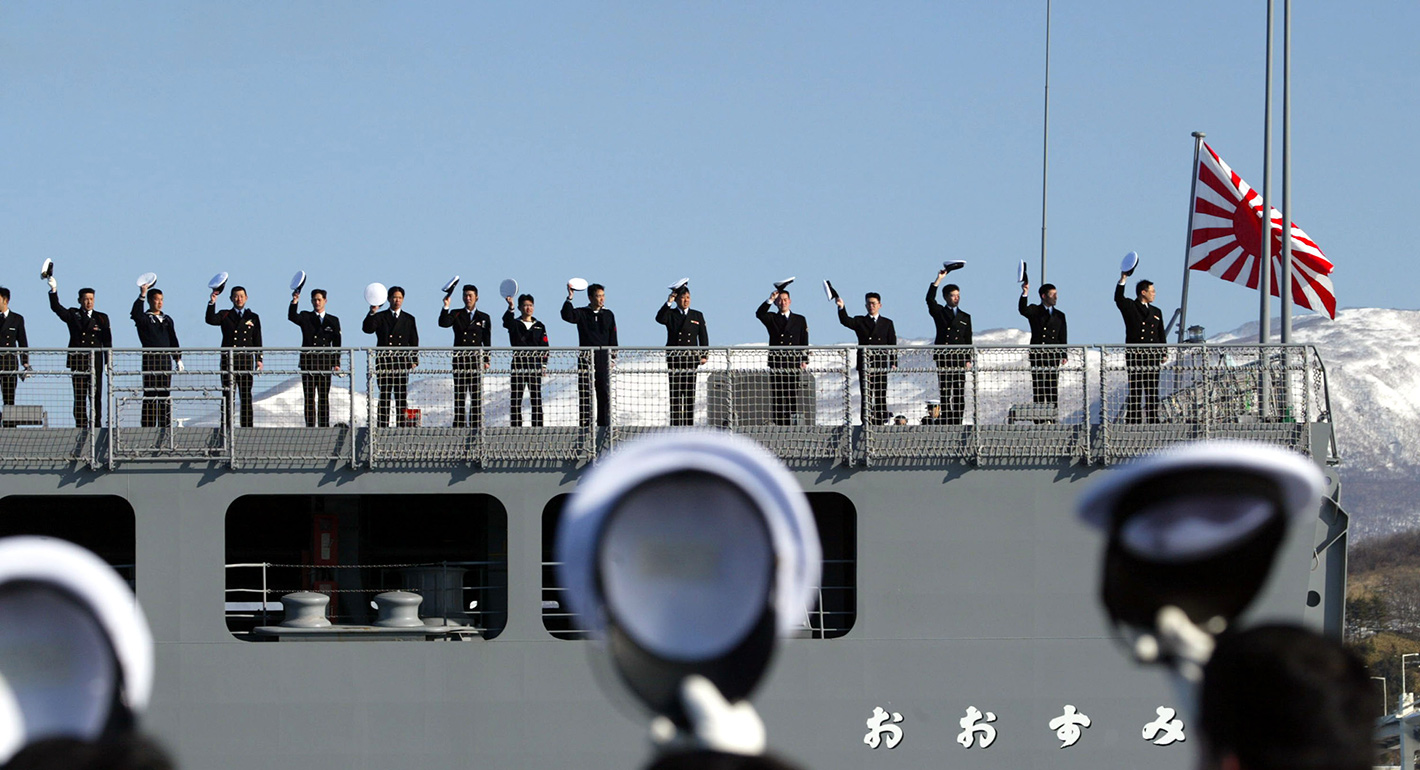
Japan’s response to U.S. pressure over Hormuz highlights a broader dilemma: How to preserve the alliance while remaining bound by legal limits, public opinion, and an Asia-centered security agenda. Tokyo gained diplomatic space through an alliance-embracing strategy, but only under conditions that may not endure.

Ryo Sahashi