

Paper
Paul Salem
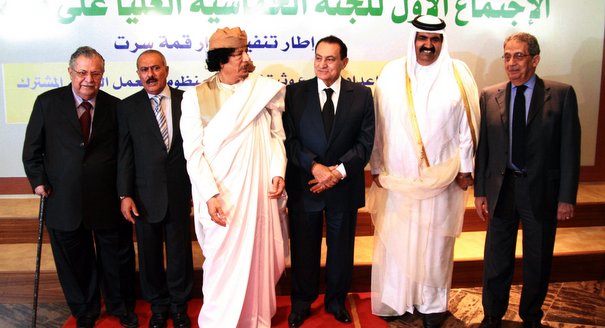
Source: Getty
A formal framework for communication and cooperation in the eastern Middle East could reduce the risks of conflict and encourage stability and economic development in this tense but critical location.
As the United States withdraws its forces from Iraq, there will be competition for regional influence by states in the eastern Middle East, including Turkey, Iran, Syria, Iraq, Saudi Arabia, and the rest of the Gulf countries. A formal framework for communication and cooperation—similar to the Organization for Security and Co-operation in Europe—could reduce the risks of conflict and encourage stability and economic development in this tense but critical location, according to a paper by Paul Salem.
“There are escalating tensions in the eastern Middle East today, but this is precisely why the region’s leaders should increase their communication and interaction,” writes Salem. “Even in the context of unresolved threats, working toward such a framework is possible and necessary. The Helsinki Process and the OSCE were launched during the Cold War to build trust and cooperation in the context of mistrust and mutually perceived threats.”
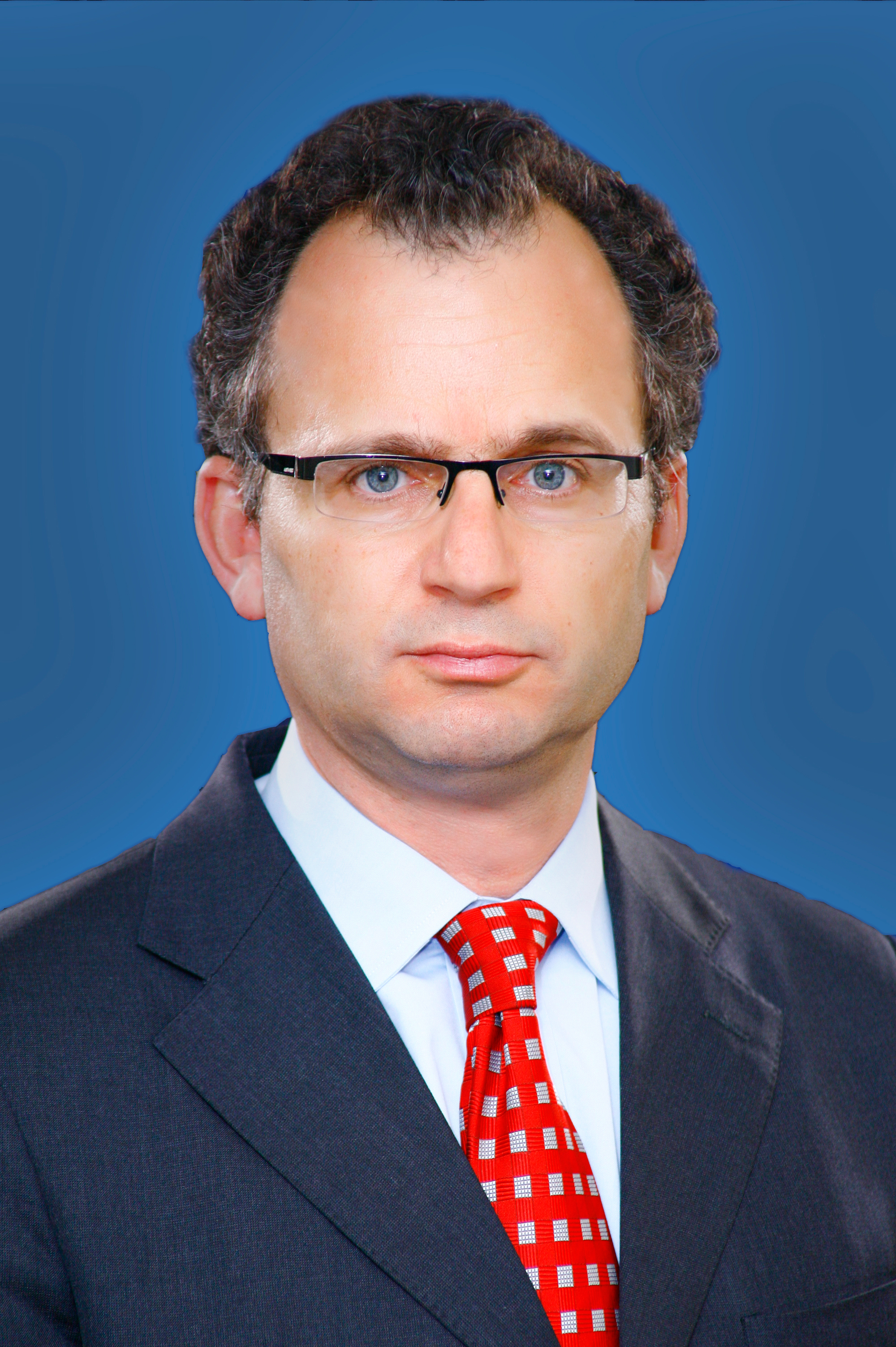
Senior Fellow at the Middle East Institute
Paul Salem is a senior fellow at the Middle East Institute.
Recent Work
Paul Salem
Paul Salem
Carnegie does not take institutional positions on public policy issues; the views represented herein are those of the author(s) and do not necessarily reflect the views of Carnegie, its staff, or its trustees.
Neither the Abraham Accords nor the presence of large U.S. bases are enough to protect Arab Gulf states.

Marwan Muasher
Not only does the fighting jeopardize regional security, it undermines Russian attempts to promote alternatives to the Western-dominated world order.

Ruslan Suleymanov
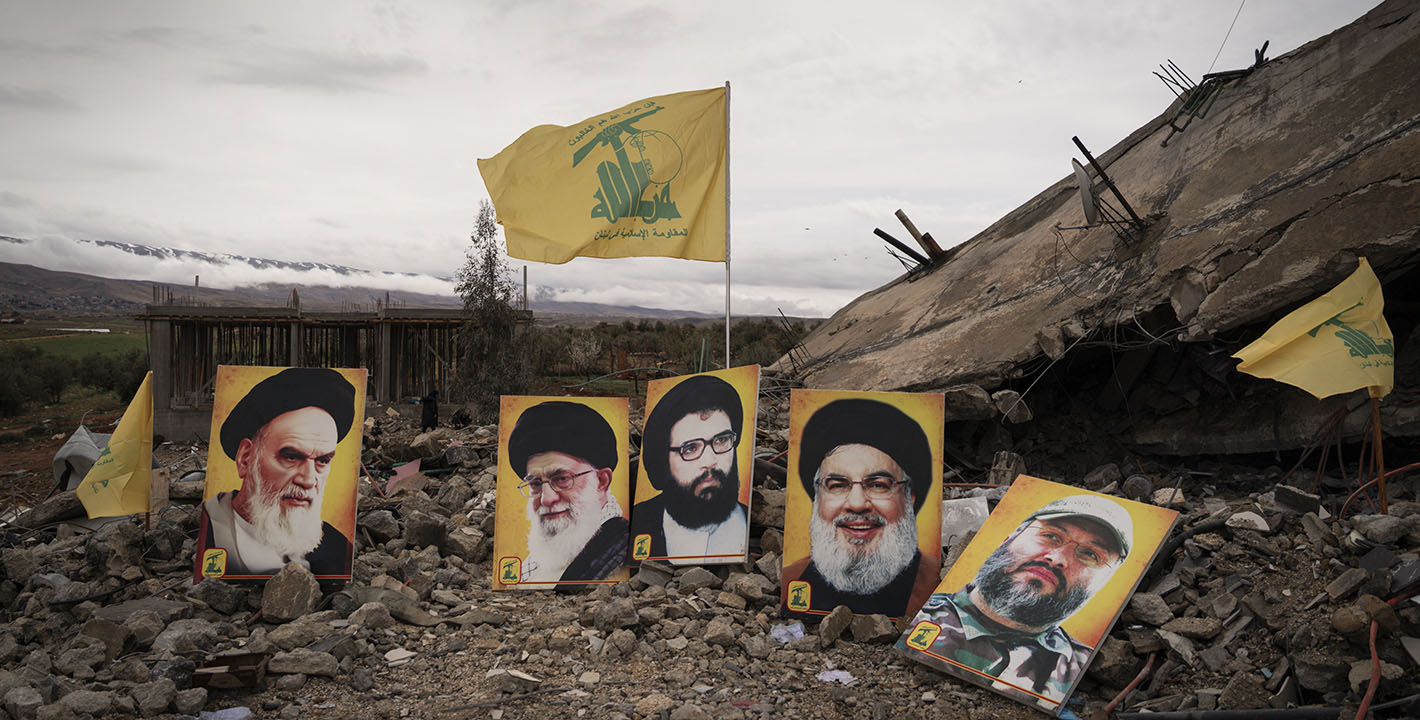
The party’s objectives involve tying together the Lebanese and Iranian fronts, while surviving militarily and politically at home.
Mohamad Fawaz
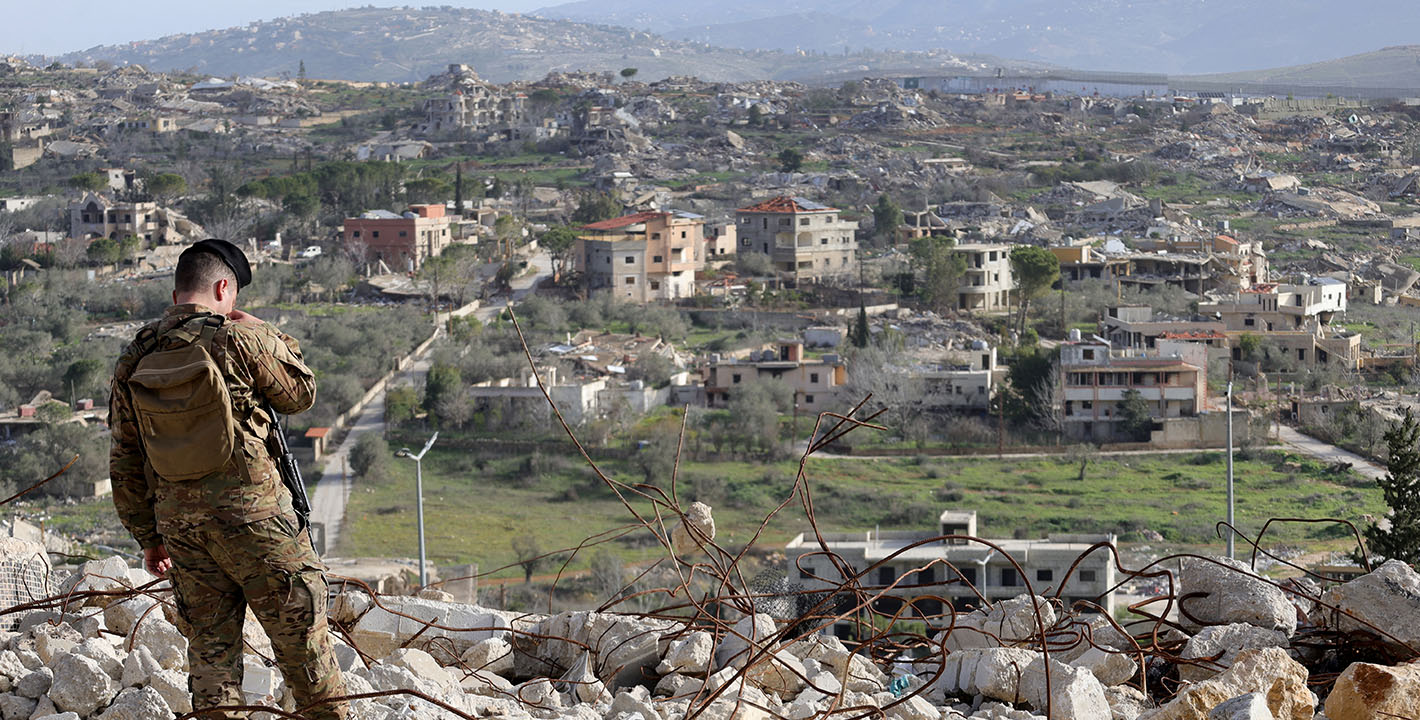
While armed forces commander Rudolph Haykal’s caution is understandable, he is in a position to act, and must.

Michael Young
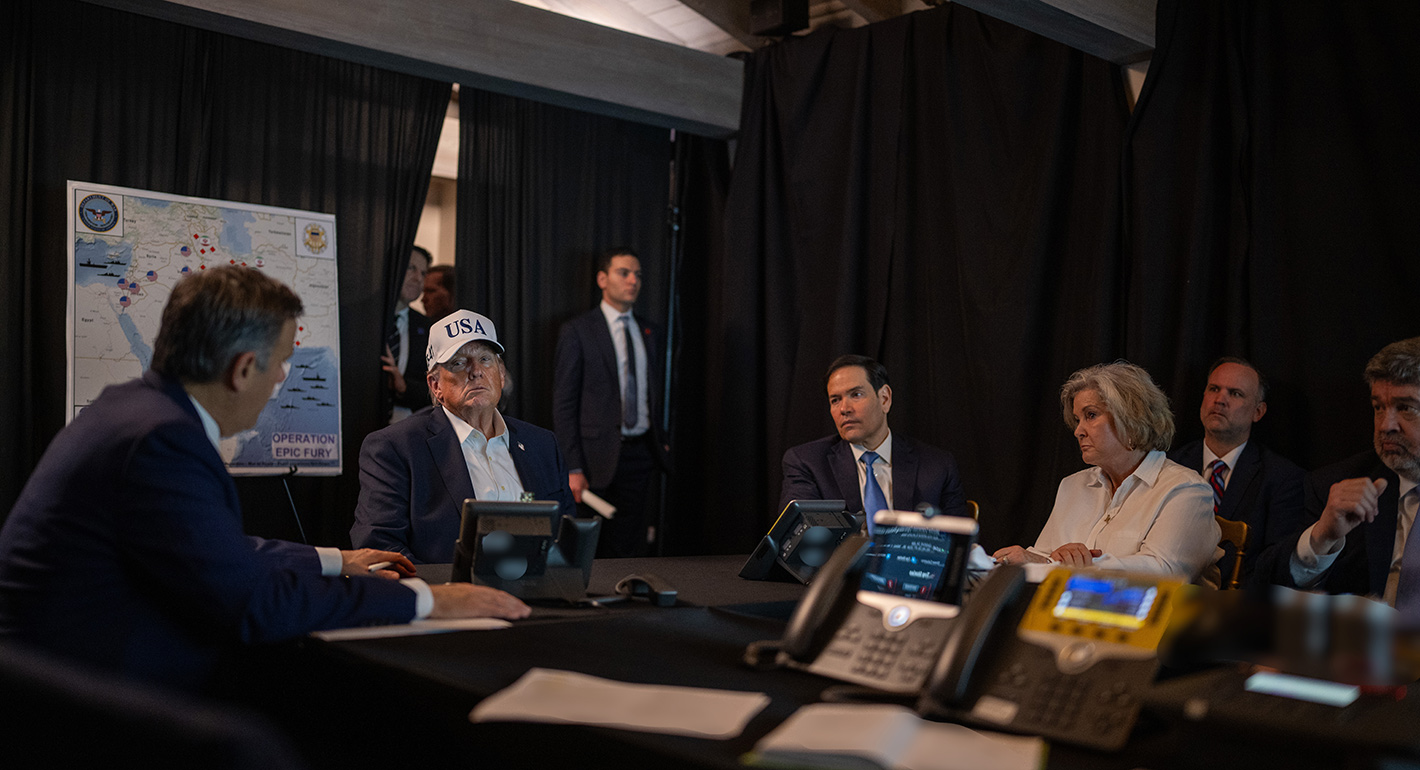
Assessing U.S. compliance with the international laws of war is essential at a time when these frameworks are already fraying.
Federica D’Alessandra