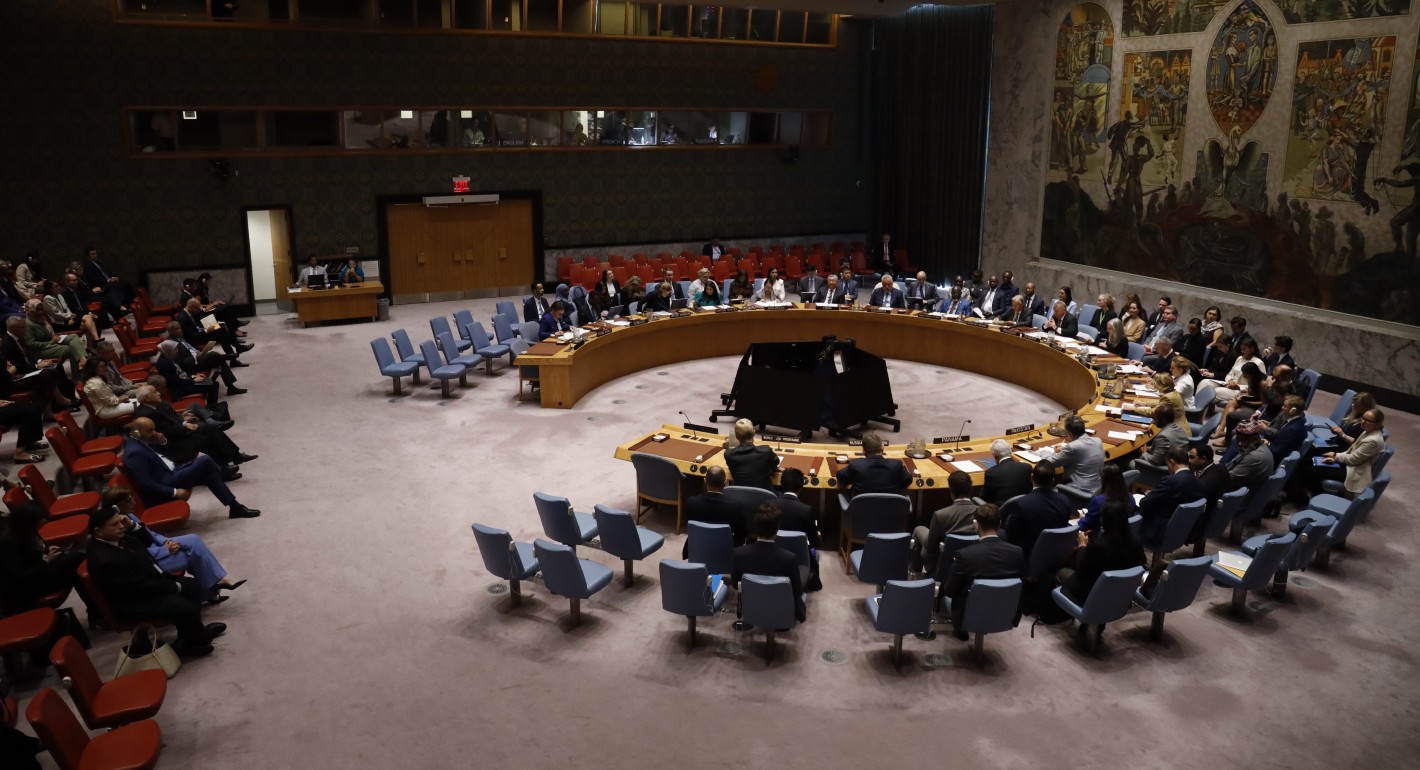

Senior climate, finance, and mobility experts discuss how the Fund for Responding to Loss and Damage could unlock financing for climate mobility.
Alejandro Martin Rodriguez
Consumption of natural gas is growing rapidly and now accounts for nearly one-quarter of the world’s energy supply. While natural gas is relatively clean compared to crude oil and coal, its ability to assume a greater role in meeting the world’s growing energy demands will depend largely on price.
In a new report, Anthony J. Melling analyzes the two competing price mechanisms for natural gas: the dominant practice of linking gas prices to oil prices and a second model based on competitive market prices. Although Europe—which uses both mechanisms—is now the battleground in the natural gas pricing war, its effects will likely be felt worldwide.
“The price of gas in Europe—and the mechanism used to determine it—will not only impact European companies and customers, but also have profound implications for energy markets around the world,” writes Carnegie’s Adnan Vatansever in the foreword. “Energy security, geopolitics, and the shift to greener forms of fuel that will be critical for combating climate change will also depend on how gas pricing evolves.”
Carnegie does not take institutional positions on public policy issues; the views represented herein are those of the author(s) and do not necessarily reflect the views of Carnegie, its staff, or its trustees.
Senior climate, finance, and mobility experts discuss how the Fund for Responding to Loss and Damage could unlock financing for climate mobility.
Alejandro Martin Rodriguez
Regional free movement agreements, like that of the Organisation of Eastern Caribbean States, offer unique potential to address the human mobility challenges posed by the climate crisis.
Liliana Gamboa, Debbra Goh
Geological complexity and years of mismanagement mean the Venezuelan oil industry is not the big prize officials in Moscow and Washington appear to believe.
Sergey Vakulenko
With the Fund for Responding to Loss and Damage scheduled to make its first distribution in 2026, countries and members of the fund’s board have an opportunity to prioritize human mobility.
Shana Tabak, Alejandro Martin Rodriguez
Understanding and shaping the links between the local and global is a matter of storytelling.
Ian Klaus