• Research
  • Emissary
  • About
  • Experts
Carnegie Global logoCarnegie lettermark logo
DemocracyIran
  • Donate
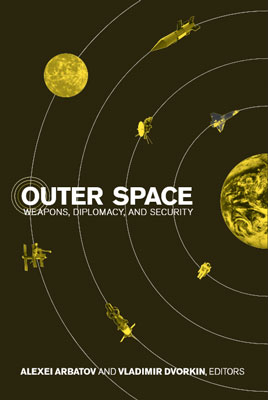
Outer Space: Weapons, Diplomacy, and Security
Book

Outer Space: Weapons, Diplomacy, and Security

In this global era, the world faces a host of security challenges which cannot be resolved by any one nation, especially through the unilateral use of military force. One key issue that requires urgent international attention is the military use of outer space.

Link Copied
By Alexey Arbatov and Vladimir Dvorkin
Published on Nov 8, 2010

Additional Links

Free Limited PreviewPaperback - $19.95Hardback - $49.95
Program mobile hero image

Program

Nuclear Policy

The Nuclear Policy Program aims to reduce the risk of nuclear war. Our experts diagnose acute risks stemming from technical and geopolitical developments, generate pragmatic solutions, and use our global network to advance risk-reduction policies. Our work covers deterrence, disarmament, arms control, nonproliferation, and nuclear energy.

Learn More

Source: Washington

In this global era, the world faces a host of security challenges—from the proliferation of weapons of mass destruction to international terrorism to accelerating climate change to energy security—which cannot be resolved by any one nation, especially through the unilateral use of military force. One key issue that requires urgent global attention is literally “out of this world”: the military use of outer space.

This collection of essays by leading Russian experts analyzes how many countries are using outer space for military purposes. Adapted from the Russian version, Outer Space: Weapons, Diplomacy, and Security describes the space weapons programs of various countries. It details the history of negotiations to prevent, or at least control, the weaponization of space, including analyses of the political, military, technical, and legal problems facing negotiators trying to avoid a catastrophic new space race.

Download a free limited preview.

Advance Praise

"As the globalization of economic, political, military, and technological development expands the realm of activity in outer space, this volume provides a compelling road map on how to avoid future conflicts in a critical arena."
  —Jessica T. Mathews, President, Carnegie Endowment for International Peace

About the Authors

Alexey Arbatov

Alexey Arbatov is the head of the Center for International Security at the Primakov National Research Institute of World Economy and International Relations.

Vladimir Dvorkin

Major General Dvorkin (retired) is a chief researcher at the Center for International Security at the Institute of World Economy and International Relations.

Authors

Alexey Arbatov

Alexey Arbatov is the head of the Center for International Security at the Primakov National Research Institute of World Economy and International Relations.

Alexey Arbatov
Vladimir Dvorkin

Major General Dvorkin (retired) is a chief researcher at the Center for International Security at the Institute of World Economy and International Relations.

CaucasusRussiaSecurityMilitaryNuclear Policy

Carnegie does not take institutional positions on public policy issues; the views represented herein are those of the author(s) and do not necessarily reflect the views of Carnegie, its staff, or its trustees.

More Work from Carnegie Endowment for International Peace

  • Commentary
    Carnegie Politika
    Is Opposition to Online Restrictions an Inflection Point for the Russian Regime?

    After four years of war, there is no one who can stand up to the security establishment, and President Vladimir Putin is increasingly passive. 

      Tatiana Stanovaya
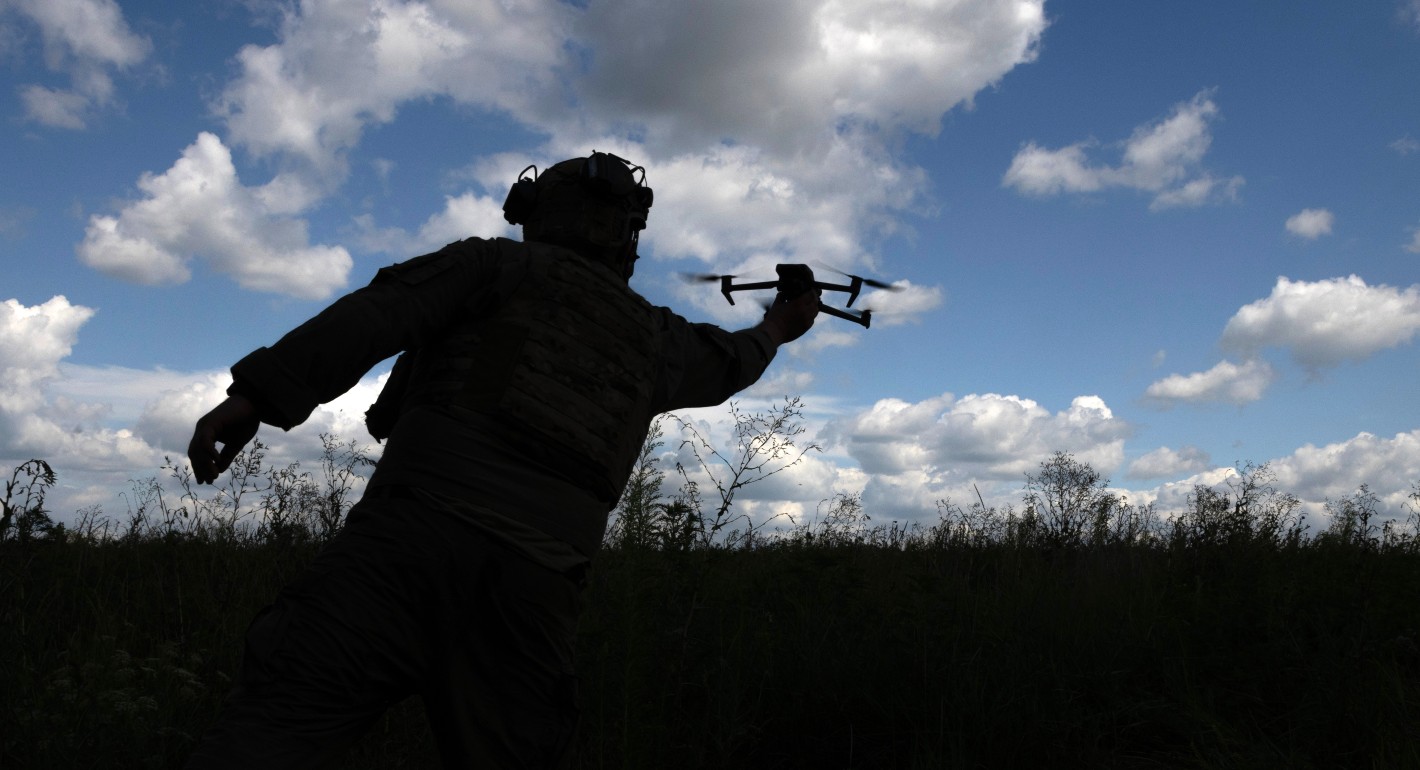
  • A shadow man holds a shadow drone against a blue sky with clouds.
    Article
    The New Revolution in Military Affairs

    How Ukraine is driving doctrinal change in modern warfare.

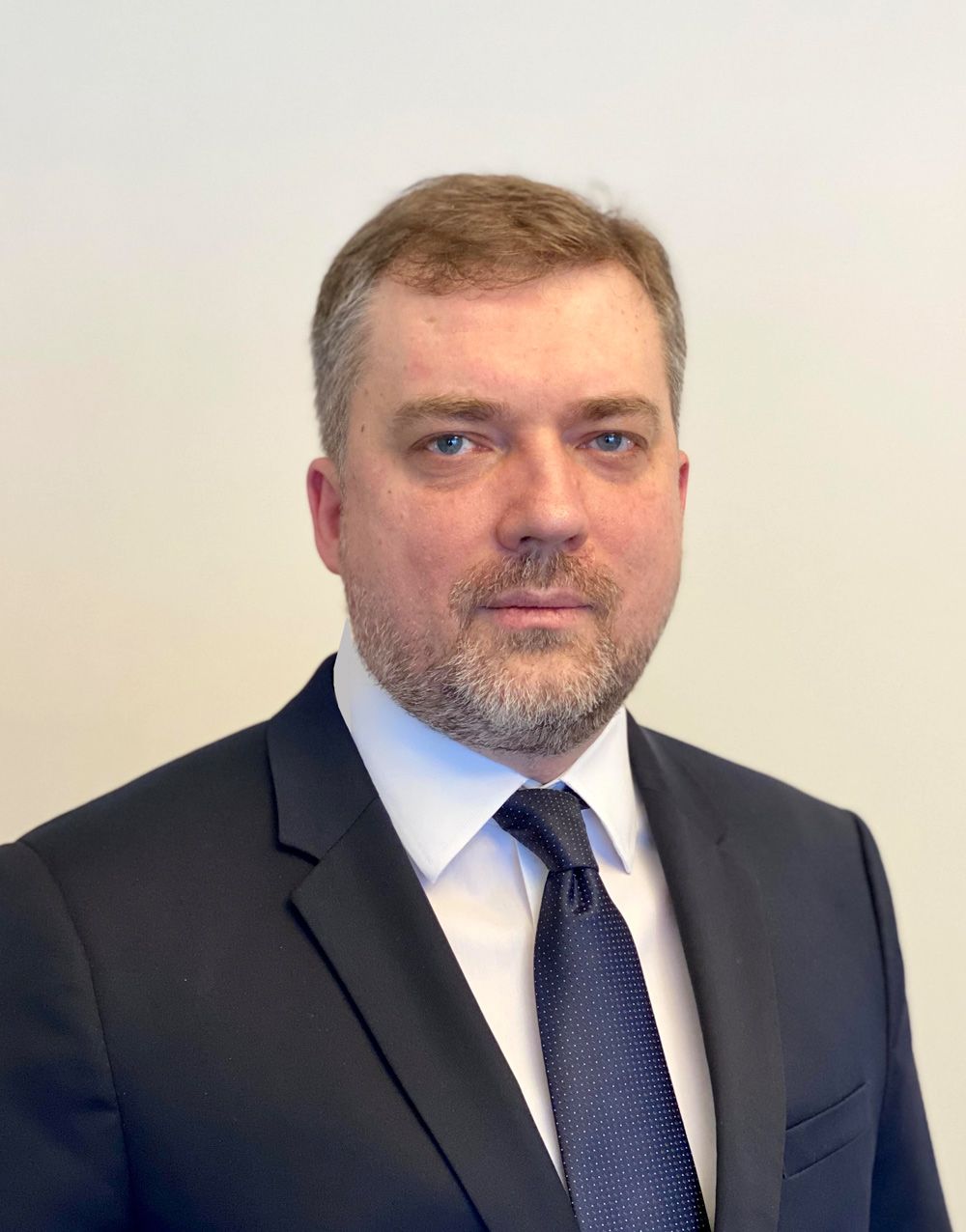
      • Andriy Zagorodnyuk

      Andriy Zagorodnyuk

  • Commentary
    Carnegie Politika
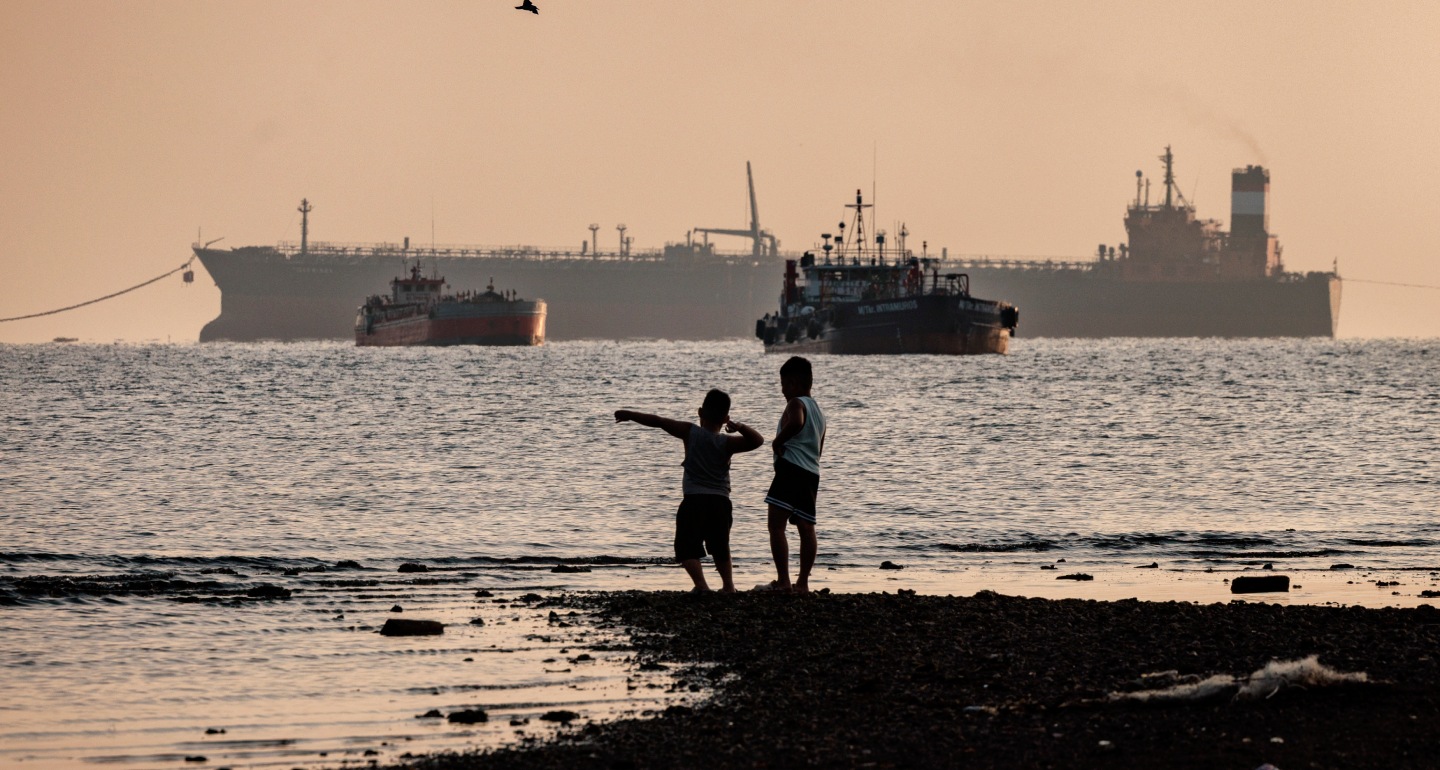
    What’s Having More Impact on Russian Oil Export Revenues: Ukrainian Strikes or Rising Prices?

    Although Ukrainian strikes have led to a noticeable decline in the physical volume of Russian oil exports, the rise in prices has more than made up for it.

      • Sergey Vakulenko

      Sergey Vakulenko

  • Commentary
    Carnegie Politika
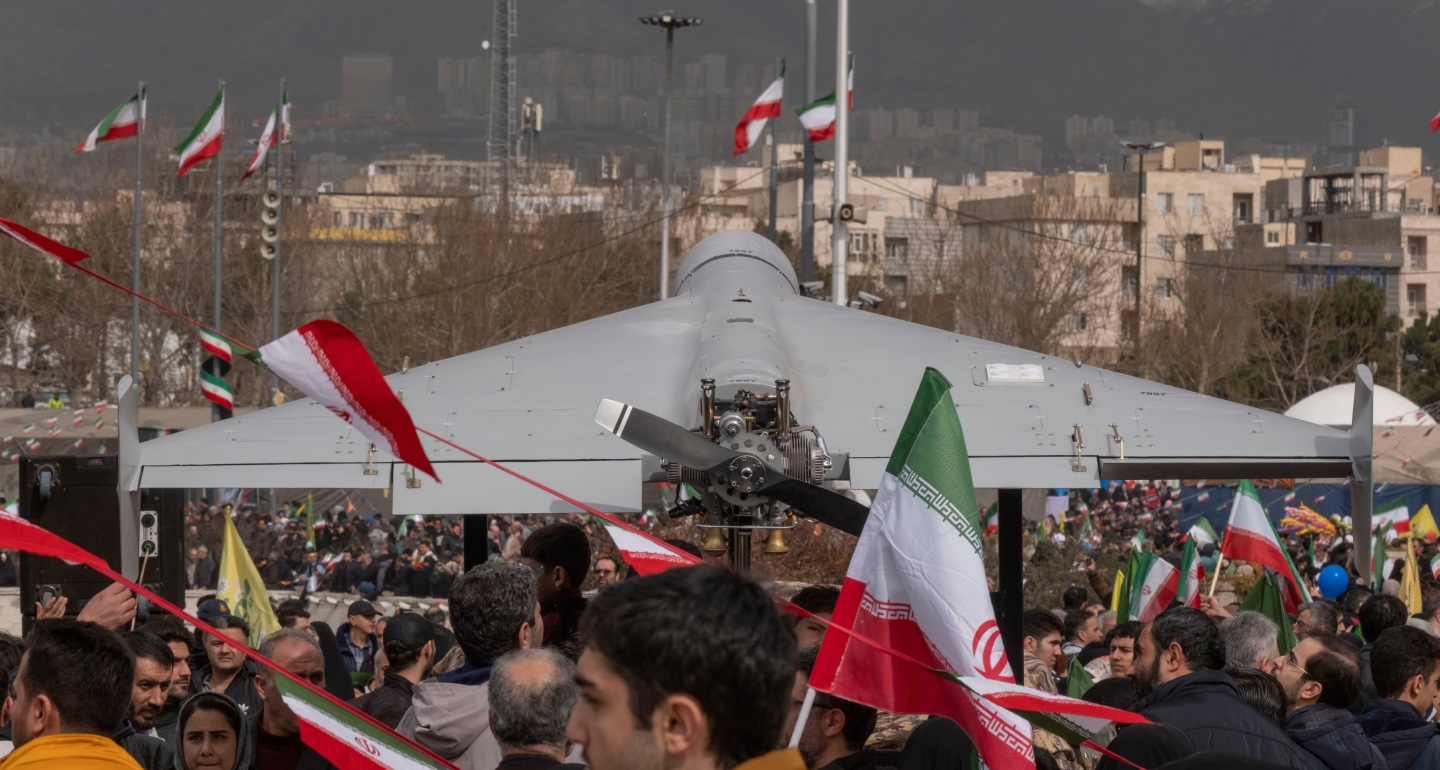
    Russia Is Meddling for Meddling’s Sake in the Middle East

    The Russian leadership wants to avoid a dangerous precedent in which it is squeezed out of Iran by the United States and Israel—and left powerless to respond in any meaningful way.

      Nikita Smagin

  • Man speaking into two mics
    Commentary
    Emissary
    Three Scenarios for the Gulf States After the Iran War

    One is hopeful. One is realistic. One is cautionary.

      • Andrew Leber

      Andrew Leber, Sam Worby

Get more news and analysis from
Carnegie Endowment for International Peace

Carnegie global logo, stacked
1779 Massachusetts Avenue NWWashington, DC, 20036-2103Phone: 202 483 7600Fax: 202 483 1840
  • Research
  • Emissary
  • About
  • Experts
  • Donate
  • Programs
  • Events
  • Blogs
  • Podcasts
  • Contact
  • Annual Reports
  • Careers
  • Privacy
  • For Media
  • Government Resources
Get more news and analysis from
Carnegie Endowment for International Peace
© 2026 Carnegie Endowment for International Peace. All rights reserved.