

Commentary
The books, podcasts, and films that explain the world it made.
Andrew Leber

Source: Getty
On its twentieth anniversary, the Nunn-Lugar Cooperative Threat Reduction Program remains an important tool for international cooperation to reduce nuclear dangers, but there remain some tough questions about the continued viability of the model.
December 12 marks the twentieth anniversary of one of the most innovative and important nonproliferation initiatives of the post-Cold War period: the Nunn-Lugar Cooperative Threat Reduction (CTR) Program. The disintegration of the former Soviet nuclear security apparatus did not result in a major nuclear catastrophe as many experts worried, and CTR is clearly due a significant share of the credit. It has been one of the most successful “whole-of-government” responses to a potentially cataclysmic threat. It remains an important tool today for international cooperation to reduce nuclear dangers, but some tough questions about the continued viability of the model loom.
The CTR program suffered a rough start both in the United States and Russia. In Washington, legislators agreed that the threat of nuclear collapse in the disintegrating Soviet Union was real, but they questioned the imminence of the threat. Many Nunn-Lugar critics in Congress argued that channeling nonproliferation assistance to Russia would simply free up Russian resources for modernizing its nuclear forces. Meanwhile, lawmakers in Moscow also had suspicions about the motives behind CTR and understandably worried about letting the United States anywhere near their nuclear arsenal. And skeptical bureaucrats on both sides, still recovering from their Cold War modus operandi, had trouble accepting an innovative initiative such as CTR. The initial obstacles and subsequent implementation problems rooted in bureaucratic politics and lack of trust made CTR’s eventual achievements even more impressive.
The most important CTR contribution to international security is the non-nuclear status of three post-Soviet republics – Belarus, Kazakhstan, and Ukraine. When the Soviet Union collapsed, all three states had nuclear weapons on their territories, and the fate of these weapons was far from certain. While CTR was not the sole or even the primary factor to lead all three republics toward denuclearization, it was a critical tool for making it happen. CTR paid for removal and dismantlement of nuclear weapons and all weapons-related infrastructure in all three states.
CTR also significantly reduced proliferation threats stemming from Russia and other post-Soviet states. It assisted Russia with meeting its obligations under START by providing equipment for dismantlement of submarines, bombers, and missiles. CTR programs secured thousands of tons of vulnerable nuclear material, strengthened physical security of scores of nuclear facilities, and enhanced detection capabilities at borders to prevent nuclear material smuggling. Several CTR offshoot programs also engaged thousands of former weapons scientists in civilian projects aimed at preventing “brain-drain” of Soviet scientists to states looking to develop nuclear weapons.
Despite these successes and the acceptance of CTR by Russia and other former Soviet states, the program has suffered growing pains. In part, it has never managed to escape questions from skeptical members of Congress that it is anything more than foreign aid in fancy clothes. In order to demonstrate success, U.S. agencies were pushed to develop metrics for some programs that confused outputs and outcomes. Now, amid the deficit/debt crises in the United States and Europe, funding will diminish and these programs will inevitably contract.
As the mission has evolved beyond destroying delivery vehicles, securing fissile material, and redirecting weapons scientists, some CTR elements appear to be solutions in search of problems. Agencies now look for new countries or new threats against which to apply existing capabilities. Such countries or threats may exist, but current programs as designed for the former Soviet states may not suit them well. Just as Tolstoy observed that each unhappy family is unhappy in its own way, countries with nuclear weapons have unique pathologies. Efforts to mitigate nuclear or other WMD threats effectively in these countries therefore must be customized to each case.
Celebrating twenty years of Nunn-Lugar success is appropriate, but serious thought will be required to guide CTR past major conceptual hurdles going forward.

Former Nonresident Fellow, Nuclear Policy Program
Kassenova was a nonresident fellow in the Nuclear Policy Program at the Carnegie Endowment.

Senior Fellow and Co-director, Nuclear Policy Program
Toby Dalton is a senior fellow and co-director of the Nuclear Policy Program at the Carnegie Endowment. An expert on nonproliferation and nuclear energy, his work addresses regional security challenges and the evolution of the global nuclear order.
Carnegie does not take institutional positions on public policy issues; the views represented herein are those of the author(s) and do not necessarily reflect the views of Carnegie, its staff, or its trustees.

The books, podcasts, and films that explain the world it made.

Andrew Leber

Blurring the line between humans and animals is a long-standing tradition in social utopian prose. In his latest novel, Leonid Bershidsky reminds us that in social experiments, people are often treated no differently than animals.

Alexander Baunov

U.S. trading partners in Asia are closely watching the dispute for signs of how it may affect their own interests.

Barbara Weisel
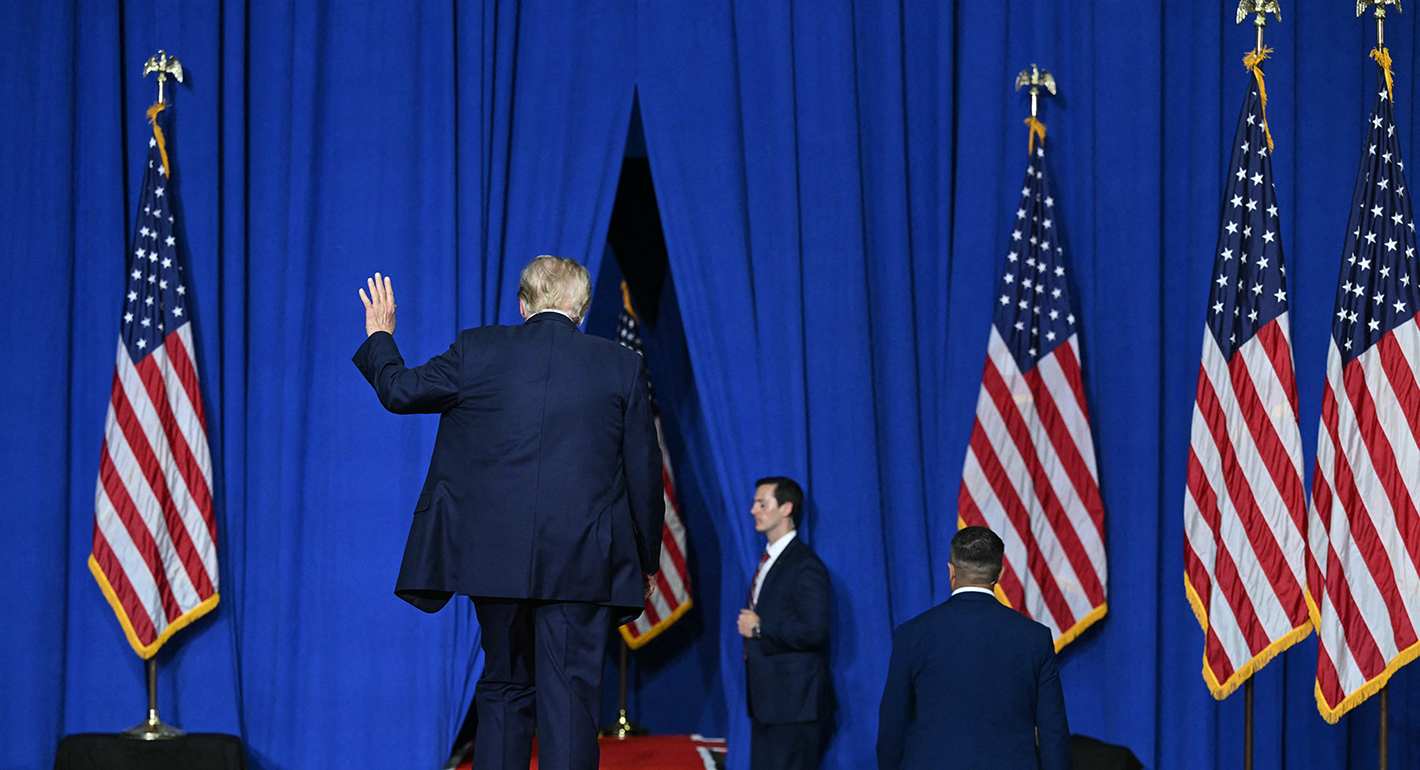
By abandoning past U.S. pro-democracy policies and adopting several lines of pro-autocratic action, the Trump administration has fundamentally repositioned the United States vis-à-vis democracy in the world.

Thomas Carothers
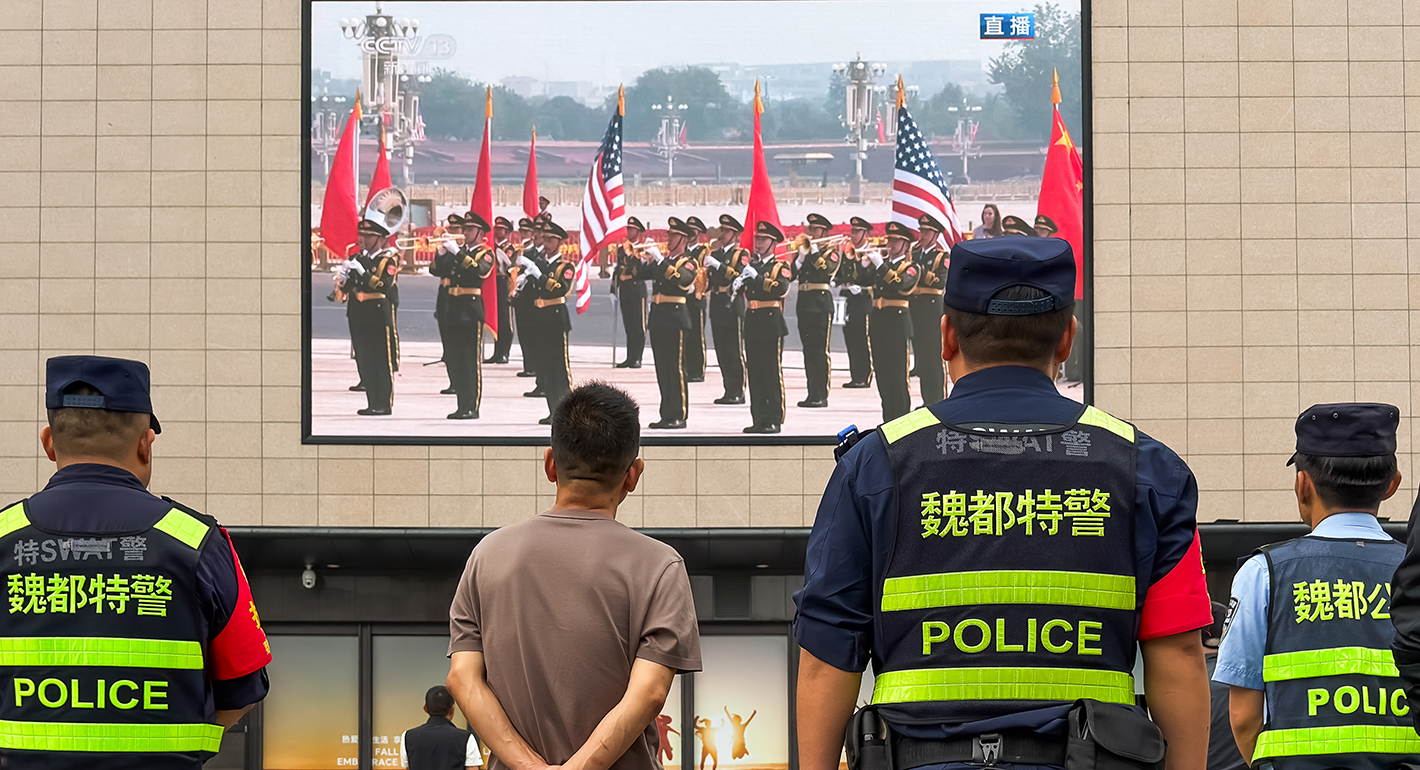
Chinese strategists are once again debating whether American power is declining and whether U.S. hegemony is experiencing irreversible decay.
Wu Xinbo