• Research
  • Emissary
  • About
  • Experts
Carnegie Global logoCarnegie lettermark logo
DemocracyIran
  • Donate
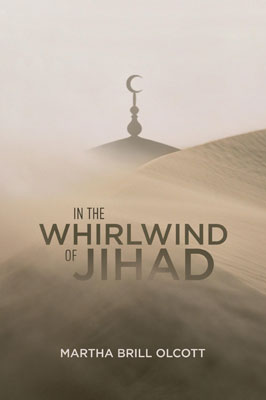
In the Whirlwind of Jihad
Book

In the Whirlwind of Jihad

In Uzbekistan, Central Asia’s most populous country, Islam has been an ever-present factor in the lives of its people and a contentious force for political officials trying to build a secular government.

Link Copied
By Martha Brill Olcott
Published on Jul 17, 2012

Additional Links

Hardback - $49.95Nook - $10.39Paperback - $19.95Kindle - $9.99iTunes - $9.99
Program mobile hero image

Program

Russia and Eurasia

The Russia and Eurasia Program continues Carnegie’s long tradition of independent research on major political, societal, and security trends in and U.S. policy toward a region that has been upended by Russia’s war against Ukraine.  Leaders regularly turn to our work for clear-eyed, relevant analyses on the region to inform their policy decisions.

Learn More
Project hero Image

Project

Eurasia in Transition

Learn More

Source: Washington

In Uzbekistan, Central Asia’s most populous country, Islam has been an ever-present factor in the lives of its people and a contentious force for political officials trying to build a secular government.

In the Whirlwind of Jihad examines the intertwined and evolving relationships between religion, the state, and society in Uzbekistan from the late 1980s to today, encompassing the period from the collapse of the Soviet Union to the launch of the U.S.-led “war on terror” in neighboring Afghanistan. Martha Brill Olcott, the foremost expert on Central Asia, concludes that in an era of global communication and increased contact with international Islamic communities, a new role for Islam in Uzbekistan will ultimately emerge with implications beyond the country’s borders.

About the Author

Martha Brill Olcott

Former Senior Associate, Russia and Eurasia Program and, Co-director, al-Farabi Carnegie Program on Central Asia

Olcott is professor emerita at Colgate University, having taught political science there from 1974 to 2002. Prior to her work at the endowment, Olcott served as a special consultant to former secretary of state Lawrence Eagleburger.

    Recent Work

  • In The Media
    After Crimea: Will Kazakhstan be Next in Putin’s Reintegration Project?

      Martha Brill Olcott

  • Article
    China’s Unmatched Influence in Central Asia

      Martha Brill Olcott

Martha Brill Olcott
Former Senior Associate, Russia and Eurasia Program and, Co-director, al-Farabi Carnegie Program on Central Asia
Martha Brill Olcott
Central AsiaUzbekistanCaucasusForeign Policy

Carnegie does not take institutional positions on public policy issues; the views represented herein are those of the author(s) and do not necessarily reflect the views of Carnegie, its staff, or its trustees.

More Work from Carnegie Endowment for International Peace

  • Pashinyan shaking hands
    Commentary
    Emissary
    At Stake in Armenia’s Election: Peace and Russian Influence

    Regardless of the outcome, there’s another path to ensuring that progress doesn’t stall.

      Zaur Shiriyev

  • Commentary
    Emissary
    Trump and Xi Are Angling for Three Years of Stability

    But their "principal to principal" model will only be as effective as the political strength of each leader back home.

      • Damien Ma

      Damien Ma

  • Recruit polices vow as they join in the police at Beijing Public Security Bureau on February 18, 2011 in Beijing, China. (
    Paper
    China’s Police and Security Cooperation Agreements

    China’s Ministry of Public Security is often portrayed as a domestic law enforcement agency, but it is also a global security actor. This paper explores how MPS has used international law enforcement and security cooperation agreements—over 200 since 2006—to advance China’s vision of security in a changing global environment.  

      • Sheena Chestnut Greitens

      Sophie Zhuang, Sheena Chestnut Greitens, Cameron Waltz

  • Commentary
    Carnegie Politika
    Could Migrants From India and Africa Solve Russia’s Labor Shortage?

    The demands of the Kremlin’s war in Ukraine, demographic problems, and public hostility toward Central Asians mean Russia does not have enough workers.  
      Salavat Abylkalikov
  • Commentary
    Strategic Europe
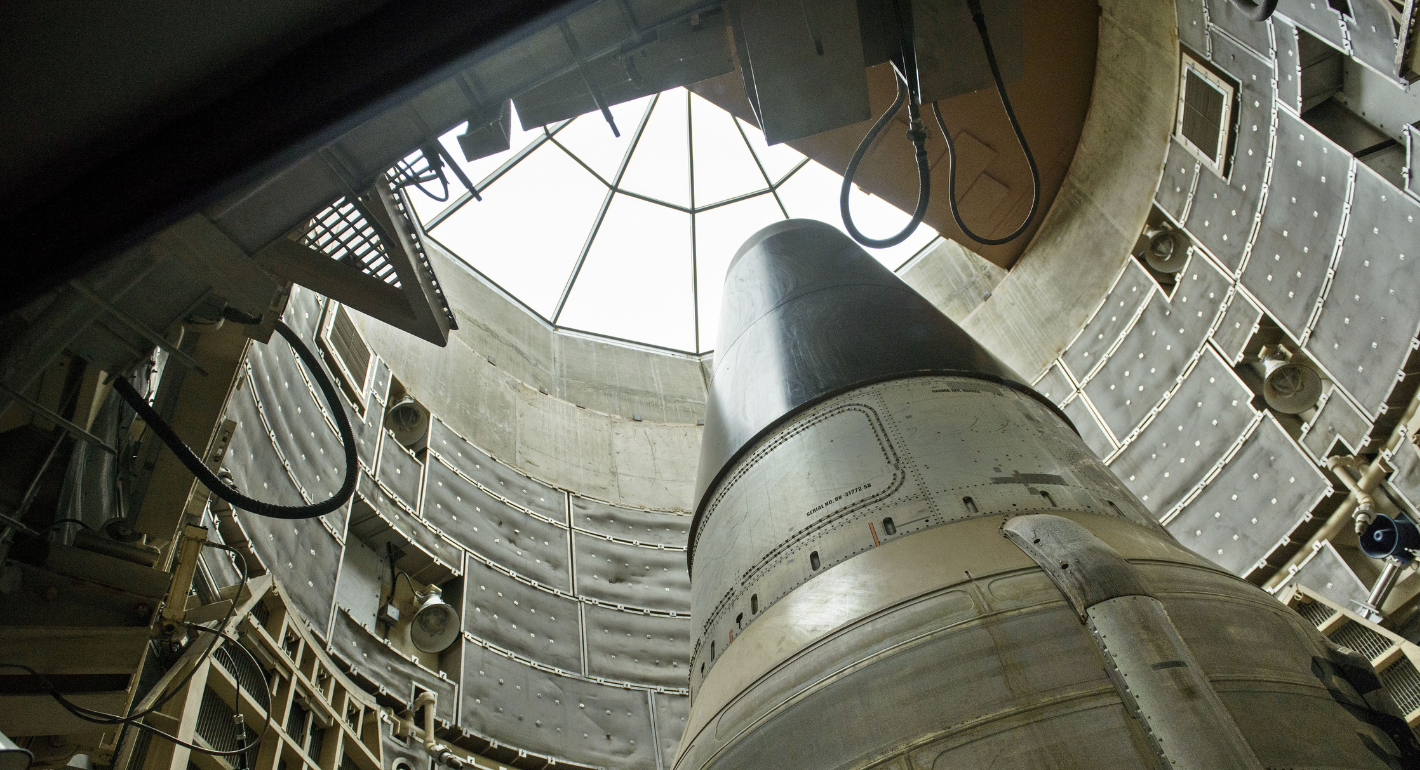
    Europe Should Not Let Nuclear Nonproliferation Die

    Amid uncertainty caused by the Iran war, the global drive for nonproliferation has stalled. With Europe diplomatically marginalized and countries reassessing their nuclear options, efforts to curb the spread of nuclear weapons risk becoming irrelevant.

      • Jane Darby Menton

      Jane Darby Menton

Get more news and analysis from
Carnegie Endowment for International Peace
Carnegie global logo, stacked
1779 Massachusetts Avenue NWWashington, DC, 20036-2103Phone: 202 483 7600
  • Research
  • Emissary
  • About
  • Experts
  • Donate
  • Programs
  • Events
  • Blogs
  • Podcasts
  • Contact
  • Annual Reports
  • Careers
  • Privacy
  • For Media
  • Government Resources
Get more news and analysis from
Carnegie Endowment for International Peace
© 2026 Carnegie Endowment for International Peace. All rights reserved.