

Commentary
Alexey Malashenko
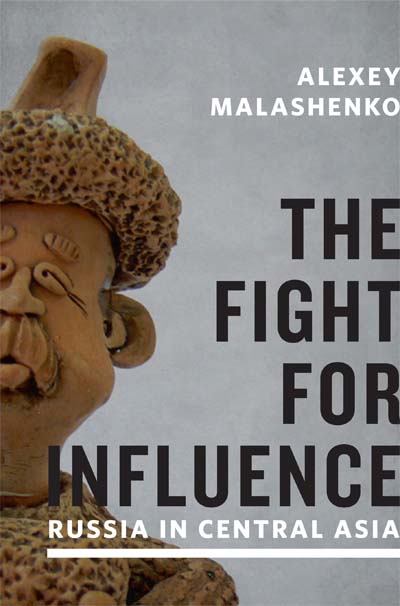
It is time for Moscow to rethink its approach to Central Asia.
Russian influence in Central Asia is waning. Since attaining independence, Kazakhstan, Kyrgyzstan, Tajikistan, Turkmenistan, and Uzbekistan have forged their own paths—building relationships with outside powers and throwing off the last vestiges of Soviet domination. But in many ways, Moscow still sees Central Asia through the lens of the Soviet Union, and it struggles to redefine Russian relations with the region.
Alexey Malashenko offers a comprehensive analysis of Russian policies and prospects in Central Asia. It is clear that Russian policy in the former Soviet space is entering uncharted territory. But does the ruling establishment understand the fundamental shifts under way? It is time for Moscow to rethink its approach to Central Asia.
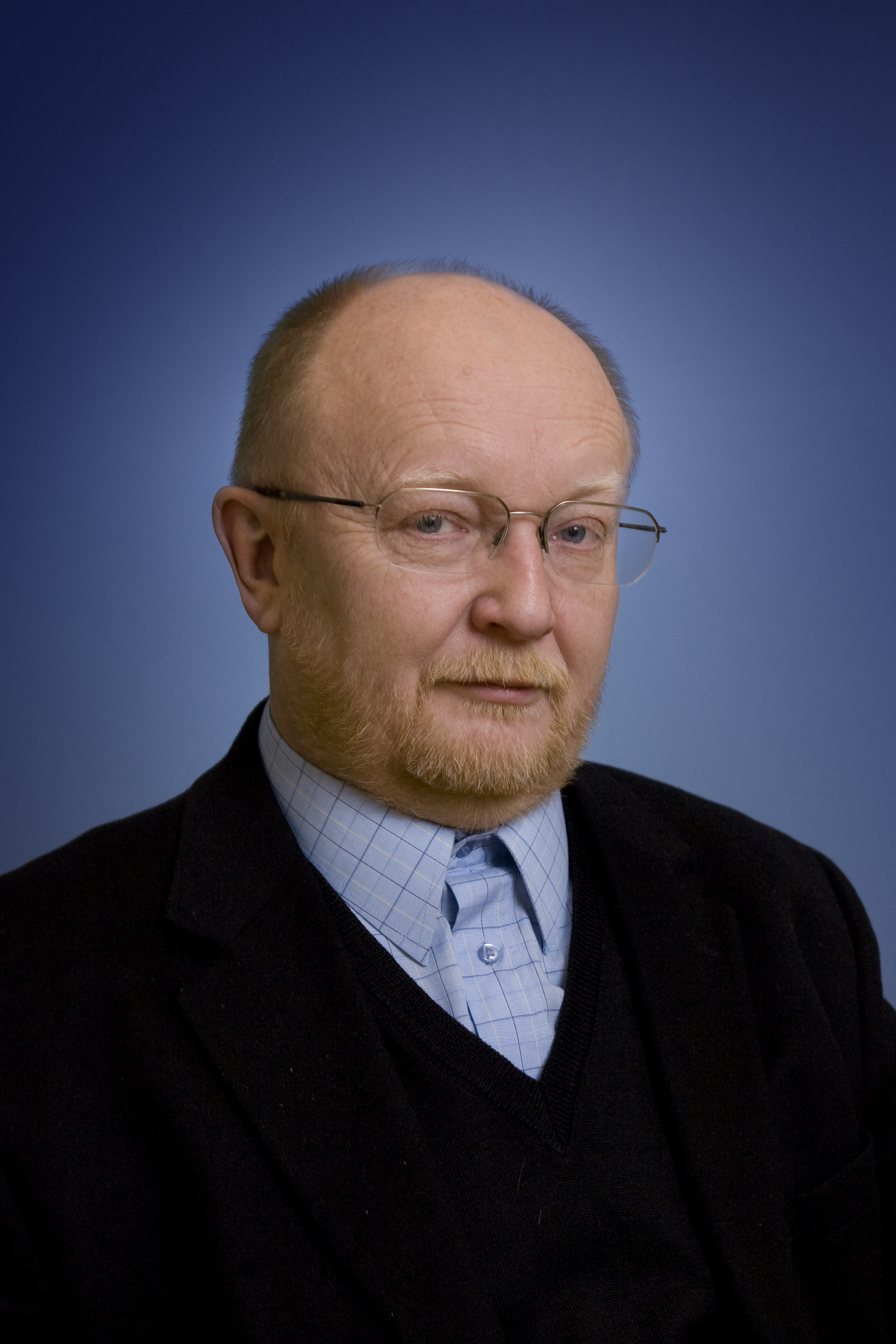
Former Scholar in Residence, Religion, Society, and Security Program
Malashenko is a former chair of the Carnegie Moscow Center’s Religion, Society, and Security Program.
Recent Work
Alexey Malashenko
Alexey Malashenko
Carnegie does not take institutional positions on public policy issues; the views represented herein are those of the author(s) and do not necessarily reflect the views of Carnegie, its staff, or its trustees.

The books, podcasts, and films that explain the world it made.

Andrew Leber
Blurring the line between humans and animals is a long-standing tradition in social utopian prose. In his latest novel, Leonid Bershidsky reminds us that in social experiments, people are often treated no differently than animals.

Alexander Baunov

U.S. trading partners in Asia are closely watching the dispute for signs of how it may affect their own interests.

Barbara Weisel

The aftermath of the Ceuta crisis shows Europe has drawn the wrong lessons. Rather than doubling down on failed migration policies, the EU needs to address the underlying roots of such episodes.

Richard Youngs
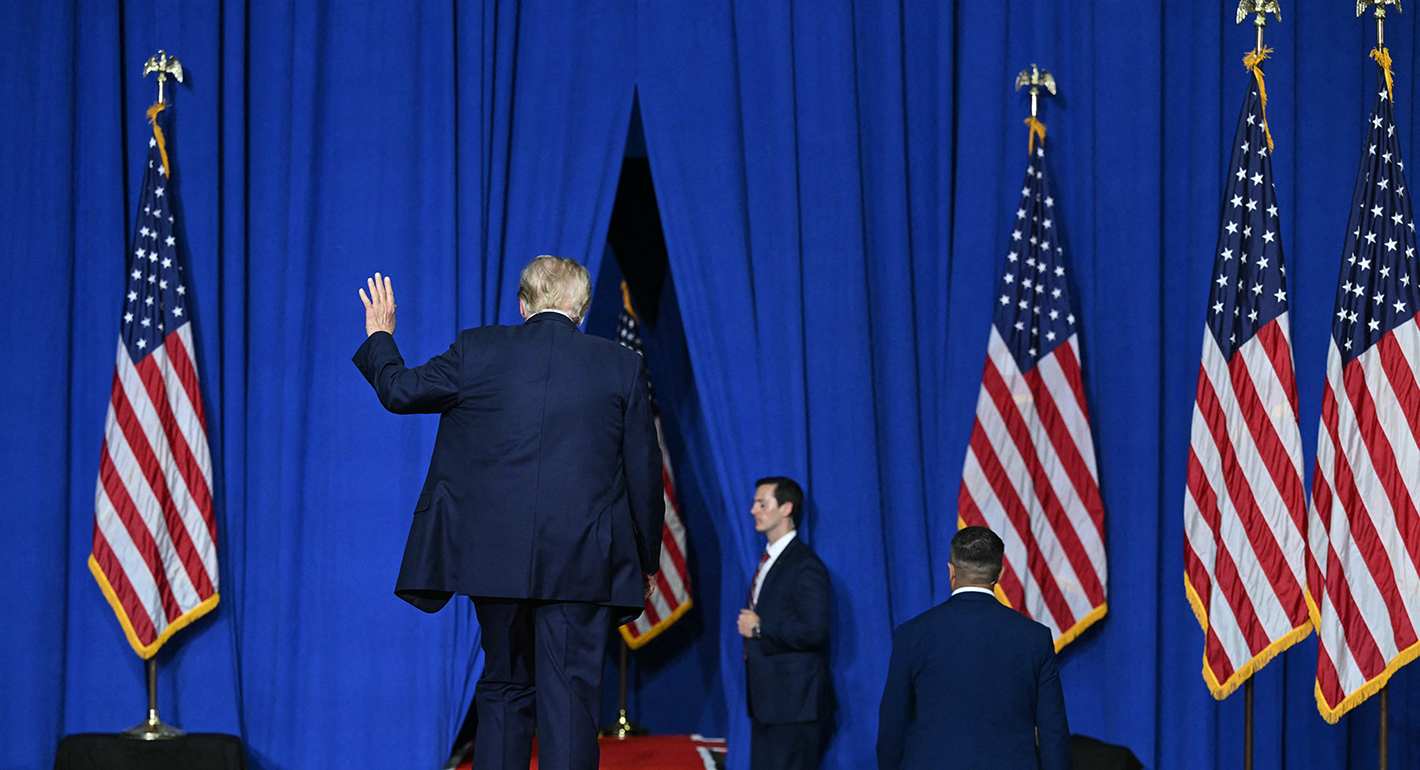
By abandoning past U.S. pro-democracy policies and adopting several lines of pro-autocratic action, the Trump administration has fundamentally repositioned the United States vis-à-vis democracy in the world.

Thomas Carothers