

In The Media
Lina Khatib
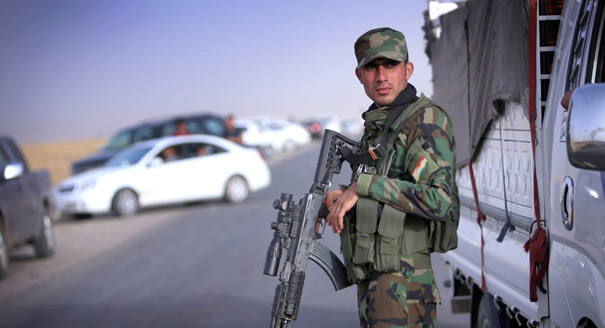
Source: Getty
The seizure of the Iraqi city of Mosul is a moral and tactical victory for the militant group ISIS—and a wake-up call for Western and Arab countries.
The seizure of Mosul, Iraq’s second-largest city, by the Islamic State of Iraq and the Levant (commonly known as ISIS) signals the start of a new phase for the militant group in its declared bid to establish an Islamic caliphate in the Middle East. Mosul is both a moral and a tactical victory for ISIS. This is also a sign that Western and Arab states need to change their Syria and Iraq policies before ISIS snowballs into an international terrorist organization.
Although the leader of ISIS, Abu Bakr al-Baghdadi, is Iraqi and the group has its origins in Iraq, ISIS has focused on Syria over the past two years. The Syrian context proved optimal for ISIS, providing access to natural resources (oil and water), foreign funding (namely from Gulf princes with individual agendas and ambitions that diverge from those of their states), and jihadist fighters. ISIS grew in stature and influence in Syria to the extent that its Syrian branch became financially capable of sending resources to its Iraqi branch.
In its efforts to strengthen its position in Syria, ISIS worked systematically to present itself as a durable military group with ambition. Its slogan, “baqiya wa tatamaddad” or “lasting and expanding,” originated in a speech by Baghdadi in which he responded to al-Qaeda leader Ayman al-Zawahiri’s call for ISIS to leave Syria. It has since become the basis for the group’s military operations, and ISIS has used its military gains to show its constituents that it is indeed adhering to the principles of this slogan. Every time ISIS took a small village in Syria, it used multiple marketing tools, including social media, to boast about its “victories” and to market its gains as evidence of credibility.This marketing strategy aided ISIS in its outreach to jihadists from Syria and Iraq as well as to non-Arab fighters. In Iraq, ISIS found in the Sunni population fertile ground for recruitment. Sunnis are angry about Prime Minister Nouri al-Maliki’s policies and see them as a Shia-dominated attempt to oppress Sunnis. Many of those Sunnis initially resisted joining ISIS, but the combination of the group’s perceived credibility and the continuation of Maliki’s short-sighted policies pushed some of them toward embracing ISIS. That in turn paved the way for the capture of Mosul.
The takeover of Iraq’s second-largest city is a huge moral victory for ISIS. Since the takeover, ISIS has flooded its social media channels—including hundreds of Twitter accounts—with videos and statements about how it is indeed realizing its vision of establishing an enduring caliphate. This marketing campaign will serve to both increase ISIS’s recruitment of new jihadists and please its foreign funders.
Mosul is a significant tactical victory for ISIS too. The takeover has given ISIS access to more money, as the group reportedly raided the Iraqi central bank in the city and took over $400 million from state funds. ISIS has confiscated armored vehicles and weapons from the Iraqi army. And it proceeded to destroy the earthen barrier that had separated Mosul from the Syrian city of al-Shadadi, south of Hasaka, and then transport the confiscated goods into Syria. The demolition of the barrier has created a direct route linking the Syrian and Iraqi ISIS branches.
ISIS has made sure to raise public attention to this action through its communication channels, signaling to its current fighters and potential recruits that the next battle is likely to be in the Syrian city of Deir ez-Zor. ISIS has been fighting the Syrian opposition there for some time. Capturing Deir ez-Zor would give ISIS control over more of Syria’s oil fields (it already controls those in Raqqa), and therefore more funds.
Maliki has responded to the Mosul takeover by asking for foreign help to counter the expansion of ISIS. However, perpetuating the Iraqi government’s fight against ISIS as a Maliki-led battle would only strengthen the group’s narrative of Sunni oppression, allowing ISIS to continue to receive funding from its foreign backers and to increase the number of jihadists in its ranks.
All those factors would in turn enable ISIS to launch incursions into Syria’s other neighbors—particularly Turkey and Jordan—even if those incursions were initially only meant to demonstrate the group’s seriousness about its goal of expansion. And it would not be unthinkable for ISIS to use its network of foreign jihadists to conduct operations outside the Middle East.
The capture of Mosul demonstrates that ISIS is close to becoming a regional player in the Middle East. Dealing with this emerging player necessitates a sharp change in the policies that Western and Arab countries have been following with regard to both Iraq and Syria, including the policies of the Iraqi government. It is only through transnational cooperation, both political and military, that the international community can stave off the expansion and limit the endurance of ISIS.
Former Director, Middle East Center
Khatib was director of the Carnegie Middle East Center in Beirut. Previously, she was the co-founding head of the Program on Arab Reform and Democracy at Stanford University’s Center on Democracy, Development, and the Rule of Law.
Recent Work
Lina Khatib
Lina Khatib
Carnegie does not take institutional positions on public policy issues; the views represented herein are those of the author(s) and do not necessarily reflect the views of Carnegie, its staff, or its trustees.

China’s political future will be shaped between now and next October. As the Communist Party enters its intense “campaign season” to prepare for a major political transition in 2027, reading Beijing's actions and responses may become more difficult as domestic politics weigh on its behavior more than usual.

Damien Ma

Japan’s long-term security policy is driven by concerns about China, and there is little appetite for (or interest in) pursuing a confrontation with Moscow.

James D.J. Brown

Russia is testing the waters of NATO’s mutual defense clause. What do strikes in Romanian territorial waters mean for the alliance’s posture toward Moscow?

Dimitar Bechev
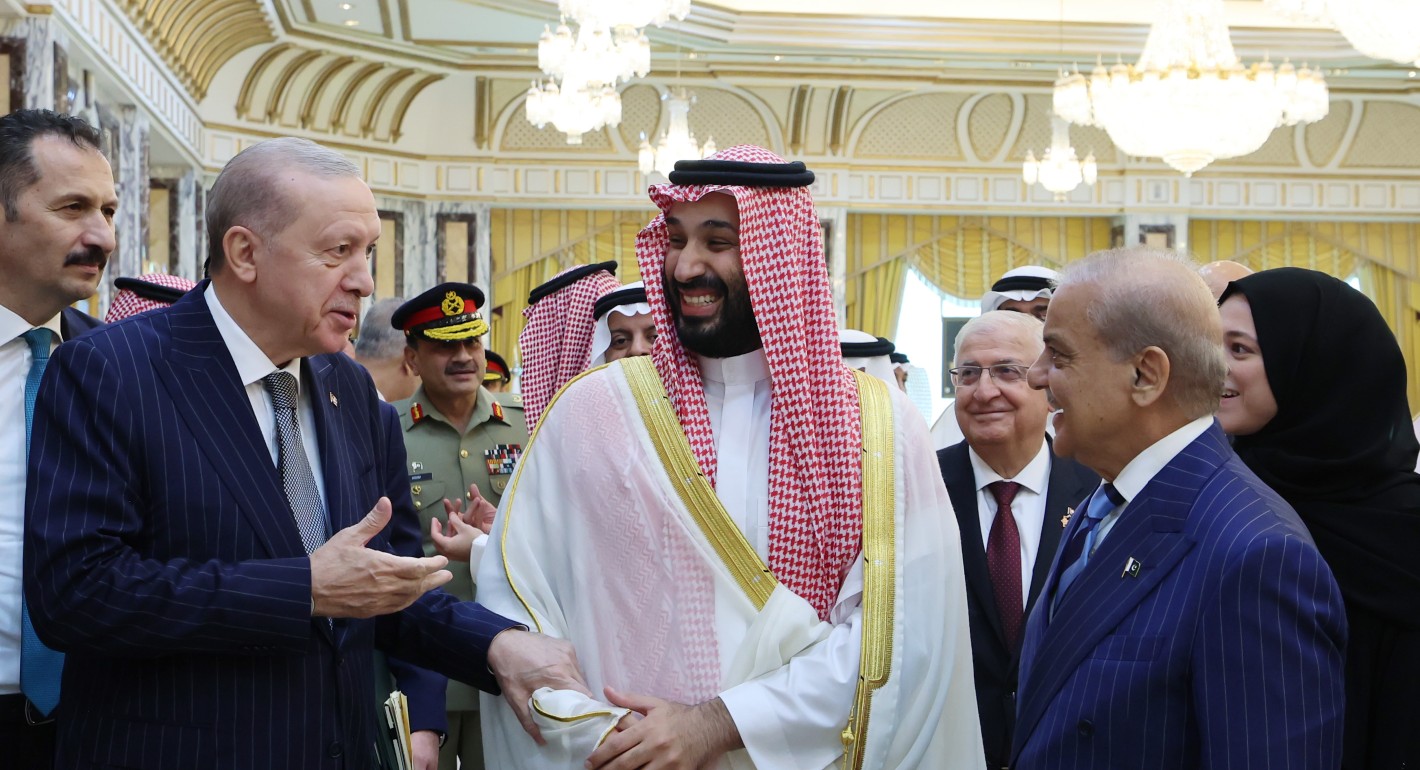
Why Pakistan, Saudi Arabia, and Turkey are joining forces on regional security.


Alper Coşkun, Amr Hamzawy

The truth of the strategic situation is that Europe and Russia are extremely unlikely to be able to “turn the page” on their confrontation within the next two decades.

Arkady Moshes