

Commentary
John Kerry

A revealing memoir by a witness to some of the most important events of recent U.S. history.
John Kerry tells the story of his remarkable American life—from son of a diplomat to decorated Vietnam veteran, five-term United States senator, 2004 Democratic presidential nominee, and Secretary of State for four years—a revealing memoir by a witness to some of the most important events of our recent history.
Every Day Is Extra is John Kerry’s candid personal story. A Yale graduate, Kerry enlisted in the US Navy in 1966, and served in Vietnam. He returned home highly decorated but disillusioned, and testified powerfully before Congress as a young veteran opposed to the war.
Kerry served as a prosecutor in Massachusetts, then as lieutenant governor, and was elected to the Senate in 1984, eventually serving five terms. In 2004 he was the Democratic presidential nominee and came within one state—Ohio—of winning. Kerry returned to the Senate, chaired the important Foreign Relations Committee, and succeeded Hillary Clinton as Secretary of State in 2013. In that position he tried to find peace in the Middle East; dealt with the Syrian civil war while combatting ISIS; and negotiated the Iran nuclear deal and the Paris climate agreement.
Every Day Is Extra is Kerry’s passionate, insightful, sometimes funny, always moving account of his life. Kerry tells wonderful stories about colleagues Ted Kennedy and John McCain, as well as President Obama and other major figures. He writes movingly of recovering his faith while in the Senate, and deplores the hyper-partisanship that has infected Washington.
Few books convey as convincingly as this one the life of public service like that which John Kerry has lived for fifty years. Every Day Is Extra shows Kerry for the dedicated, witty, and authentic man that he is, and provides forceful testimony for the importance of diplomacy and American leadership to address the increasingly complex challenges of a more globalized world.
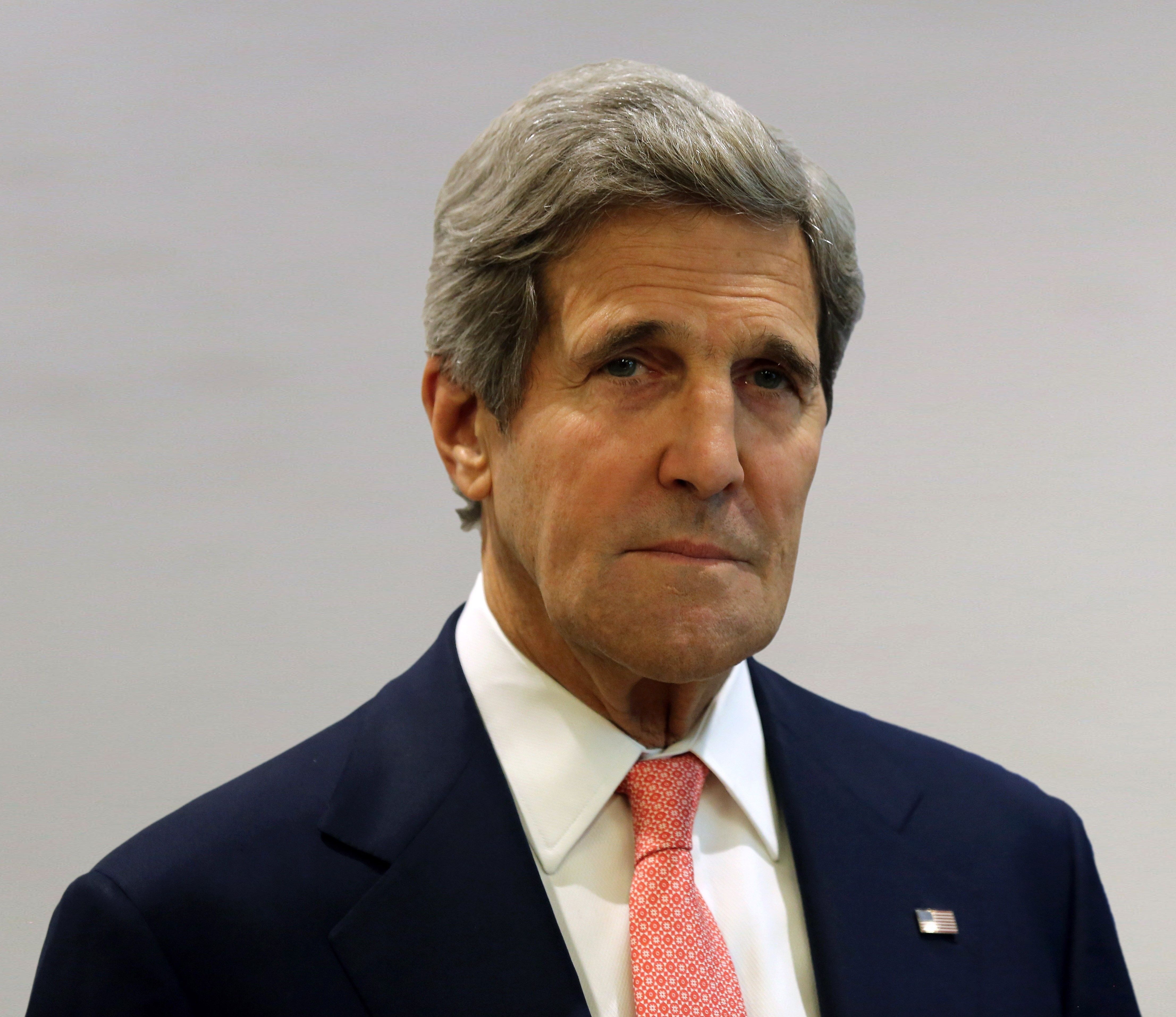
Nonresident Scholar, Sustainability, Climate, and Geopolitics Program
John Kerry is a nonresident scholar the Carnegie Endowment for International Peace.
Recent Work
John Kerry
John Kerry
Carnegie does not take institutional positions on public policy issues; the views represented herein are those of the author(s) and do not necessarily reflect the views of Carnegie, its staff, or its trustees.

The 2024 Republican gains among this important constituency have not held.


Sumitra Badrinathan, Devesh Kapur, Annabel Miller, …
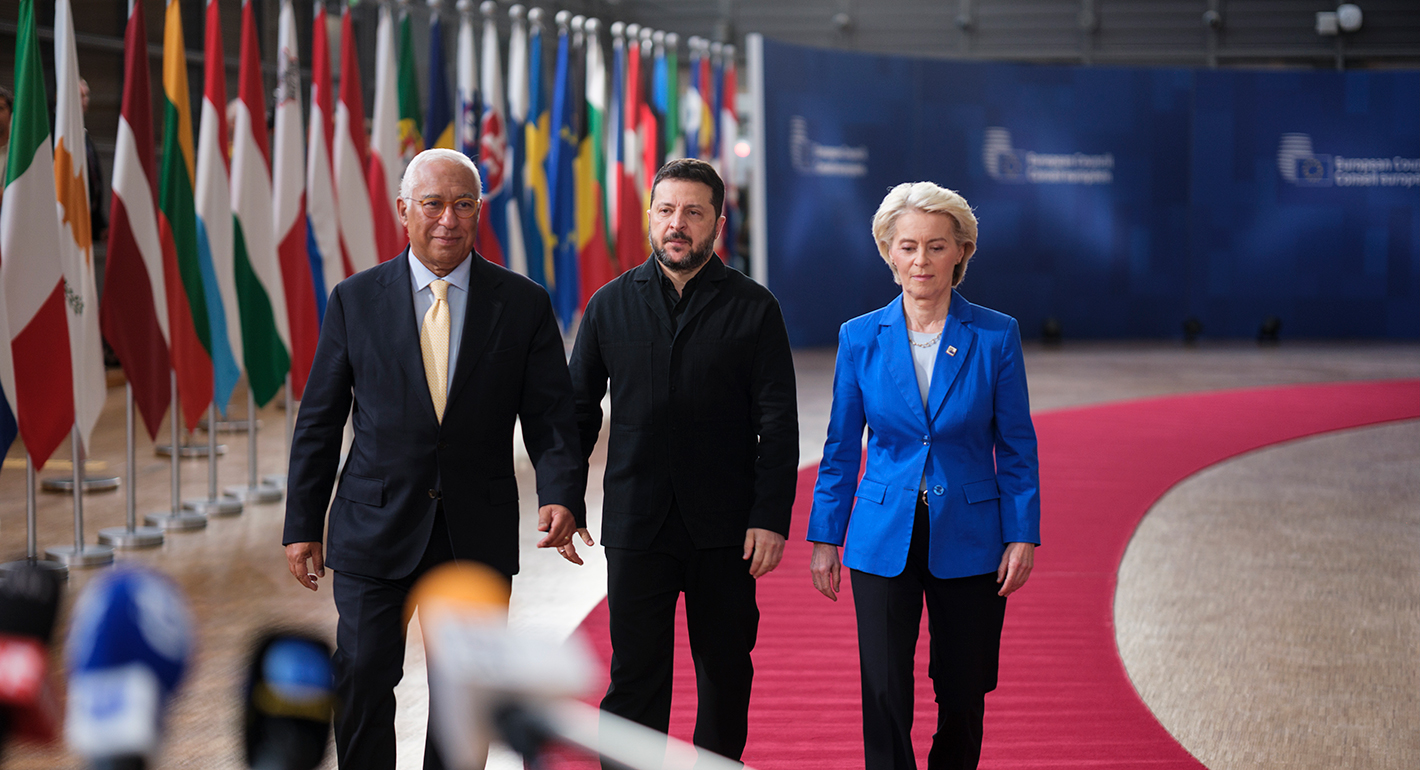
EU and member-state leaders will need to show the political will and flexibility to adjust to Ukraine’s changing needs and to find compromises that will put support on a sustainable, long-term footing.
Phyllis Berry
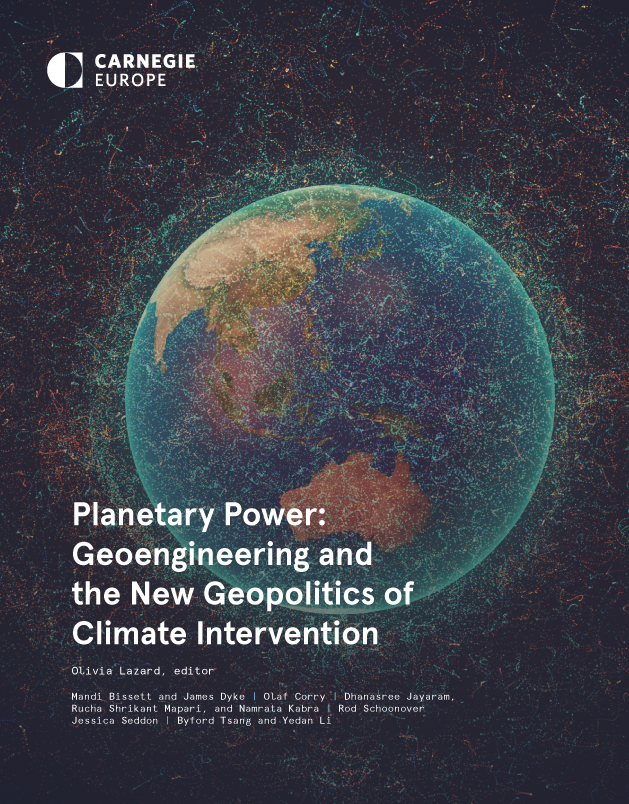
Geoengineering is becoming a geopolitical question as much as a climate one. The way states and the private sector pursue these technologies, assess risks, and drive research increasingly appears focused on gaining a strategic edge. In a field where governance in lagging behind, Europe should keep track of the geopolitical implications if it is to develop effective regulatory frameworks.

Olivia Lazard, ed.

The new Serbian leadership may have promised to keep on cooperating with Russia, but soon they will have to make a choice between fighting corruption and sealing lucrative deals with Moscow. The two are mutually exclusive, even if the new leaders in Belgrade haven’t yet realized it.

Maksim Samorukov
The six GCC members’ unity would be a valued—if not essential—asset for negotiating an end to the simmering regional conflict.

Sam Worby, Andrew Leber