• Research
  • Emissary
  • About
  • Experts
Carnegie Global logoCarnegie lettermark logo
DemocracyIran
  • Donate
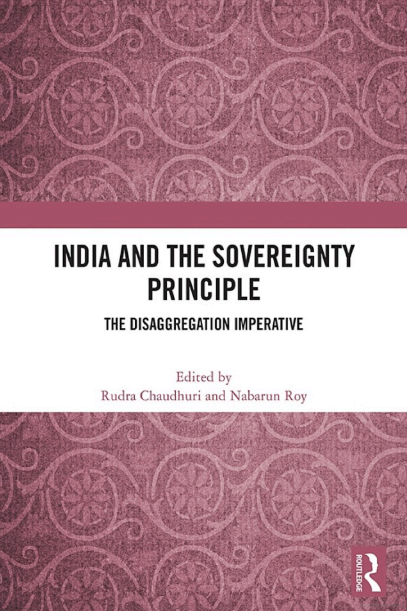
India and the Sovereignty Principle: The Disaggregation Imperative
Book
Carnegie India

India and the Sovereignty Principle: The Disaggregation Imperative

This book offers a comprehensive analysis of India's evolving relationship with sovereignty in a complex global order. Moving beyond conventional narratives, it examines how the sovereignty principle shapes India's behavior across four critical domains—from traditional military power to contemporary data governance.

Link Copied
By Rudra Chaudhuri and Nabarun Roy
Published on Sep 26, 2025
IndiaSecurity

Carnegie does not take institutional positions on public policy issues; the views represented herein are those of the author(s) and do not necessarily reflect the views of Carnegie, its staff, or its trustees.

More Work from Carnegie Endowment for International Peace

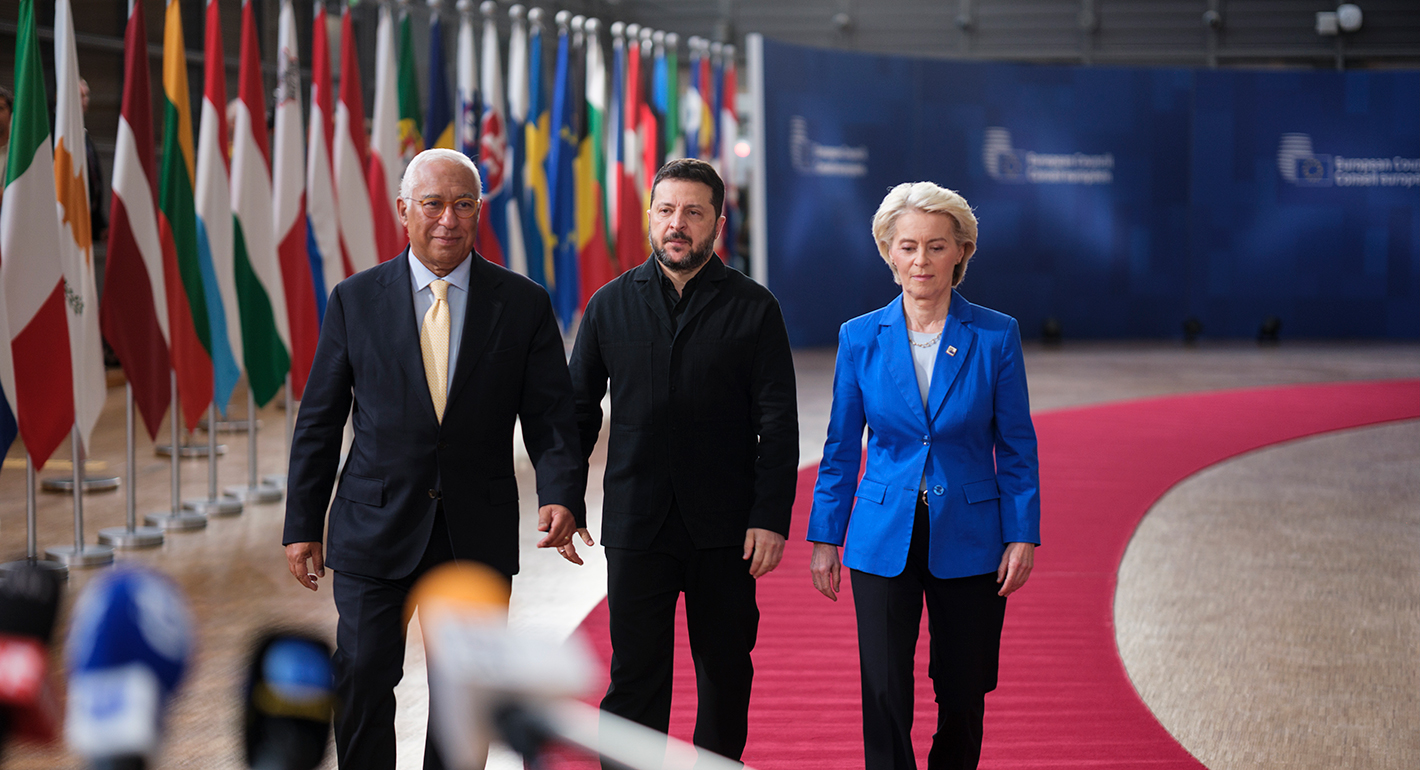
  • President of the EU Council Antonio Luis Santos da Costa (L) the Ukrainian President Volodymyr Zelenskyy (C) and the President of the European Commission Ursula von der Leyen (R) talk to the media prior to the start of the second day of an EU Summit in the Europa building, the EU Council headquarter prior to an EU Summit on October 16, 2026, in Brussels, Belgium.
    Article
    Europe Struggles to Sustain Support for Ukraine

    EU and member-state leaders will need to show the political will and flexibility to adjust to Ukraine’s changing needs and to find compromises that will put support on a sustainable, long-term footing.

      Phyllis Berry
  • Planetary Power: Geoengineering and the New Geopolitics of Climate Intervention
    Research
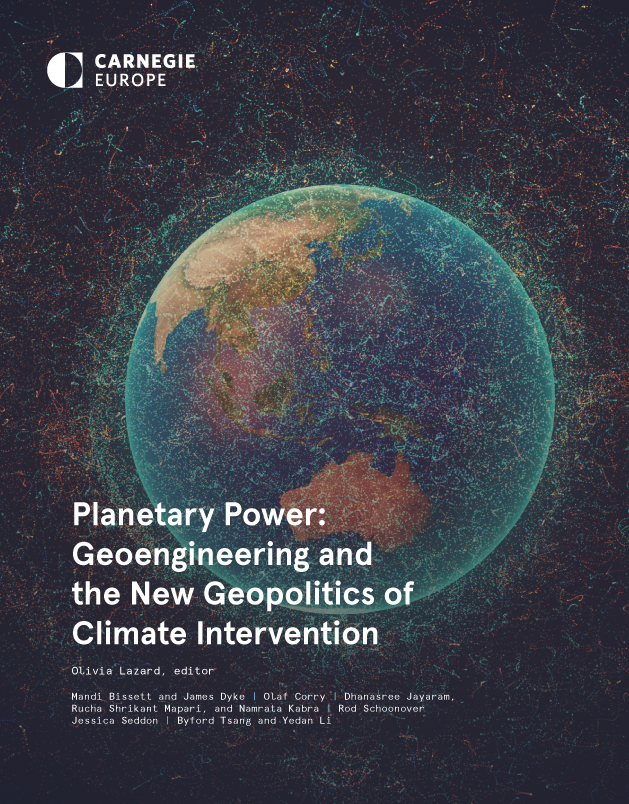
    Planetary Power: Geoengineering and the New Geopolitics of Climate Intervention

    Geoengineering is becoming a geopolitical question as much as a climate one. The way states and the private sector pursue these technologies, assess risks, and drive research increasingly appears focused on gaining a strategic edge. In a field where governance in lagging behind, Europe should keep track of the geopolitical implications if it is to develop effective regulatory frameworks.

      Olivia Lazard, ed.
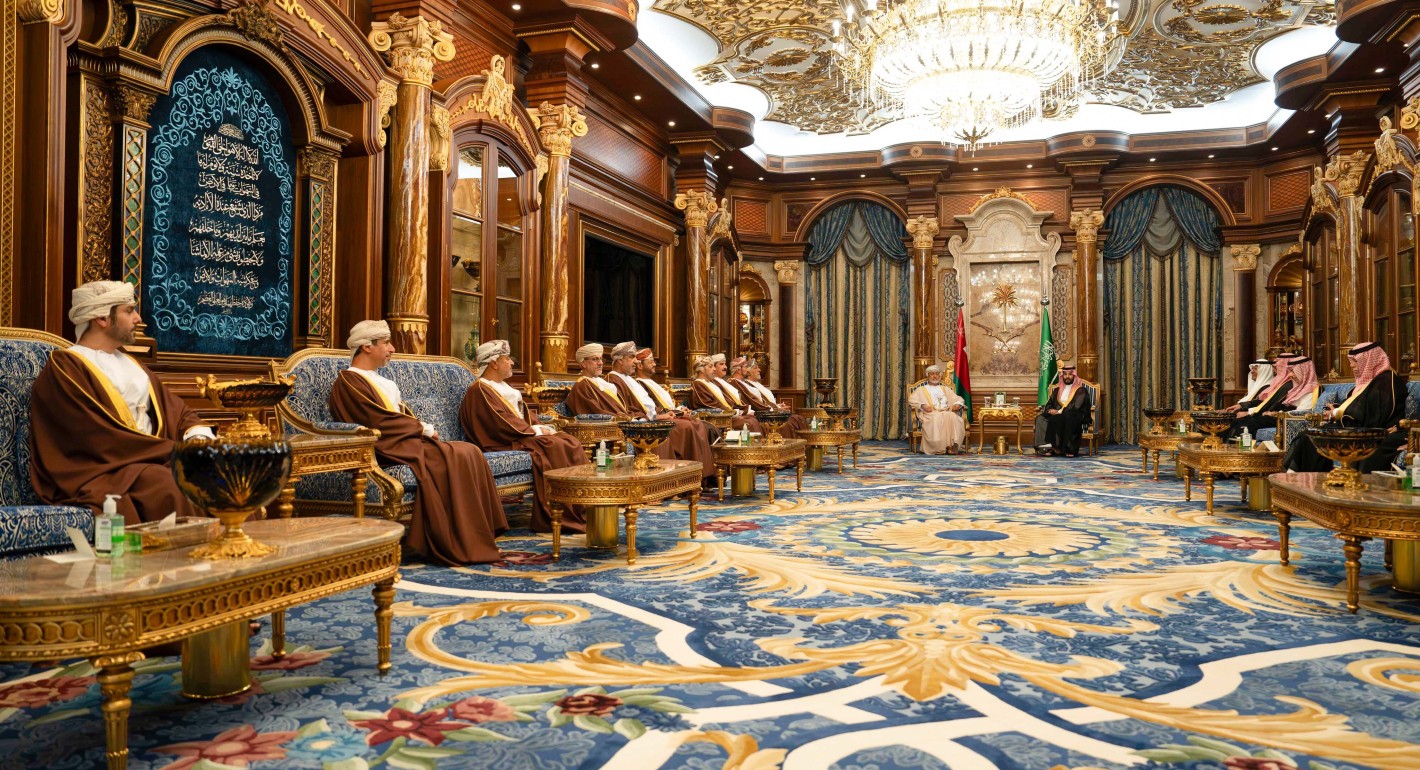
  • men sitting in an ornate room
    Commentary
    Emissary
    The Gulf States Are Looking for an Exit in Iran

    The six GCC members’ unity would be a valued—if not essential—asset for negotiating an end to the simmering regional conflict.

      • Andrew Leber

      Sam Worby, Andrew Leber

  • empty chairs and posters in front of a stage, with a big screen showing the Israeli flag
    Commentary
    Emissary
    Israel’s Election Had No Clear Winner. What Comes Next for the Region?

    Carnegie’s Middle East Program scholars reflect on the impasse and its potential impacts on the Middle East.


      • +9

      Nathan J. Brown, Alper Coşkun, Amr Hamzawy, …

  • Commentary
    Carnegie Politika
    Why Has Tokyo’s Response to Kremlin Challenges Been So Muted?

    Japan’s long-term security policy is driven by concerns about China, and there is little appetite for (or interest in) pursuing a confrontation with Moscow.  

      James D.J. Brown

Get more news and analysis from
Carnegie Endowment for International Peace
Carnegie global logo, stacked
1779 Massachusetts Avenue NWWashington, DC, 20036-2103Phone: 202 483 7600
  • Research
  • Emissary
  • About
  • Experts
  • Donate
  • Programs
  • Events
  • Blogs
  • Podcasts
  • Contact
  • Annual Reports
  • Careers
  • Privacy
  • For Media
  • Government Resources
Get more news and analysis from
Carnegie Endowment for International Peace
© 2026 Carnegie Endowment for International Peace. All rights reserved.