• Research
  • Emissary
  • About
  • Experts
Carnegie Global logoCarnegie lettermark logo
DemocracyIran
  • Donate
The New International Politics of Decarbonisation and Climate Preservation
Research

The New International Politics of Decarbonisation and Climate Preservation

A core challenge in the new era of uncertain climate relations lies not in technical solutions but in the politicization of climate policy coordination.

Link Copied
By Federica Genovese
Published on Feb 17, 2026
Program mobile hero image

Program

Global Order and Institutions

Carnegie’s Global Order and Institutions Program identifies promising new multilateral initiatives and frameworks to realize a more peaceful, prosperous, just, and sustainable world. That mission has never been more important, or more challenging. Geopolitical competition, populist nationalism, economic inequality, technological innovation, and a planetary ecological emergency are testing the rules-based international order and complicating collective responses to shared threats. Our mission is to design global solutions to global problems.

Learn More
Read the Publication

About the Author

Federica Genovese

Federica Genovese
Climate ChangeGlobal Governance

Carnegie does not take institutional positions on public policy issues; the views represented herein are those of the author(s) and do not necessarily reflect the views of Carnegie, its staff, or its trustees.

More Work from Carnegie Endowment for International Peace

  • Commentary
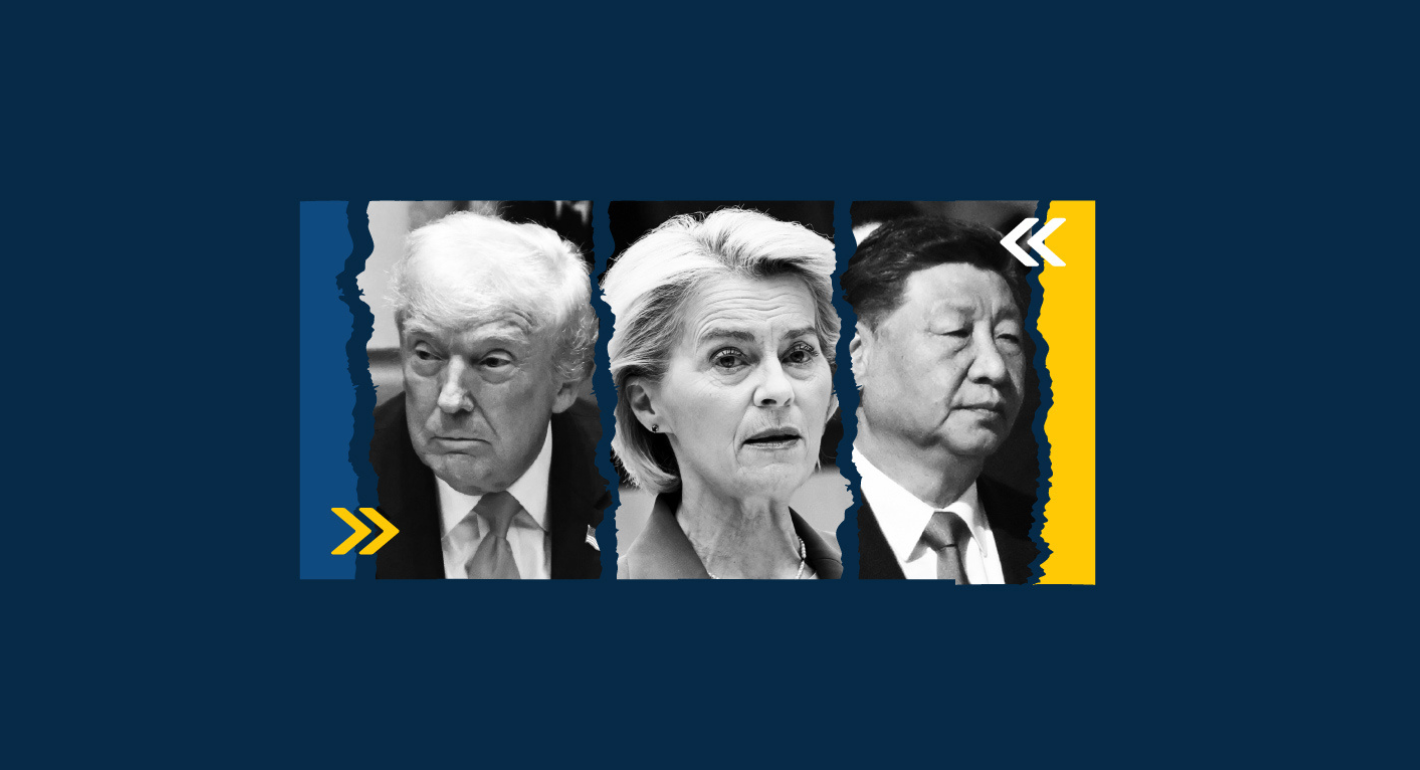
    Can Europe Compete with the United States and China?

    Between the United States’ market-driven approach and China's state-led industrial strategy, Europe is reckoning with how it can remain competitive in the global economy. But is Europe in danger of becoming a U.S. or China colony?

      Noah Barkin, Anu Bradford

  • Commentary
    Carnegie Politika
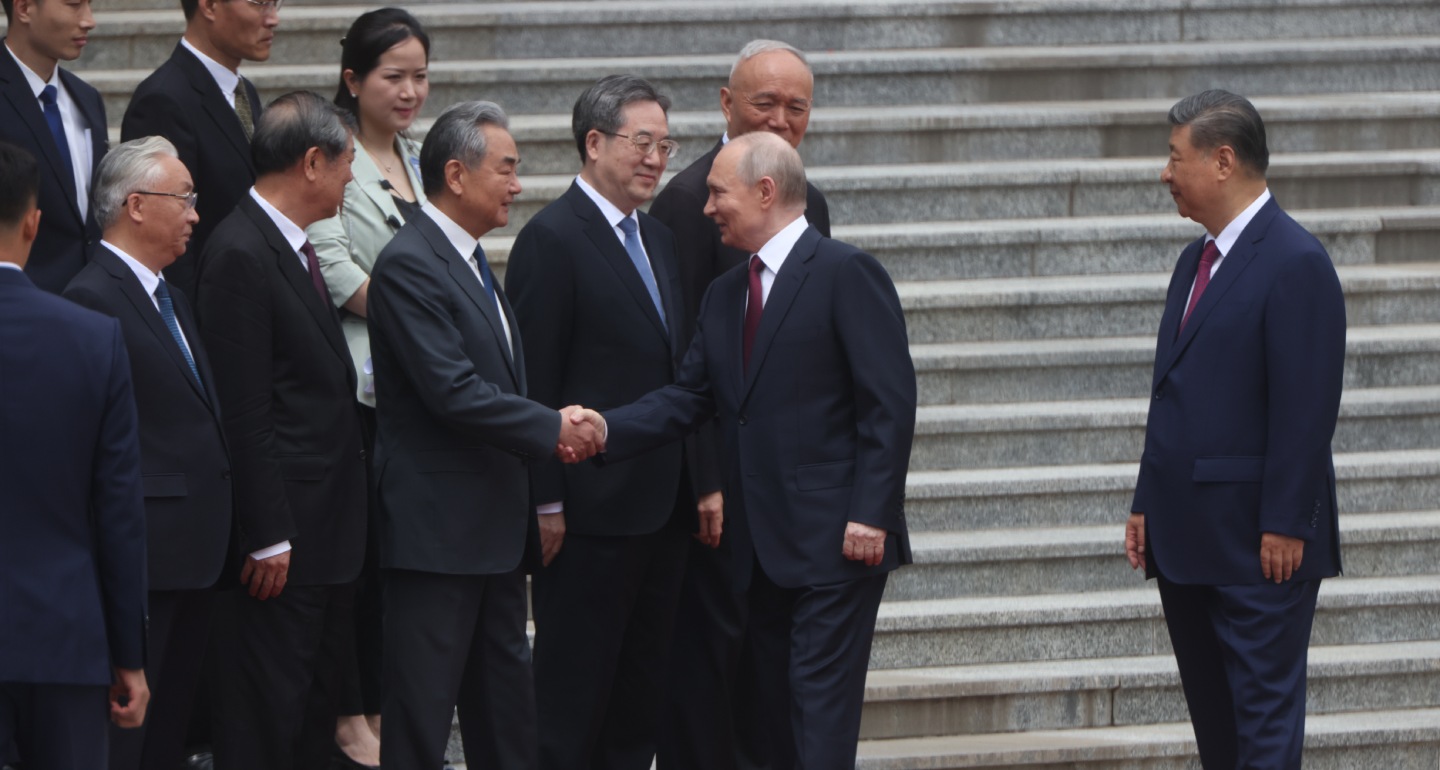
    Did Putin Return From China Empty-Handed?

    With no key agreement signed on the Power of Siberia 2 gas pipeline, there is a risk that the window of opportunity for Russia will close if Chinese power generation becomes so green that new gas sources are no longer of any interest to Beijing.

      • Alexander Gabuev

      Alexander Gabuev

  • Commentary
    Carnegie Politika
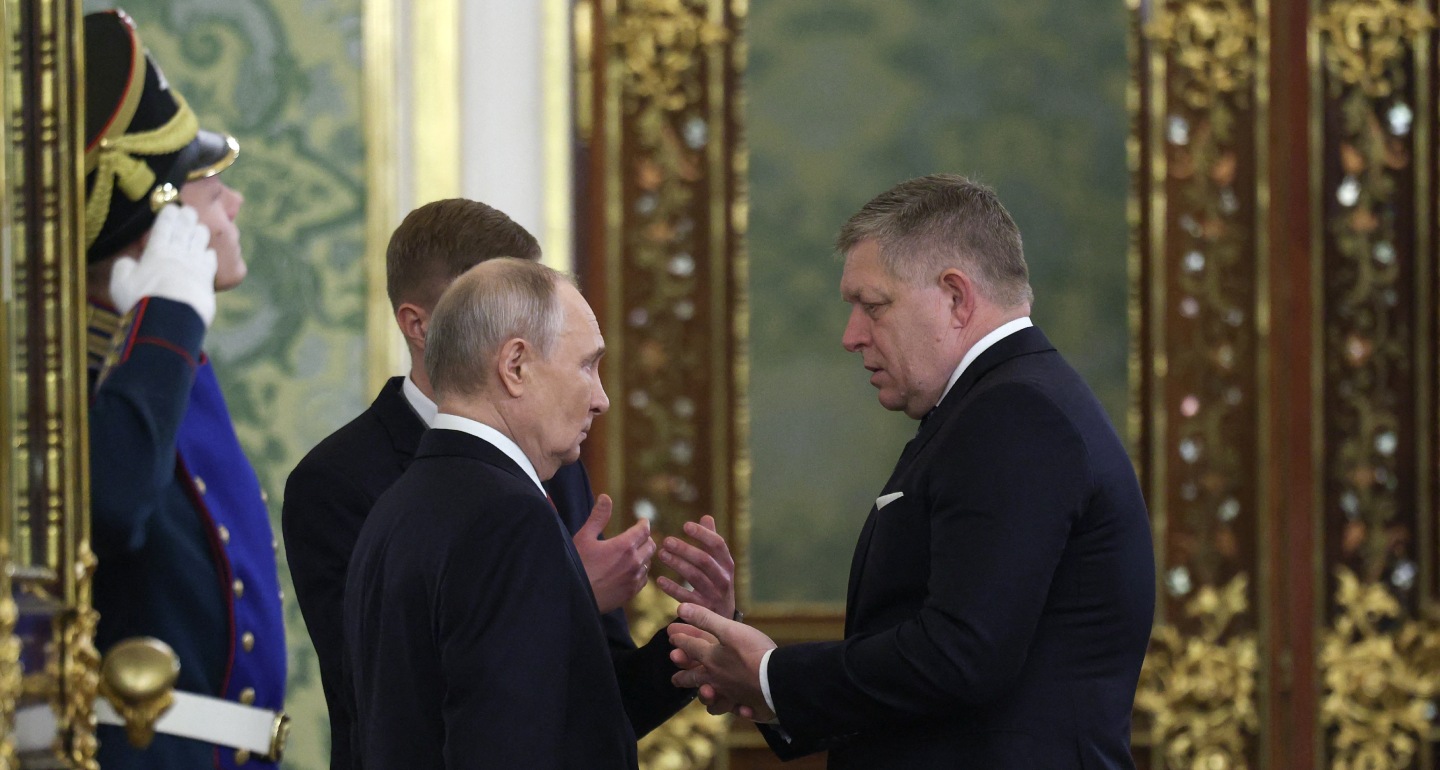
    What Does Central Europe’s Post-Orban Russia Policy Look Like?

    Though Orban is gone, Putin can still count on some like-minded individuals in Central and Eastern Europe. However, they will seek to avoid open confrontation with EU institutions over Ukraine and their ties with Moscow.


      Dimitar Bechev

  • Commentary
    Carnegie Politika
    Are Russia-Japan Relations Really Warming Up?

    The truth is that Japan’s government is seeking a degree of reengagement but at a vastly reduced level than under Abe. Most significantly, Japan has shown no willingness to ease sanctions.

      James D.J. Brown

  • Commentary
    Carnegie Politika
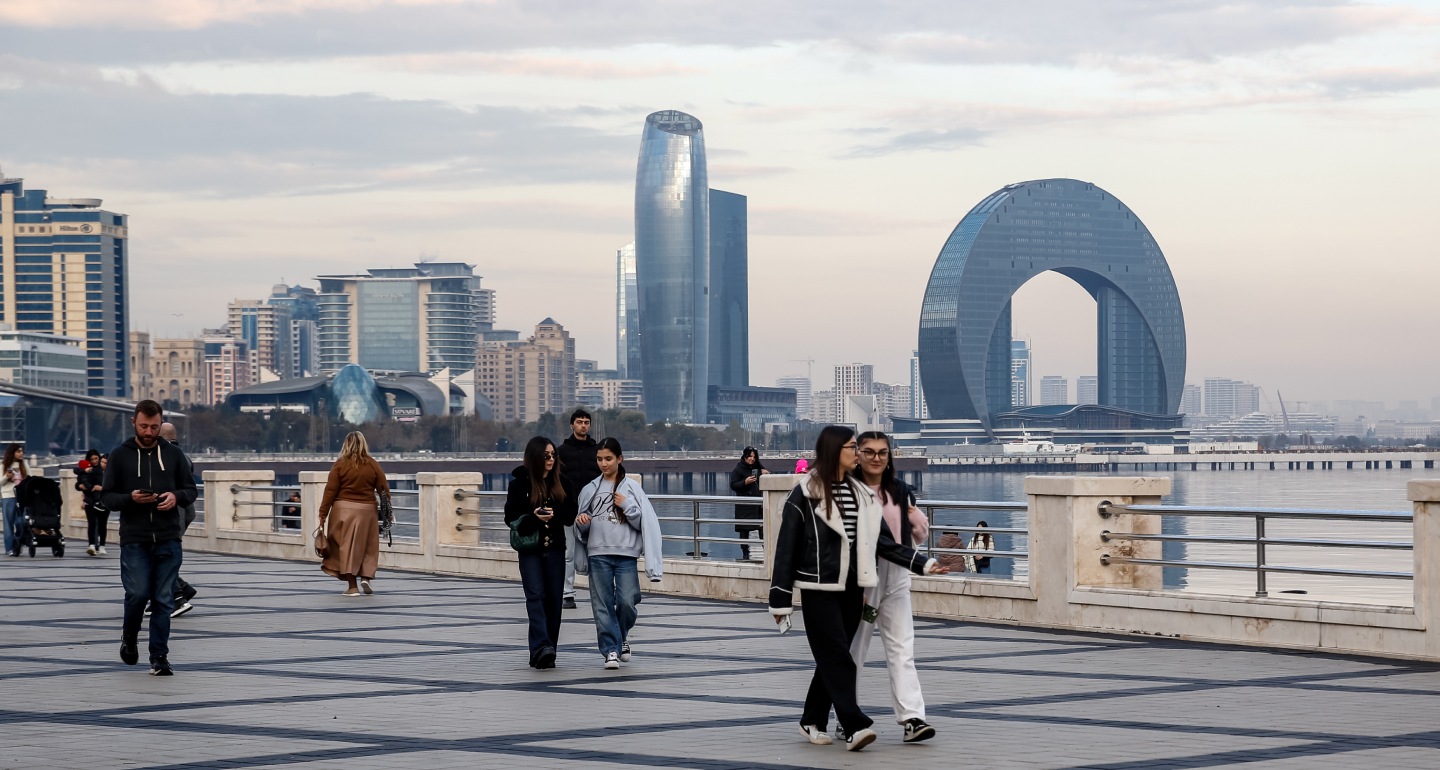
    Brussels and Baku Are Talking Again: What Next?

    Azerbaijan’s relations with the EU appear to be going from strength to strength after several years in the deep freeze following the military escalation in Karabakh in 2023 and Azerbaijan’s bitter fallout with France and several other EU member states.

      Shujaat Ahmadzada

Get more news and analysis from
Carnegie Endowment for International Peace
Carnegie global logo, stacked
1779 Massachusetts Avenue NWWashington, DC, 20036-2103Phone: 202 483 7600
  • Research
  • Emissary
  • About
  • Experts
  • Donate
  • Programs
  • Events
  • Blogs
  • Podcasts
  • Contact
  • Annual Reports
  • Careers
  • Privacy
  • For Media
  • Government Resources
Get more news and analysis from
Carnegie Endowment for International Peace
© 2026 Carnegie Endowment for International Peace. All rights reserved.