

Commentary
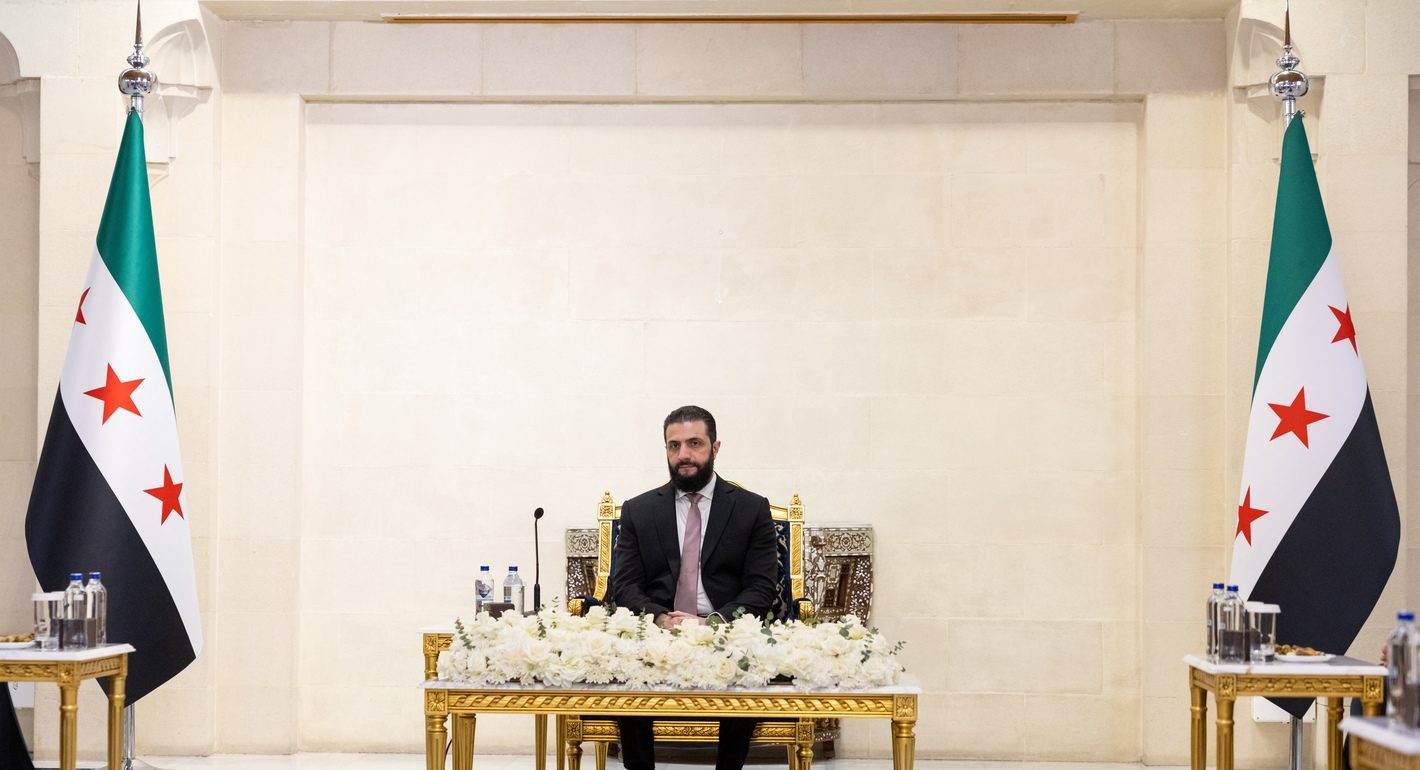
Syria's transition promised a fresh start. But are old habits of power making a comeback? This analysis looks at the warning signs and what it will take to build a more accountable state.
Sima Beitinjaneh
{
  "authors": [
    "Abd al-Nabi al-Ekry"
  ],
  "type": "commentary",
  "blog": "Sada",
  "centerAffiliationAll": "",
  "centers": [
    "Carnegie Endowment for International Peace"
  ],
  "collections": [],
  "englishNewsletterAll": "",
  "nonEnglishNewsletterAll": "",
  "primaryCenter": "Carnegie Endowment for International Peace",
  "programAffiliation": "",
  "programs": [],
  "projects": [],
  "regions": [
    "Bahrain"
  ],
  "topics": [
    "Political Reform"
  ]
}

REQUIRED IMAGE
In a country where political parties are not permitted, al-Wefaq National Islamic Society has been the backbone of the Bahraini Shi'i opposition since its leaders returned from exile after King Hamad succeeded his father in 1999. Al-Wefaq initially supported Hamad's National Action Charter, which appeared to promise significant reforms.
In a country where political parties are not permitted, al-Wefaq National Islamic Society has been the backbone of the Bahraini Shi'i opposition since its leaders returned from exile after King Hamad succeeded his father in 1999. Al-Wefaq initially supported Hamad's National Action Charter, which appeared to promise significant reforms. But the 2002 constitution weakened the powers of the elected Council of Deputies and provoked opposition from al-Wefaq and other groups. Ever since, al-Wefaq has faced a series of difficult decisions about whether to participate in electoral politics under unfavorable conditions—and how to maintain its popular support if it does so.
The 2002 legislative elections that followed the constitution split a coalition of opposition forces, with al-Wefaq leading a boycott and forming the Constitutional Alliance with the secular al-Wa'd, the Nationalist Rally, and the Shi'i Islamic Action Society. Meanwhile the anti-sectarian al-Wasat and al-Minbar al-Taqaddumi left the opposition to run for elections. The Constitutional Alliance was reasonably successful in mobilizing opposition to the elections, as roughly half of eligible voters stayed home.
In the years after the 2002 elections, however, the Bahraini government wore down al-Wefaq and its allies. The beleaguered city councils controlled by al-Wefaq were unable to accomplish anything worthwhile, while new laws strictly regulating political societies and inhibiting mass political activism fettered al-Wefaq's activities. Throughout this period, al-Wefaq encouraged the development of united opposition platform to confront the government, organizing an annual constitutional conference to oppose the 2002 constitution.
Al-Wefaq also worked on mobilizing Bahraini Shi'a, resorting to the mosques to spread its ideas and relying on religious legitimacy stemming from the Council of ‘Ulama (Islamic clerics). Al-Wefaq and its allies took advantage of the space the government allowed to gather crowds on issues such as Palestine and Iraq. After initial leniency, however, the government increasingly began to suppress unlicensed activities, pursue activists, and arrest those collecting signatures for a petition on the constitution.
In view of new restrictions on political societies instituted in 2005, al-Wefaq faced the choice of registering as required by the law (and abiding by legal restrictions) or becoming an illegal organization. This question sparked debate within al-Wefaq between the camp of Hassan Mushaima, which opposed registering, and a larger camp that had the blessing of the Council of ‘Ulama, which supported registration. Mushaima split from al-Wefaq over the issue and formed the Liberties and Democracy Movement (Haqq) as a mass, unlicensed organization with the slogan “The law of rights, not the rights of the law.”
The next difficult decision for al-Wefaq was whether to take part in local and parliamentary elections scheduled for October 2006. After extensive meetings and conferences and the approval of the Council of ‘Ulama, al-Wefaq decided to participate, leading many members to defect to Haqq. Al-Wefaq reorganized its ranks, and held its general congress, which approved an electoral program and a strategy of nominating candidates in every district where it had at least 50 percent support, which meant only in primarily Shi'i districts.
Al-Wefaq's internal coordination did not translate, however, into full coordination with its opposition allies in the elections. The government benefited from the opposition's fragmentation and sought in various ways to defeat candidates associated with secular and non-sectarian opposition groups. The result of the 2006 elections was an elected Council of Deputies comprised of two sectarian blocs facing each other: the Sunna (al-Assala, al-Minbar, and independents) with 22 seats, and the Shi'a (al-Wefaq plus one secular ally) with 18 seats. The pro-government bloc naturally took the offices of speaker and president of the Council.
Thus al-Wefaq, which undoubtedly gained more than 50 percent of the popular vote but lost a crucial few seats due to gerrymandering and official interference, found itself a minority in parliament, unable to achieve anything notable for its sect, its supporters, and the opposition at large. Consequently, its credibility took a blow. In fact al-Wefaq is now confronted by a double challenge. In parliament it faces a loyalist majority bloc and on the street it faces Haqq, which—free of the legal constraints endured by al-Wefaq since its registration—has been luring away its supporters.
Abd al-Nabi al-Ekry is a Bahraini human rights and civil society scholar. This article was translated from Arabic by Paul Wulfsberg.
Abd al-Nabi al-Ekry
Carnegie does not take institutional positions on public policy issues; the views represented herein are those of the author(s) and do not necessarily reflect the views of Carnegie, its staff, or its trustees.
Syria's transition promised a fresh start. But are old habits of power making a comeback? This analysis looks at the warning signs and what it will take to build a more accountable state.
Sima Beitinjaneh
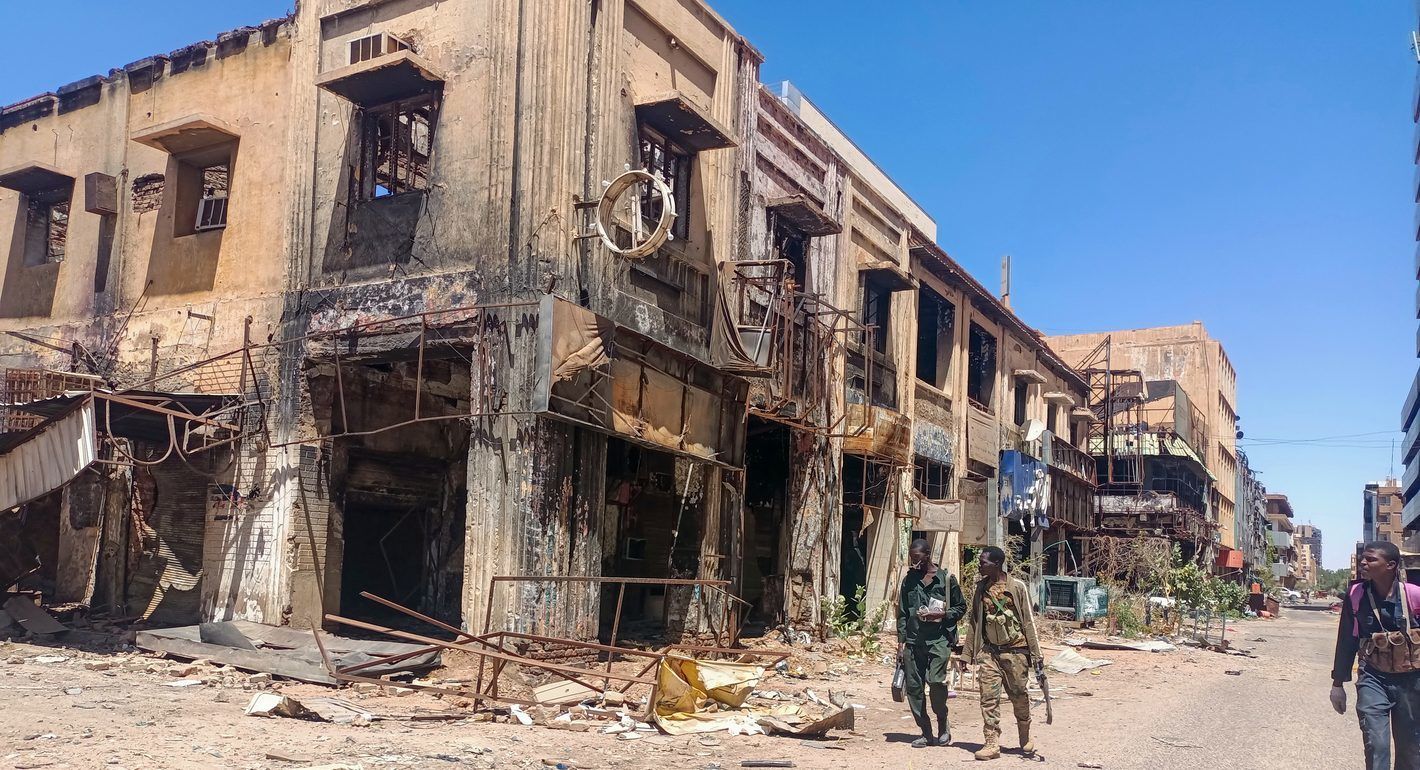
Hate speech has spread across Sudan and become a key factor in worsening the war between the army and the Rapid Support Forces. The article provides expert analysis and historical background to show how hateful rhetoric has fueled violence, justified atrocities, and weakened national unity, while also suggesting ways to counter it through justice, education, and promoting a culture of peace.
Samar Sulaiman
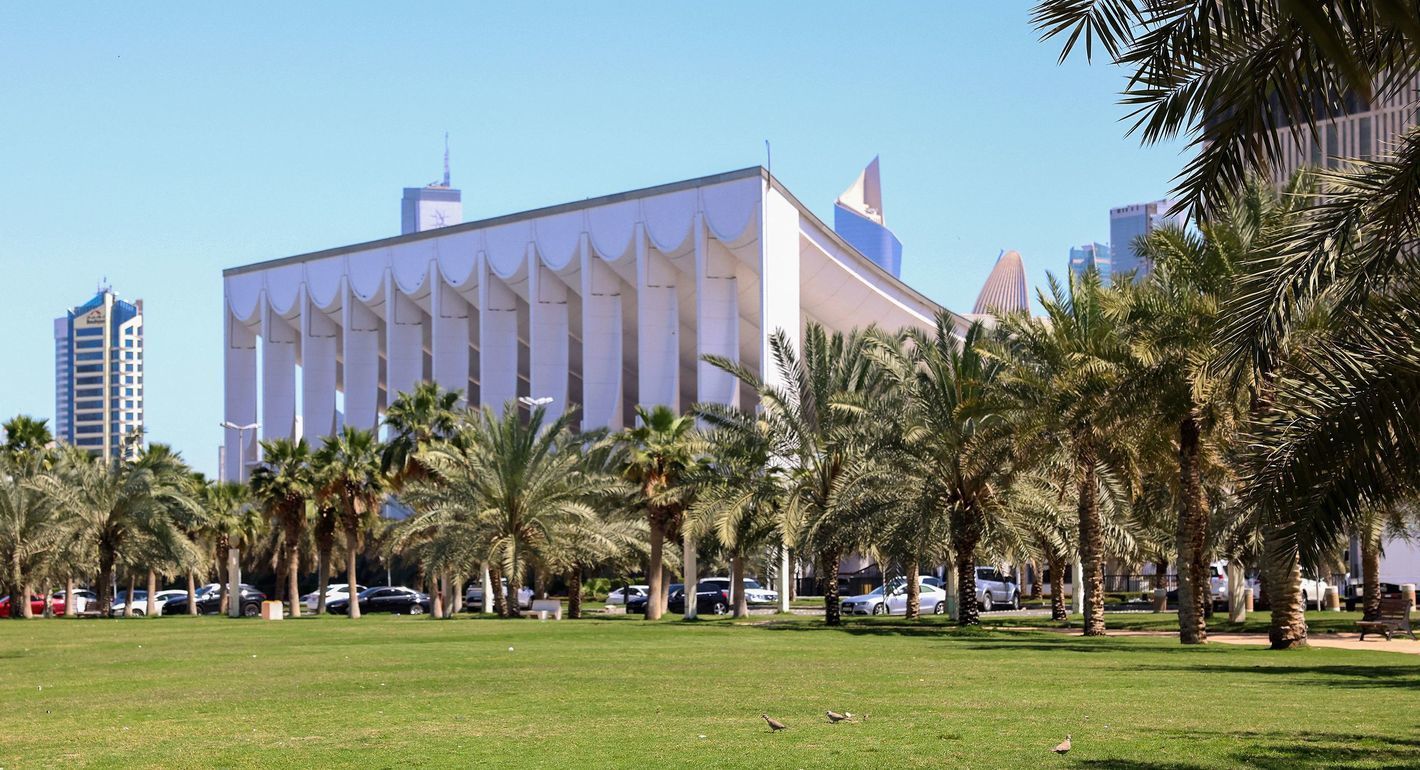
Kuwait’s government has repeatedly launched ambitious reforms under Kuwait Vision 2035, yet bureaucratic inefficiency, siloed institutions, and weak feedback mechanisms continue to stall progress. Adopting government analytics—real-time monitoring and evidence-based decision-making—can transform reform from repetitive announcements into measurable outcomes.
Dalal A. Marafie
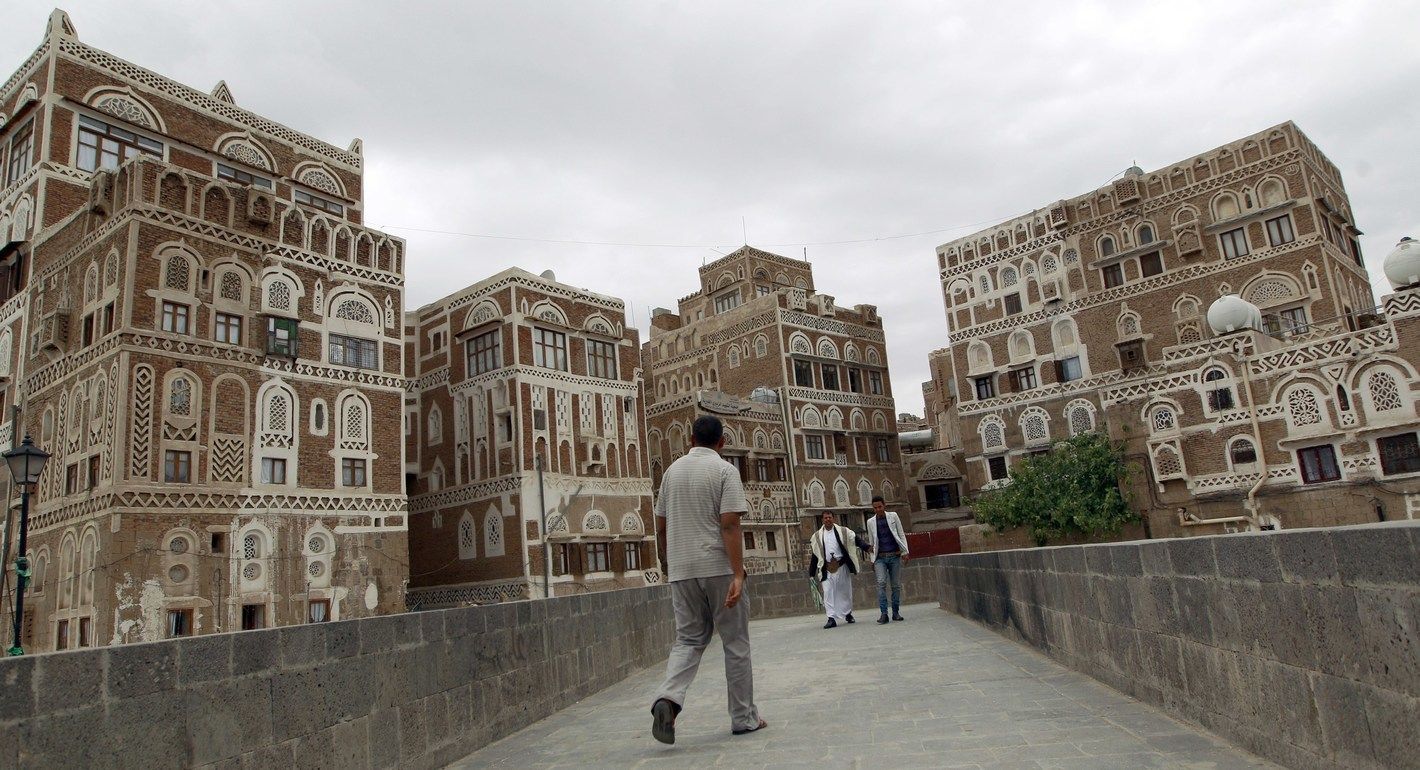
The chaos of street naming in Sana’a reflects the deep weakness of the Yemeni state and its failure to establish a unified urban identity, leaving residents to rely on informal, oral naming systems rooted in collective memory. This urban disorder is not merely a logistical problem but a symbolic struggle between state authority and local community identity.
Sarah Al-Kbat
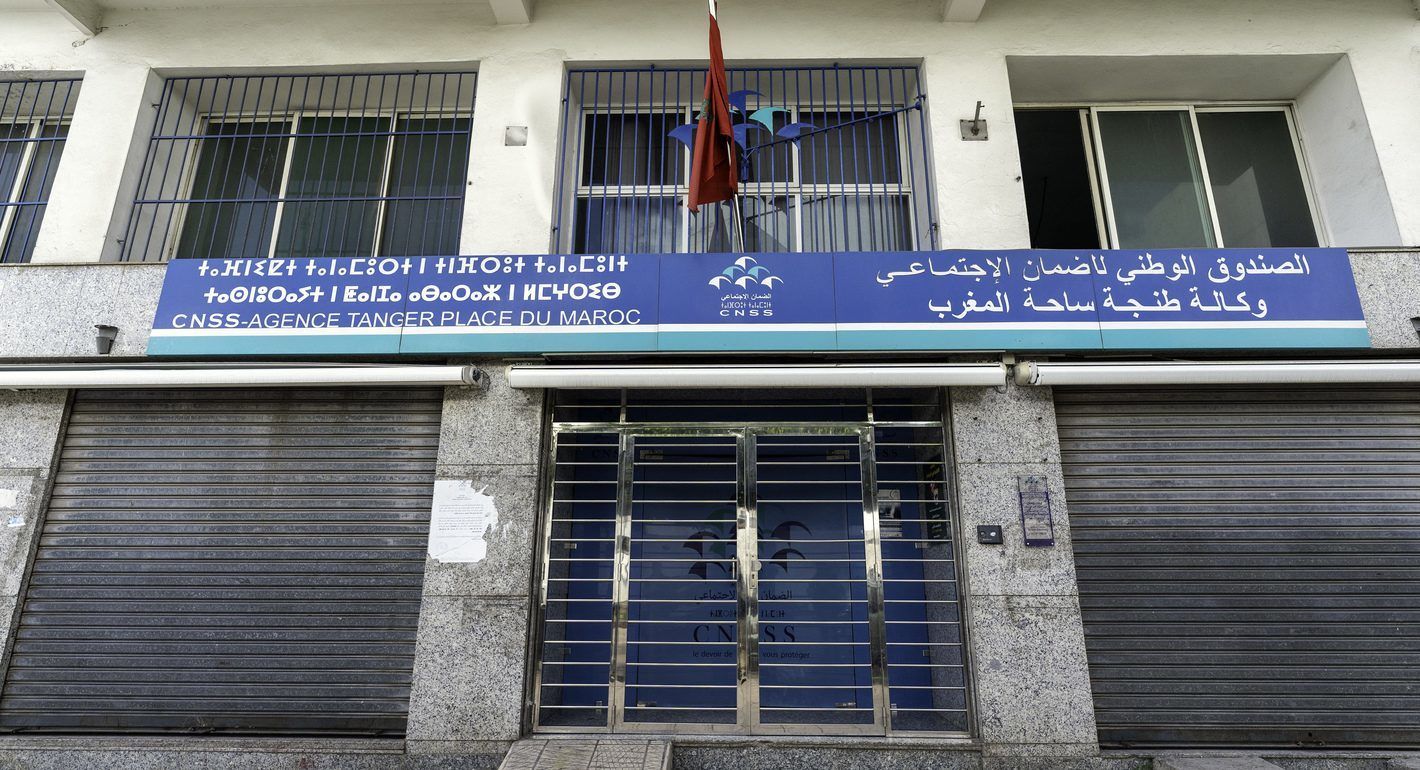
While Morocco’s shift to a digitized social targeting system improves efficiency and coordination in social programs, it also poses risks of exclusion and reinforces austerity policies. The new system uses algorithms based on socioeconomic data to determine eligibility for benefits like cash transfers and health insurance. However, due to technical flaws, digital inequality, and rigid criteria, many vulnerable families are unfairly excluded.
Abderrafie Zaanoun