

Commentary
Syria's transition promised a fresh start. But are old habits of power making a comeback? This analysis looks at the warning signs and what it will take to build a more accountable state.
Sima Beitinjaneh
{
  "authors": [
    "Robert Parks"
  ],
  "type": "commentary",
  "blog": "Sada",
  "centerAffiliationAll": "",
  "centers": [
    "Carnegie Endowment for International Peace"
  ],
  "collections": [],
  "englishNewsletterAll": "",
  "nonEnglishNewsletterAll": "",
  "primaryCenter": "Carnegie Endowment for International Peace",
  "programAffiliation": "",
  "programs": [],
  "projects": [],
  "regions": [
    "North Africa",
    "Algeria"
  ],
  "topics": [
    "Political Reform",
    "Democracy"
  ]
}

REQUIRED IMAGE
On July 19, 2005, Secretary General Abdelaziz Belkhadem of the National Liberation Front (FLN), Algeria's current parliamentary majority party, announced the creation of a party commission for constitutional reform. Citing the pressing need to “clarify the nature of the regime,” he ignited the latest round of political debate over Algeria's Constitution.
On July 19, 2005, Secretary General Abdelaziz Belkhadem of the National Liberation Front (FLN), Algeria's current parliamentary majority party, announced the creation of a party commission for constitutional reform. Citing the pressing need to “clarify the nature of the regime,” he ignited the latest round of political debate over Algeria's Constitution.
The 1996 Algerian Constitution has few friends. Devised as a means of transitioning from military junta to civilian-dominated politics, it outlines an executive system that features both a president and a prime minister as well as a bicameral legislative system wrought with institutional checks and balances to hedge against a possible Islamist-dominated parliament. Algeria's political parties and civil society groups, excluded from the drafting process, complain that the constitution fails to disaggregate the duties of the executive and legislative branches. For his part, Algerian President Abdelaziz Bouteflika has declared the document cumbersome and ill adapted to the exigencies of a society exiting armed insurrection and in desperate need of political and economic reform.
With so many powerful players lined up against it, it is surprising that the 1996 Constitution has lasted this long. The explanation is partly institutional and partly political. Amendments to the constitution can only be ratified through a national referendum, which requires either an executive decree or a three-quarter vote of the two houses of parliament (the National Assembly and the Senate) called into joint session. The two main parties comprising the current presidential coalition—the FLN and the Democratic National Rally (RND)—have proposed constitutional reform but neither has been able to gather the required three-fourths vote. Ostensibly parliamentary allies, each has rejected the other's reform proposals.
Underlying this dispute over institutional change is a struggle for control of the government. Article 79 of the Constitution allows the president to select the prime minister from outside the dominant party or coalition in the National Assembly, thus allowing him to play both parties against each other. Indeed, since the constitution's ratification, there have been two periods of awkward cohabitation. Between 1999 and 2002, the FLN held the premiership even though the RND had a governing 42 percent of National Assembly seats. And since 2003, RND Secretary General Ahmed Ouyahia has served as prime minister despite the FLN's 52 percent majority in parliament.
Like the RND's earlier efforts, the current round of FLN constitutional proposals are framed in the language of the institutional separation of powers, best illustrated in two speeches that initiated the debate last summer. On July 14, 2005, FLN Chairman of Party Organization and Finance Abdelkrim Abada demanded FLN control of the prime ministerial portfolio. Implying that it was up to President Bouteflika, who was named symbolic head of the FLN in January 2005, to deliver the premiership Abada added, “We [the FLN] are not the president's men; the president is our man, and we will continue to be his men only insofar as he continues to work for the party.” A few days later, FLN Secretary General Abdelaziz Belkhadem backpedaled, retracting Abada's statements on the premiership while affirming the urgent need to “clarify the nature of the regime” and “clarify the prerogatives of the president.”
As was the case with the previous aborted proposals, the current debate is opaque. Eight months into the discussion the FLN has yet to submit specific proposals to public debate. Belkhadem has kept discussion focused on Article 79, despite his repeated denials to the press of his prime ministerial ambitions. He sweetened the deal on January 18, 2006, announcing an FLN proposal to extend the length of presidential mandate from five to seven years and to abrogate the two-term limit—clearly a quid pro quo in return for the premiership. Given President Bouteflika's continued popularity, however, there is every reason to believe that he would succeed in a referendum to extend his mandate, with or without FLN support.
The constitutional reform impasse has been attributed to failed compromise over institutional details and to inter-party squabbling. The debate, however, should not be viewed as a long process of party negotiation and interest articulation. Rather, as previous proposals and current FLN debate illustrate, Algerian discussion on constitutional reform is a project driven by individuals, reflecting the weak state of Algerian civil and political society. In the absence of political parties with real platforms and the ability to mobilize, Algerian constitutional reform remains a presidential prerogative. And so the key question is not how reform to Article 79 might affect political parties in the long run, but whether the ailing President Bouteflika has the strength or the will to run for a third term in 2009.
Robert P. Parks is a Ph.D. candidate at the University of Texas at Austin and is currently Director of the American Institute for Maghrib Studies' newest overseas center, the Centre d'Études Maghrébines en Algérie (CEMA), in Oran, Algeria.
Robert Parks
Carnegie does not take institutional positions on public policy issues; the views represented herein are those of the author(s) and do not necessarily reflect the views of Carnegie, its staff, or its trustees.
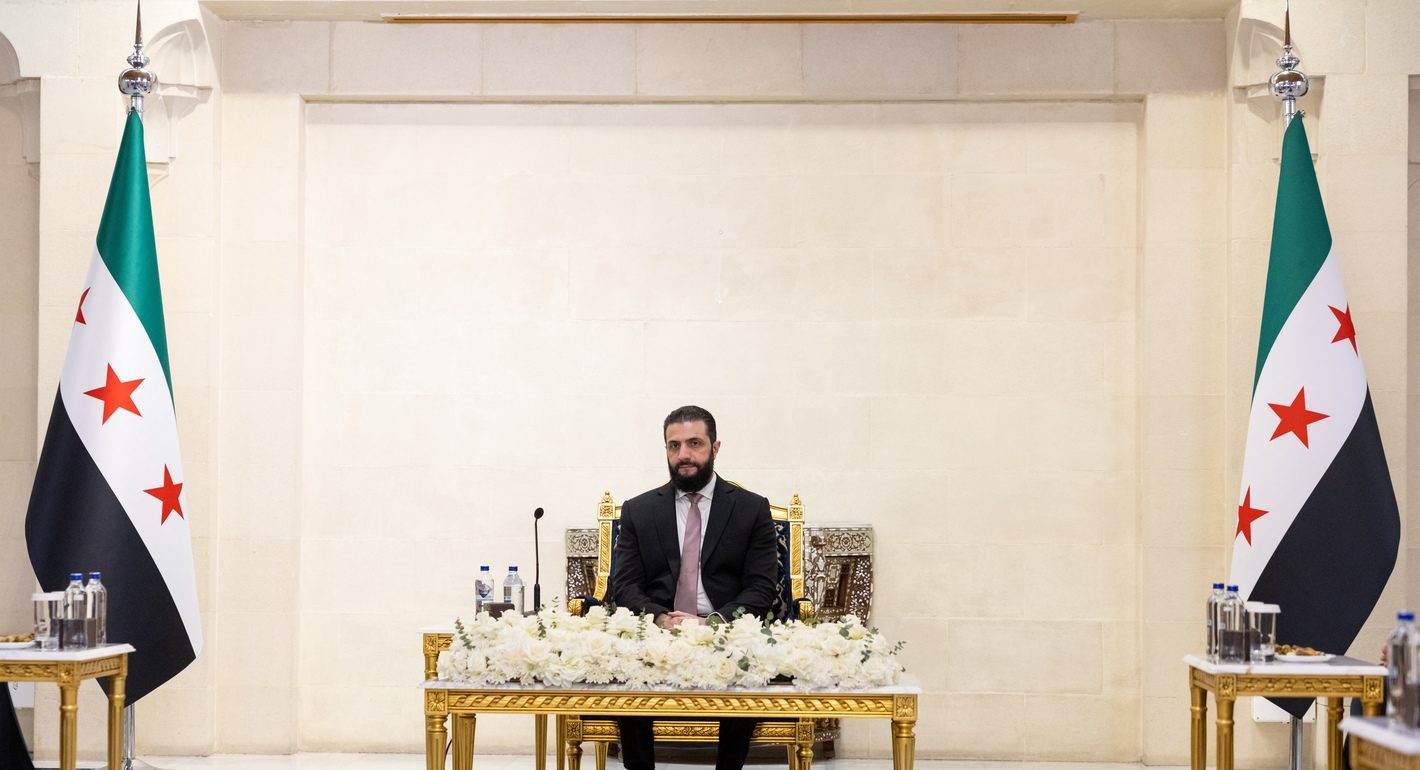
Syria's transition promised a fresh start. But are old habits of power making a comeback? This analysis looks at the warning signs and what it will take to build a more accountable state.

Sima Beitinjaneh
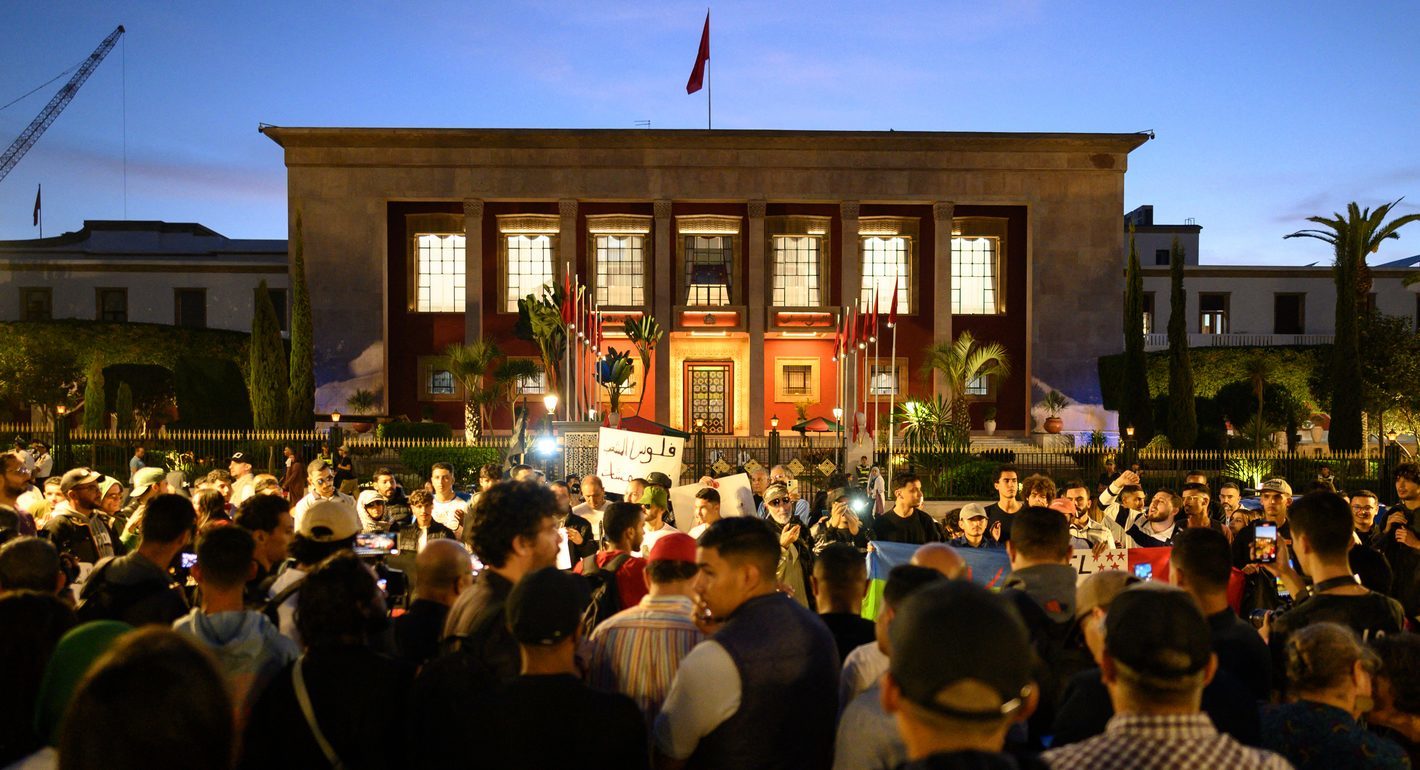
From anime heroes to online gaming communities, Morocco’s Gen Z is building a new protest culture. What does this digital imagination reveal about youth politics, and how should institutions respond?
Abdelilah Farah
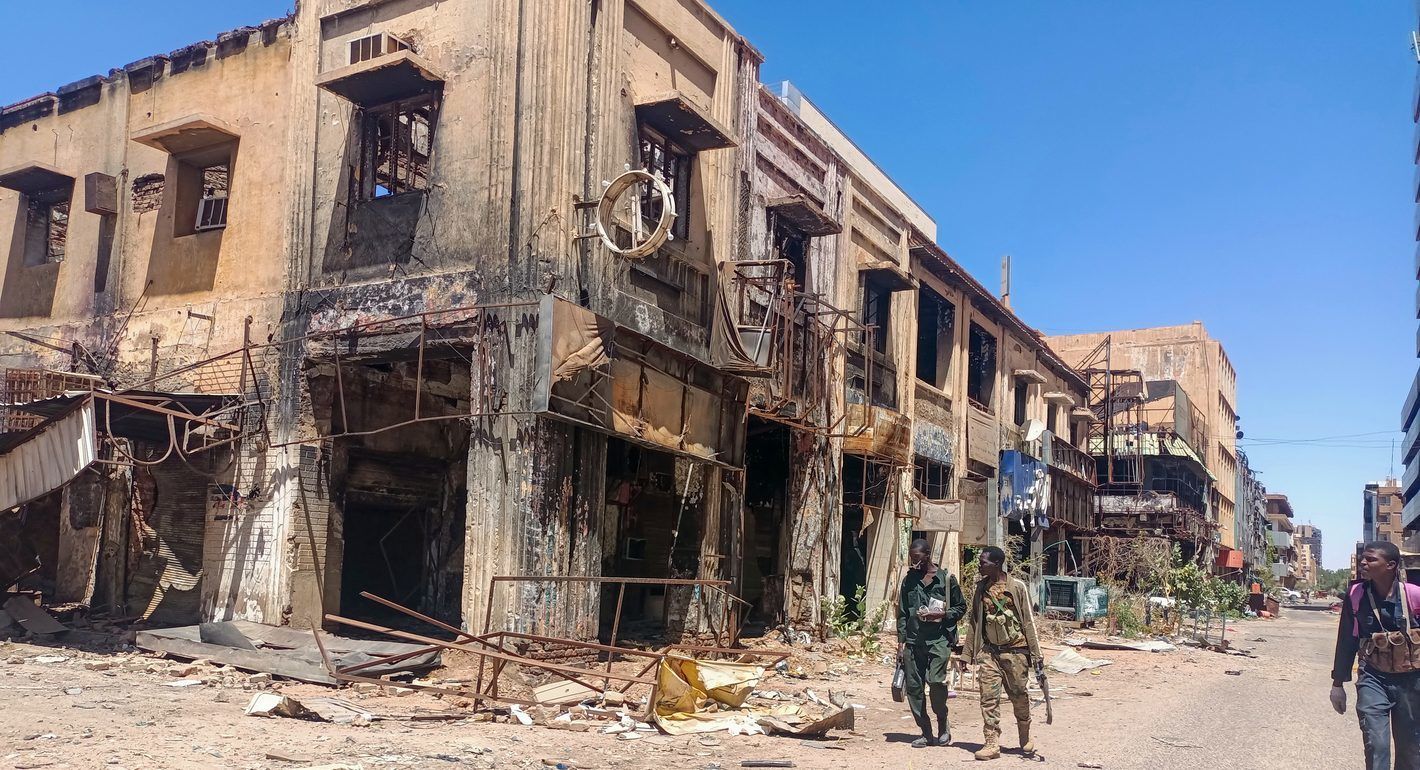
Hate speech has spread across Sudan and become a key factor in worsening the war between the army and the Rapid Support Forces. The article provides expert analysis and historical background to show how hateful rhetoric has fueled violence, justified atrocities, and weakened national unity, while also suggesting ways to counter it through justice, education, and promoting a culture of peace.
Samar Sulaiman
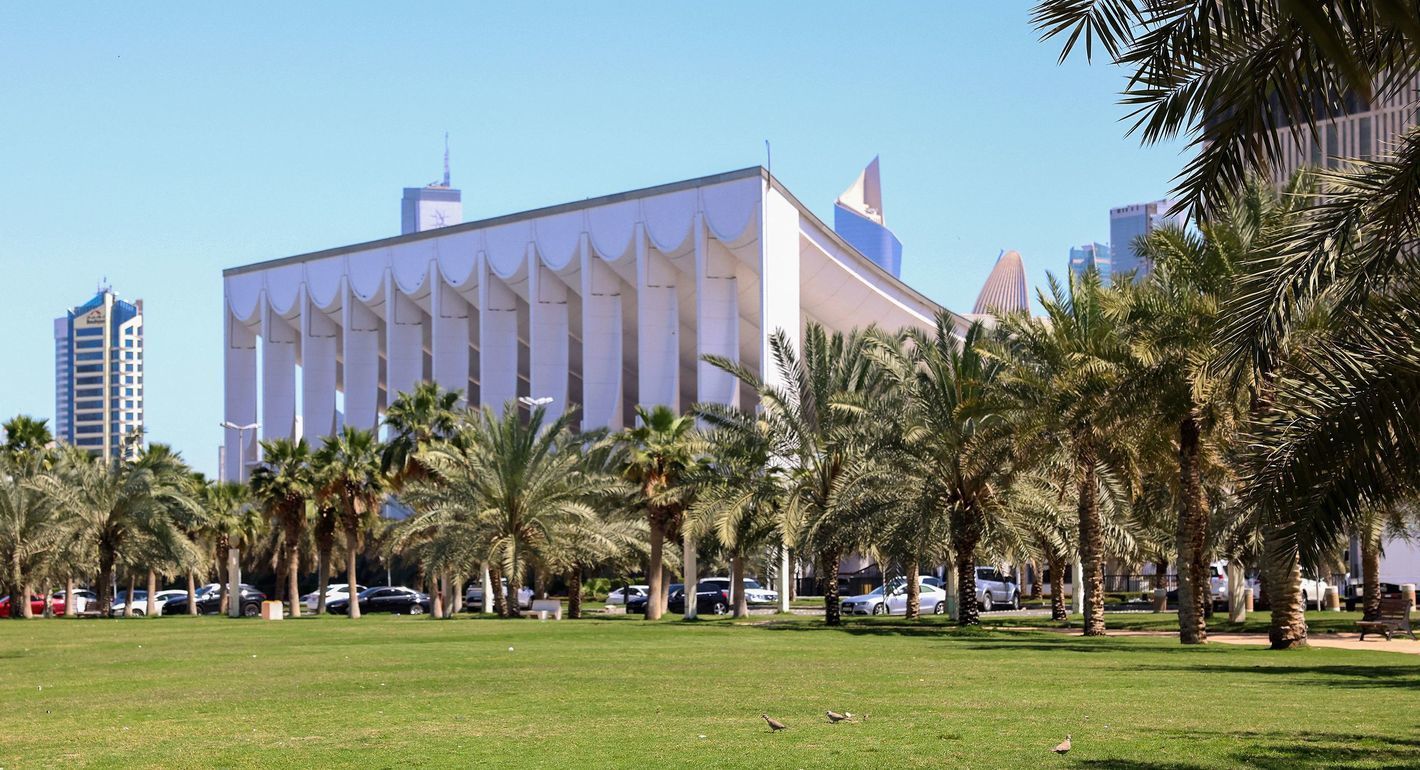
Kuwait’s government has repeatedly launched ambitious reforms under Kuwait Vision 2035, yet bureaucratic inefficiency, siloed institutions, and weak feedback mechanisms continue to stall progress. Adopting government analytics—real-time monitoring and evidence-based decision-making—can transform reform from repetitive announcements into measurable outcomes.
Dalal A. Marafie
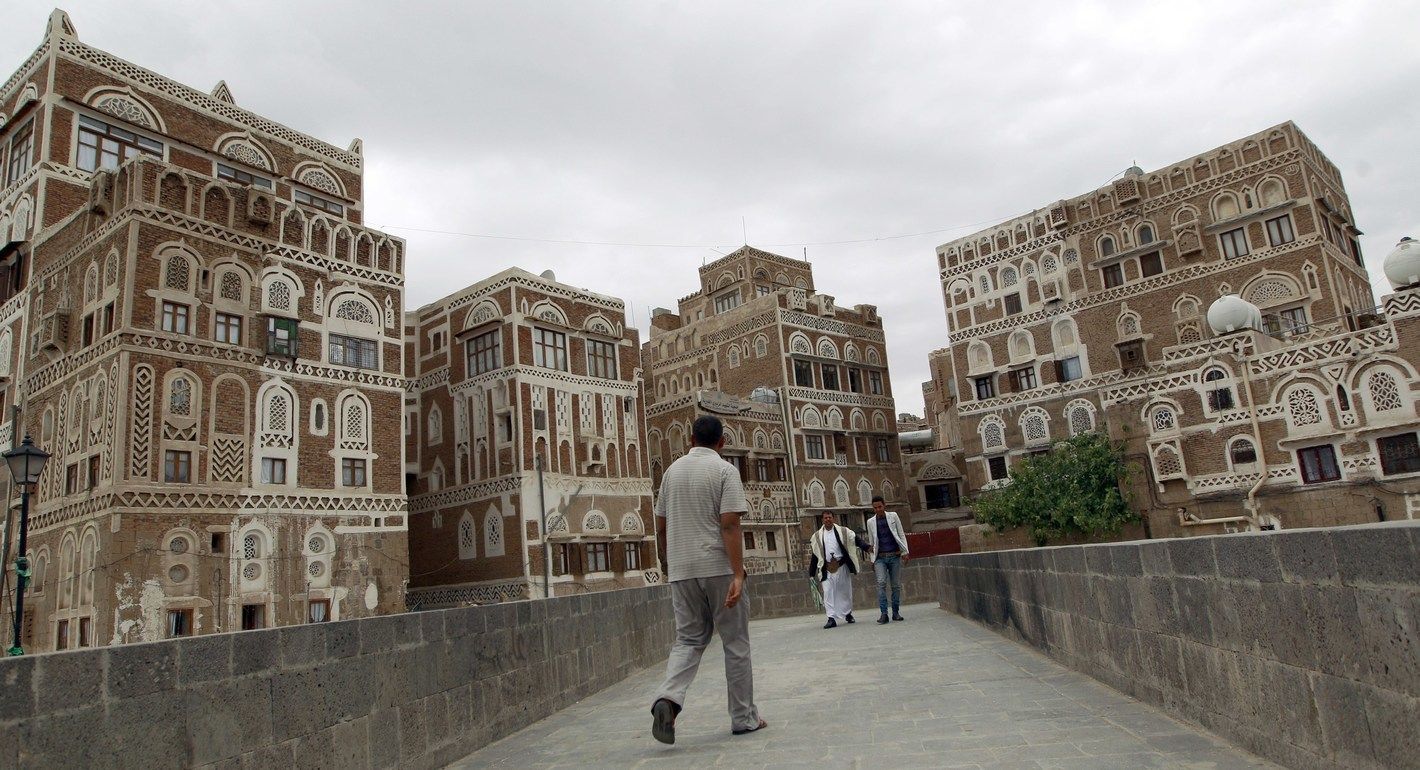
The chaos of street naming in Sana’a reflects the deep weakness of the Yemeni state and its failure to establish a unified urban identity, leaving residents to rely on informal, oral naming systems rooted in collective memory. This urban disorder is not merely a logistical problem but a symbolic struggle between state authority and local community identity.
Sarah Al-Kbat