

Commentary
Syria's transition promised a fresh start. But are old habits of power making a comeback? This analysis looks at the warning signs and what it will take to build a more accountable state.
Sima Beitinjaneh
{
  "authors": [
    "Eva Wegner"
  ],
  "type": "commentary",
  "blog": "Sada",
  "centerAffiliationAll": "",
  "centers": [
    "Carnegie Endowment for International Peace"
  ],
  "collections": [],
  "englishNewsletterAll": "",
  "nonEnglishNewsletterAll": "",
  "primaryCenter": "Carnegie Endowment for International Peace",
  "programAffiliation": "",
  "programs": [],
  "projects": [],
  "regions": [
    "North Africa",
    "Morocco"
  ],
  "topics": [
    "Political Reform"
  ]
}

REQUIRED IMAGE
The Party of Justice and Development (PJD) is the offspring of the Movement for Unity and Reform, itself an amalgam of several Islamist organizations. It has held seats in parliament since 1997 and increased its share from 14 to 42 seats in the 2002 elections, even though the party only ran in half of Morocco's electoral districts.
The Party of Justice and Development (PJD) is the offspring of the Movement for Unity and Reform, itself an amalgam of several Islamist organizations. It has held seats in parliament since 1997 and increased its share from 14 to 42 seats in the 2002 elections, even though the party only ran in half of Morocco's electoral districts. With the exception of the 1998-2000 period, during which the PJD lent its support (but did not hold ministerial portfolios) to the government lead by Socialist Party Prime Minister Youssoufi, it has remained in opposition throughout the whole period.
The PJD is similar to other parties in that it generally competes actively with its counterparts within the parliament but displays docility toward the palace. In one telling episode, the PJD worked with other Islamist movements to mobilize against a proposed reform of personal status laws under the Youssoufi government, only to endorse the reform after it became part of King Muhammad's political agenda in 2003.
The PJD has succeeded in differentiating itself from other political parties not so much by pushing for distinctively Islamist policies but by establishing and maintaining a reputation as a party that defends the interests of the populace rather than those of a self-interested political elite. Since 1997 it has also evolved into a more open organization that increasingly attracts voters, members, and candidates from segments of Moroccan society without a background of Islamist activism. While the PJD lacks a clearly defined political program, it has focused most of its parliamentary activities on increasing transparency and fighting corruption, issues that appeal to Islamist and non-Islamist voters alike.
From the beginning, PJD interventions in parliament have focused on improved ethics in and empowerment of Moroccan political institutions. In a symbolic move against absenteeism, the party circulated an attendance list to be signed by its deputies at general assembly and committee hearings and required explanation for absence or tardiness. Similarly, in weekly hearings broadcast on Moroccan TV, the PJD repeatedly insisted on enforcing parliamentary regulations sanctioning absent deputies. PJD deputies submitted the largest number of written questions and a substantial proportion of the oral questions, and denounced government delays in replying.
Differentiating itself from other Moroccan parties is at the core of the PJD's political capital. This was demonstrated by the way the leadership formalized deputies' obligations after the 2002 elections, when the PJD parliamentary group had grown significantly. Fearing that PJD deputies would fall into bad habits as they became part of the parliament's culture, the party leadership set up an internal code requiring deputies to attend all parliamentary sessions and to be productive. Each deputy is required to draft at least one oral question per week, one written question per month, and to propose one bill per legislative year. The PJD also requires deputies to remit at least 22 percent of their remuneration to the party in order to strengthen both party finances and the reputation of PJD deputies as not working for profit.
Beyond the issue of ethics, the PJD has also worked on strengthening its ability to develop legislation, founding the “Forum du Développement” in 2000. Its tasks are to develop party policies and to support and train deputies. Most questions, amendments, and draft bills of a more technical nature—for instance, relating to the budget law rather than denouncing collaboration by leftist parties with the “Zionist entity”—have been produced by the Forum's members. These highly pragmatic technocrats are now increasingly coming to the forefront in the party. PJD leaders parachuted several of them into the top ranks of electoral lists in 2003 local elections, knowing that candidates capable of managing budgets, multi-party coalitions, and interacting with governors would be more effective than school teachers (the largest pool of PJD candidates and current deputies). By setting up projects centered on improving public services, such as low income housing or waste management, the technocrats must now show that the party can indeed make a difference. Their experience may indicate the extent to which the PJD—or perhaps any party with an ethical message—can survive the hazards of governance in the Middle East and North Africa.
Eva Wegner is a researcher at the European University Institute in Florence.
Eva Wegner
Carnegie does not take institutional positions on public policy issues; the views represented herein are those of the author(s) and do not necessarily reflect the views of Carnegie, its staff, or its trustees.
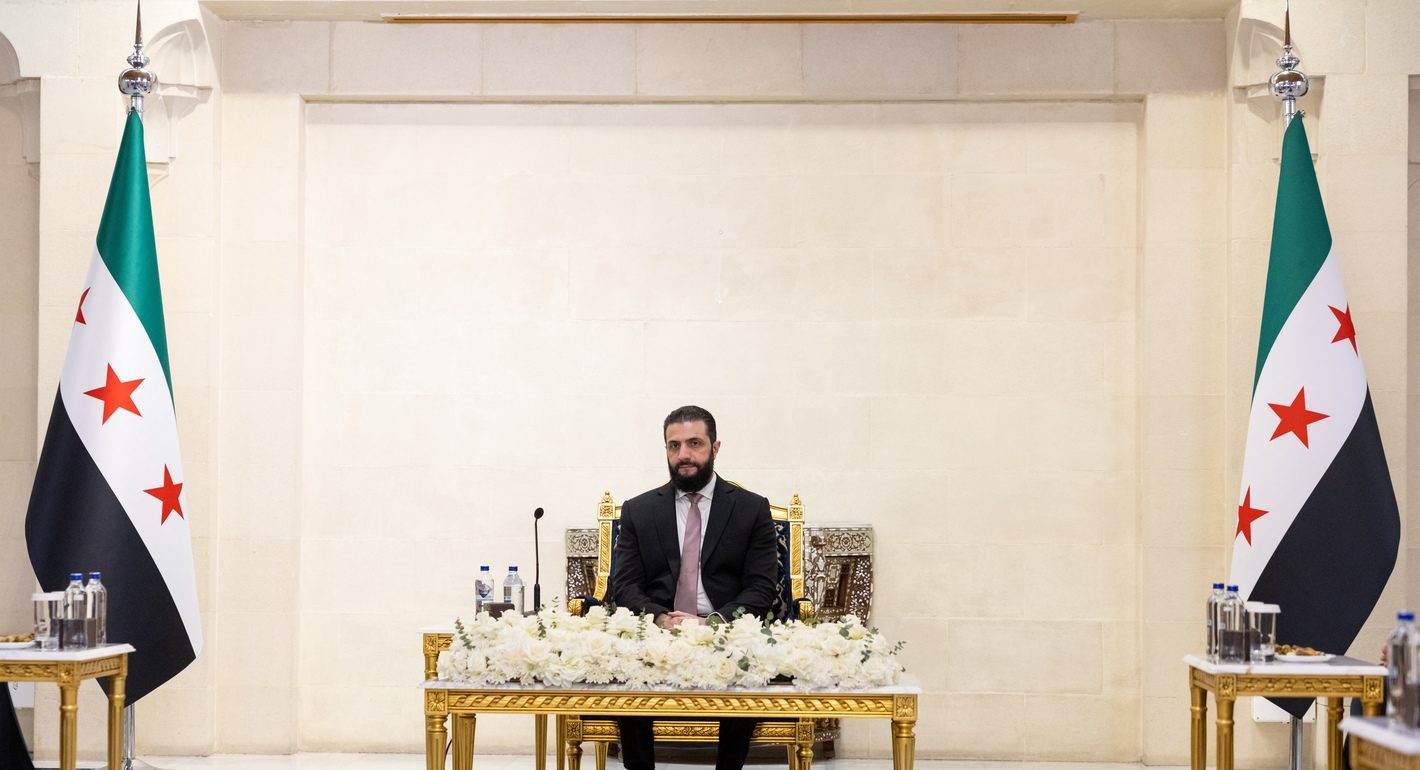
Syria's transition promised a fresh start. But are old habits of power making a comeback? This analysis looks at the warning signs and what it will take to build a more accountable state.

Sima Beitinjaneh
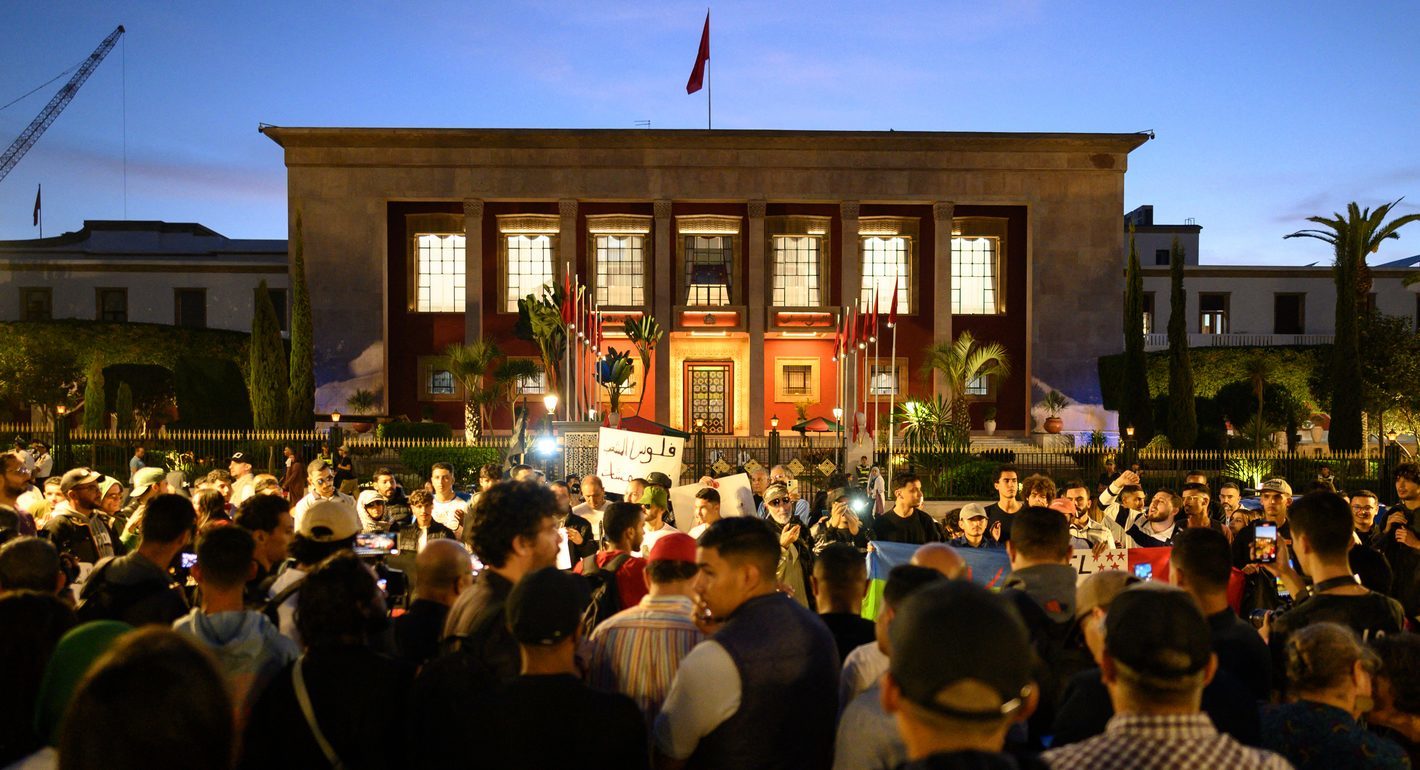
From anime heroes to online gaming communities, Morocco’s Gen Z is building a new protest culture. What does this digital imagination reveal about youth politics, and how should institutions respond?
Abdelilah Farah
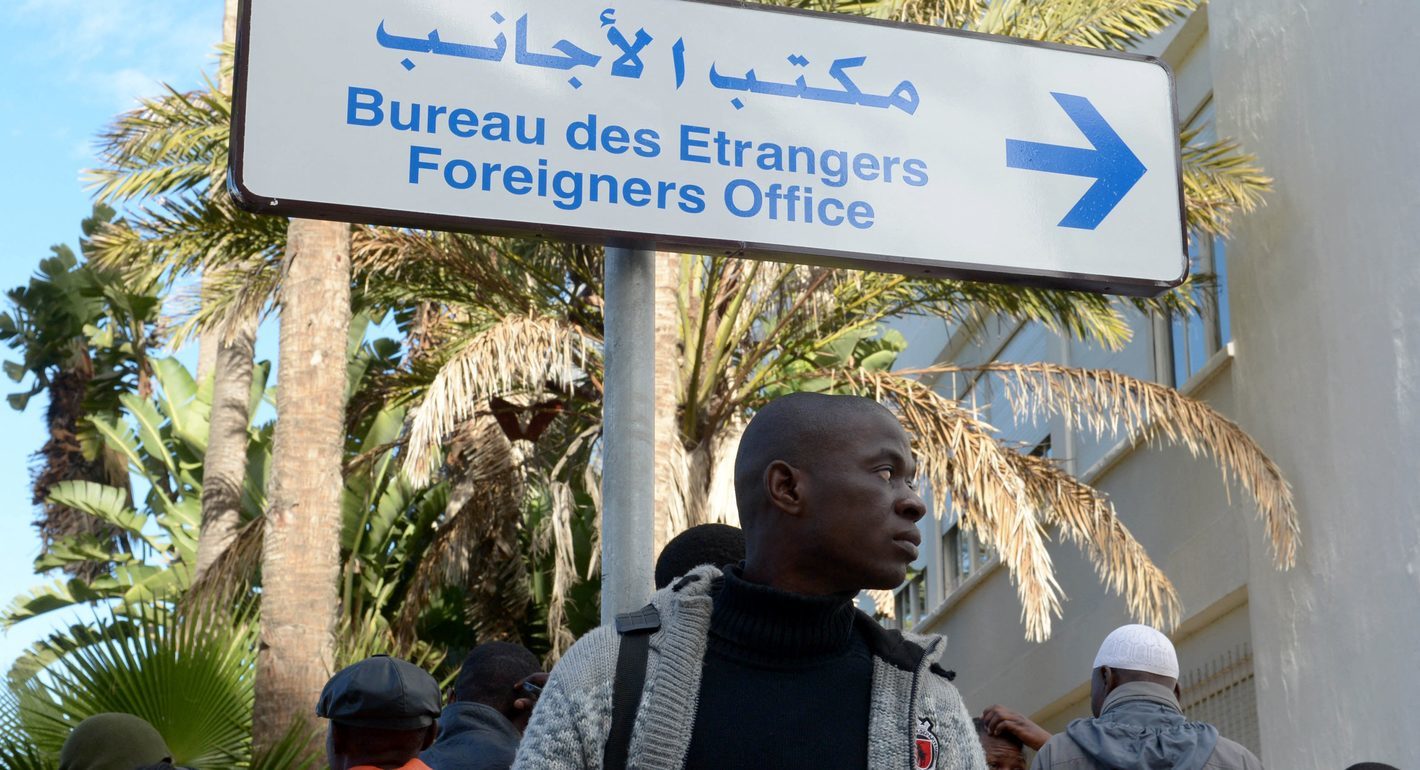
Is Morocco’s migration policy protecting Sub-Saharan African migrants or managing them for political and security ends? This article unpacks the gaps, the risks, and the paths toward real rights-based integration.
Soufiane Elgoumri
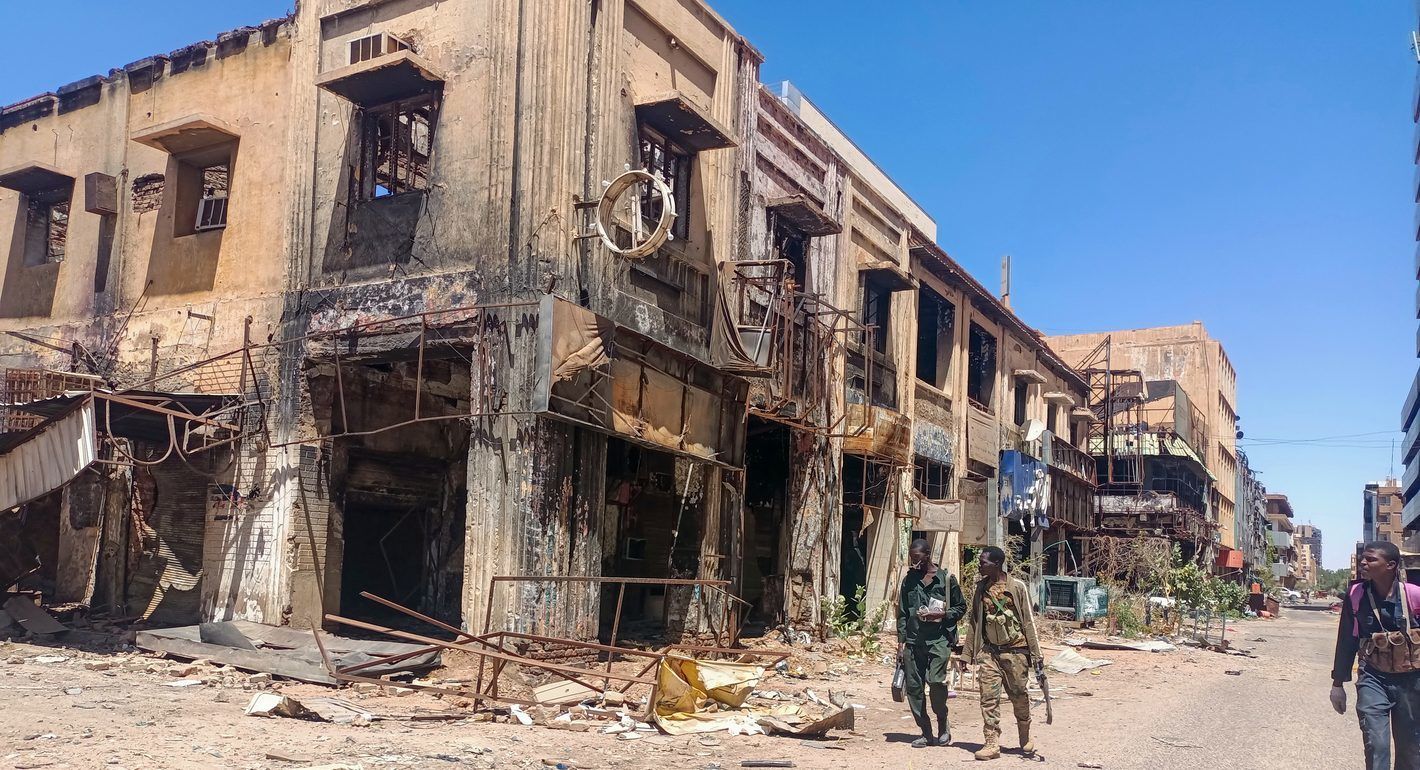
Hate speech has spread across Sudan and become a key factor in worsening the war between the army and the Rapid Support Forces. The article provides expert analysis and historical background to show how hateful rhetoric has fueled violence, justified atrocities, and weakened national unity, while also suggesting ways to counter it through justice, education, and promoting a culture of peace.
Samar Sulaiman
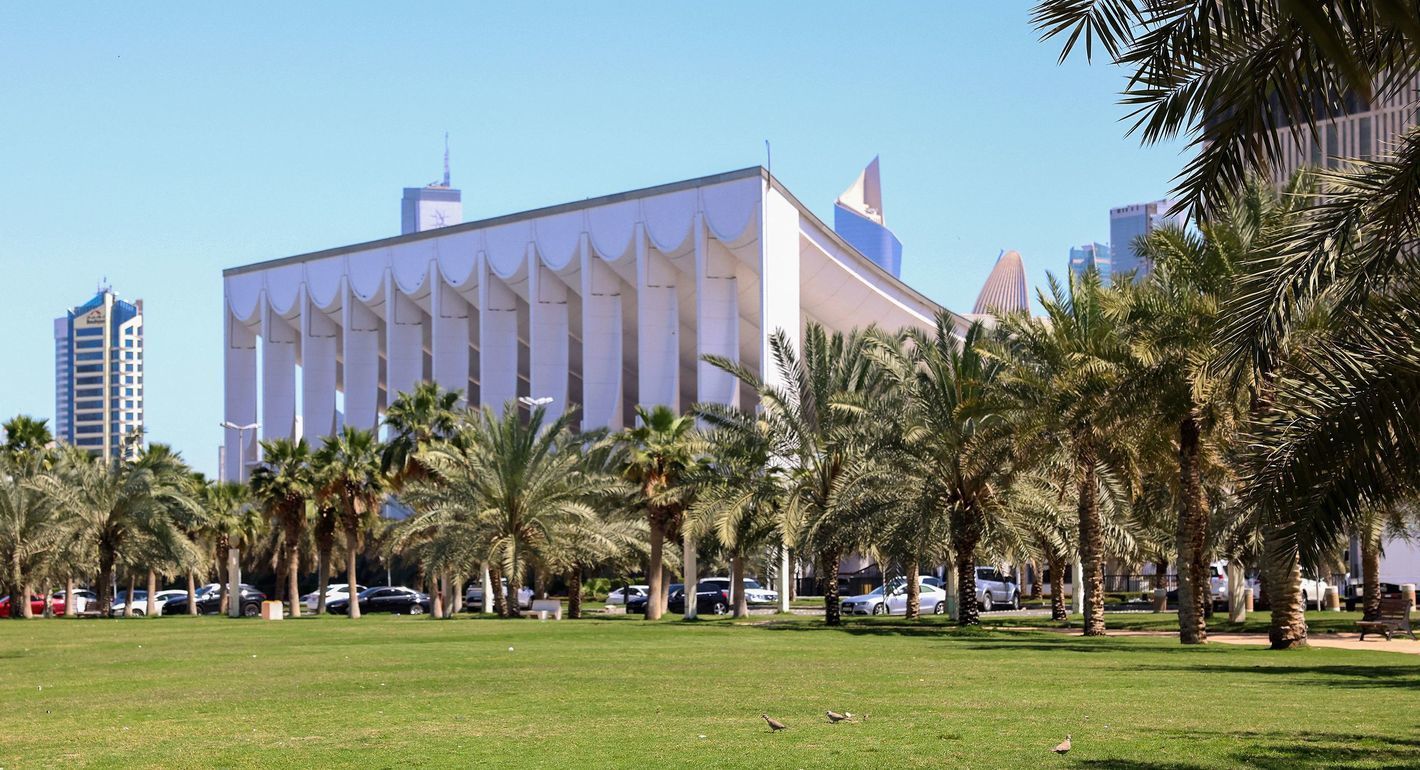
Kuwait’s government has repeatedly launched ambitious reforms under Kuwait Vision 2035, yet bureaucratic inefficiency, siloed institutions, and weak feedback mechanisms continue to stall progress. Adopting government analytics—real-time monitoring and evidence-based decision-making—can transform reform from repetitive announcements into measurable outcomes.
Dalal A. Marafie