

Article
Marina Ottaway, Omar Hossino
{
  "authors": [
    "Marina Ottaway"
  ],
  "type": "commentary",
  "blog": "Sada",
  "centerAffiliationAll": "",
  "centers": [
    "Carnegie Endowment for International Peace"
  ],
  "collections": [],
  "englishNewsletterAll": "",
  "nonEnglishNewsletterAll": "",
  "primaryCenter": "Carnegie Endowment for International Peace",
  "programAffiliation": "",
  "programs": [],
  "projects": [],
  "regions": [
    "Iraq"
  ],
  "topics": [
    "Political Reform"
  ]
}

REQUIRED IMAGE
In the months since the end of the war, the United States has set up scores of local councils in Iraq's cities and main towns, reaching an estimated 51 percent of the country's population. Put together under emergency conditions, the local councils are not elected, but selected by the civil affairs teams in consultation with Iraqis.
In the months since the end of the war, the United States has set up scores of local councils in Iraq's cities and main towns, reaching an estimated 51 percent of the country's population. Put together under emergency conditions, the local councils are not elected, but selected by the civil affairs teams in consultation with Iraqis. The local councils are important interlocutors for the military officers and Coalition Provisional Authority (CPA) members who control the towns, but they have no real power. Furthermore, so far councils have no control over financial resources, except for small grants provided by U.S. government agencies and contractors. Despite their very obvious present limitations, these local councils could be a stepping stone in the formation of a decentralized local government system in Iraq.
The initiatives to promote local government and citizen's participation in Iraq involve four major actors with somewhat different but also overlapping responsibilities: the military's civil affairs teams; the Research Triangle Institute (RTI), which in April won the Iraq Sub-National Governance and Civic Institution Support Program contract, now funded at more than $100 million; the Office of Transition Initiatives (OTI) of the Agency for International Development; and five American non-governmental organizations (NGOs) (Mercy Corps, International Relief and Development, Inc., Agricultural Cooperative Development International and Volunteers in Overseas Cooperative Assistance, Cooperative Housing Foundation International, and Save the Children Federation, Inc.), which together won the $35 million Community Action Program (CAP) contract.
The civil affairs teams started setting up local government councils immediately after the occupation. Teams operated with minimal guidance, leading to variations in the procedures followed to organize the councils. Generally, the civil affairs team in each town identified "natural leaders"-- typically, a mixture of professionals, teachers, clerics, merchants, and leaders of emerging women's groups. After being vetted for Baath party affiliations and their reputation in the community, as many as several hundreds of these individuals were brought together in a delegate convention to elect members of the local council. The civil affairs teams usually rounded out the council by appointing some women and minorities. This process constitutes the local elections often mentioned by Bush administration officials.
Local councils have limited power. They do not control a budget and the technical departments that provide services like water or electricity receive their directives--and their paychecks--from their respective ministries in Baghdad. Local councils can thus identify problems, but depend on others to solve them. Still, they do receive small grants from the Research Triangle Institute and the Office of Transition Initiatives and can undertake some minor initiatives.
The Research Triangle Institute provides technical assistance to the local councils. Experts on RTI's 365-person team (consisting of 120 internationals and 245 Iraqis) work with the councils and the technical departments to identify and solve problems in the delivery of services. RTI instructs council members on how to organize the council and run meetings, as there is not much experience on these issues in post-Saddam Iraq. RTI also trains them on preparing and managing budgets--though this step appears premature, since the councils have no funds. Finally, RTI provides small grants to the councils to help them address local problems quickly.
The Office of Transition Initiatives, a small USAID bureau designed to quickly disburse grants in post-conflict situations, has gained greater prominence in Iraq with a budget increase from an initial $20 million to $135 million for 2003 and 2004. Working with consultants from Development Alternatives Inc. and the International Organization for Migration, OTI offers technical assistance and grants to local government as well as to the ministries. An important part of OTI's work has been to help restore buildings so that councils have space to work. OTI's activities overlap to a large extent with that of RTI, so the two organizations keep in close contact to coordinate their activities.
The last piece in the local government puzzle is the Community Action Program, which seeks to enhance political participation by the population. The NGOs that implement the CAP project do not work directly with the local councils (except for the neighborhood council of Baghdad), but they help set up civil society organizations to promote civic participation, advocacy, and self-help. CAP personnel consider their work the real "bottom up" aspect of the development of local governance, contrasting it to the "top down" work done by RTI and OTI in supporting local councils.
The ambitious local government framework set up by the United States in Iraq tries to lay the foundation for a decentralized political system with local councils wielding real control and an active citizenry articulating its demands and lobbying the government. But local councils cannot become effective institutions unless the entire system of government is decentralized, putting more power at the local level.
Marina Ottaway is Senior Associate at the Carnegie Endowment for International Peace.
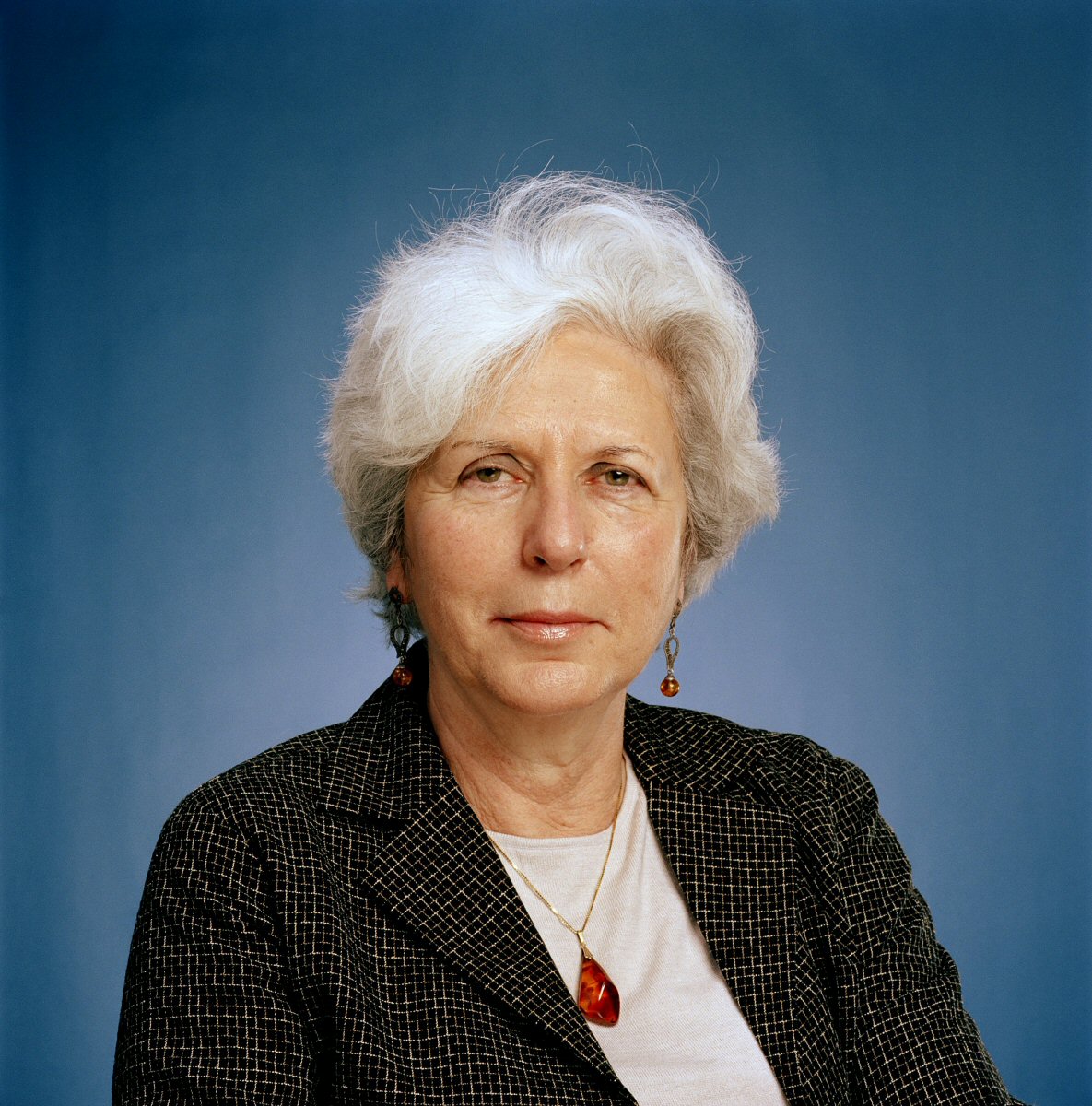
Former Senior Associate, Middle East Program
Before joining the Endowment, Ottaway carried out research in Africa and in the Middle East for many years and taught at the University of Addis Ababa, the University of Zambia, the American University in Cairo, and the University of the Witwatersrand in South Africa.
Recent Work
Marina Ottaway, Omar Hossino
Marina Ottaway
Carnegie does not take institutional positions on public policy issues; the views represented herein are those of the author(s) and do not necessarily reflect the views of Carnegie, its staff, or its trustees.
Syria's transition promised a fresh start. But are old habits of power making a comeback? This analysis looks at the warning signs and what it will take to build a more accountable state.
Sima Beitinjaneh
Iraq’s foreign policy is being shaped by its own internal battles—fractured elites, competing militias, and a state struggling to speak with one voice. The article asks: How do these divisions affect Iraq’s ability to balance between the U.S. and Iran? Can Baghdad use its “good neighbor” approach to reduce regional tensions? And what will it take for Iraq to turn regional investments into real stability at home? It explores potential solutions, including strengthening state institutions, curbing rogue militias, improving governance, and using regional partnerships to address core economic and security weaknesses so Iraq can finally build a unified and sustainable foreign policy.
Mike Fleet
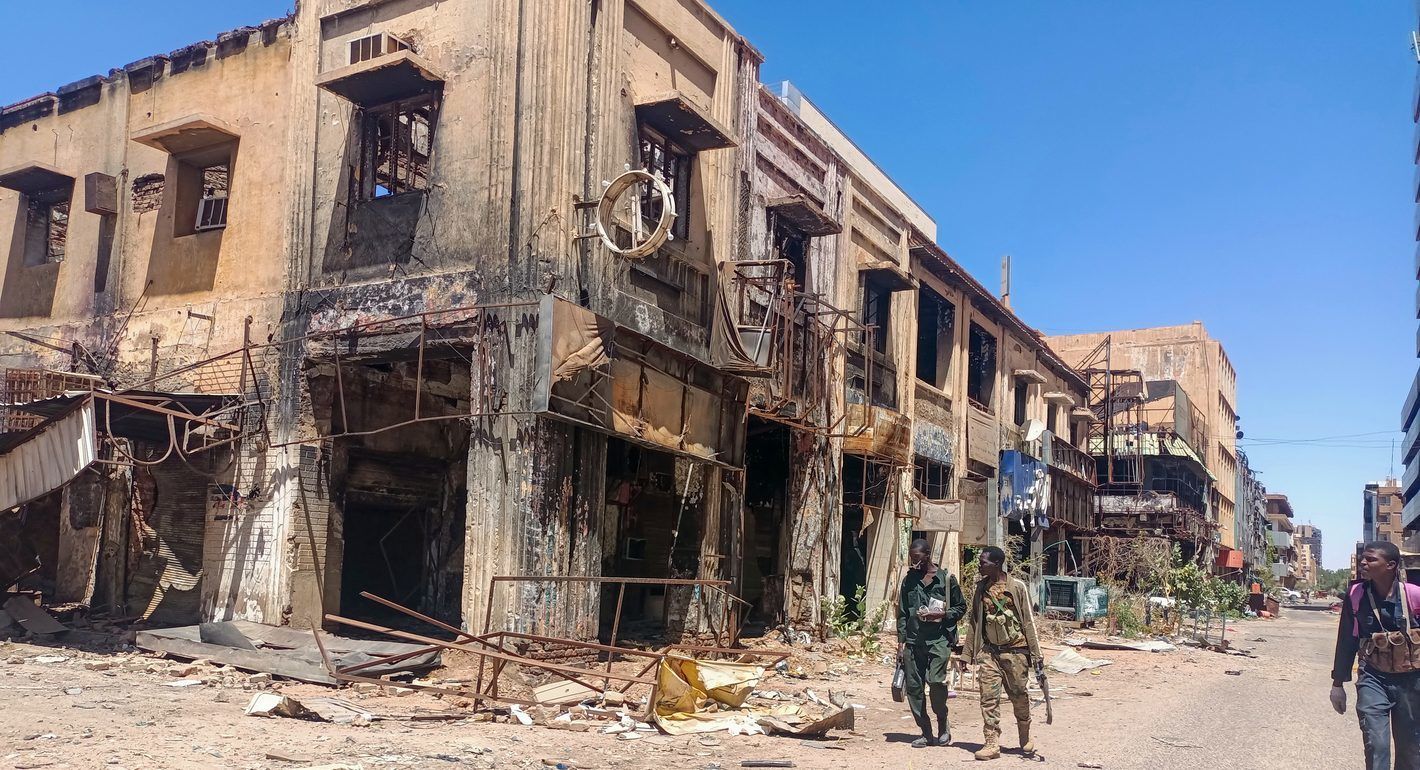
Hate speech has spread across Sudan and become a key factor in worsening the war between the army and the Rapid Support Forces. The article provides expert analysis and historical background to show how hateful rhetoric has fueled violence, justified atrocities, and weakened national unity, while also suggesting ways to counter it through justice, education, and promoting a culture of peace.
Samar Sulaiman
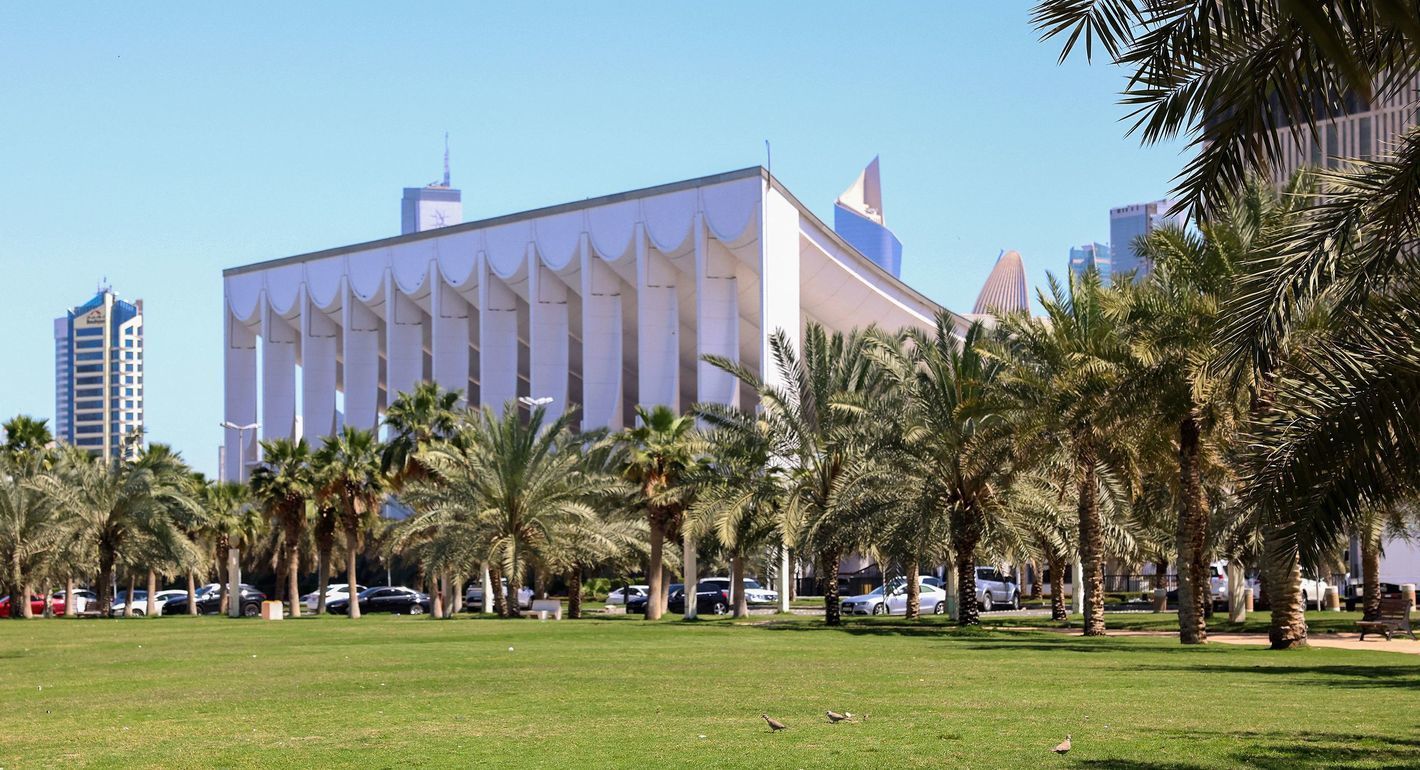
Kuwait’s government has repeatedly launched ambitious reforms under Kuwait Vision 2035, yet bureaucratic inefficiency, siloed institutions, and weak feedback mechanisms continue to stall progress. Adopting government analytics—real-time monitoring and evidence-based decision-making—can transform reform from repetitive announcements into measurable outcomes.
Dalal A. Marafie
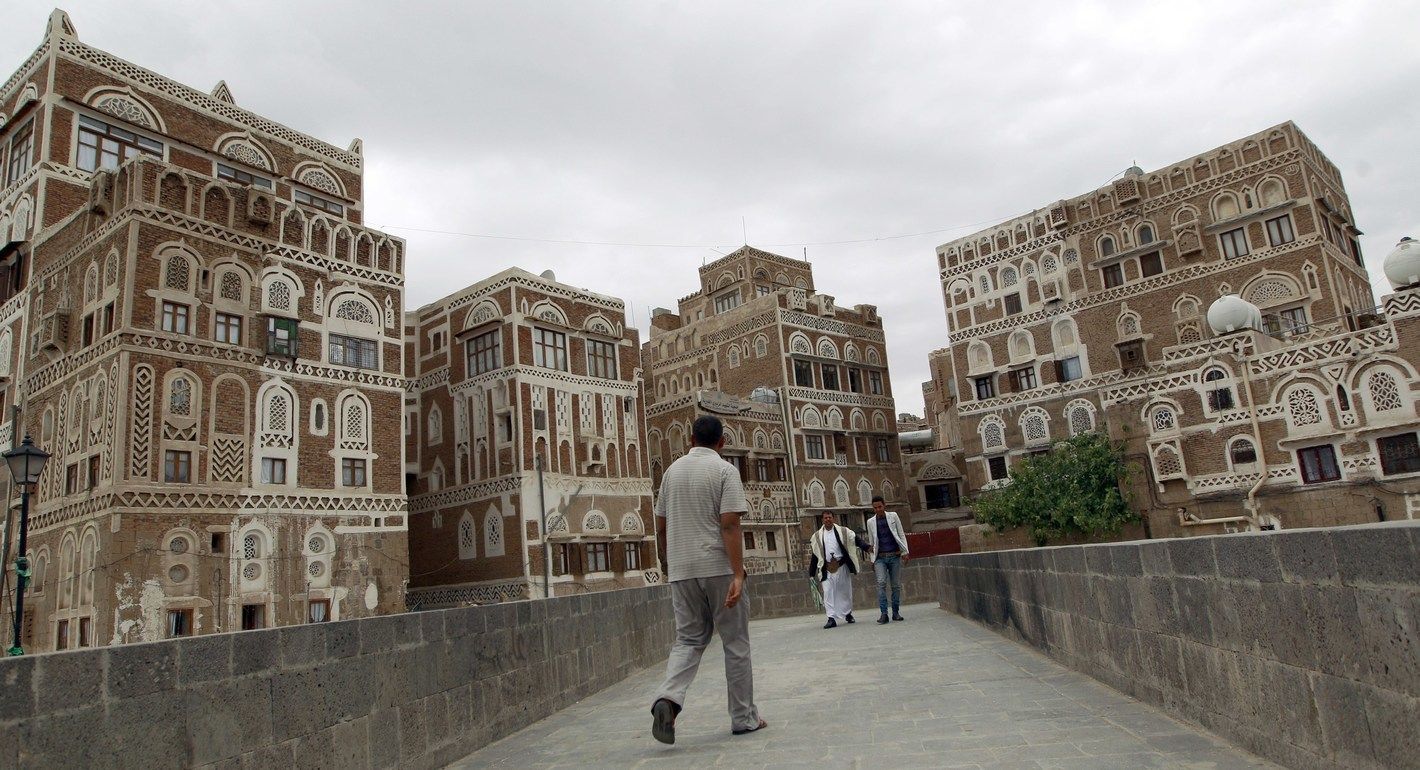
The chaos of street naming in Sana’a reflects the deep weakness of the Yemeni state and its failure to establish a unified urban identity, leaving residents to rely on informal, oral naming systems rooted in collective memory. This urban disorder is not merely a logistical problem but a symbolic struggle between state authority and local community identity.
Sarah Al-Kbat