

Commentary
In a volatile Middle East, the Omani port of Duqm offers stability, neutrality, and opportunity. Could this hidden port become the ultimate safe harbor for global trade?
Giorgio Cafiero, Samuel Ramani
{
  "authors": [
    "Ronald Bruce St John"
  ],
  "type": "commentary",
  "blog": "Sada",
  "centerAffiliationAll": "",
  "centers": [
    "Carnegie Endowment for International Peace"
  ],
  "collections": [],
  "englishNewsletterAll": "",
  "nonEnglishNewsletterAll": "",
  "primaryCenter": "Carnegie Endowment for International Peace",
  "programAffiliation": "",
  "programs": [],
  "projects": [],
  "regions": [
    "North Africa",
    "Libya"
  ],
  "topics": [
    "Political Reform",
    "Economy"
  ]
}

REQUIRED IMAGE
Libyan leader Muammar al-Qaddafi initiated a major shift in economic policy at the turn of the millennium. When early efforts at economic liberalization produced limited results, he stepped up the pressure in June 2003, declaring the public sector a failure, calling for the privatization of the economy, and pledging to bring Libya into the World Trade Organization.
Following three decades of socialist experimentation, Libyan leader Muammar al-Qaddafi initiated a major shift in economic policy at the turn of the millennium. When early efforts at economic liberalization produced limited results, he stepped up the pressure in June 2003, declaring the public sector a failure, calling for the privatization of the economy, and pledging to bring Libya into the World Trade Organization. Reform efforts intensified further after Libya renounced weapons of mass destruction in December 2003. In reality, however, real performance has never approached official rhetoric.
In an effort to reach production levels last achieved almost four decades ago, Libya's recent oil and gas policy has been a unique blend of the old and the new, with continuity often more apparent than innovation. Based on a 1974 business model, the current round of exploration and production sharing agreements (EPSA, phase 4), offers enhanced incentives and a more transparent, competitive bidding milieu. Oil industry response to this approach, which includes streamlined approval procedures, has been good. Well over 120 international oil companies have expressed interest and after three rounds, over two dozen companies from more than a dozen countries have been awarded contracts. Libya has also pursued a bilateral business model for larger energy projects, closing big deals with Royal Dutch/Shell, Occidental Petroleum, and BP.
Reform outside the hydrocarbon sector—characterized by an uncoordinated, piecemeal approach—has been much less impressive. Qaddafi appointed Shukri Ghanem, a vocal proponent of privatization and liberalization, as prime minister in early 2003, but as criticism of economic reform mounted, he replaced him three years later with his more malleable deputy, Ali Baghdadi al-Mahmudi. The cabinet reshuffle was a victory for conservative hardliners, and the much-trumpeted privatization program, which in the non-hydrocarbon sectors had hardly begun under Ghanem, slowed to a crawl.
True to form, Qaddafi has been as much a part of the problem as a part of the solution. As government officials touted Libya as the best place in the world to invest, the Libyan leader, in a series of statements, contributed to international uncertainty as to the speed and direction of reform policy. In a July 2006 speech, for example, he said he wanted to curb the role of foreigners in the economy to ensure Libya's wealth stayed at home. A month later, he scolded the nation for its over-reliance on hydrocarbon revenues, foreigners, and imports. Statements such as these did little to reassure potential investors.
A series of official pronouncements in recent months have left foreign firms even more uncertain about the feasibility of investing in Libya. In November 2006, the General People's Committee made it mandatory for foreign companies operating in Libya to set up joint ventures with local Libyan partners. Foreign companies already invested in Libya wondered how the requirement would apply to them, while potential investors rightly viewed it as yet another commercial obstacle to overcome. As another example, employment regulations oblige foreign companies to hire and train Libyan nationals, reducing dependence on foreign workers. After the government announced in January 2007 that it intended to lay off 400,000 public sector employees, foreign companies rightly worried they would be forced to the forefront in efforts to find jobs for this surge of new workers in the private labor market. Compounding the confusion, the regime arrested several Libyan businessmen in early 2007 for violating the principles of “people's socialism,” a term employed by Libyan officials who insist that economic liberalization must be consistent with the principles found in The Green Book, Qaddafi's socioeconomic and political manifesto.
In any case, Libya will likely experience real limits to a development model based on its current political system. Selected elements of a Western-style, representative democracy are present in the Libyan system of “direct democracy,” but others—the rule of law, respect for human rights, and freedom to dissent—are not. Over the last few years, Libyan officials have become expert in tossing about terms such as accountability, diversification, partnership, and transparency. Unfortunately, the reality on the ground is a reform process implemented in an ad hoc, opaque manner with its pace and effectiveness compromised by human capacity constraints.
Consequently, the Libyan road to economic liberalization will likely be a rocky one with road blocks, dead ends, and detours along the way. Changes to the current political system in support of a market economy remain possible but not probable. A more likely scenario is the creation of some form of hybrid economic system, as Qaddafi has suggested in his vague references to “popular capitalism” or “people's socialism,” which would be compatible with the current political system. In the interim, economic reform in Libya will remain a two-track, two-speed process with reform in the oil and gas industry outpacing that in other sectors.
Ronald Bruce St John, an independent scholar, is author of Historical Dictionary of Libya (2006, 1998, 1991), Libya and the United States: Two Centuries of Strife (2002), and Qaddafi's World Design: Libyan Foreign Policy, 1969-1987 (1987).
Ronald Bruce St John
Carnegie does not take institutional positions on public policy issues; the views represented herein are those of the author(s) and do not necessarily reflect the views of Carnegie, its staff, or its trustees.
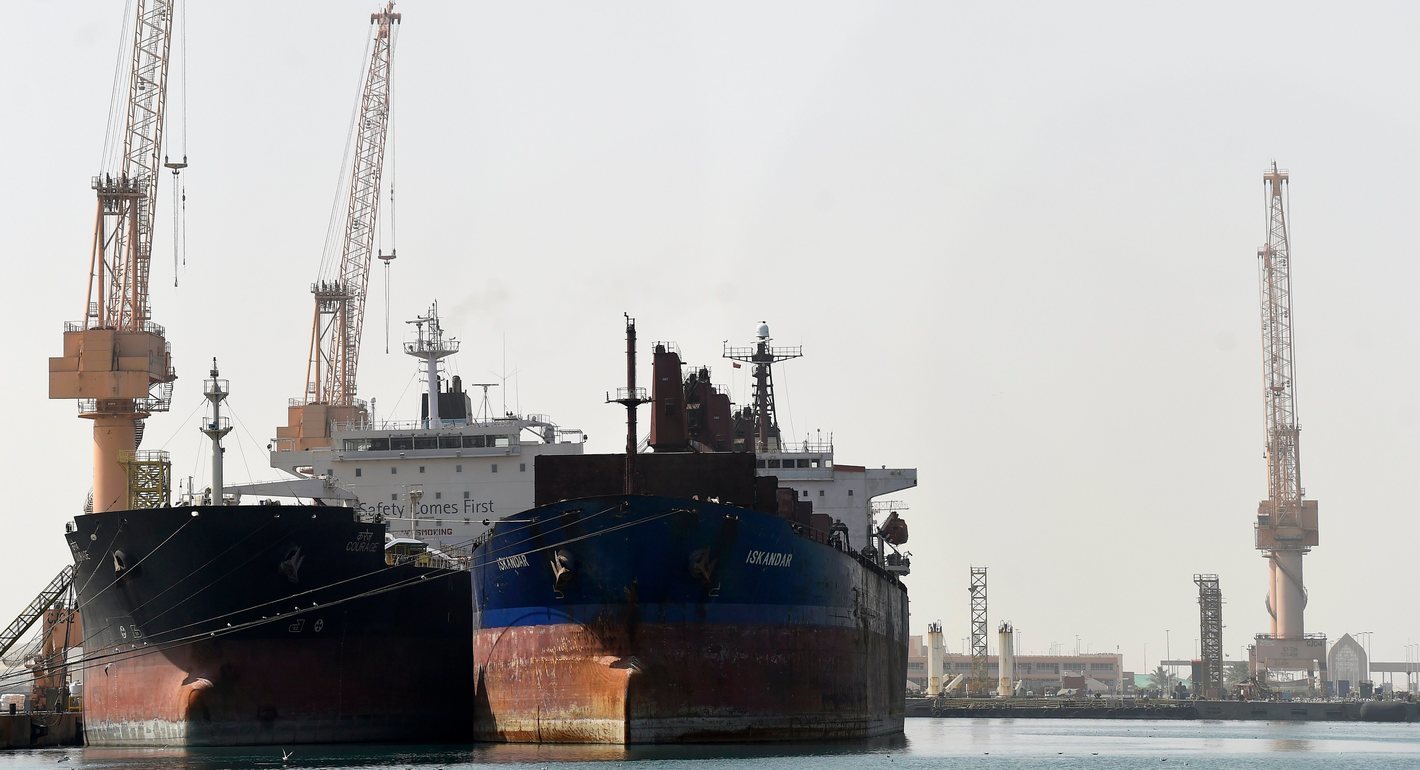
In a volatile Middle East, the Omani port of Duqm offers stability, neutrality, and opportunity. Could this hidden port become the ultimate safe harbor for global trade?
Giorgio Cafiero, Samuel Ramani
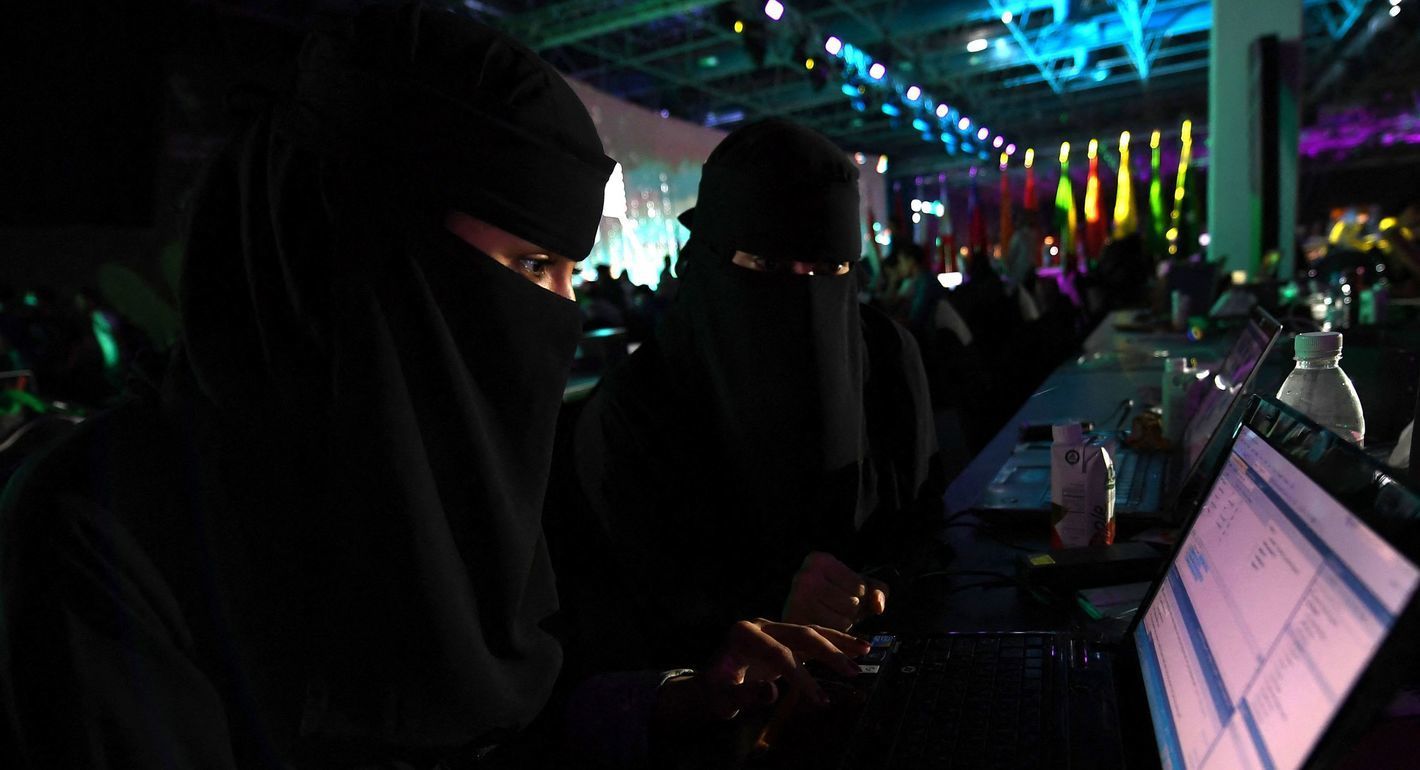
How can Saudi Arabia turn its booming e-commerce sector into a real engine of economic empowerment for women amid persistent gaps in capital access, digital training, and workplace inclusion? This piece explores the policy fixes, from data-center integration to gender-responsive regulation, that could unlock women’s full potential in the kingdom’s digital economy.
Hannan Hussain
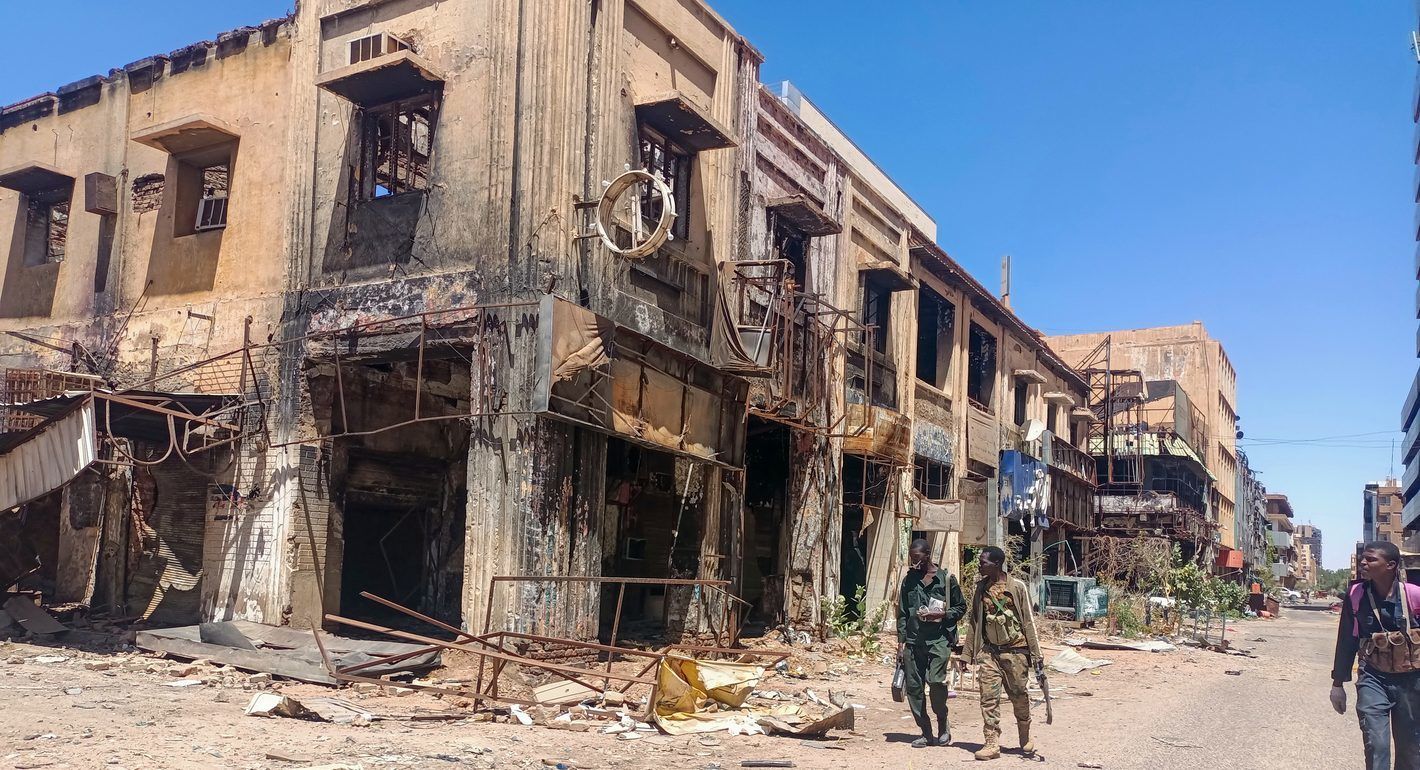
Hate speech has spread across Sudan and become a key factor in worsening the war between the army and the Rapid Support Forces. The article provides expert analysis and historical background to show how hateful rhetoric has fueled violence, justified atrocities, and weakened national unity, while also suggesting ways to counter it through justice, education, and promoting a culture of peace.
Samar Sulaiman
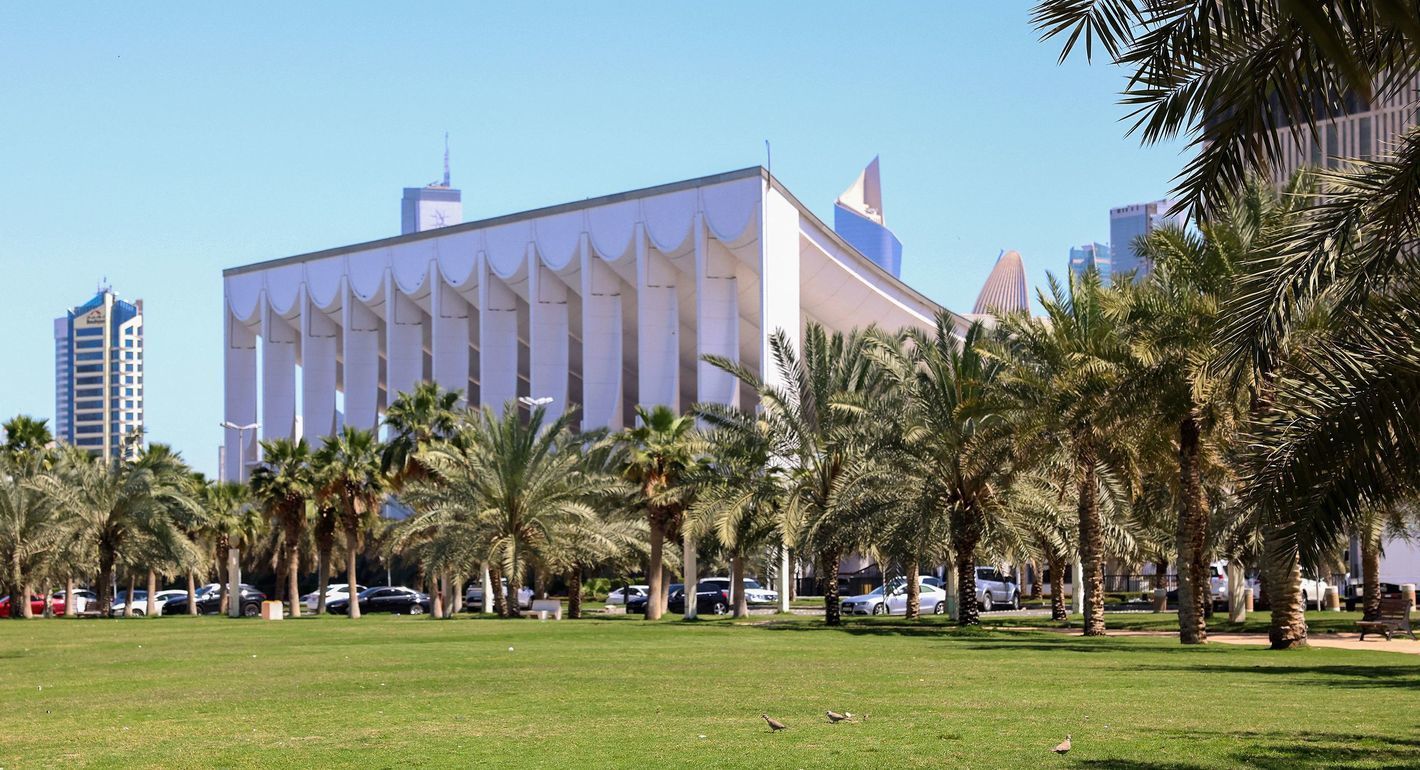
Kuwait’s government has repeatedly launched ambitious reforms under Kuwait Vision 2035, yet bureaucratic inefficiency, siloed institutions, and weak feedback mechanisms continue to stall progress. Adopting government analytics—real-time monitoring and evidence-based decision-making—can transform reform from repetitive announcements into measurable outcomes.
Dalal A. Marafie
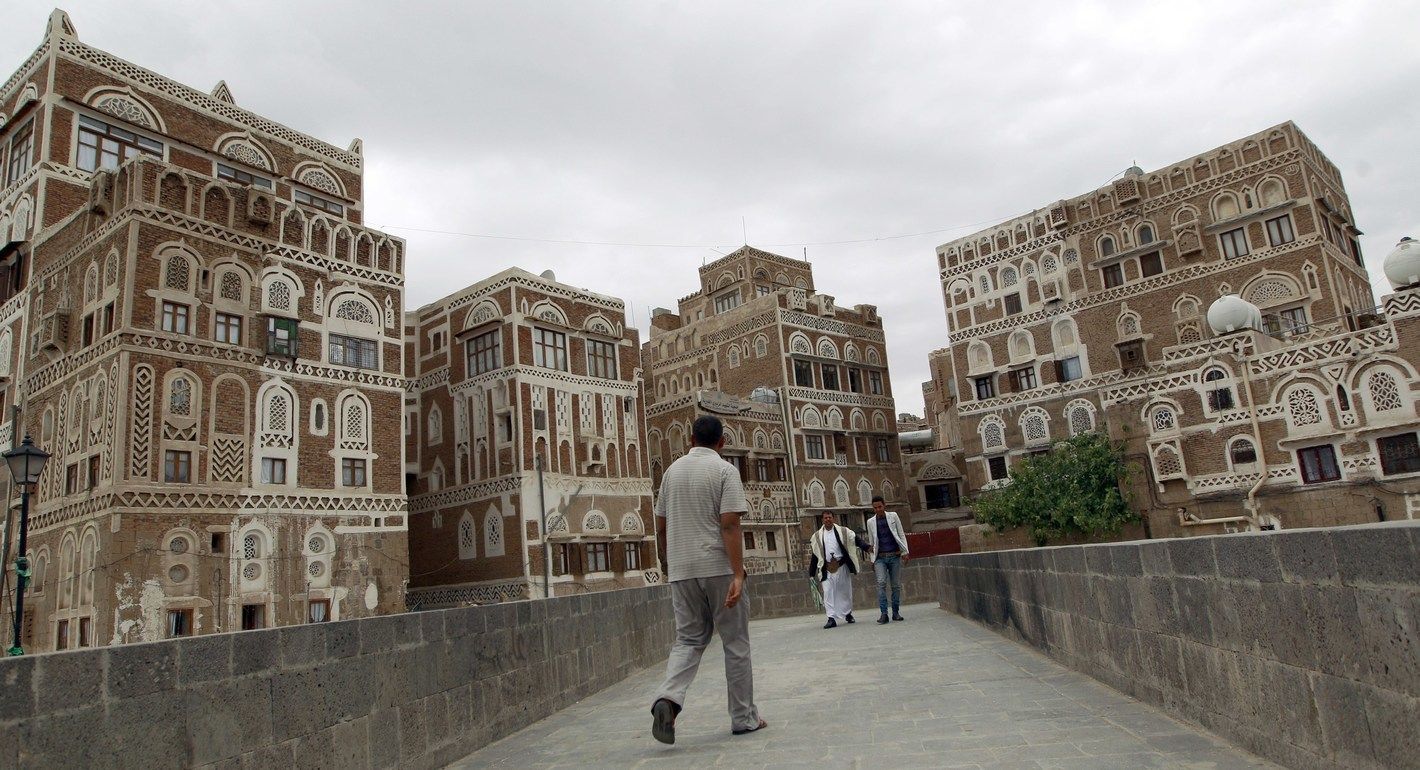
The chaos of street naming in Sana’a reflects the deep weakness of the Yemeni state and its failure to establish a unified urban identity, leaving residents to rely on informal, oral naming systems rooted in collective memory. This urban disorder is not merely a logistical problem but a symbolic struggle between state authority and local community identity.
Sarah Al-Kbat