The incoming U.S. president inherits a double worry: an unprecedented economic meltdown at home and a world reeling from faulty U.S. leadership. Nowhere are the ripple effects of the latter felt as keenly as in the Middle East where insurgency in Iraq, a defiant Iran, emboldened non-state actors, aging autocrats, and regression in political reform await the new U.S. commander-in-chief. This angry, hostile, and unstable Arab region will give the new president the benefit of the doubt because they expect him to change course from policies that the outgoing Bush administration has pursued under the Freedom Agenda, the war on terror, and other lofty but largely rhetorical foreign policy goals.
The new U.S. president should seek consistency and modesty in defining U.S. foreign policy goals. Consistency in pursuing democratic change means going to great lengths not to alienate vast swaths of representative actors and encouraging democratic elections and peaceful rotation of power even if the winner is not friendly to the United States. Consistency also means staying with the reform discourse and not qualifying it when political interests require. Following such a consistent approach will consolidate the U.S. credibility in the region. Modesty means recasting foreign policy goals from spreading freedom and democracy in the span of three years to listening to what people in the region say and pursuing humble yet realistic policy objectives.
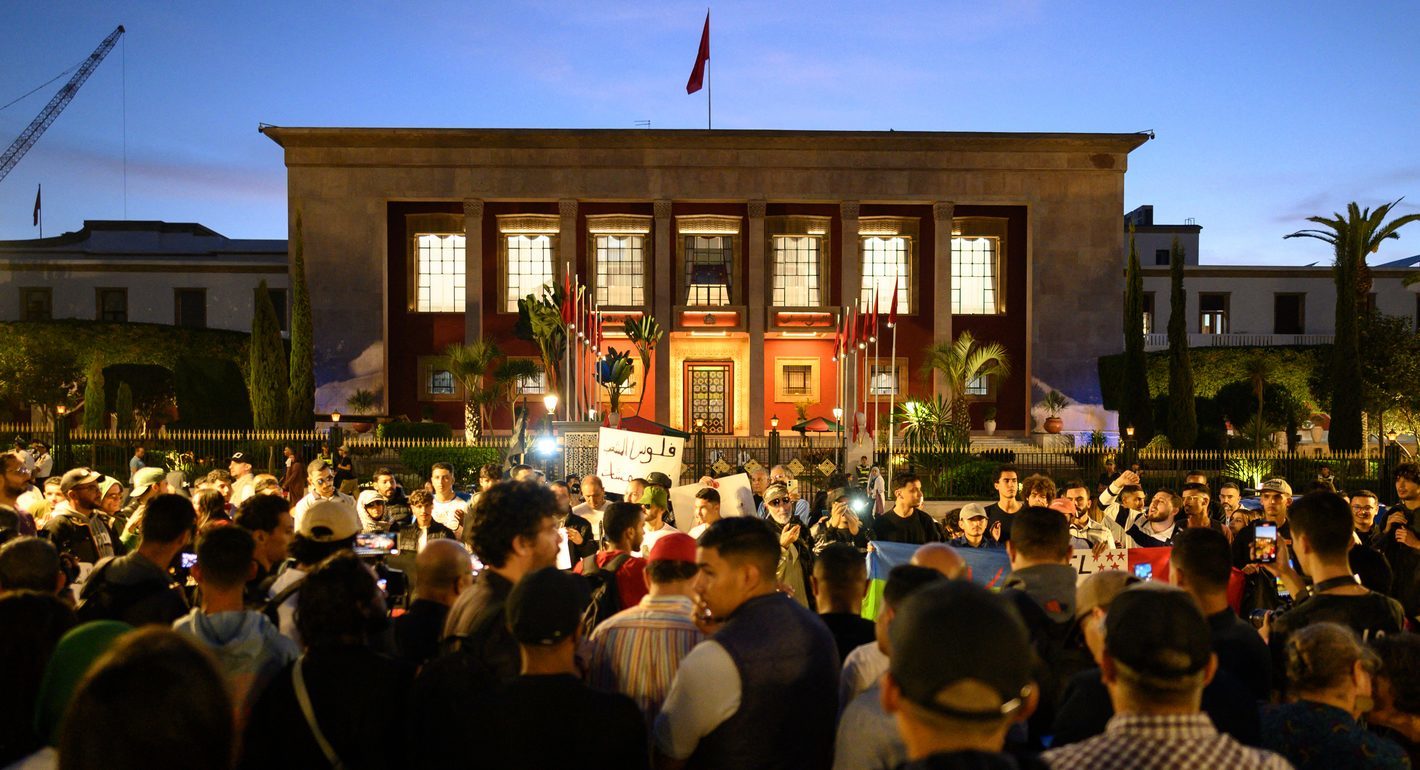
The changing face of the region requires new approaches and acknowledgement of the distinct set of problems each country faces. For example, the new U.S. president will need to engage not only with incumbent regimes but also with legitimate and representative forces whose strength and effectiveness have posed serious challenges to ruling elites. Powerful non-state actors have become a reality to be reckoned with in some countries where, through legitimate elections or street protests, they have gained ground and challenged incumbent regimes. Hamas and Hizbollah are leading examples of challenges to democratically elected regimes that the incoming U.S. president will find it hard to ignore. In fact, a deliberate policy of ignoring the influence of non-state actors in a place such as Lebanon has had debilitating consequences for the process of democratization and state building. The United States, along with the international community, was forced to accept a Qatar-sponsored mediation that saw the country’s opposition led by Hizbollah gain more seats in government. Had the United States encouraged this sort of compromise earlier, Lebanon would have been spared unneeded violence, assassinations, and crippling demonstrations. In general, the United States should encourage such regional initiatives to end violence, which promise successful, locally acceptable conflict resolution.
The Bush administration created myriad new foreign aid and policy tools such as the Middle East Partnership Initiative, the Democracy Assistance Dialogue, the Broader Middle East and North Africa Initiative, and the Foundation for the Future in order to encourage reform, democratization, and political openness. While most of these tools were designed with grand democracy goals in mind, their effectiveness has waned and they now should be redefined to take into account new priorities in the region. The United States needs to develop new foreign aid policies in cooperation with people from the region and to exert serious, tireless efforts to win over cynical communities who need to be convinced of the genuineness and seriousness of these goals. In emphasizing democracy and reform, one area that U.S. foreign aid has largely ignored has been promoting social policies and services, which have proven to be the bread and butter of such successful movements as that of the Islamists. It is no coincidence that Islamists with a bent toward organization and efficient delivery of social services have been successful crowd pleasers.
According to an old Chinese adage, in every crisis there is danger and opportunity. Arabs see the severe economic crisis in the United States as an opportunity for the new president to shelve the military option as a primary foreign policy tool and concentrate on listening to actors who have been hitherto untapped. This requires culturally fluent and sensitive diplomats who listen more than they dictate to people in the region. It also requires working with businesspeople, professional syndicates, and other sectors of society largely ignored over the past few years who, if engaged, could help nudge regimes to reform and democratize. The incoming U.S. president needs sensible, experienced, and culturally sensitive advice about how to deal with the region and which actors to engage. This can only come from people with a vested interest in better relations between the United States and the Arab region.
The limited experience in advancing reforms over the past few years has proven that, when coaxed, Arab governments tolerate measured reforms. This is an encouraging sign that the new president should build on and promote. Reform declarations issued by conferences in Alexandria, Sana’a, and Doha, among others should be revived and governments in the region should be urged to keep their commitments to them. Concomitantly, the new U.S. administration should encourage the dissemination across the region, where appropriate, of successful homegrown experiences of democracy and openness in countries such as Turkey, Morocco, and Kuwait that reconcile religious values and local cultures with demands for reforms.
The goal of the next president should not only be democratic change and reforms, but ensuring their irreversibility. This will only come following sober and thorough rethinking of U.S. foreign policy goals in the Arab world.
Oussama Safa is General Director of the Lebanese Center for Policy Studies based in Beirut.