Be careful what you wish for. Since the 2005 parliamentary elections, the Egyptian government, with support from its allies in the West, has treated the Muslim Brotherhood with unremitting hostility. While this might bring short-term gains, driving the Brotherhood’s moderate Islamist vision underground is opening the door for more conservative and potentially violent strands to take its place. In recent decades, but especially during the last five years, a new wave of politically oriented Salafism, more dogmatic than other Islamist factions in Egypt, is gaining ground in Egyptian society and causing concern among secularists and Islamists alike.
Salafist movements enjoy their greatest support among the lower classes of northern Egyptian cities, but are present to some extent at all socio-economic levels. Currently, they confine their activities to preaching in mosques and on extremely popular Egyptian Salafi satellite channels such as al-Naas and al-Rahma. Egyptian security forces appear to be prohibiting them from further organization so far. But Salafism is making inroads in existing Islamist groups as well. A younger generation in the Brotherhood, believing that participation in electoral politics is fruitless, is moving closer to Salafi ways of thinking. They are joined by at least ten thousand former members of radical jihadi groups who were let out of prison after al-Gama’a al-Islamiyya, the largest and most violent radical group, published a series of ideological revisions. This group of individuals may or may not be Salafi in nature, but if the government continues to ban them from any participation in public life, they will tend to move in that same direction.
With its singular focus on fixing the individual Muslim’s creed (‘aqida) as the path to Islamic revival, Salafism differs significantly from the Islamic centralism of Sheikh Youssef al-Qaradawi (leading Egyptian Islamist thinker, living in exile in Qatar) and the Brotherhood. While they do focus on nurturing the individual’s faith, they have never considered an individual to be outside the fold as long as he believes in the five essential pillars of Islam, however imperfect his commitment may be. Al-Qaradawi and the Brotherhood adopt a comprehensive approach to reform that includes the application of Islamic law (shari’a). For Salafists, however, no talk of shari’a is possible until the belief and behavior of Muslims meet what they consider to be proper Islamic standards.
The implications of this doctrinal difference are significant, as the Salafi division of society into categories of belief and disbelief is implicitly reintroducing into Egyptian Islamist circles the idea of takfir—that is, considering Muslims who do not meet their standards to be apostates and therefore fair game for violence. The most violent Egyptian groups of the 1980s and 1990s such as al-Jihad and al-Gama’a al-Islamiyya, excommunicated Egypt’s ruler. Today’s Salafists “excommunicate not just the ruler but anyone who does not adhere to their definition of Islam,” according to Islamist intellectual Fahmy Howedi. He continues, “If Islam is the beard and the niqab (face veil), then whoever does not wear these is considered outside of the faith.”.
Secondly, Salafists, in comparison to most Islamists such as the Brotherhood and even al-Jihad, minimize the importance of fiqh, the use of contemporary logic to address issues that were not present at the time the Quran was revealed. Fundamentalists in the Western sense, Salafists believe that more literal readings of the Quran and of the sayings of the Prophet Muhammad (hadith) provide sufficient guidance for any contemporary situation. Followers focus on mimicking even the most minute details of the Prophet’s lifestyle and that of his companions, which means a conspicuous emphasis on beards and face veils.
From Evangelism to Activism?
While passive and apolitical now, Salafists may not always remain preoccupied with converting the individual. “As an Islamist reform movement, they can ban politics for a time, but not forever. Eventually, they will either allow politics or be reconciled to the conditions they are trying to change” and “in this case they would no longer be an Islamic reform movement,” explains Rafiq Habib, a noted expert on Islamist movements. Given the Salafists’ religious extremism, this potential for a more active role in society frightens many Egyptians. For example, in a September 2008 article in the independent newspaper al-Masri al-Youm, one writer warned that Salafists are only peaceful now while they gather strength, but that eventually they will produce terrorist cells of unprecedented fanaticism. Habib predicts that Egyptian Salafists will eventually split: one group will move towards the Islamic centralism of al-Qaradawi and the political activism of the Ikhwan, while a second will embrace Salafi jihad.
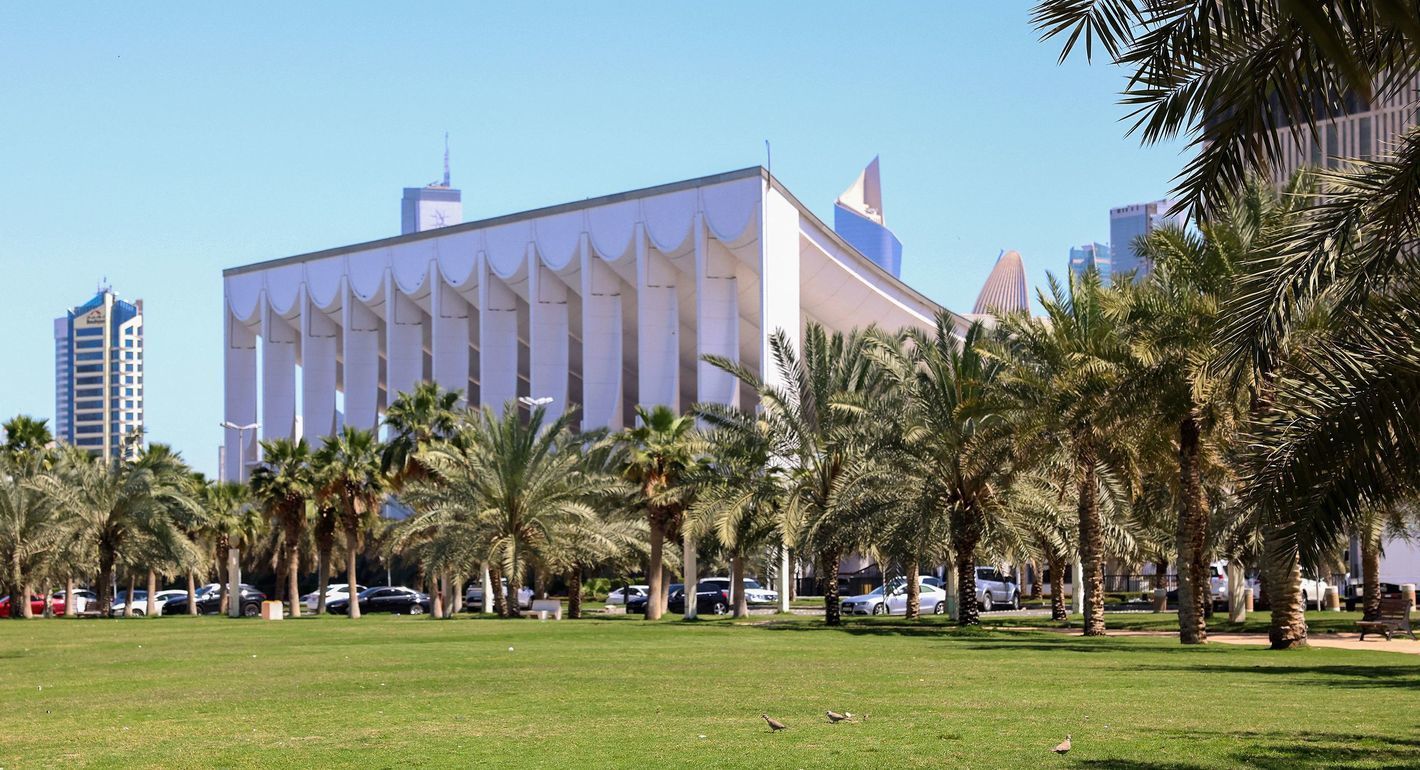
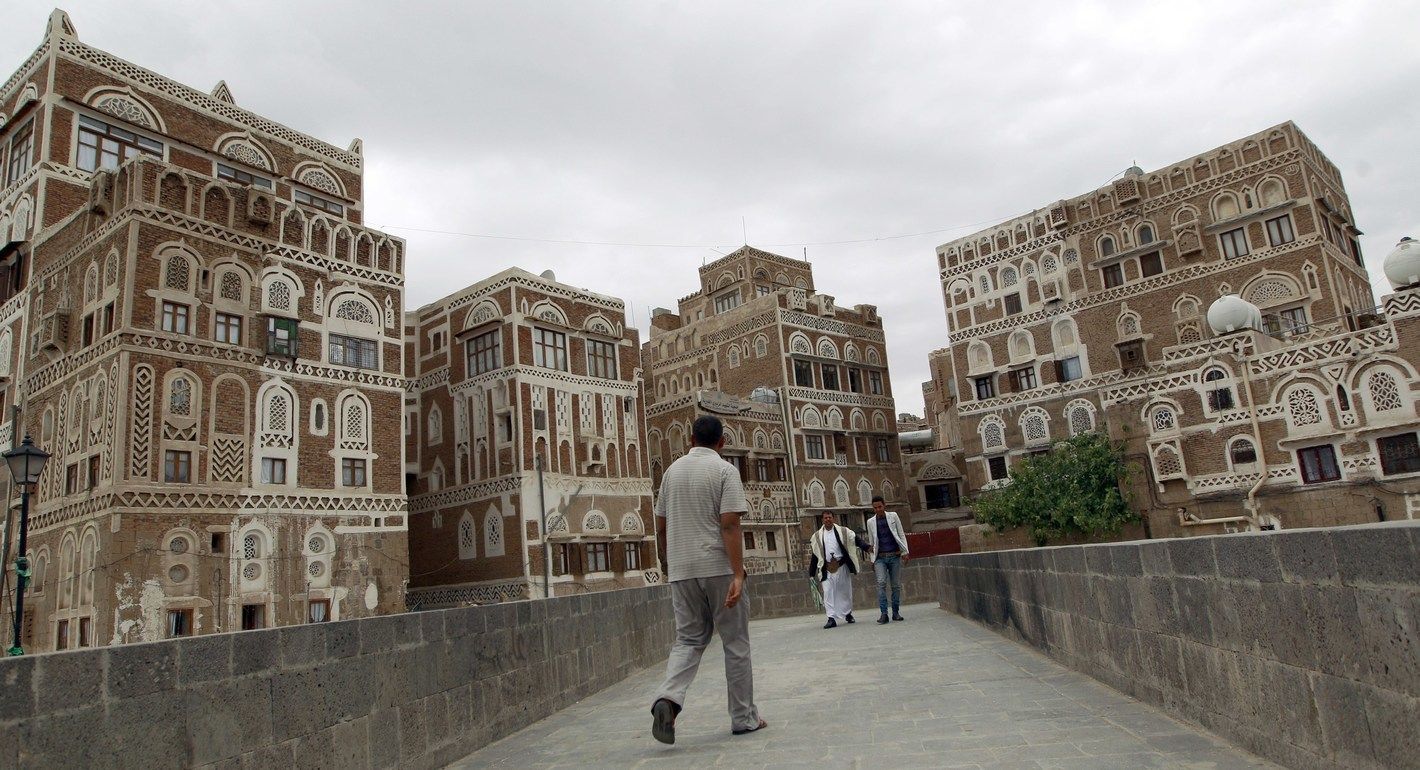
Salafists are not opposed to all political participation in principle. In Yemen and Kuwait, where Salafi movements are strong in comparison to the state, they participate in electoral politics. Salafists in Alexandria and the now Salafi al-Gama’a al-Islamiyya, for example, display the interest and capacity to participate in politics if permitted. But due to their reluctance to compromise on principle and the strength of the Egyptian state, no participation in electoral politics is likely any time soon.
More worrying is the potential for a turn to violence. Many Egyptian intellectuals argue that as the root causes of violence have not been addressed, violence in Egypt has stopped but not ended. With twenty thousand former jihadists released from jail but prohibited from playing any role in politics, is Salafism the new reservoir for the radical movements of previous decades? As Howedi points out, the continued absence of political alternatives, the government’s incessant use of violence against its opponents, and deteriorating social and economic conditions are increasingly pushing Egyptians towards the rigid, uncompromising views of Salafism and making a return of violence more likely. The recent Israeli attack on Gaza is likely to add to the momentum. Ibrahim Eissa, editor of the independent al-Dostor, recently wrote that Islamic extremism is certain to increase because of the war and the perception that the Egyptian government’s position towards Hamas was a position against Islam itself. Such a perception only reinforces the takfiri tendencies inside Salafism and the appeal of such thinking to other Islamists.
Nathan Field is a journalist based in Washington D.C. Ahmed Hamem is an Egyptian graduate student.