• Research
  • Emissary
  • About
  • Experts
Carnegie Global logoCarnegie lettermark logo
DemocracyIran
  • Donate
{
  "authors": [
    "Jacqueline Wilson"
  ],
  "type": "commentary",
  "blog": "Sada",
  "centerAffiliationAll": "",
  "centers": [
    "Carnegie Endowment for International Peace"
  ],
  "collections": [],
  "englishNewsletterAll": "",
  "nonEnglishNewsletterAll": "",
  "primaryCenter": "Carnegie Endowment for International Peace",
  "programAffiliation": "",
  "programs": [],
  "projects": [],
  "regions": [
    "North Africa",
    "Sudan"
  ],
  "topics": [
    "Political Reform"
  ]
}

Attribution logo

Source: Getty

Commentary
Sada

Sudan: Day or Night?

With President Omar al-Bashir facing an ICC indictment, will Sudan join the community of nations or remain a pariah state characterized by coercive relations between the government and the governed?

Link Copied
By Jacqueline Wilson
Published on Mar 9, 2009
Sada

Blog

Sada

Sada is an online journal rooted in Carnegie’s Middle East Program that seeks to foster and enrich debate about key political, economic, and social issues in the Arab world and provides a venue for new and established voices to deliver reflective analysis on these issues.

Learn More

The paradox of Sudan is that while some observers see signs of hope toward sustainable peace, others see no hope at all.  With the International Criminal Court (ICC) arrest warrant for President Omar al-Bashir, a moribund Darfur peace process, and the 2005 Comprehensive Peace Agreement (CPA) all at critical stages, it remains unclear which way the government of Sudan will turn. 

Optimists point out that Sudan is largely at peace after decades of civil war and four years of troubled implementation of the CPA. Preparations to elect the executives and legislatures of the Government of National Unity and Government of Southern Sudan, as well as the legislative branches of twenty-five state legislatures, are progressing. The recent census, though imperfect, covered much of the country despite incredible logistical challenges. Many hope the ICC arrest warrant will jump-start real negotiations on Darfur, building on the recent agreement signed in Qatar between the government and the Justice and Equality Movement (JEM) rebel group. Finally, Khartoum boasts a new skyline with luxury hotels and chairmanship of the G-77.
 
For pessimists, things could hardly be worse. The ICC arrest might further destabilize the country. Many say the government agreement with JEM is a sham, and that Arab-hosted talks on Darfur lack the independence needed for broader buy-in. (Aerial bombings apparently continued even during the discussions, an outrage given the innocent majority in Darfur and the thousands displaced in camps.) Election preparation is similarly troubled, with census results seemingly embargoed (and perceived as biased at best, illegitimate at worst), voter education work hamstrung, and the media restricted. In fact, the prospect of holding elections in southern Sudan during the rainy season (or Darfur during active hostilities) is daunting if not unrealistic.
 
The truthlies somewhere between the optimistic and pessimistic narratives. The anxiety related to the ICC is palpable, and the backlash against humanitarians will certainly endanger lives. It might result in a leadership shuffle, which could be transformative or alternatively could empower even more repressive leaders. The Doha agreement on Darfur is only a side-step, moving the Darfur peace process neither forward nor backward. It lacks the broad participation needed for peace to take hold, yet it could generate a process of buy-in and consultation. Despite some election preparation, trust in the system is low and many feel the ruling National Congress Party (NCP) will not allow itself to lose this election.
           
So how do we judge Sudan’s intentions? Separating the life-saving work of humanitarian organizations in Darfur from the ICC warrant is a good first step. Stopping aerial attacks against civilians in Darfur would be another sign that the NCP is serious about negotiations, and would indicate a realization that using force against civilians is a no-win strategy.
 
Another measure of Sudan’s ruling regime is implementation of the CPA. Four years along, the people of Abyei, a small town at the core of Sudan’s complex identity, are worse off now than when the lauded agreement was signed. Their village burned, they long to return home, rebuild relationships and reap some dividends of peace. The situation in Southern Kordofan, potentially “The Next Darfur” (according to the International Crisis Group), is fragile at best, with people concerned that they were overlooked by the census; Kordofan’s people deserve immediate attention.
 
The one point of consensus is that Sudan and its people are at a crossroads. At stake is no less than a return to civil war, continued disaster in Darfur, and estrangement from the international community. The arrest warrant is a real crisis of leadership for Sudan; the NCP’s behavior in the coming weeks will telegraph its intentions and show whether a new day is dawning or the sun is setting in Sudan.
 
Jacqueline Wilson is a senior program officer at the United States Institute of Peace. She has conducted conflict resolution training programs in many parts of Sudan since 2005. The views expressed in this article are her own.

About the Author

Jacqueline Wilson

Jacqueline Wilson
Political ReformNorth AfricaSudan

Carnegie does not take institutional positions on public policy issues; the views represented herein are those of the author(s) and do not necessarily reflect the views of Carnegie, its staff, or its trustees.
More Work from Sada

  • Commentary
    Sada
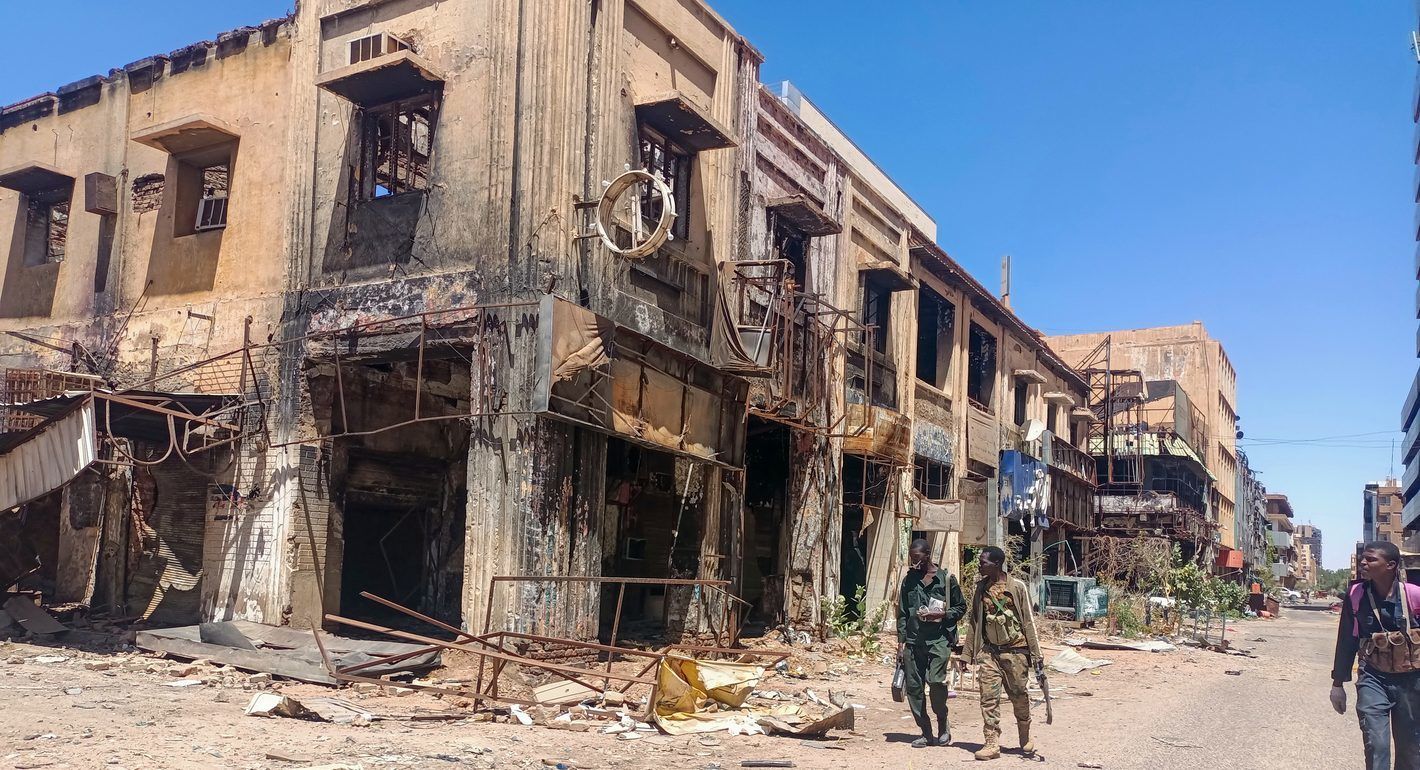
    A War Fueled by Hate Speech: Sudan’s Fall into Fragmentation

    Hate speech has spread across Sudan and become a key factor in worsening the war between the army and the Rapid Support Forces. The article provides expert analysis and historical background to show how hateful rhetoric has fueled violence, justified atrocities, and weakened national unity, while also suggesting ways to counter it through justice, education, and promoting a culture of peace.

      Samar Sulaiman
  • Commentary
    Sada
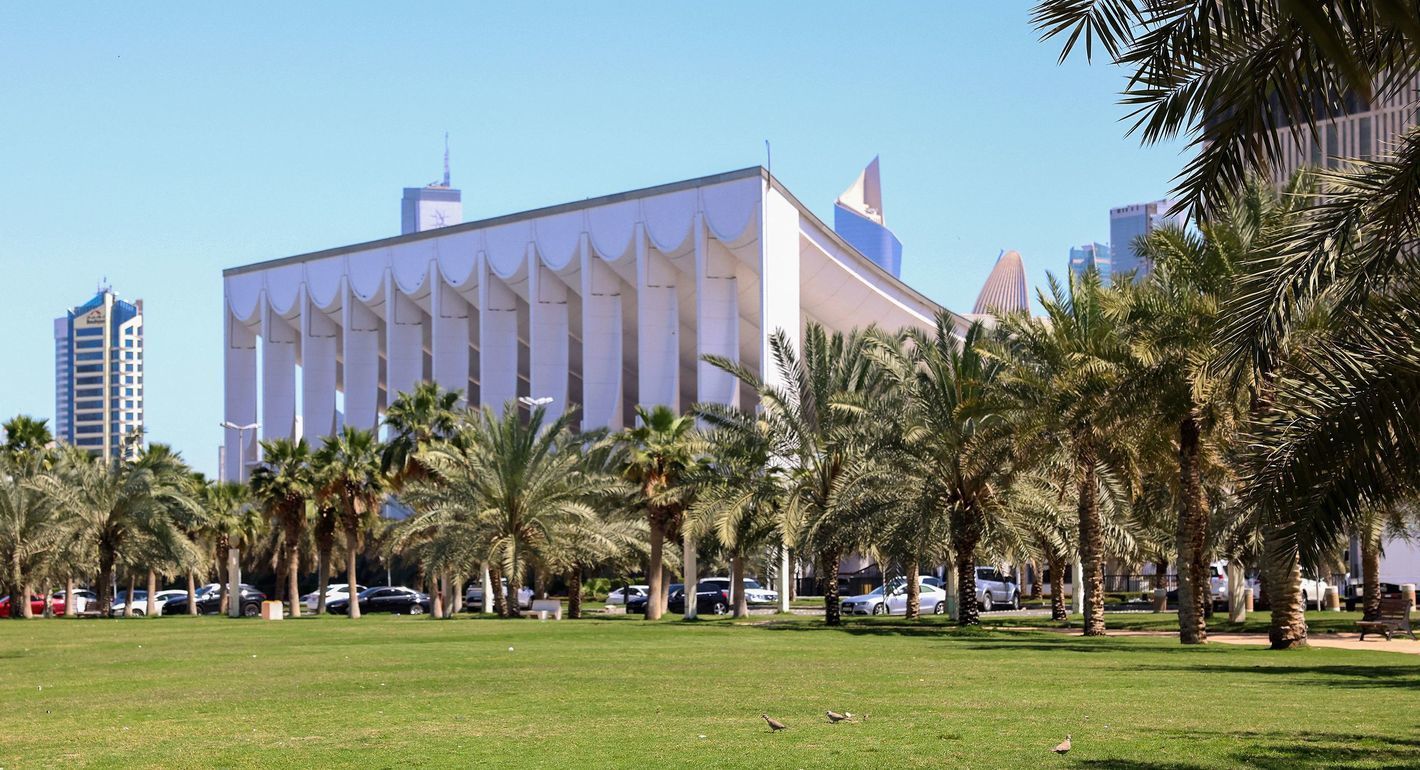
    Kuwait’s Bureaucracy at a Crossroads: Why Government Innovation Stalls and How Analytics Can Reignite Reform

    Kuwait’s government has repeatedly launched ambitious reforms under Kuwait Vision 2035, yet bureaucratic inefficiency, siloed institutions, and weak feedback mechanisms continue to stall progress. Adopting government analytics—real-time monitoring and evidence-based decision-making—can transform reform from repetitive announcements into measurable outcomes.

      Dalal A. Marafie
  • Commentary
    Sada
    Sana'a: The Crisis of Chaotic Street Naming and Absent Urban Planning

    The chaos of street naming in Sana’a reflects the deep weakness of the Yemeni state and its failure to establish a unified urban identity, leaving residents to rely on informal, oral naming systems rooted in collective memory. This urban disorder is not merely a logistical problem but a symbolic struggle between state authority and local community identity.

      Sarah Al-Kbat
  • Commentary
    Sada
    The Political Economy of Social Data: Opportunities and Risks of Digitizing Morocco’s Social Targeting System

    While Morocco’s shift to a digitized social targeting system improves efficiency and coordination in social programs, it also poses risks of exclusion and reinforces austerity policies. The new system uses algorithms based on socioeconomic data to determine eligibility for benefits like cash transfers and health insurance. However, due to technical flaws, digital inequality, and rigid criteria, many vulnerable families are unfairly excluded.

      Abderrafie Zaanoun

  • Commentary
    Sada
    Saudi Arabia's Cautious Approach to the Syrian Kurds: Balancing Stability and Geopolitical Interests

    Saudi Arabia’s cautious stance on the Syrian Kurds reflects a delicate balance between leveraging Kurdish autonomy to counter Iran’s influence and managing the risks of destabilizing Syria’s territorial integrity. While Saudi Arabia seeks to safeguard its interests in the region, it remains wary of the potential internal and external consequences of supporting Kurdish autonomy.

      Mohammad Salami

Get more news and analysis from
Carnegie Endowment for International Peace
Carnegie global logo, stacked
1779 Massachusetts Avenue NWWashington, DC, 20036-2103Phone: 202 483 7600Fax: 202 483 1840
  • Research
  • Emissary
  • About
  • Experts
  • Donate
  • Programs
  • Events
  • Blogs
  • Podcasts
  • Contact
  • Annual Reports
  • Careers
  • Privacy
  • For Media
  • Government Resources
Get more news and analysis from
Carnegie Endowment for International Peace
© 2026 Carnegie Endowment for International Peace. All rights reserved.