

Commentary
Safa Naser
{
  "authors": [
    "Ginny Hill"
  ],
  "type": "commentary",
  "blog": "Sada",
  "centerAffiliationAll": "",
  "centers": [
    "Carnegie Endowment for International Peace"
  ],
  "collections": [],
  "englishNewsletterAll": "",
  "nonEnglishNewsletterAll": "",
  "primaryCenter": "Carnegie Endowment for International Peace",
  "programAffiliation": "",
  "programs": [],
  "projects": [],
  "regions": [
    "Yemen"
  ],
  "topics": [
    "Economy"
  ]
}

Source: Getty
Southern unrest is a symptom of the weakening patronage system forced by declining oil production.
Political violence in south Yemen escalated sharply during May, with a small but unconfirmed number of fatalities, hundreds arrested, and several newspapers shuttered. Protestors first took to the streets two years ago, when retired officers from the disbanded southern army demanded higher pension payments. The southern movement has gathered momentum in recent months, partly due to the regime’s heavy-handed response, and built an untested coalition based around perceptions of southern marginalization. Protestors are now openly calling for independence.
The secessionist language deployed by protestors suggests they are seeking to reverse the creation of the modern republic in 1990, which united the Marxist People’s Democratic Republic of Yemen (PDRY, South Yemen) with the Yemen Arab Republic (North Yemen) at the end of the Cold War. Secessionists complain that President Ali Abdullah Saleh failed to implement the terms of the 1990 power-sharing agreement between the two countries and to honor the terms of the ceasefire after a brief civil war in 1994.
Ginny Hill
Safa Naser
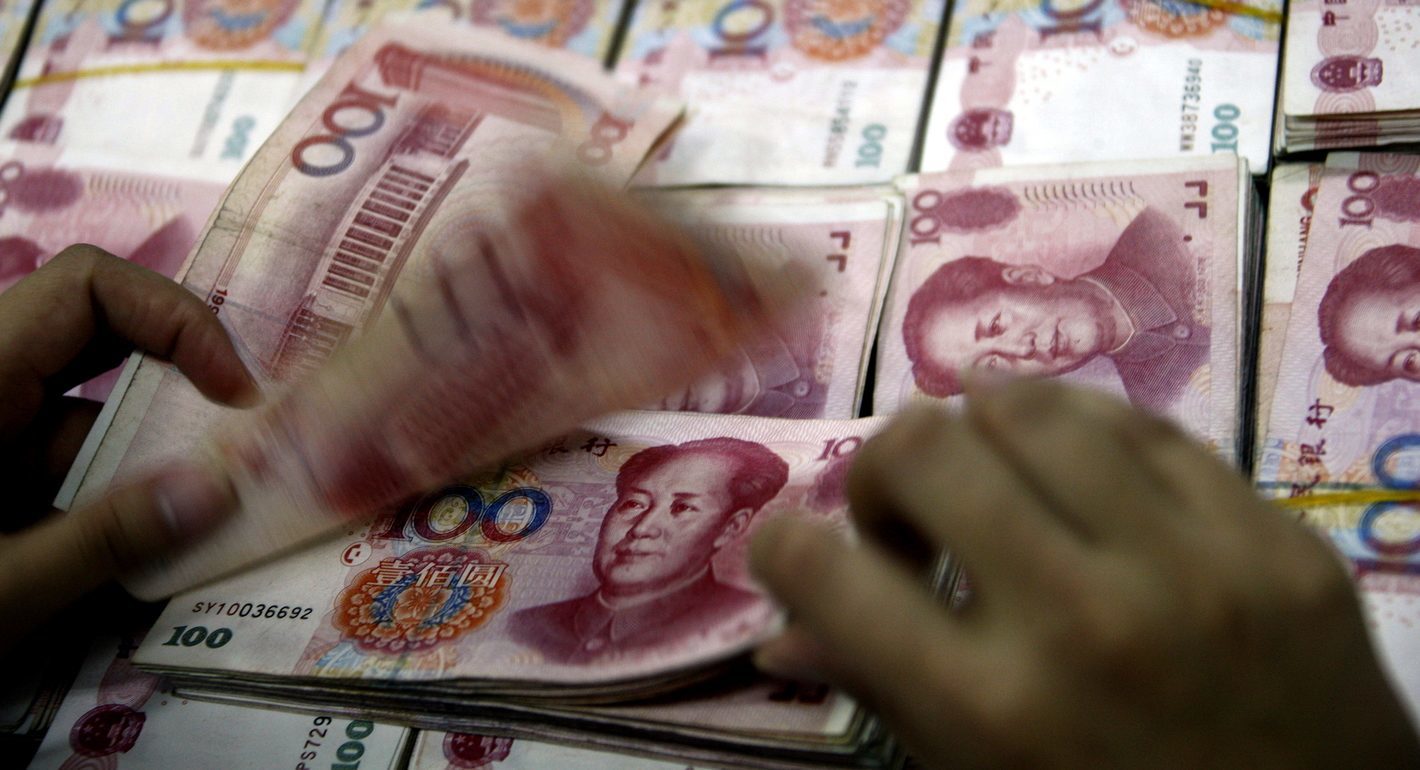
Is the Gulf moving beyond the dollar? This article examines how China is expanding the renminbi's role across Gulf markets, what that means for regional finance, and why the future of global currencies is more complex than the de-dollarization debate suggests.

Andrew Bonney
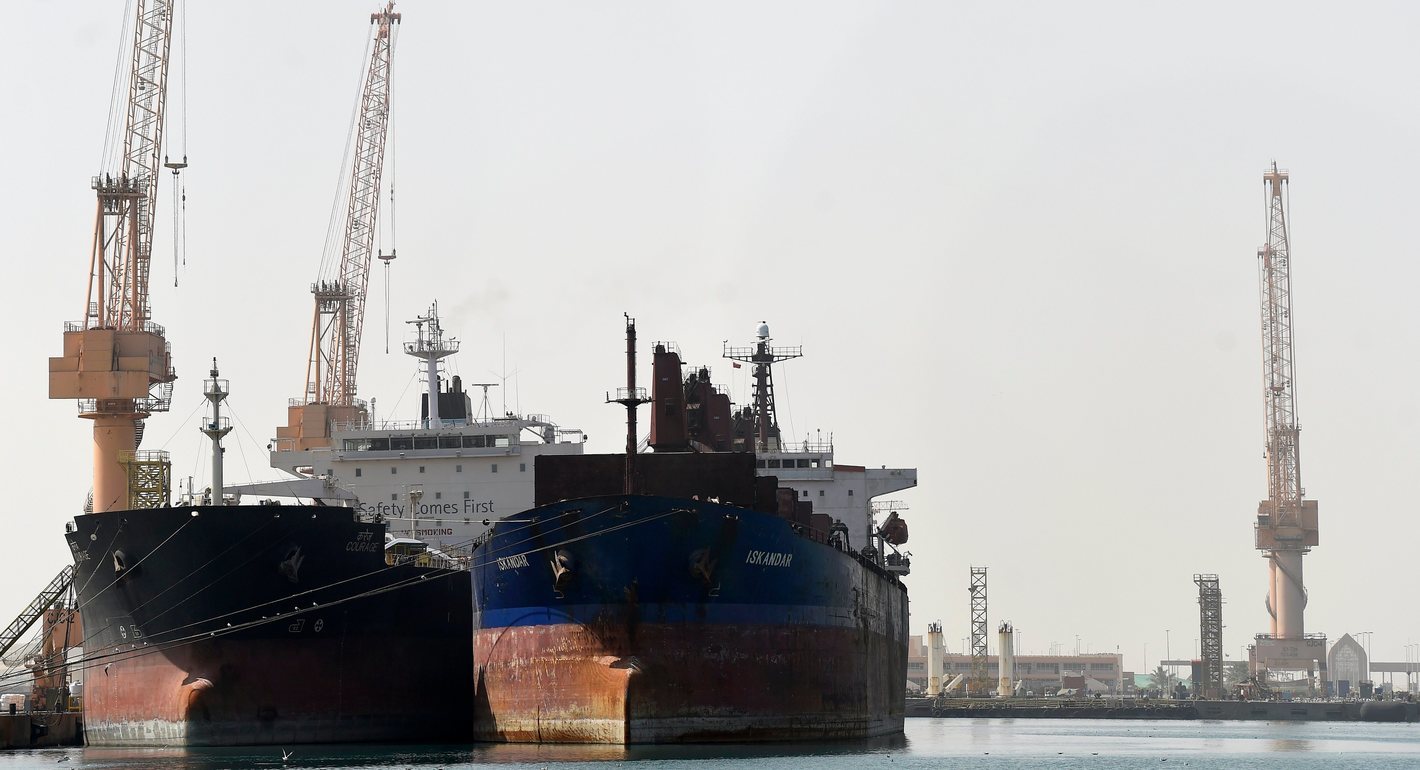
In a volatile Middle East, the Omani port of Duqm offers stability, neutrality, and opportunity. Could this hidden port become the ultimate safe harbor for global trade?
Giorgio Cafiero, Samuel Ramani
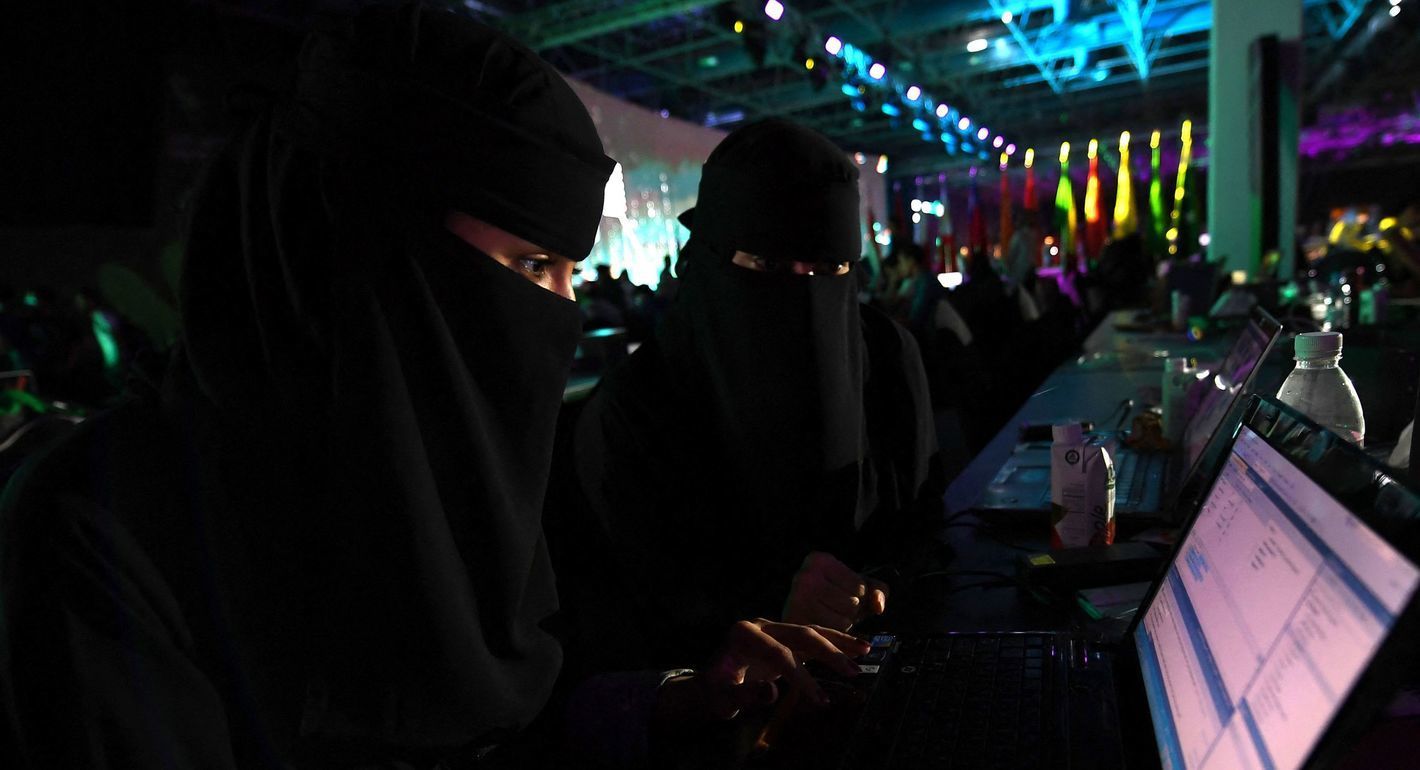
How can Saudi Arabia turn its booming e-commerce sector into a real engine of economic empowerment for women amid persistent gaps in capital access, digital training, and workplace inclusion? This piece explores the policy fixes, from data-center integration to gender-responsive regulation, that could unlock women’s full potential in the kingdom’s digital economy.
Hannan Hussain
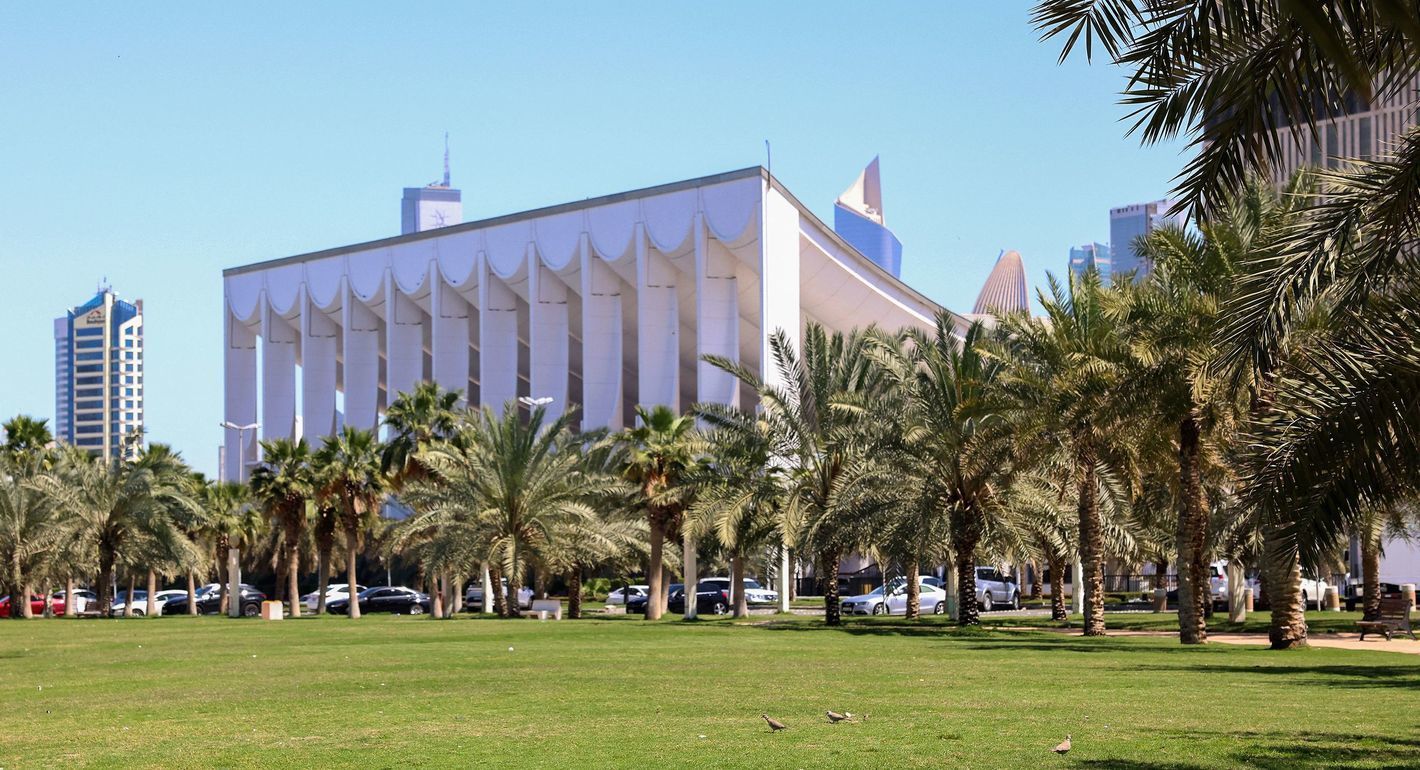
Kuwait’s government has repeatedly launched ambitious reforms under Kuwait Vision 2035, yet bureaucratic inefficiency, siloed institutions, and weak feedback mechanisms continue to stall progress. Adopting government analytics—real-time monitoring and evidence-based decision-making—can transform reform from repetitive announcements into measurable outcomes.
Dalal A. Marafie