

Commentary
From anime heroes to online gaming communities, Morocco’s Gen Z is building a new protest culture. What does this digital imagination reveal about youth politics, and how should institutions respond?
Abdelilah Farah
{
  "authors": [
    "Maâti Monjib"
  ],
  "type": "commentary",
  "blog": "Sada",
  "centerAffiliationAll": "dc",
  "centers": [
    "Carnegie Endowment for International Peace"
  ],
  "collections": [],
  "englishNewsletterAll": "menaTransitions",
  "nonEnglishNewsletterAll": "",
  "primaryCenter": "Carnegie Endowment for International Peace",
  "programAffiliation": "MEP",
  "programs": [
    "Middle East"
  ],
  "projects": [],
  "regions": [
    "North Africa",
    "Morocco"
  ],
  "topics": [
    "Political Reform"
  ]
}

REQUIRED IMAGE
Morocco's leading leftist party struggles to maintain its integrity and coherence in a political scene dominated by the palace.
In an April 21 letter published in local newspapers, three of the top leaders of the Socialist Union of Popular Forces (USFP) informed party leader Abdelwahed Radi that they were freezing their membership in the political bureau until the next party congress was held. One of the three was Ali Bouabid, the forty-something son of USFP founder Abderrahim Bouabid, who represents a youthful faction within the party that believes that the policy of unconditionally backing the monarchy has stalled democratic reforms. The three were upset at Radi’s statement, upon his election as speaker of parliament’s lower house, that constitutional reform was in the hands of the king alone. They argued that Radi was renouncing one of the most important decisions of the last USFP party congress, namely to seek “political and constitutional reform to extricate the country from the crisis of its struggling democracy.”
This controversy within the USFP is emblematic of problems inside other political parties as well, which struggle with how to pursue their principles in light of Morocco’s patronage based system and the centripetal force of the monarchy. Changes inside the USFP—which has participated in every Moroccan government since 1998—over the last decade also are at the heart of the current problems.
Paying a Heavy Price to Be Speaker
In the first round of voting for the position of parliamentary speaker in April, Abdelwahed Radi did not receive an absolute majority, although he was the only nominee from the pro-government ruling coalition. The reason behind this perplexing failure is that the monarchy completely controls the workings of Moroccan politics, including in the parliament. The Party of Authenticity and Modernity (PAM), founded less than two years ago by Fouad El Himma (a close friend and classmate of King Mohammed VI and his former deputy minister of interior), claimed 55 members of the House of Representatives practically overnight. PAM thereby formed the largest bloc in parliament, although its founders among them had won only three seats in the 2007 legislative elections. Dozens of parliamentarians left their own parties to join the PAM, to the extent that the palace itself intervened to stop the situation from getting out of control, as wholesale defections exposed the corruption of the entire political process. Radi became speaker only with the PAM’s tacit support. The price he paid was abandoning the USFP’s constitutional reform platform, which sought to check the king’s sweeping powers while strengthening the government and parliament.
Driss Lachgar Syndrome
Radi’s surrender of principles in order to become speaker—after having promised that, if elected leader, he would devote himself entirely to party affairs—came on the heels of another similar move by high-ranking USFP leader Driss Lachgar. Lachgar’s decision to join the government as minister for parliamentary relations surprised the public and raised suspicions about his motives. Since the 2007 elections, Lachgar had been pressing constantly for constitutional reform and opposing the pro-monarchy PAM. He had also been arguing that the left should find common ground with the Islamist Party of Justice and Development in order to shift the balance of power towards a true democratic transformation that would give elected institutions a central role in setting Morocco’s course.
Lachgar’s about-face, announced after closed-door negotiations with PAM leaders, was interpreted by most independent media as evidence of deep-rooted corruption and created suspicion that many of those criticizing the palace’s authoritarianism were only doing so in order to cut deals later, renouncing their talk of reform once they were in power.
From Party of Principle to Patronage Network
Since joining the government and failing to realizing its stated goals of democratizing Moroccan institutions and redistributing wealth, the USFP has seen its traditional support base in the major cities dwindle. The USFP has strayed from its progressive, modernist roots and is now relying more and more on conservative rural elites, who have come to control many of the party's decision-making positions. The relationship between the USFP leadership and support base is becoming one of patronage more than of shared ideological beliefs. This transformation within the USFP has weakened its hand in bargaining with the monarchy, a situation that applies to other Moroccan political parties as well. In the words of Mohamed Grine, a leader of the Progress and Socialism Party, in a recent interview with the local paper al-Massae’, "the way the leftist parties have catered to the notables has been politically suicidal."
Maati Monjib is a professor and researcher at l’Institut des Etudes Africaines, at Mohammed V University in Rabat. Paul Wulfsberg translated this article from Arabic.
Maâti Monjib
Maâti Monjib is a political analyst, human rights activist, and historian at the University of Mohammed V-Rabat.
Carnegie does not take institutional positions on public policy issues; the views represented herein are those of the author(s) and do not necessarily reflect the views of Carnegie, its staff, or its trustees.
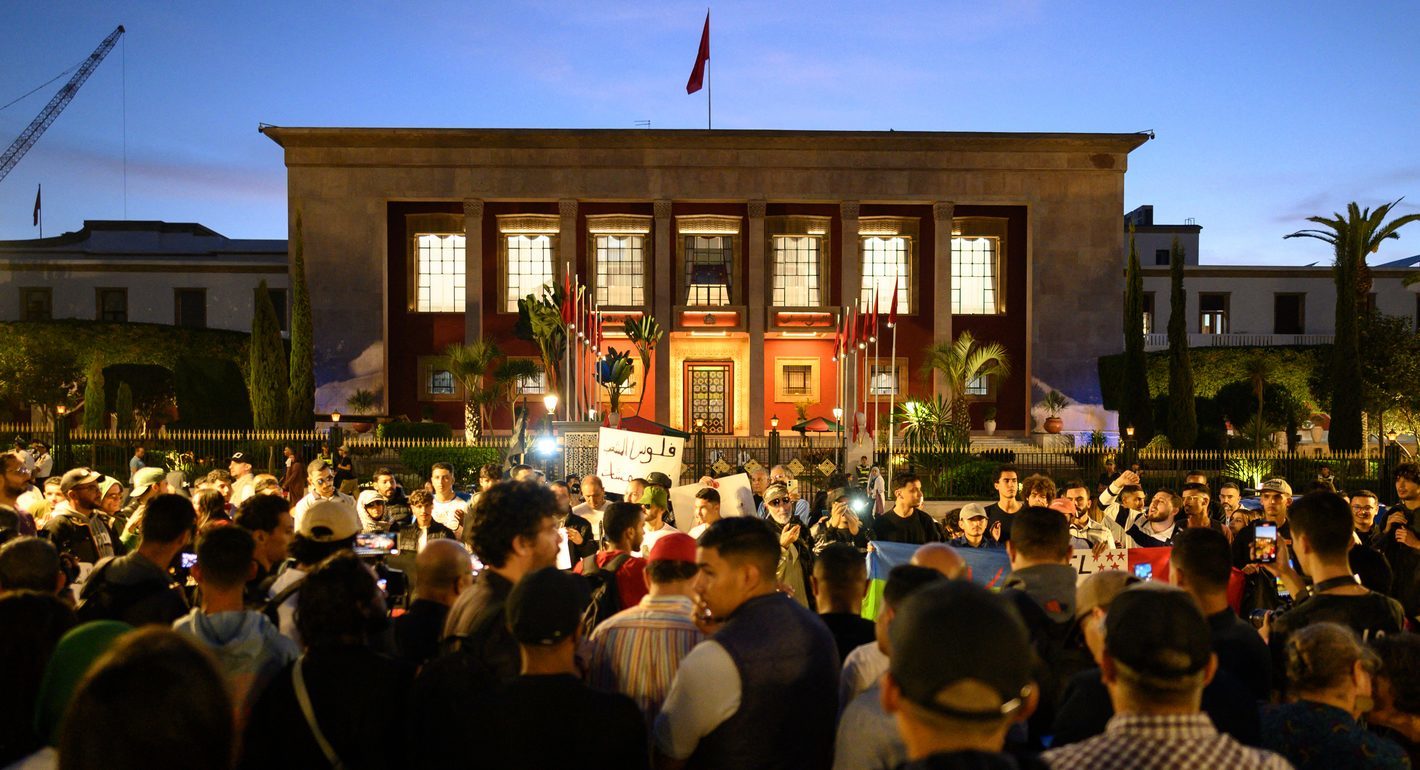
From anime heroes to online gaming communities, Morocco’s Gen Z is building a new protest culture. What does this digital imagination reveal about youth politics, and how should institutions respond?
Abdelilah Farah
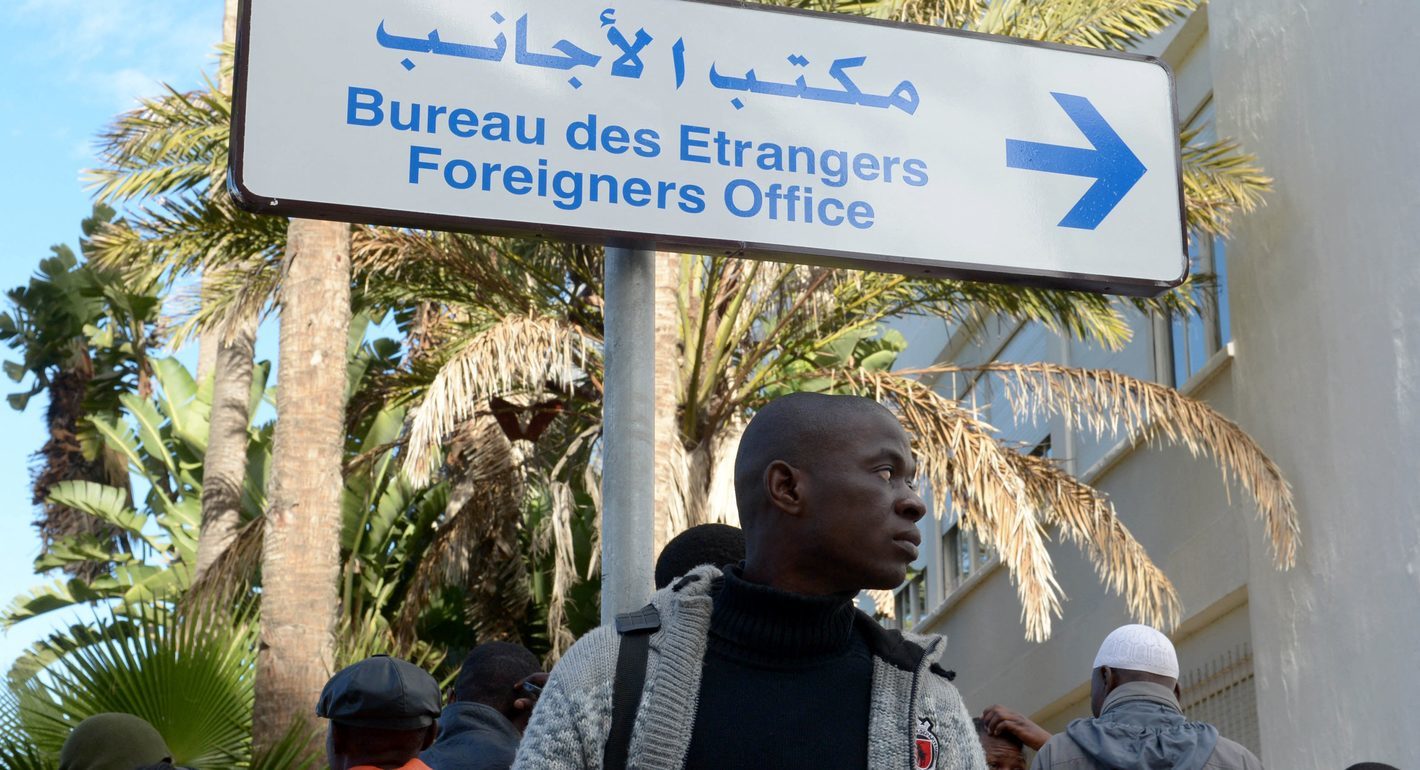
Is Morocco’s migration policy protecting Sub-Saharan African migrants or managing them for political and security ends? This article unpacks the gaps, the risks, and the paths toward real rights-based integration.
Soufiane Elgoumri
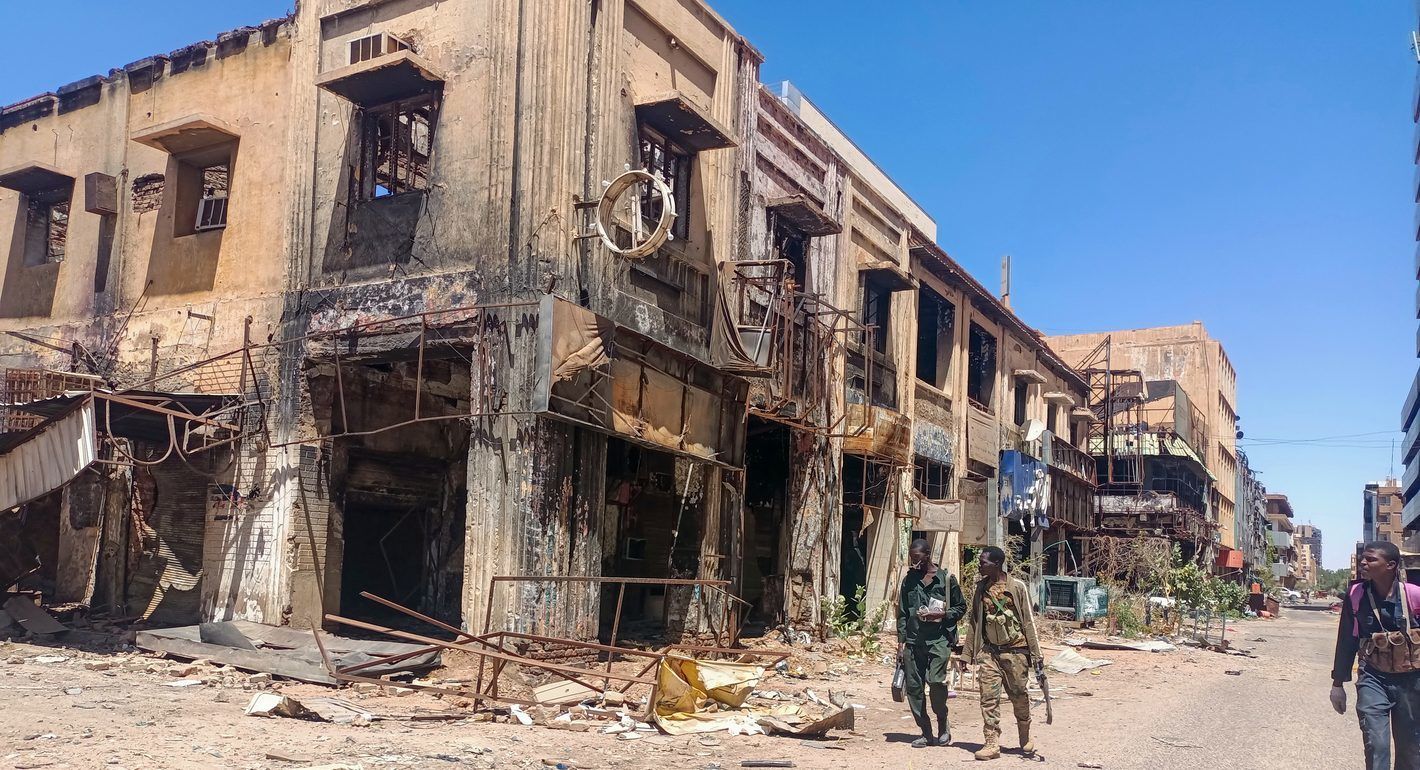
Hate speech has spread across Sudan and become a key factor in worsening the war between the army and the Rapid Support Forces. The article provides expert analysis and historical background to show how hateful rhetoric has fueled violence, justified atrocities, and weakened national unity, while also suggesting ways to counter it through justice, education, and promoting a culture of peace.
Samar Sulaiman
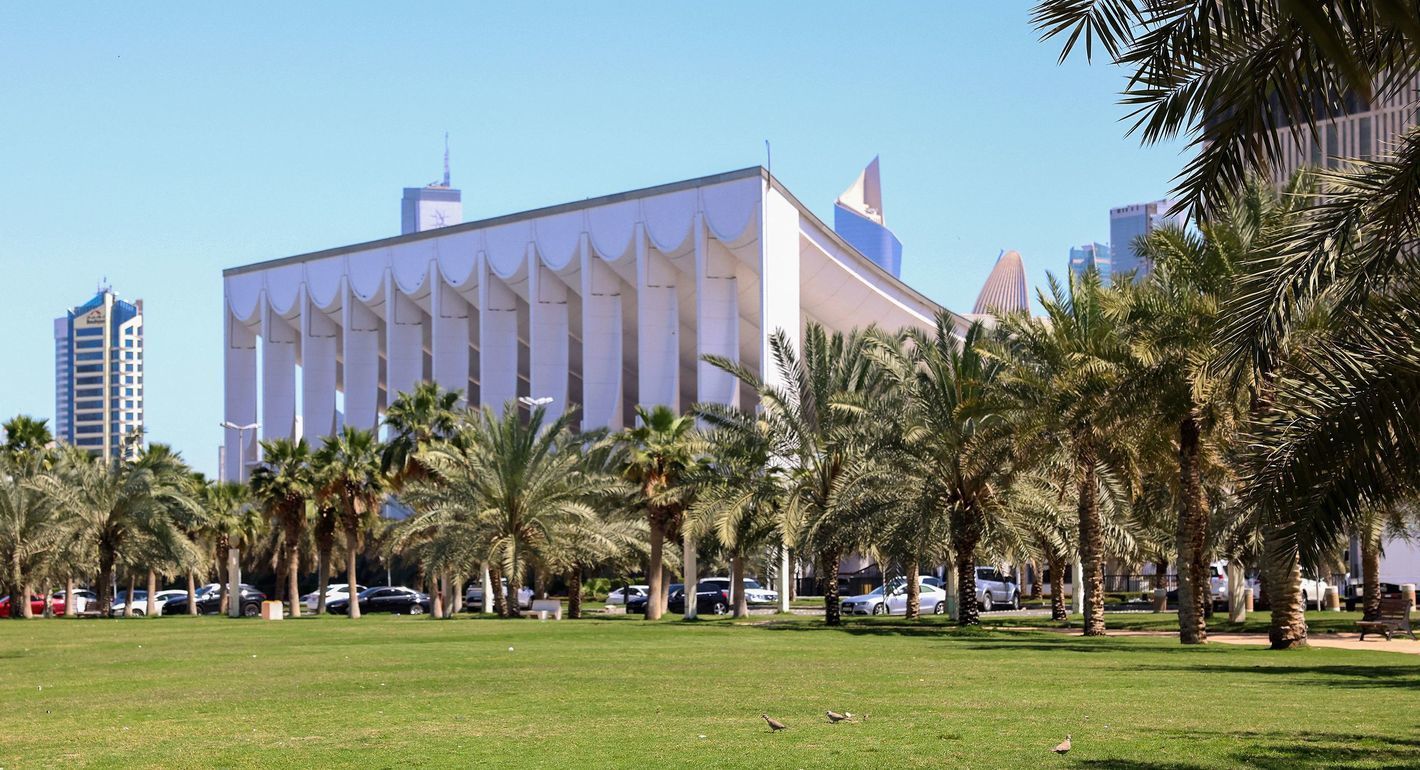
Kuwait’s government has repeatedly launched ambitious reforms under Kuwait Vision 2035, yet bureaucratic inefficiency, siloed institutions, and weak feedback mechanisms continue to stall progress. Adopting government analytics—real-time monitoring and evidence-based decision-making—can transform reform from repetitive announcements into measurable outcomes.
Dalal A. Marafie
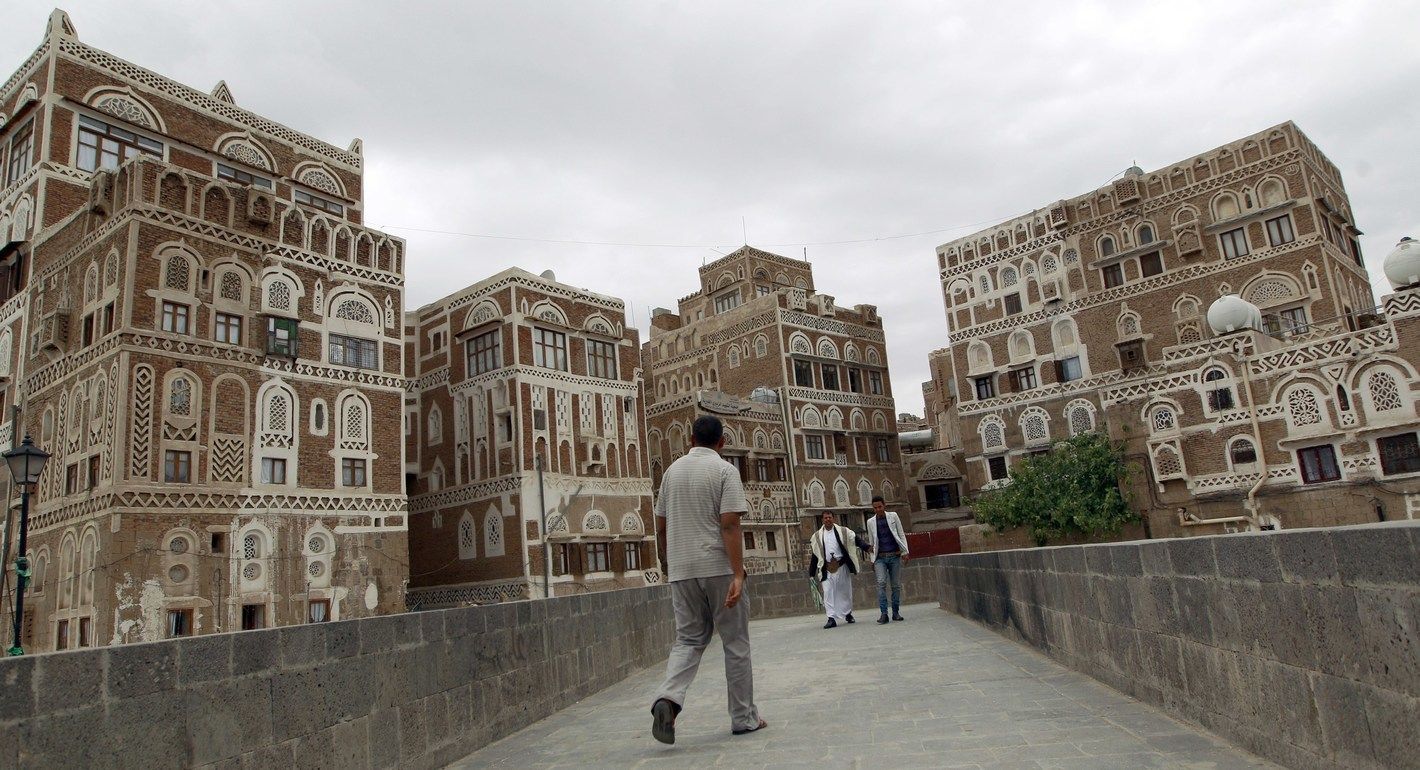
The chaos of street naming in Sana’a reflects the deep weakness of the Yemeni state and its failure to establish a unified urban identity, leaving residents to rely on informal, oral naming systems rooted in collective memory. This urban disorder is not merely a logistical problem but a symbolic struggle between state authority and local community identity.
Sarah Al-Kbat