

Paper
Yezid Sayigh
{
  "authors": [
    "Yezid Sayigh"
  ],
  "type": "commentary",
  "blog": "Sada",
  "centerAffiliationAll": "",
  "centers": [
    "Carnegie Endowment for International Peace",
    "Malcolm H. Kerr Carnegie Middle East Center"
  ],
  "collections": [],
  "englishNewsletterAll": "",
  "nonEnglishNewsletterAll": "",
  "primaryCenter": "Malcolm H. Kerr Carnegie Middle East Center",
  "programAffiliation": "",
  "programs": [],
  "projects": [],
  "regions": [
    "Egypt",
    "Gulf",
    "Levant",
    "Maghreb",
    "North Africa",
    "Tunisia",
    "Lebanon"
  ],
  "topics": [
    "Political Reform",
    "Security"
  ]
}

REQUIRED IMAGE
While the final outcomes of the Arab transitions are far from over, one thing is certain: civil-military relations will be redefined and renegotiated in every country. Arab militaries will inevitably fulfill a more central role in politics, and formalizing this reality may be the only hope for consolidating democratic transitions.
The final outcomes of the Arab transitions are far from over. However, it is certain that civil-military relations will be redefined and renegotiated in every case.
Arab militaries responded to 2011’s popular uprisings in various ways, but always with one of two consequences. In Tunisia and Egypt, the decision of regime-loyalist commanders to abandon their presidents allowed quick transfers of power and cut short bloodshed. Conversely, in Libya, Yemen, and Syria, militaries fragmented, moved to the sidelines, or remained loyal, thus enabling incumbents to fight for their power. The Tunisian and Egyptian responses were largely shaped by the officer corps’ considerable institutional autonomy and professionally formed cohesion; the latter by the intermeshing of the military-government hierarchy with social groups: family, tribe, region, or sect.
The immediate implications are relatively straightforward—if stark. In Libya, Yemen, and Syria, the renegotiation of civil-military relations will focus on the fundamental purpose of the national armed forces: is it to defend the borders against external foes, or to preserve the political power of particular domestic parties? We can expect protracted and arduous renegotiations—all the more if placed within a framework of civilian oversight. The escalation of violence presages a more radical change than has taken place in Tunisia or Egypt, where the transfer of power did not entail entirely dismantling the state. Militaries have partially disintegrated (especially in Libya and Yemen) as a result of incumbents trying to retain power by pitting soldiers against their own societies. More importantly, the rebuilding of armies will reflect a wider struggle over new distributions of power in which the armed forces is seen as an asset to be captured within the divided state.
Iraq offers a discouraging precedent. The reconstructed Iraqi Army remains little more than a coalition of ethnicities and sectarian brigades: unlikely to survive a real test of cohesion, such as allowing units manned by members of certain communities to impose order in ethnically or religiously differing regions. As the political system sinks further into paralysis and the old regime rent-based patronage is reproduced, the Iraqi officer corps has begun to realign around personal and factional allegiances—seriously undermining any notion of meaningful civilian control or democratic governance.
In Egypt and Tunisia, bargaining over the military’s prerogatives is inevitable between the military commands and the political party leaderships that will emerge in coming months from elections to the constituent and parliamentary assemblies. The former regime’s informal arrangements may no longer be sustainable, and the military will likely seek constitutional assurances of its core interests—commonly manifested as budgets and social welfare—as well as a legally mandated advisory role in major spheres of national policy. These may extend beyond defense and foreign affairs to include other areas perceived to affect national security, such as social and economic policy, education, and food production. This “advisory” role may take the form of Turkish-style national security councils comprised of army commanders and leading ministers (or professional staff attached to presidents’ or prime ministers’ offices), who are then entrusted with assessing and guiding policy-making. Untested civilian leaders may regard this politically institutionalized role of the military as an unavoidable concession in the interest of maintaining stability.
From one perspective, this role can be seen as a corrective to the arguably excessive distancing of Tunisia and Egypt’s militaries from politics by their autocratic presidents (for nearly fifty and forty years, respectively). The military was denied input into policy-making processes standard to liberal democracies. Rather than embody civilian control, distancing merely reflected the construction of “securitocratic” systems based on the pervasive intervention of internal security agencies in all aspects of civil life. The danger is not revival of military rule, but the rise of a new authoritarianism of civilianized former officers allied with conservatives and business cronies. Such alliances will no longer center on an all-powerful, autocratic president and will have to adapt to operating within a parliamentary system, but ultimately may block deeper democratization.
Other proponents of a larger role for the military argue that by “holding the stick in the middle” the army can balance emerging political currents and social forces—thus assuring orderly transitions. Indeed, many opponents of military rule hope for continued martial guardianship, at least until new political parties develop enough to openly compete with the extensive remnants of the old regime that have been regrouping under various guises. For others, the army bulwarks against sweeping social reordering by Islamist parties should national elections bring them to power.
But how easily can the army withdraw from this balancing role? As Lebanon demonstrates, sustaining this arrangement stalls reform of chronic, underlying political problems. Lebanese political classes have twice turned to army commanders in the past twenty years when searching for a president. In addition, a policy of deliberate non-intervention by the army is no less political in its inaction. The Lebanese army declared neutrality by refusing to comply with government orders to stop the massive protests following the assassination of the former prime minister Rafiq Hariri in 2005, and later refusing to intervene in May 2008 against the opposition’s military takeover of West Beirut. But many Lebanese, including some officers, have come to regard the army as a partisan ally of their political or sectarian rivals (specifically of Hizbollah and, more generally, the Shi‘a community at large), although such representations are grossly inaccurate.
The “Maspero incident” of October 9 in Cairo revealed that Egypt runs similar risks. Following the killing of 25 mainly Coptic Christian protestors (and the wounding of many others), state television rashly called for Egyptian Muslims to defend “their” army—further evidence of how the military is claimed by partisan or sectarian interests and drawn deeper into the political process. The manner in which the Supreme Council of the Armed Forces sought to use the incident to unite behind it “all sons of the armed forces” probably reflects a concern over its officers corps’ cohesion, but more importantly, it suggests a willingness to risk ideological and social polarization to protect itself from criticism and accountability.
These communal factors are not at play in Tunisia, but similar challenges regarding the balancing role of the military lie ahead. The army has left the interior ministry largely intact (despite replacing the minister and certain officers), denoting a concern for stability and continuity that will come under further pressure should the national economy falter and social strains intensify from rises in unemployment and poverty rates. The bickering of parties otherwise unused to anything but zero-sum politics may paralyze new parliaments or split them irrevocably under the secularist-Islamist divide. In response, senior officers’ default inclination will likely be to resort to the legacy of statist interventions with which they are most familiar: e.g., state promotion of social welfare and subsidies, selective market controls, and provision of public sector jobs for retired personnel.
If transitional processes stall under such conditions, it is not inconceivable that Tunisia and Egypt will eventually follow the Lebanese example and turn to army commanders for salvation. In such an instance, the commanders may not become presidents, but they will almost unquestionably be kingmakers. This does not mean military dictatorship, but certainly limited democracy.
Yezid Sayigh is a senior associate at the Carnegie Middle East Center in Beirut, where his work focuses on the future political role of Arab armies, the resistance and reinvention of authoritarian regimes, and the Israel-Palestine conflict and peace process.

Senior Fellow, Malcolm H. Kerr Carnegie Middle East Center
Yezid Sayigh is a senior fellow at the Malcolm H. Kerr Carnegie Middle East Center in Beirut, where he leads the program on Civil-Military Relations in Arab States (CMRAS). His work focuses on the comparative political and economic roles of Arab armed forces, the impact of war on states and societies, the politics of postconflict reconstruction and security sector transformation in Arab transitions, and authoritarian resurgence.
Recent Work
Yezid Sayigh
Yezid Sayigh
Carnegie does not take institutional positions on public policy issues; the views represented herein are those of the author(s) and do not necessarily reflect the views of Carnegie, its staff, or its trustees.
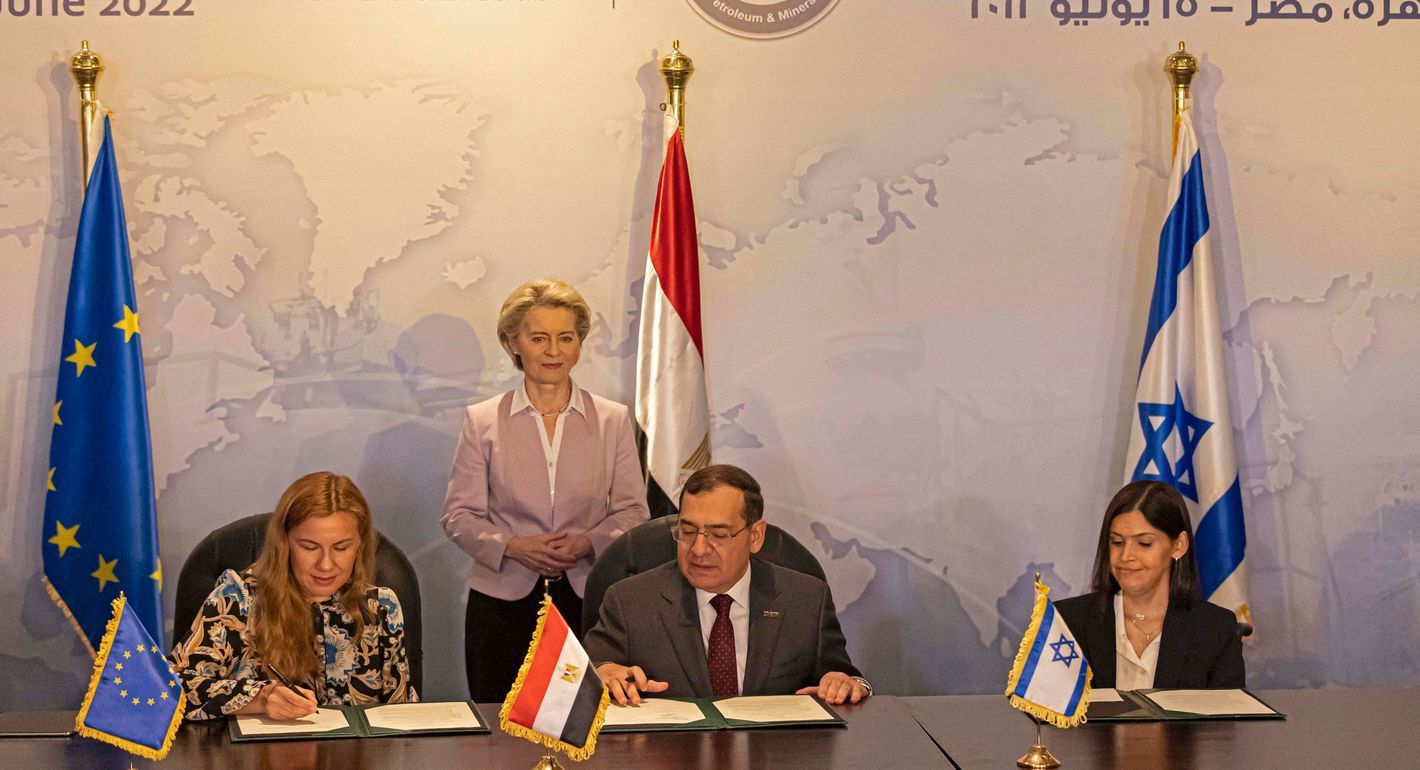
Can economic ties help contain conflict between Egypt and Israel, or do they simply postpone confrontation? Drawing on the German-Russian experience, the article examines how the gas deal creates mutual dependence, keeps channels of cooperation open, and raises the cost of conflict, without necessarily delivering lasting peace.
Nourhan Hefzy
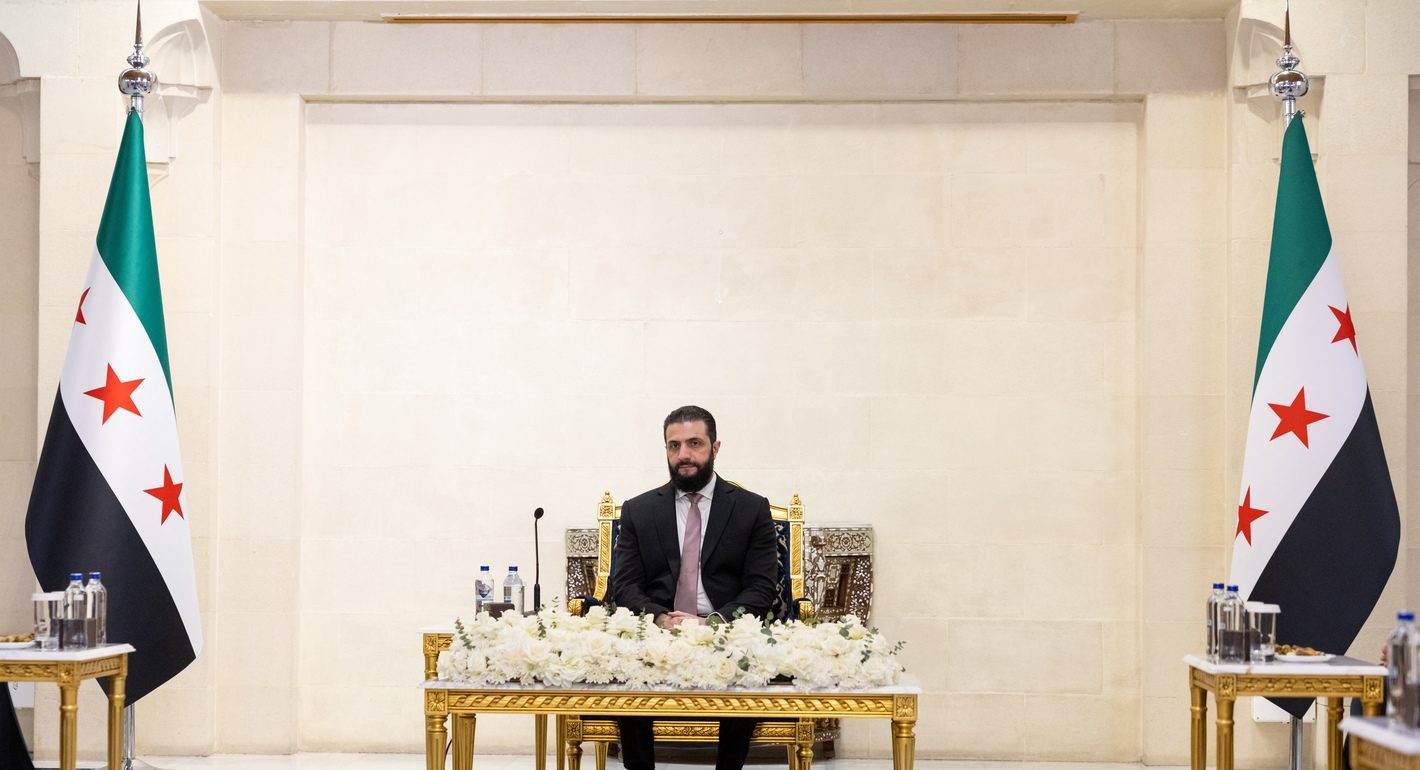
Syria's transition promised a fresh start. But are old habits of power making a comeback? This analysis looks at the warning signs and what it will take to build a more accountable state.
Sima Beitinjaneh
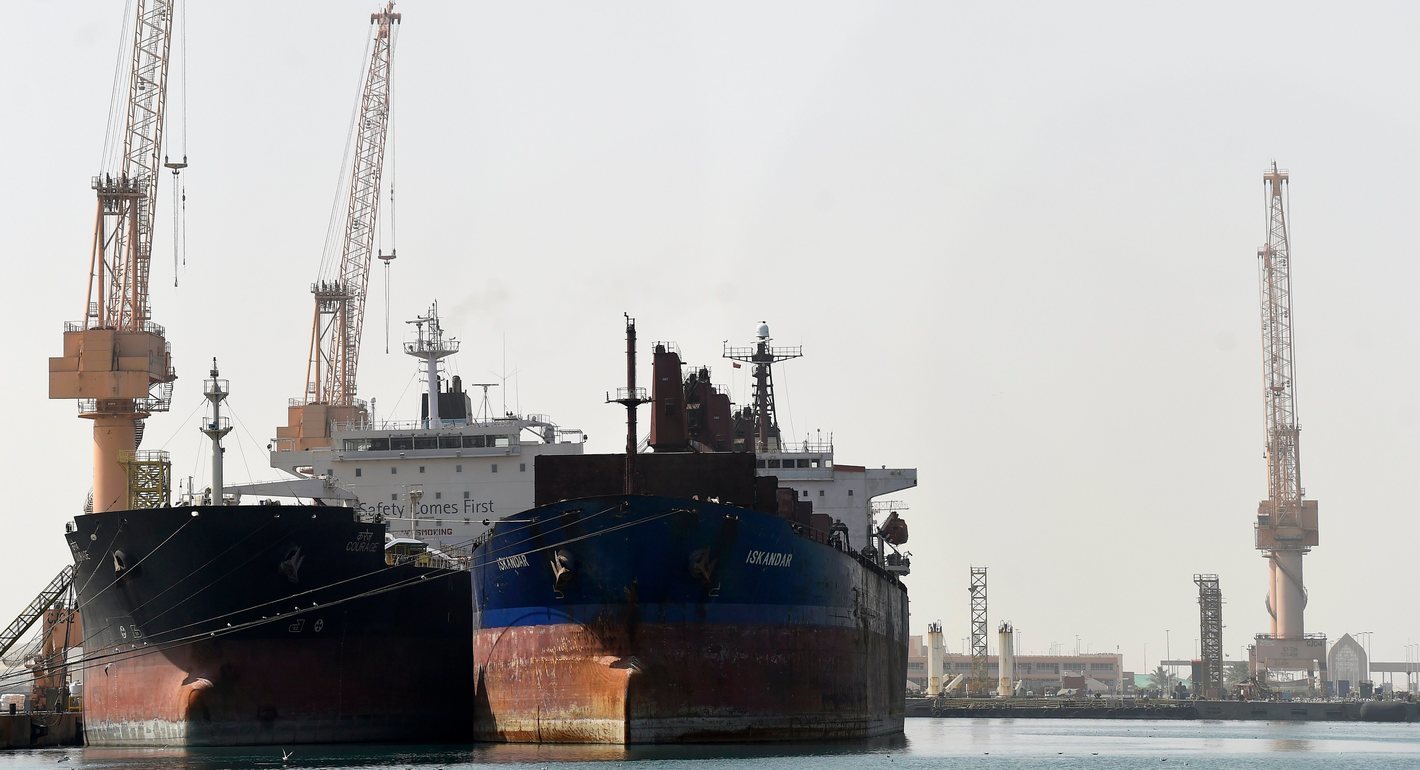
In a volatile Middle East, the Omani port of Duqm offers stability, neutrality, and opportunity. Could this hidden port become the ultimate safe harbor for global trade?
Giorgio Cafiero, Samuel Ramani
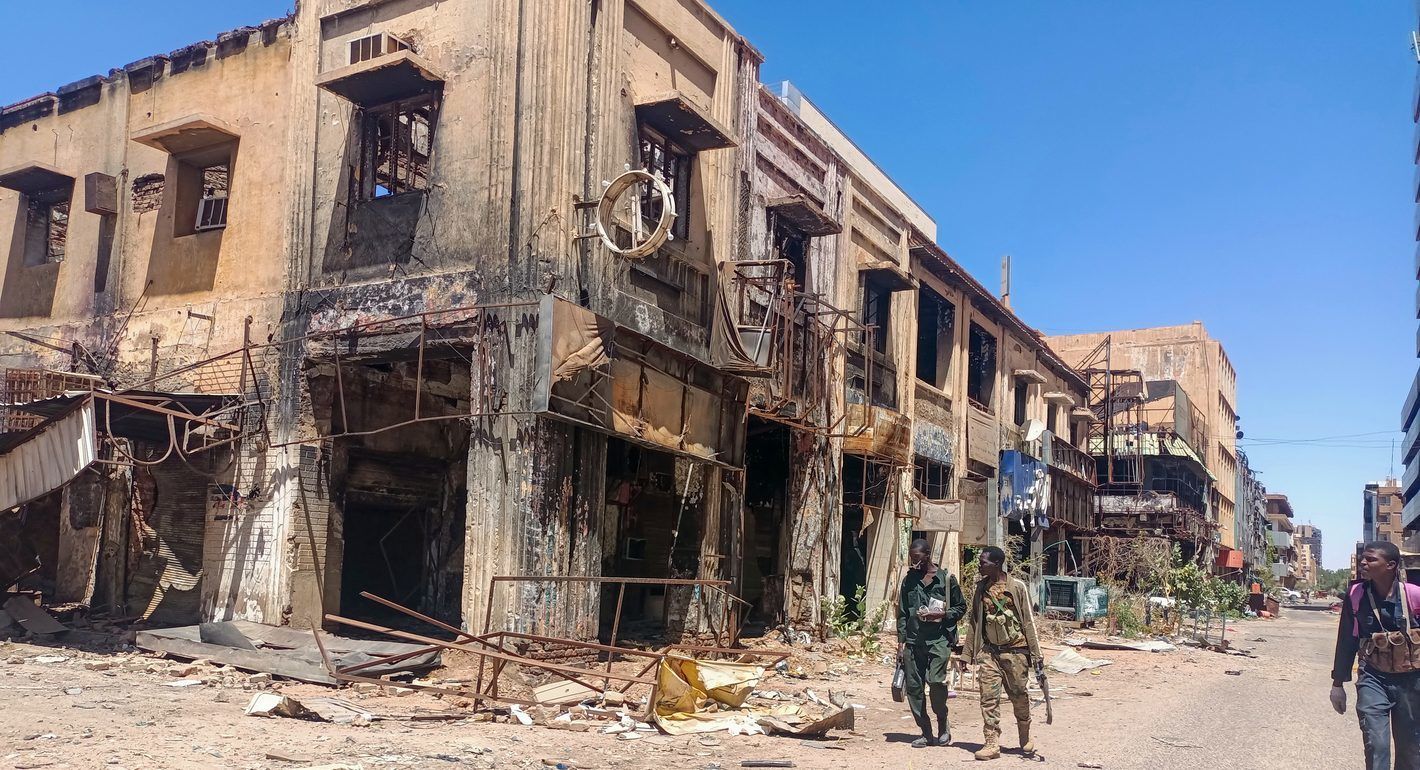
Hate speech has spread across Sudan and become a key factor in worsening the war between the army and the Rapid Support Forces. The article provides expert analysis and historical background to show how hateful rhetoric has fueled violence, justified atrocities, and weakened national unity, while also suggesting ways to counter it through justice, education, and promoting a culture of peace.
Samar Sulaiman
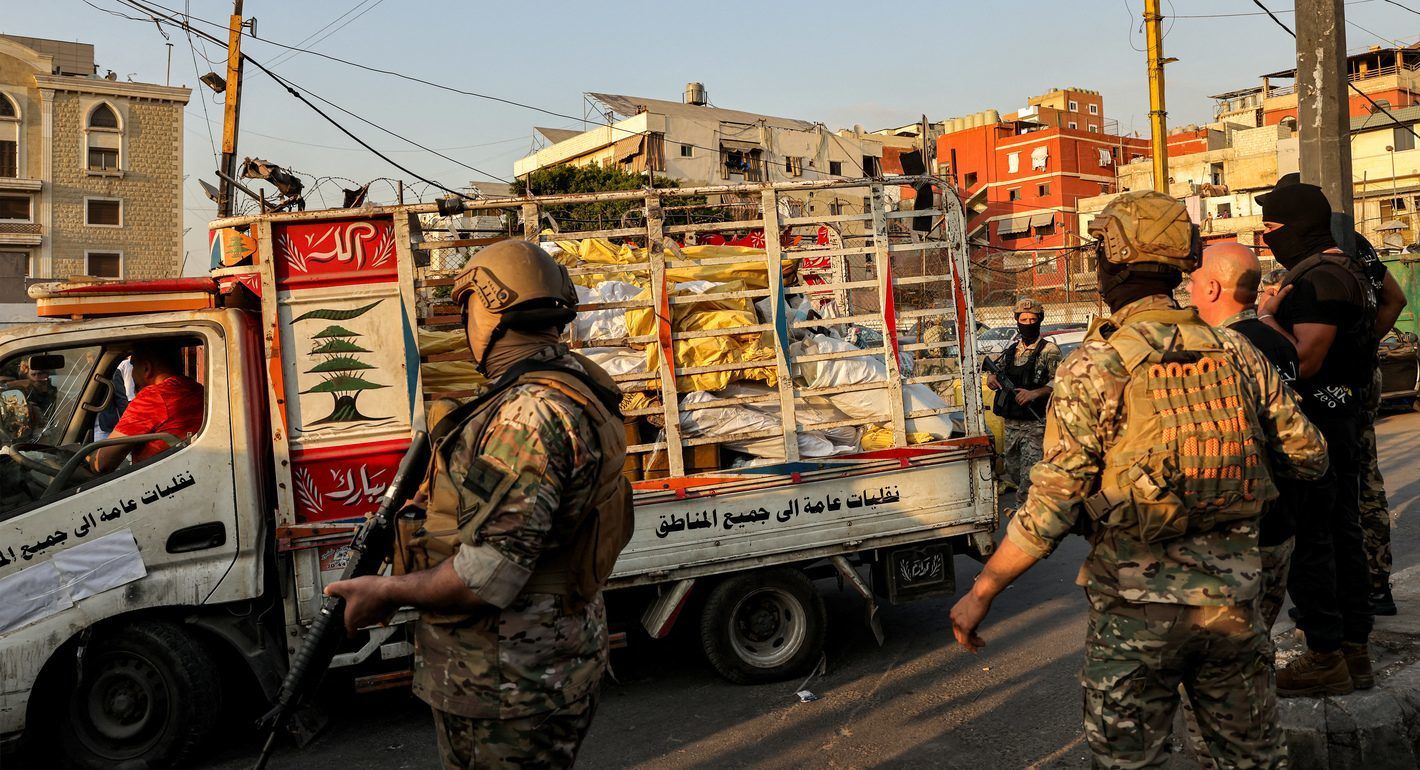
The August 2025 government decision to restrict weapons to the Lebanese state, starting with Palestinian arms in the camps, marked a major test of Lebanon’s ability to turn a long-standing slogan into practical policy. Yet the experiment quickly exposed political hesitation, social gaps, and factional divisions, raising the question of whether it can become a model for addressing more sensitive files such as Hezbollah’s weapons.
Souhayb Jawhar