

Commentary
From anime heroes to online gaming communities, Morocco’s Gen Z is building a new protest culture. What does this digital imagination reveal about youth politics, and how should institutions respond?
Abdelilah Farah
{
  "authors": [
    "Benjamin Nickels"
  ],
  "type": "commentary",
  "blog": "Sada",
  "centerAffiliationAll": "",
  "centers": [
    "Carnegie Endowment for International Peace"
  ],
  "collections": [],
  "englishNewsletterAll": "",
  "nonEnglishNewsletterAll": "",
  "primaryCenter": "Carnegie Endowment for International Peace",
  "programAffiliation": "",
  "programs": [],
  "projects": [],
  "regions": [
    "North Africa",
    "Morocco",
    "Mali"
  ],
  "topics": [
    "Security"
  ]
}
Source: Getty
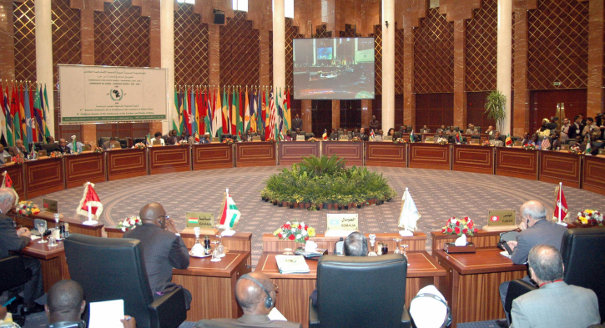
The Arab Spring has created new opportunities for the Kingdom to engage regionally—as the upcoming Community of Sahel-Saharan States meeting is likely to reveal.
The Arab Spring’s echoes in sub-Saharan Africa are more complex than initially imagined; for example, much has been made of how Libya’s crisis has led to Mali’s crisis, but rather less has been said about how the transitions in North Africa may set the stage for new forms of security cooperation in the Sahel. Such possibilities are quietly taking shape now, even as the world struggles to find a multilateral response to northern Mali. A prime example is the upcoming January 2013 meeting of the Community of Sahel-Saharan States (CEN-SAD) in N’djamena, Chad, where Morocco will likely continue its steps to take command of the organization.
CEN-SAD was set adrift by the Arab Spring, which unmoored the African Peace and Security Architecture (APSA) and shook the African Union (AU) by removing its key supporter, Muammar Qaddafi. The least known of the AU’s eight regional economic communities (RECs), the Community of Sahel-Saharan States proffered lofty and increasingly improbable visions of economic union and political/cultural exchange for an ever-growing swath of the continent; it mushroomed from six to 28 members over thirteen years through Libyan largesse. By late 2011, however, the organization looked likely to fade along with the death of Libya’s dictator.
Meanwhile, the Arab Spring opened up new partnership opportunities for Morocco, Africa’s only non-AU member country, which has been long isolated by the Western Sahara conflict and its rivalry with neighboring Algeria. With the polarizing personalities of Qaddafi and Zine el Abidine Ben Ali gone, there may be glimmers of a new hope for one of the African Peace and Security Architecture’s most troubled northern REC: the Arab Maghreb Union (AMU), whose revival Tunisia looks set to push forward. Also about a year ago, African states began lobbying Morocco to revitalize CEN-SAD.
Of these alliances, CEN-SAD must be particularly attractive to Morocco, for several reasons. Its preeminence in the organization will likely go uncontested; no other member has the spur, stature, and stability to lead it. Other potential leaders (namely Nigeria and Kenya) are firmly ensconced as anchor states in existing, functional RECs—Nigeria in the Economic Community of West African States (ECOWAS) and Kenya in the East African Community (EAC), among others. Egypt remains deeply embroiled in regional diplomacy and its own internal affairs, and Algeria’s absence from CEN-SAD should allow Morocco free reign to guide the organization independent of its neighbor. Moreover, the Kingdom may enjoy novel forms of influence within a REC based on a projection of Africa’s Arab and Muslim North into the continent’s South; CEN-SAD apparently an abbreviation taken from Arabic letters sin and sad (for al-sahil and al-sahara), covers over half of Africa’s nations, and what unites such a diverse set of countries—from the Gambia to the Comoros, and Somalia to Sierra Leone—more than any connection to ecoclimatic or environmental conditions, is Islam. With the exception of Algeria, CEN-SAD is the REC of all Muslim-majority African states (as well as member states with significant Muslim minorities)—convenient for a king whose authority rests in part on his position as “Commander of the Faithful” (amir al-muminin).
More importantly, however, leadership of CEN-SAD would allow Rabat to engage in a region where it has deep and direct security concerns. Moroccan officials regularly reference the south and southeast as major sources of concern, especially for rising transnational threats. The bordering Sahel is a zone of illegal immigration; of illicit trafficking in weapons, arms, and people; and of operation and sanctuary for al-Qaeda in the Islamic Maghreb (AQIM) and a proliferating set of armed groups. These challenges are clearly costing Morocco; as more illegal migrants settle in the country, more trafficking corrupts Saharawi youth, and more Islamist terrorist attacks threaten metropolitan centers and tourist hubs. While weathering the Arab Spring, the Moroccan government adopted a new constitution in July 2011 that restates Morocco’s foreign policy priorities, with notable prominence given to sub-Saharan Africa. The Sahel is explicitly highlighted, and it follows only the Maghreb and the umma (and precedes the Mediterranean world) in the document’s listing of Morocco’s regional priorities. For all of these reasons, the country has an interest in adopting and adapting the ready-made structure of CEN-SAD—an organization with a history not only of economic interaction and cultural exchange, but of deployment of multi-national forces for peacekeeping operations (as it did in 2001 with the Central African Republic).
Last June, Rabat took the first step: hosting a CEN-SAD meeting aimed at revitalizing the organization and shifting its focus toward security. The upcoming N’djamena meeting should provide further insight into Morocco’s intentions and CEN-SAD’s prospects and direction. Key indicators to watch include responsibilities and authorities delegated to CEN-SAD’s new peace and security committee; financial commitments made to CEN-SAD by member states, particularly Morocco; proposals to locate any CEN-SAD organs outside of Tripoli, Libya (where the organization is presently housed); the role taken by weighty members, such as Egypt, Senegal, Nigeria, and Kenya; and the emphasis placed on security questions in CEN-SAD’s west (like Mali and Nigeria) rather than its east (such as Somalia and Sudan–South Sudan). Last month in N’djamena, Chadian government officials described a scenario in which peripheral nations peel away, no longer drawn to the table by Qaddafi’s carrots (or sticks), and CEN-SAD tightens to a ten-country community focused exclusively on the REC’s west. This would prime the organization for action in places like northern Mali. Finally, beyond the meeting itself, any reaction from Algeria regarding a Moroccan-led CEN-SAD reboot will have major implications. A particularly interesting and thorny situation for Morocco would be an Algerian application for membership.
The January 2013 summit under the presidency of Chad will mark an advance, but CEN-SAD will remain hard pressed to make any quick-fuse intervention in the Mali crisis. Nonetheless, this improbable REC may eventually find itself engaged there and in the Sahel more broadly—whether in the current crisis or another down the road. The Arab Spring’s reverberations are full of contradictions and ironies. It may be that CEN-SAD’s founder had to die for the organization to live, and that the REC’s anchor state will shift from one of the AU’s strongest advocates, Libya, to its only non-member, Morocco. The straight line from the Libya crisis to the Mali crisis is rather clear, but the ultimate meaning of the Arab Spring for peace and security in Africa remains to be seen.
Dr. Benjamin P. Nickels is an assistant professor of transnational threats and counter-terrorism at the Africa Center for Strategic Studies. This article is in part based on direct conversations with Moroccan, Libyan, and Chadian officials in Washington, D.C. and N'djamena, Chad.
Benjamin Nickels
Carnegie does not take institutional positions on public policy issues; the views represented herein are those of the author(s) and do not necessarily reflect the views of Carnegie, its staff, or its trustees.
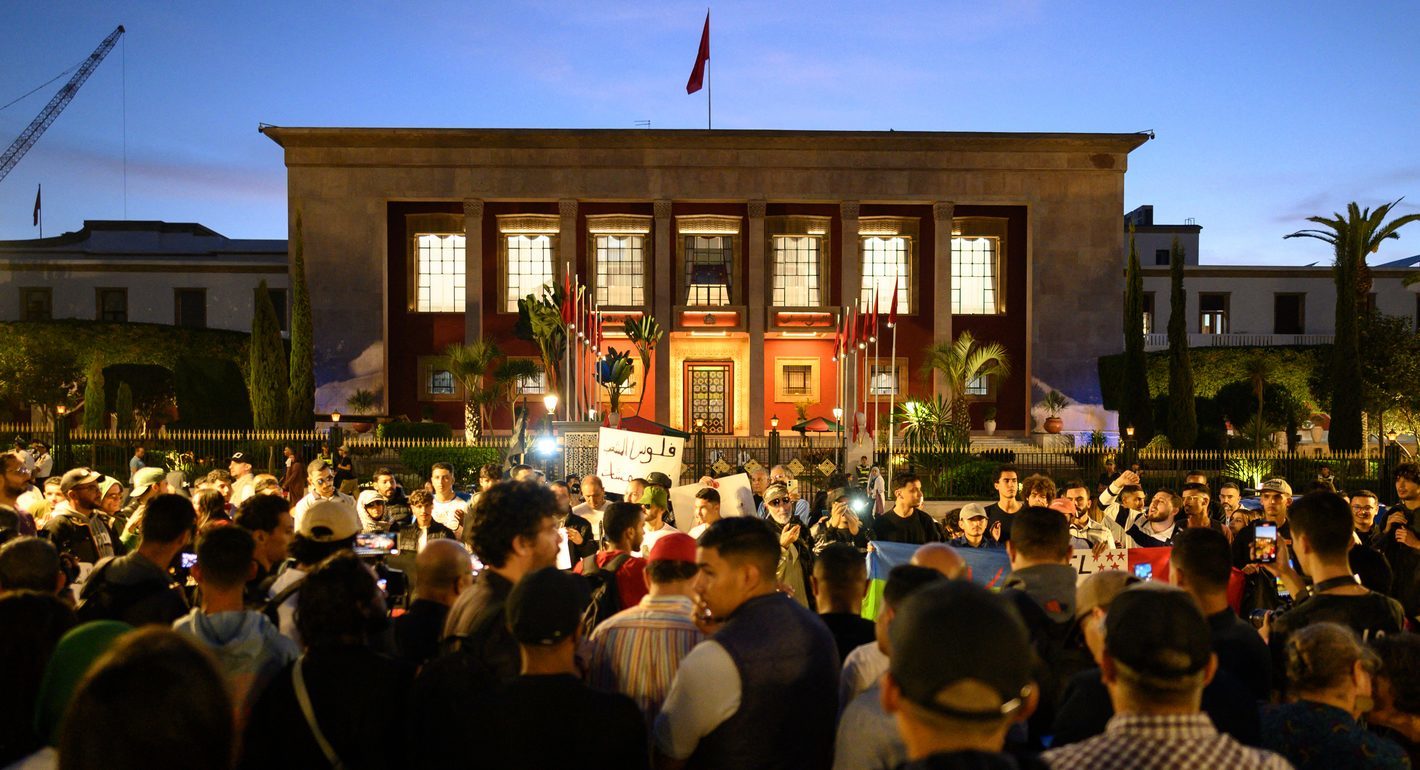
From anime heroes to online gaming communities, Morocco’s Gen Z is building a new protest culture. What does this digital imagination reveal about youth politics, and how should institutions respond?
Abdelilah Farah
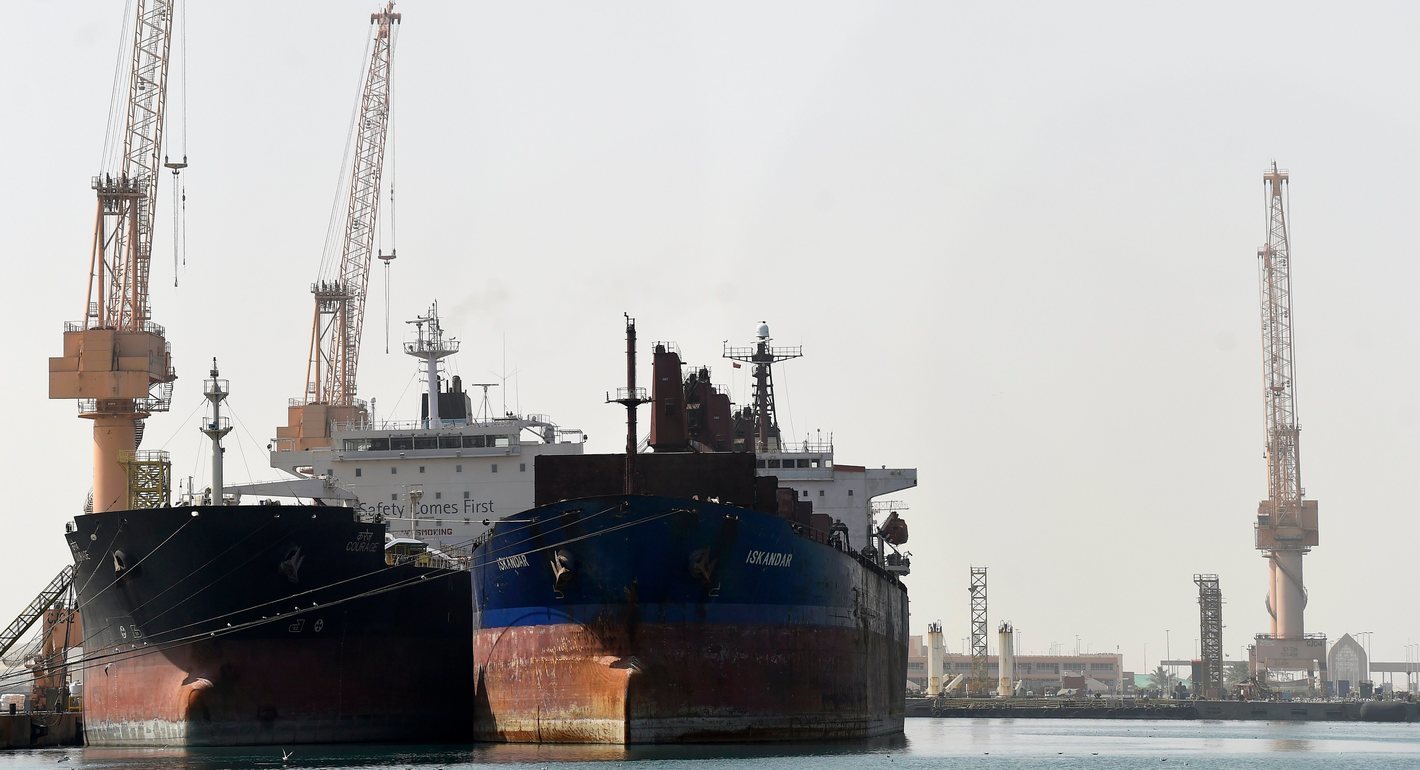
In a volatile Middle East, the Omani port of Duqm offers stability, neutrality, and opportunity. Could this hidden port become the ultimate safe harbor for global trade?
Giorgio Cafiero, Samuel Ramani
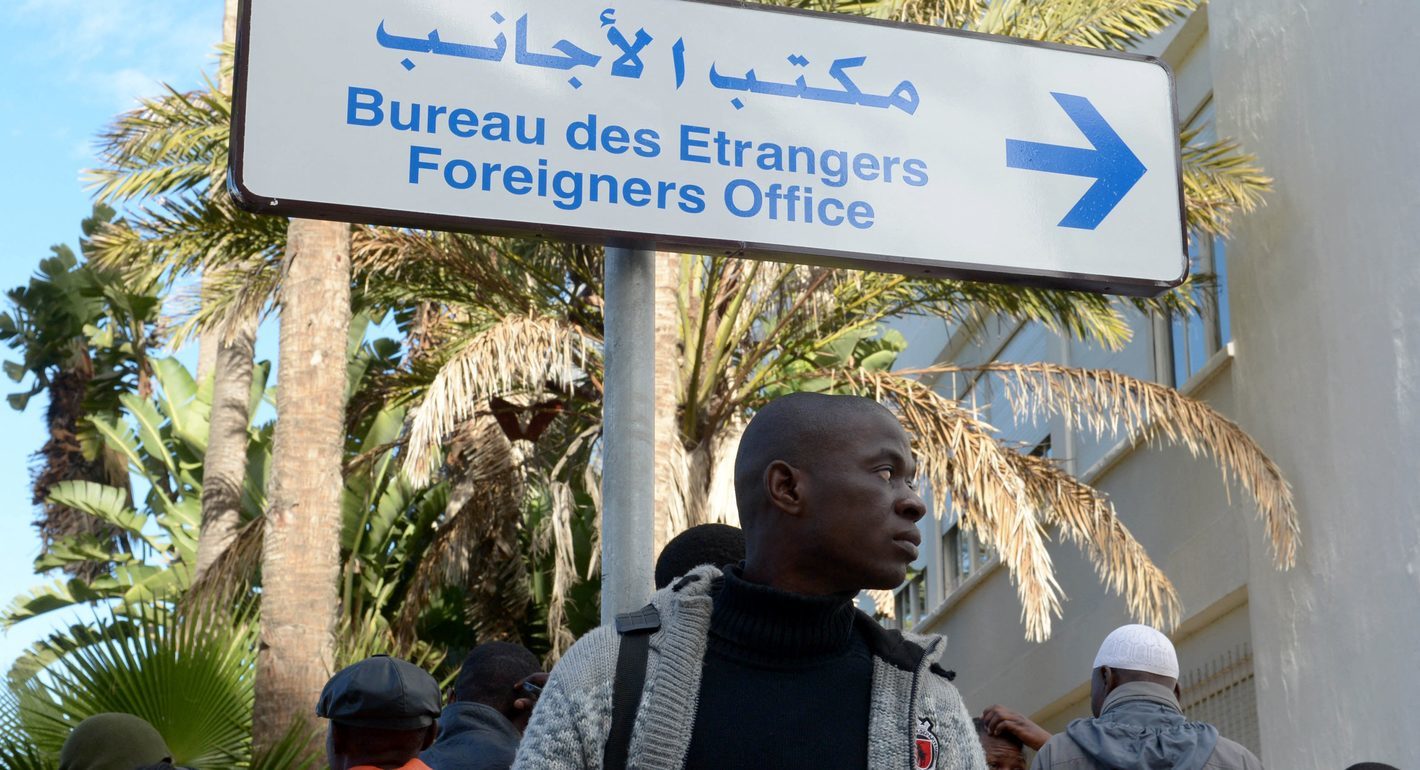
Is Morocco’s migration policy protecting Sub-Saharan African migrants or managing them for political and security ends? This article unpacks the gaps, the risks, and the paths toward real rights-based integration.
Soufiane Elgoumri
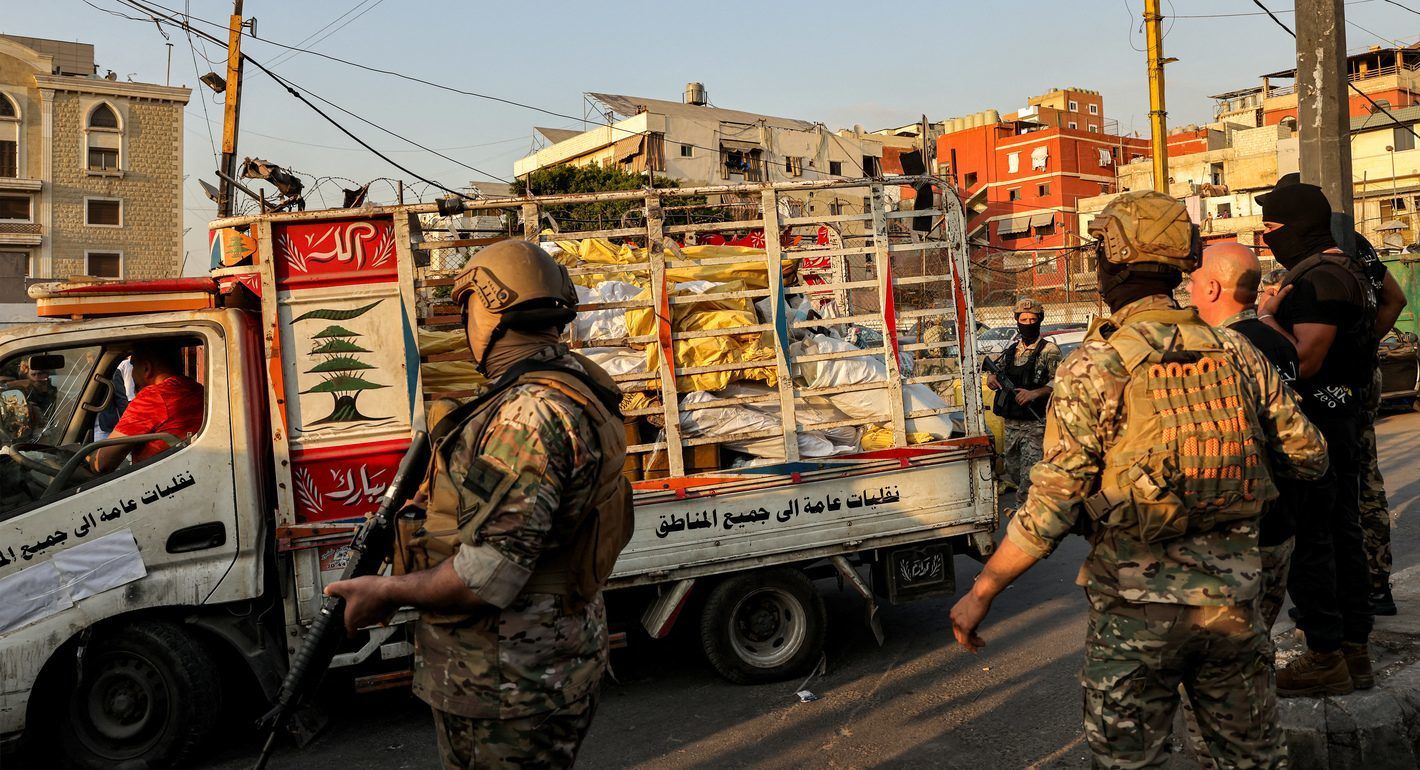
The August 2025 government decision to restrict weapons to the Lebanese state, starting with Palestinian arms in the camps, marked a major test of Lebanon’s ability to turn a long-standing slogan into practical policy. Yet the experiment quickly exposed political hesitation, social gaps, and factional divisions, raising the question of whether it can become a model for addressing more sensitive files such as Hezbollah’s weapons.
Souhayb Jawhar
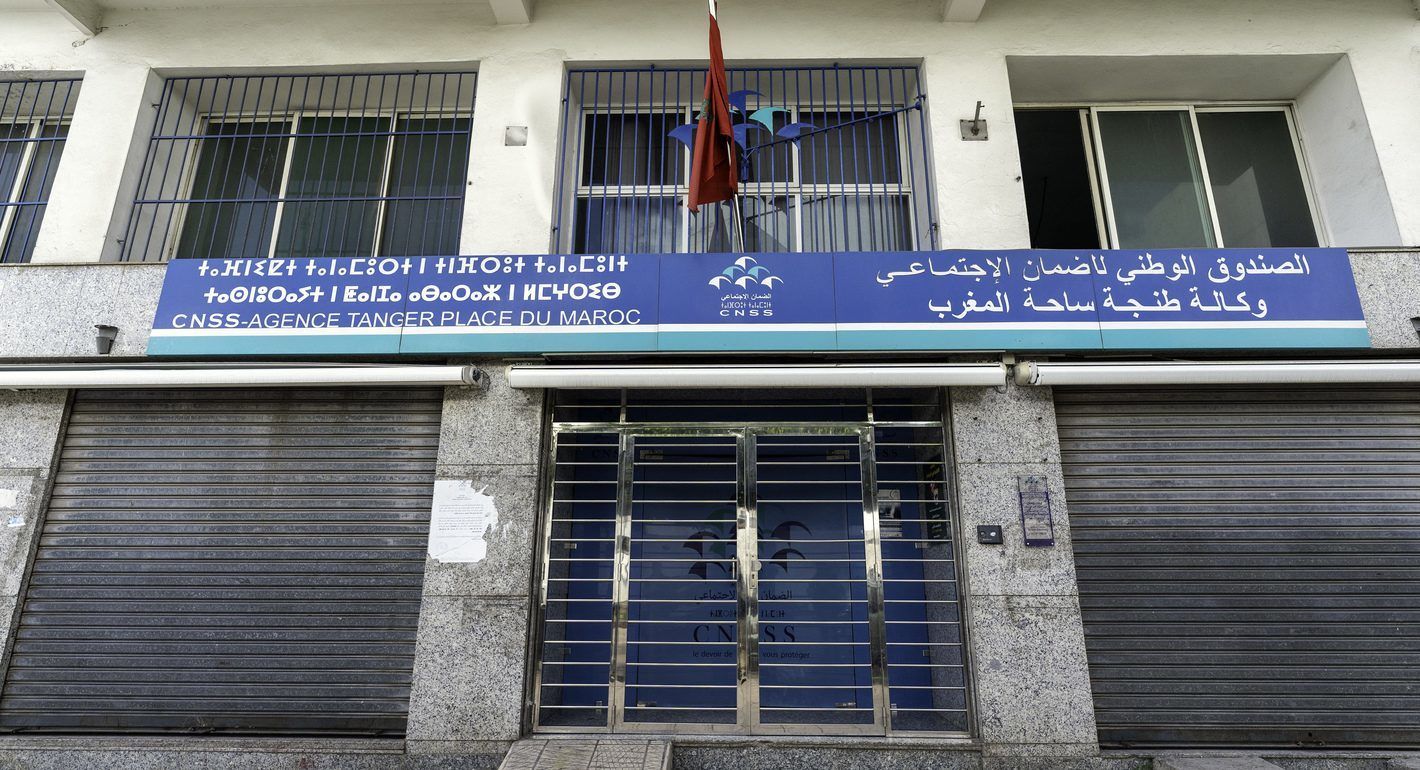
While Morocco’s shift to a digitized social targeting system improves efficiency and coordination in social programs, it also poses risks of exclusion and reinforces austerity policies. The new system uses algorithms based on socioeconomic data to determine eligibility for benefits like cash transfers and health insurance. However, due to technical flaws, digital inequality, and rigid criteria, many vulnerable families are unfairly excluded.
Abderrafie Zaanoun