

Commentary
In a volatile Middle East, the Omani port of Duqm offers stability, neutrality, and opportunity. Could this hidden port become the ultimate safe harbor for global trade?
Giorgio Cafiero, Samuel Ramani
{
  "authors": [
    "Laurence Louër"
  ],
  "type": "commentary",
  "blog": "Sada",
  "centerAffiliationAll": "",
  "centers": [
    "Carnegie Endowment for International Peace"
  ],
  "collections": [
    "Arab Awakening"
  ],
  "englishNewsletterAll": "",
  "nonEnglishNewsletterAll": "",
  "primaryCenter": "Carnegie Endowment for International Peace",
  "programAffiliation": "",
  "programs": [],
  "projects": [],
  "regions": [
    "Middle East",
    "Bahrain",
    "Gulf"
  ],
  "topics": [
    "Security",
    "Civil Society"
  ]
}
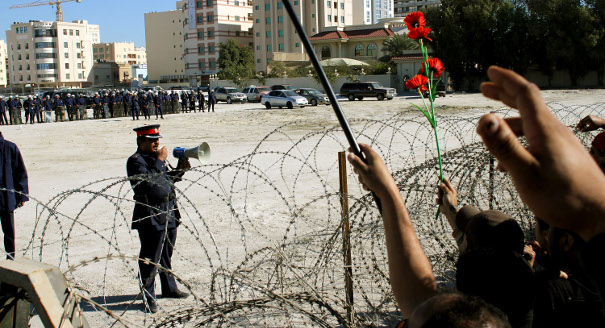
Source: Getty
Restoring trust amid Bahrain's highly polarized society will need a much more substantial approach to the country’s problems.
In early December 2012, Bahraini Crown Prince Salman bin Hamad Al Khalifa proposed yet another dialogue to the country’s opposition on the occasion of the annual “Manama Dialogue”—a meeting at which a group of national and international actors gathered to discuss security issues in the Gulf. On February 10 of this year, after having upheld the 2011 sentencing of thirteen major opposition leaders this past January, the regime finally invited to the table representatives of the moderate opposition. Contrary to most of the opposition in prison, these representatives seek reform of the system—not its overthrow. But both the regime and the opposition are only cautiously engaging in the new dialogue.
Presiding over the current talks, Minister of Justice Sheikh Khalid bin Ali Al Khalifa has been praised by Bahrain’s Western allies for his efforts to implement the recommendations of the Bahrain Independent Commission of Investigation, which released a report in November 2011 pointing at the regime’s human rights violations against protestors from the opposition. The minister is unable, however, to foster the genuine political reforms the opposition demands, which can only been achieved if supported by the regime’s powerful hardliners.
The opposition—represented mainly by Al Wefaq, which has not sent any of its senior officials to the dialogue—has lowered its expectations considerably compared to what it once struggled for two years ago: a constitutional monarchy. No longer hoping to get rid of the hawkish Prime Minister Khalifa bin Salman Al Khalifa, the movement seems to be content to find a way to set a political process in motion once more. Al Wefaq and other moderate opposition groups are losing ground against their more uncompromising counterparts, such as the February 14 Coalition—a leaderless and decentralized youth movement which emerged at the end of 2011—which have met the recent dialogue announcement with the slogan: “Go away. No dialogue with you.”
Since the repression of the uprising in March 2011, violence in Bahrain has never really stopped. Groups like the February 14 Coalition continue their struggle to overthrow the regime and are at pains to maintain a revolutionary atmosphere in the kingdom; the group is believed to be behind most of the disturbances which erupt on an almost daily basis. Although some outbreaks of violence occur at non-authorized demonstrations in Manama, most unrest erupts at night in Shia villages and their immediate vicinity.
Devised by the Interior Minister Rashid bin Abdallah Al Khalifa and his British and American advisors, the regime’s strategy to counteract such violence departs from the methodical suppression of protestors that prevailed in 2011. While weaponized tear gas is still in use, the police do not seek to systematically chase down the rioters and capture them. In fact, authorities seem to tolerate unrest insofar as it does not spill over from Shia villages. The aim seems to be to improve the country’s international image by demonstrating that the regime is able to manage protest through legitimate tactics of crowd control. Also, to a certain extent tolerance of vandalism makes the eruptions more of a mundane occurrence so that it has a minimum impact on residents’ daily lives.
Recent history, however, shows that violence can last for years in the absence of a grand political bargain; between 1994 and 1999, Bahrain witnessed a sizeable uprising that only ended after the death of Emir Isa bin Salman Al Khalifa and the ascension of the current King Hamad bin Isa Al Khalifa.
Violence is all the less likely to end in a short term: the Sunni/Shia cleavage has morphed into sectarian conflicts in areas where it used to be downplayed by the sharing of corporate and class-based interests. Before the uprising, the business sector had been largely united by its rejection of labor market reform, which entailed what many businessmen considered an unbearable increase in the cost of labor. The uprising and its repression by the government have since resulted in a general witch-hunt within the business community; regime hardliners tried to dismiss two prominent Shia members of the board of the Chamber of Commerce, Adel al-Ali and Ibrahim al-Daaysi, whom they saw as pro-opposition. They were only reinstated to their positions after the chamber’s general assembly—where Shia have a majority—mobilized to have the decision cancelled.
Parallel to this, a number of other successful Shia businesses have been explicitly targeted by the government. Those who depend heavily on government support suffer the most, while others have been the objects of harassment. The most well-known example is that of the businessman Faisal Jawad, who (among other things) owns a chain of supermarkets that have been vandalized throughout 2011 and 2012. In at least one instance, surveillance cameras filmed the police placidly asking the thugs responsible to evacuate the shop—but did not arrest any of them. Faisal Jawad is now considering selling part of his assets in Bahrain. Jawad’s example suggests a looming change in the sectarian demographics of big business in the country.
Increasing sectarianism is also affecting labor. While most of the mainly Shia protestors who were sacked from their jobs after the uprising have been reinstated, many have not been given back their previous positions or wages. The trade union movement split in July 2012 when a handful of unions withdrew from the General Federation of Workers Trade Unions in Bahrain to create the Bahrain Labour Union Free Federation. Dominated by Al Wefaq, the General Union had initiated a general strike during the uprising—a move seen by the Free Federation as having undermined workers’ interests. Based on the odd alliance of Sunni Islamists and Sunni Marxist radicals, the Free Federation also claims the General Union has a sectarian approach to labor issues due to its proximity to the opposition. The split of the labor movement was largely facilitated by amendments made in 2011 to the trade unions law; among other things these amendments allowed explicitly for the creation of more than one trade union among companies as well as the existence of more than one federation.
The divide between Bahrain’s nationals and expatriates is also increasingly used for political ends. Extremely heterogeneous, the expatriate community counts around 670,000—54% of the total population, according to the 2010 census—who (mostly) do not understand the complexity of the Bahraini political scene and are generally sympathetic to the regime. Expats tend to view the regime as open-minded and, compared to other GCC states, fairly benevolent towards resident aliens—many of whom share the regime’s vision that the 2011 protestors were a bunch of Shia religious radicals bent on establishing a theocracy. Daily incidents have also exasperated a number of these communities, who would wish the government to take stronger action against the rioters—hence why in September 2012 the Bahrain Federation of Expatriate Associations implicitly criticized the Ministry of Interior’s management of the disturbances. The federation pointed at the chaos caused by “illegal unsanctioned marches and demonstrations,” which it labeled “criminal activities” that “must be stopped.” The blasts of November 2012 have only reinforced this uncompromising approach to the crisis, causing many to believe that expats themselves have become a specific target. The government uses these fears to further its ends. Contrary to their Arabic counterparts, English-language newspapers controlled by the government systematically document the incidents that occur in the expatriates’ neighborhoods—regularly publishing declarations by government officials pledging to protect all residents of Bahrain whatever their religion or nationality against what are called “racist” attacks.
In this context, Bahrain seems more than ever in a deadlock. Even if the new dialogue bears some fruit, restoring trust in such a highly polarized society will need a much more radical approach to the country’s problems than perhaps those in charge in the regime are willing to take.
Laurence Louër is a research fellow at Sciences-Po, the Centre for International Research and Studies (CERI), Centre for National Scientific Research (CNRS) in Paris.
Laurence Louër
Laurence Louër is Associate Professor at the Centre for International Studies (CERI), Sciences.
Carnegie does not take institutional positions on public policy issues; the views represented herein are those of the author(s) and do not necessarily reflect the views of Carnegie, its staff, or its trustees.
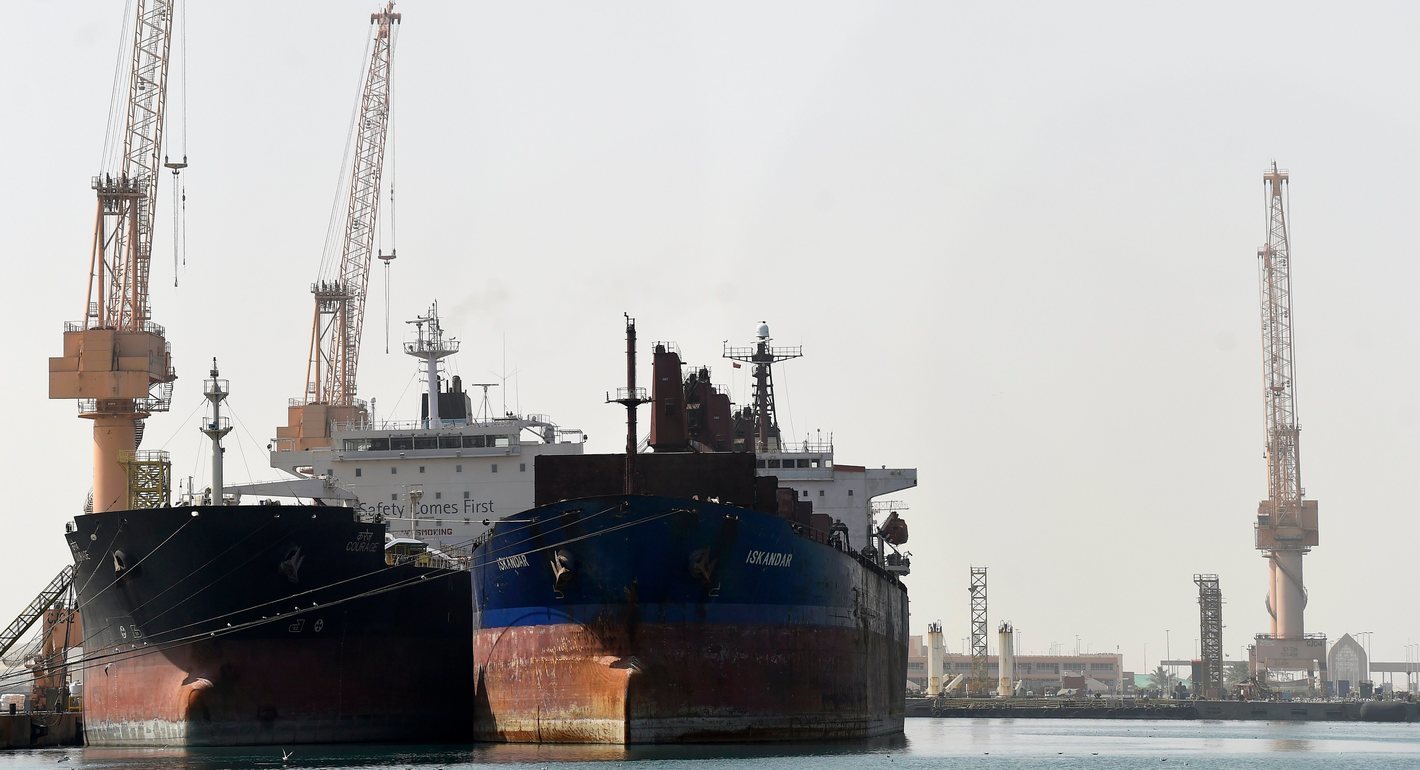
In a volatile Middle East, the Omani port of Duqm offers stability, neutrality, and opportunity. Could this hidden port become the ultimate safe harbor for global trade?
Giorgio Cafiero, Samuel Ramani
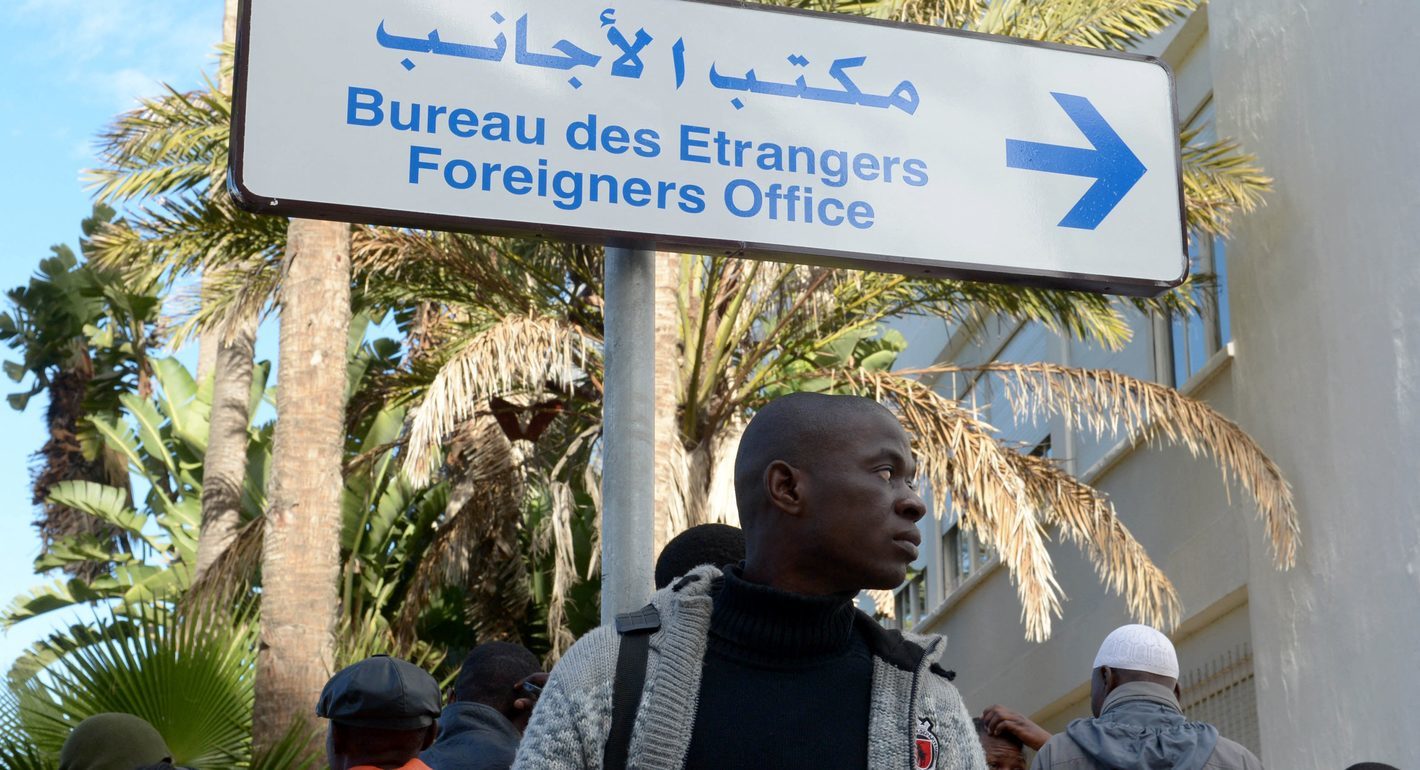
Is Morocco’s migration policy protecting Sub-Saharan African migrants or managing them for political and security ends? This article unpacks the gaps, the risks, and the paths toward real rights-based integration.
Soufiane Elgoumri
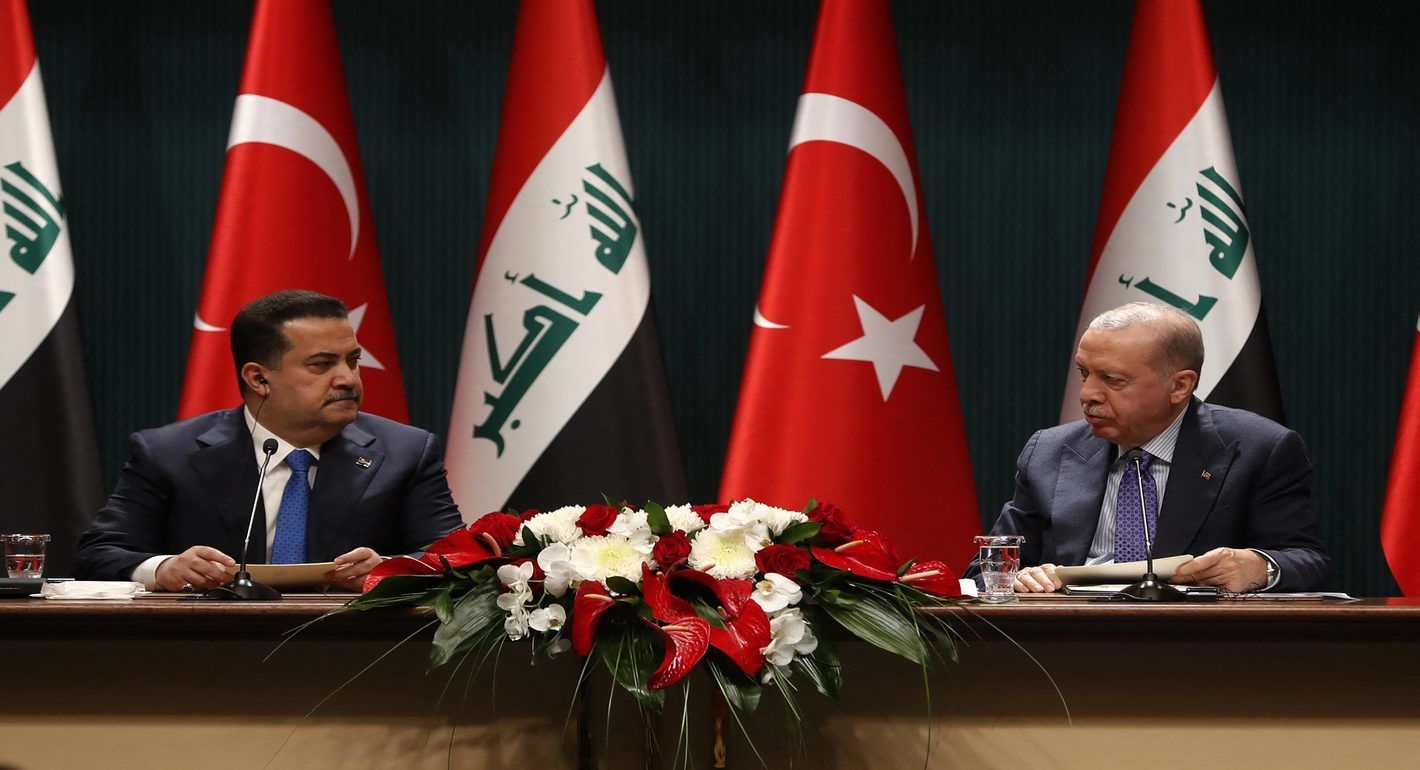
Iraq’s foreign policy is being shaped by its own internal battles—fractured elites, competing militias, and a state struggling to speak with one voice. The article asks: How do these divisions affect Iraq’s ability to balance between the U.S. and Iran? Can Baghdad use its “good neighbor” approach to reduce regional tensions? And what will it take for Iraq to turn regional investments into real stability at home? It explores potential solutions, including strengthening state institutions, curbing rogue militias, improving governance, and using regional partnerships to address core economic and security weaknesses so Iraq can finally build a unified and sustainable foreign policy.
Mike Fleet
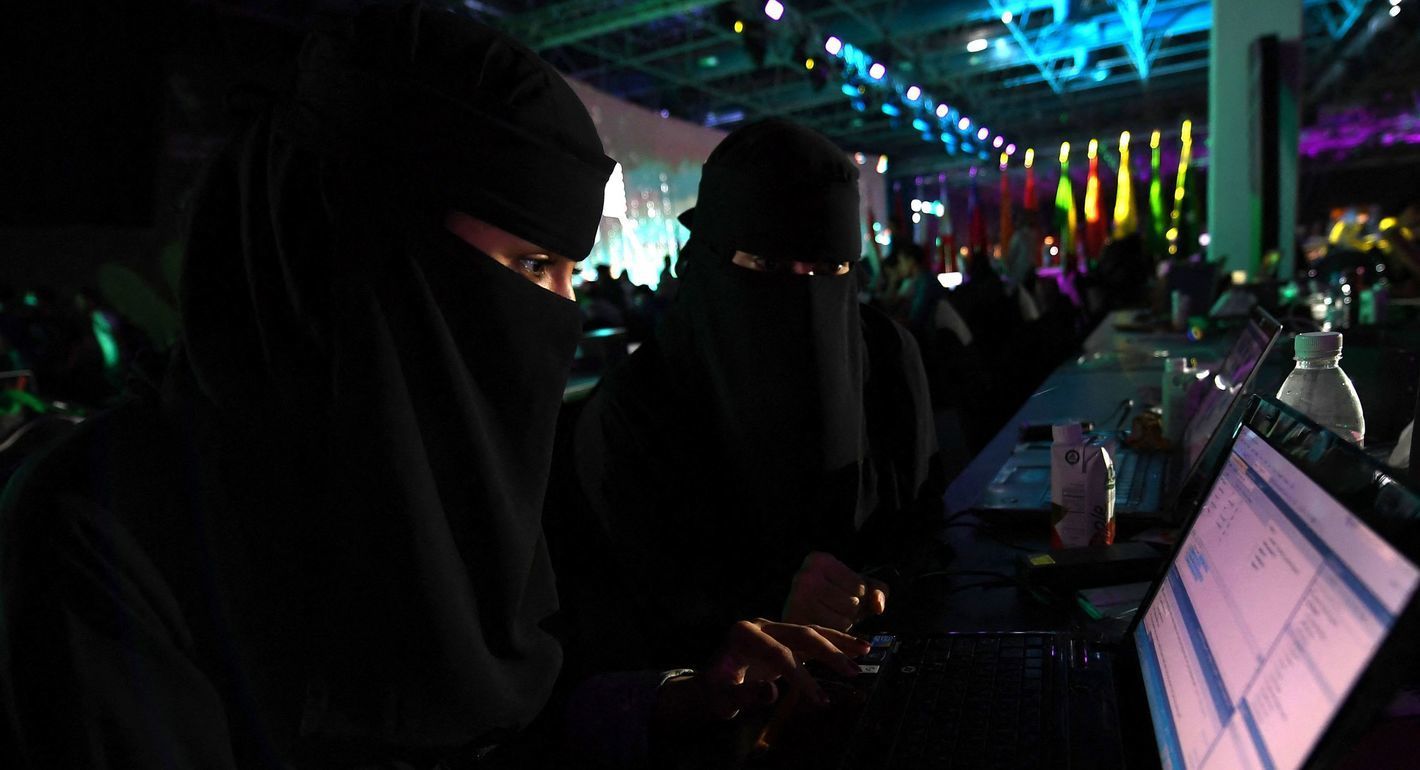
How can Saudi Arabia turn its booming e-commerce sector into a real engine of economic empowerment for women amid persistent gaps in capital access, digital training, and workplace inclusion? This piece explores the policy fixes, from data-center integration to gender-responsive regulation, that could unlock women’s full potential in the kingdom’s digital economy.
Hannan Hussain
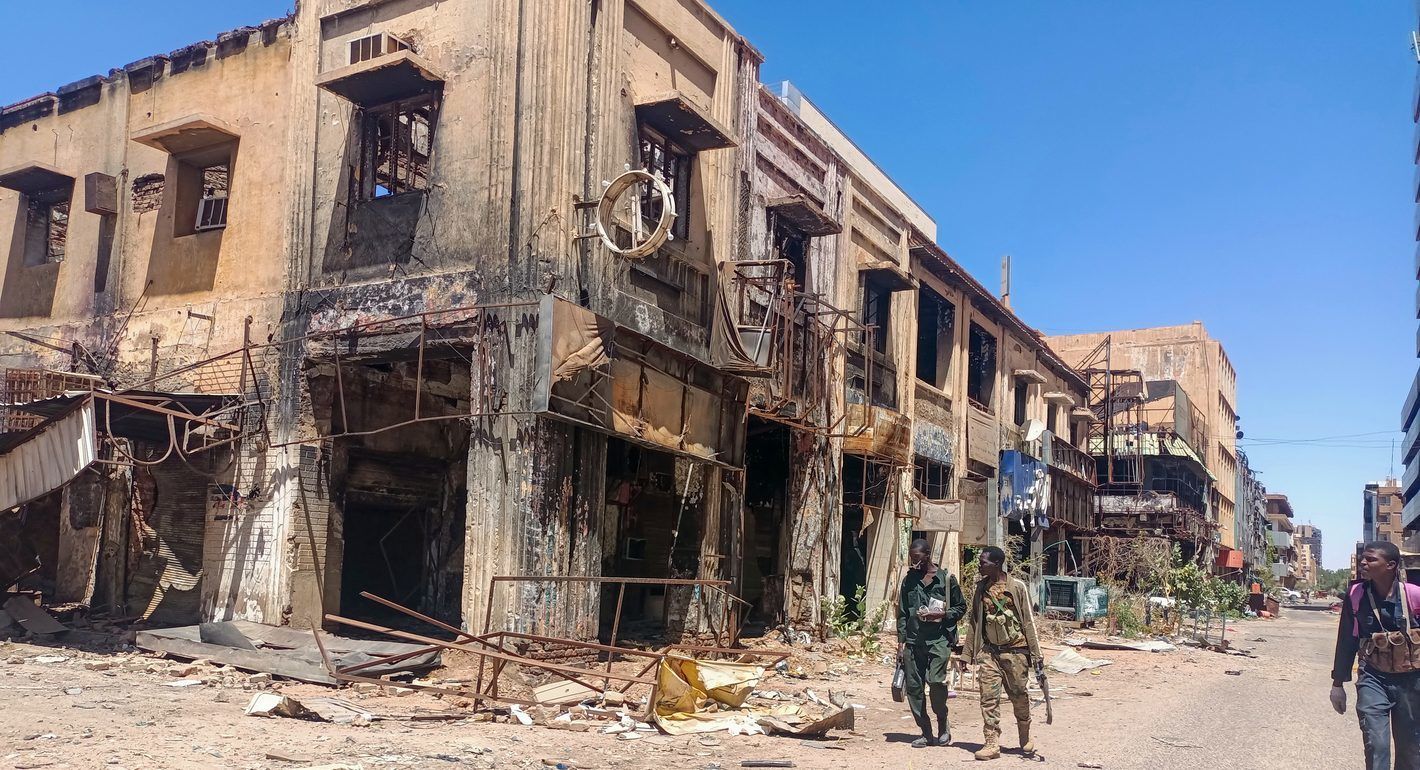
Hate speech has spread across Sudan and become a key factor in worsening the war between the army and the Rapid Support Forces. The article provides expert analysis and historical background to show how hateful rhetoric has fueled violence, justified atrocities, and weakened national unity, while also suggesting ways to counter it through justice, education, and promoting a culture of peace.
Samar Sulaiman