

Commentary
Syria's transition promised a fresh start. But are old habits of power making a comeback? This analysis looks at the warning signs and what it will take to build a more accountable state.
Sima Beitinjaneh
{
  "authors": [
    "Maâti Monjib"
  ],
  "type": "commentary",
  "blog": "Sada",
  "centerAffiliationAll": "",
  "centers": [
    "Carnegie Endowment for International Peace"
  ],
  "collections": [],
  "englishNewsletterAll": "",
  "nonEnglishNewsletterAll": "",
  "primaryCenter": "Carnegie Endowment for International Peace",
  "programAffiliation": "",
  "programs": [],
  "projects": [],
  "regions": [
    "North Africa",
    "Morocco"
  ],
  "topics": [
    "Political Reform"
  ]
}
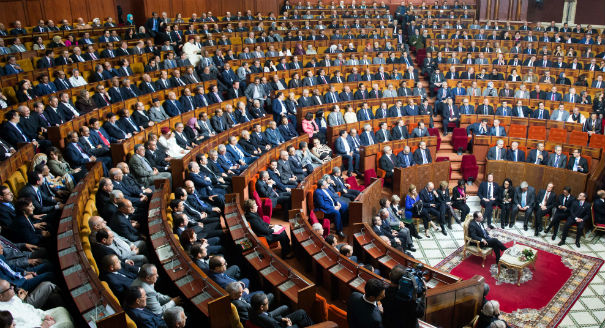
Source: Getty
Despite a new constitution aimed at devolving power away from the palace, Morocco’s executive branch continues to show its hand in legislative affairs.
Domestic and international attention has focused on Morocco's King Mohamed VI following a recent royal pardon of 48 jailed Spaniards, including a convicted pedophile. While the king’s error caused an outpouring of anger among Moroccans (and has forced him to revoke the pardon), more fundamental and structural political issues about the role of the palace in the country's politics and governance are rising. The country’s most recent constitutional reform appeared to give more power to the elected government and parliament; however, vague and contradictory passages and the imposition of restrictions on the rights and powers of elected bodies were included to ensure the palace maintained a free hand to interpret the constitution to keep the balance of power in the country in its favor.
Recent events provide a perfect example of this; six months ago, the House of Representatives started preparing a draft bill on the structure and conduct of the parliamentary investigative committees. However, the government’s secretariat general, which does not receive orders directly from the prime minister but rather from “the supreme bodies” (referring to the palace), caught the house—and especially the legislative committee—by surprise when it ratified and introduced its own bill on the topic. This completely disregarded the efforts previously made by the legislative committee and dealt a big blow both to the legislative process and to Lahbib Choubani, Minister of Relations with the Parliament and Civil Society, who had been closely following the committee’s work and reporting back to the government on its progress.
At first glance, the decision seems senseless and inflammatory, particularly given that Choubani had been specifically reassuring the legislative committee that the secretariat general was not preparing a competing draft bill. This move set off a firestorm within the House of Representatives as well as within the Justice and Development Party (JDP), which heads the ruling coalition, leading to Choubani’s boycott of the cabinet. Abdellah Bouanou, the head of the JDP faction within the House of Representatives, announced that the government initiative had come as a surprise. Meanwhile, parliamentarian Abdelaaziz Aftati, who represents the anti-palace wing of the Islamists in the House of Representatives, demanded that the government withdraw its draft bill, as it was insulting to the legislative body. It was eventually revealed that the speaker of the House of Representatives, a member of the Istiqlal party, had asked the legislative committee to stop its work on the proposal only a few days before the government approved the general secretariat's bill, further dispelling any illusions about the separation of powers.
In an even stranger twist, the parliamentary investigative committees—whose structure is the topic of the opposing legislations—are under the parliament’s jurisdiction, as is evident by their name. So how can the government, in the form of the secretariat general, legislate in place of parliament? These investigative committees, which were established in Article 67 of the new constitution, are one of the basic mechanisms that help the parliament maintain a semblance of balance against the executive branch, primarily by granting it the ability to serve as a watchdog over the management of public institutions and state resources while helping combat the corruption rampant in government contracting.
Taking into consideration the facts that Choubani and the JDP are staunchly opposed to royal control over the legislative process, they have tried consistently to protect the legislative powers of the House of Representatives, and the JDP has a relative plurality in parliament, it seems likely that the secretary general of the government—and by extension the highly influential makhzen—is seeking to marginalize parliament even further. Of the 20 regulatory laws required by the new constitution, as of the beginning of July 2013 only two of them had been passed under the Benkirane government despite its year and a half in power. Ahmed Zaidi, the head of the socialist faction in the House of Representatives, asserts that this is not the first time the executive branch has intruded upon the parliament’s turf: it previously prevented discussion of a law proposed by the socialist wing in parliament, claiming that the government (particularly the secretariat general) was already creating a bill on the same topic.
All of the above could mean that the current legislative term—in which some Islamists and socialists are playing a pivotal role in pushing forward a democratic interpretation of the constitution—will end without the bulk of the regulatory laws on the agenda being passed or even initiated. This, in turn, implies either that the palace, acting through the government’s secretariat general, will impose its own interpretation of the constitution for most of the 20 regulatory laws, or else that some of these laws will be completely neglected by the Benkirane government. Both of these outcomes work in the executive branch’s favor. The end result for each scenario is that despite reforms, legislative institutions will have little credibility with the public regarding their ability to face the overwhelming power of the executive branch, which is largely controlled by the conservative makhzen.
Maati Monjib is a Moroccan political analyst and historian. He is the editor of Islamists versus Secularists in Morocco (2009) and a regular contributor to Sada.
* This article was translated from the Arabic.
Maâti Monjib
Maâti Monjib is a political analyst, human rights activist, and historian at the University of Mohammed V-Rabat.
Carnegie does not take institutional positions on public policy issues; the views represented herein are those of the author(s) and do not necessarily reflect the views of Carnegie, its staff, or its trustees.
Syria's transition promised a fresh start. But are old habits of power making a comeback? This analysis looks at the warning signs and what it will take to build a more accountable state.
Sima Beitinjaneh
From anime heroes to online gaming communities, Morocco’s Gen Z is building a new protest culture. What does this digital imagination reveal about youth politics, and how should institutions respond?
Abdelilah Farah
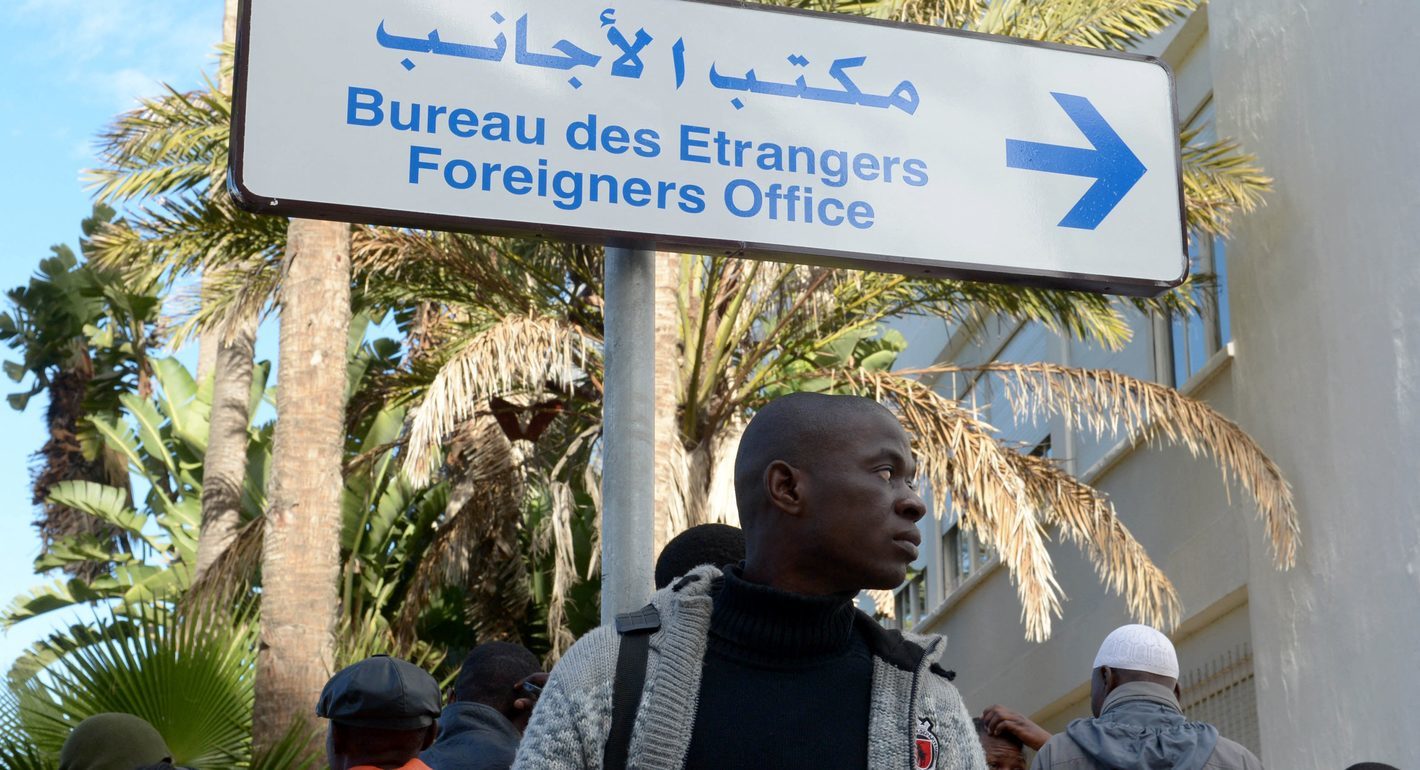
Is Morocco’s migration policy protecting Sub-Saharan African migrants or managing them for political and security ends? This article unpacks the gaps, the risks, and the paths toward real rights-based integration.
Soufiane Elgoumri
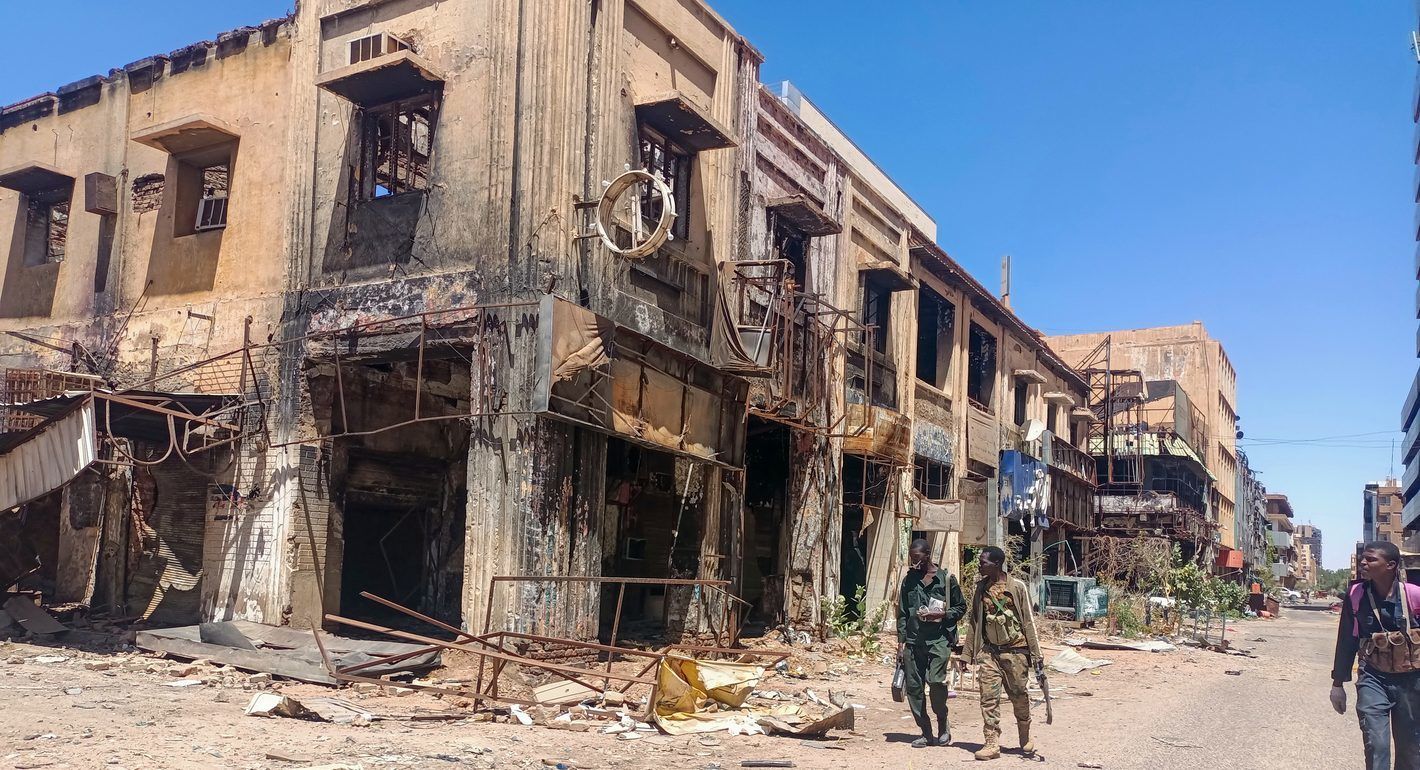
Hate speech has spread across Sudan and become a key factor in worsening the war between the army and the Rapid Support Forces. The article provides expert analysis and historical background to show how hateful rhetoric has fueled violence, justified atrocities, and weakened national unity, while also suggesting ways to counter it through justice, education, and promoting a culture of peace.
Samar Sulaiman
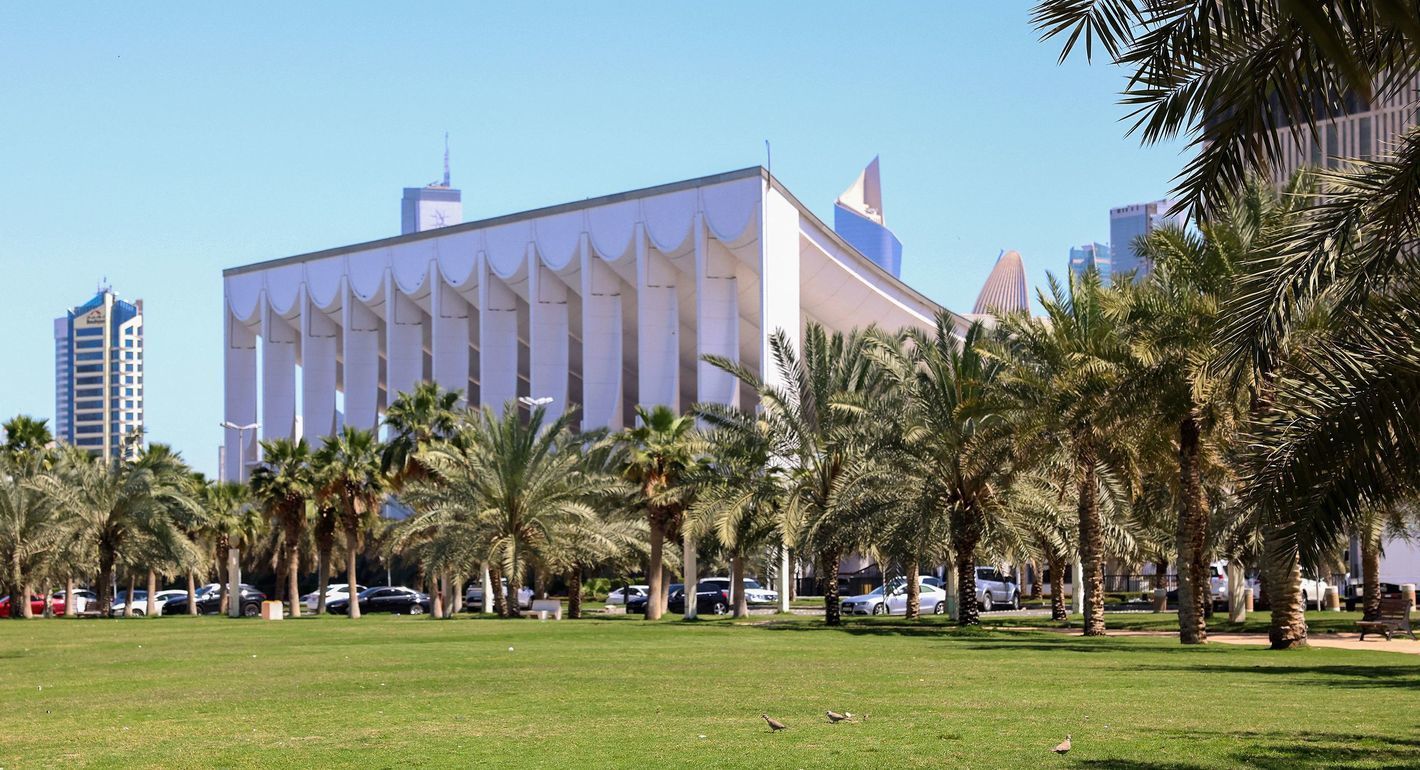
Kuwait’s government has repeatedly launched ambitious reforms under Kuwait Vision 2035, yet bureaucratic inefficiency, siloed institutions, and weak feedback mechanisms continue to stall progress. Adopting government analytics—real-time monitoring and evidence-based decision-making—can transform reform from repetitive announcements into measurable outcomes.
Dalal A. Marafie