

Commentary
Mohamed El-Shewy
{
  "authors": [
    "Mohamed El-Shewy"
  ],
  "type": "commentary",
  "blog": "Sada",
  "centerAffiliationAll": "",
  "centers": [
    "Carnegie Endowment for International Peace"
  ],
  "collections": [],
  "englishNewsletterAll": "",
  "nonEnglishNewsletterAll": "",
  "primaryCenter": "Carnegie Endowment for International Peace",
  "programAffiliation": "",
  "programs": [],
  "projects": [],
  "regions": [
    "North Africa",
    "Egypt"
  ],
  "topics": [
    "Political Reform",
    "Democracy"
  ]
}
Source: Getty
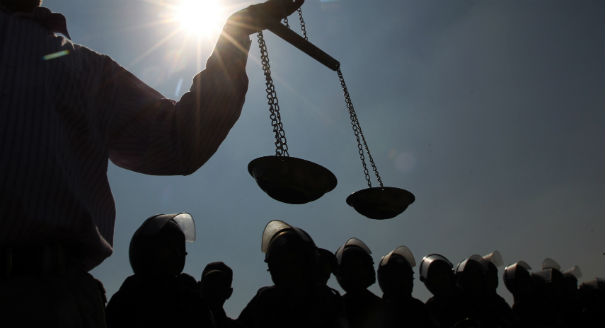
Transitional justice in Egypt cannot be pursued effectively in the current climate of division and polarization.
Given Egypt’s current political climate, interest in transitional justice has been growing—it has been portrayed as lifesaving and vital to the country “moving forward” in its shift to more democratic rule. Yet many of those proclaiming Egypt's “dire need” for transitional justice have so far failed to properly analyze the interim government's actions with regard to transitional justice. What began as efforts by civil society organizations1 has now moved into a more formal governmental space with the establishment of a Ministry of Transitional Justice and Reconciliation. Closer analysis of ministerial statements however, reveals that its main goals are to punish the Muslim Brotherhood alone, rather than seeking justice and accountability.
There is a pressing need for Egypt to establish measures that would hold past human rights violators accountable; however, calling on the current government to implement transitional justice does not take into consideration the current political context in the country and how it would affect any such potential process. Based on statements from the Ministry of Transitional Justice and Reconciliation, the current government’s approach to transitional justice will likely be highly skewed, exclusionary, and directed at one faction.
The assessment that the lack of progress in the area of transitional justice is mostly due to a lack of political will on the part of Egypt’s successive governments since 2011 is correct. The current interim government—which has been pursuing a crackdown against the Muslim Brotherhood and passing new laws that legitimize police brutality against protesters—has, conversely, also been eager to appear to take the right steps toward addressing accountability. Evidence of this includes establishing the new Ministry of Transitional Justice and Reconciliation, and setting up a new fact-finding commission to investigate post-June 30 violence. As a way of analyzing the interim government’s understanding of transitional justice, it is necessary to look at the new ministry, the governmental body established to work on such issues since Mubarak’s removal.
This ministry, the first of its kind, was established shortly after the ouster of Mohamed Morsi on July 3. It was hoped that the decision to establish it would be a sign of the new government’s serious commitment to accountability and addressing crimes of the past. As time has passed, however, the role of the ministry appears to be little more than an opportunity to target the policies enacted by Morsi rather than to seek justice and accountability for all Egyptians. During Minister Mohamed Amin El-Mahdi's announcement that a fact-finding commission would be formed to look into all events following June 30, he stated that the Muslim Brotherhood was “indirectly responsible for all the chaos in Egypt in recent times [. . .] which is at odds with the notion of reconciliation.” He also made it clear in a January 3 interview with a local newspaper that the Brotherhood was considered a terrorist organization, and that there was no doubt that the group was behind the recent December 24 deadly bombing in Mansoura. In the same interview, El-Mahdi also explained that the role of the ministry was to “locate a legislative environment that will eventually form the basis of transitional justice.” This means that the future parliamentary legislature on transitional justice will rely heavily on the findings of the current ministerial commission.
In this context, it is perhaps easier to understand the reasoning behind the November 27 Alexandria court ruling upon which some analysts have built their call for transitional justice. The state is arguably lashing out against the slightest sign of dissent to the post-July 3 order. This has not been limited to the Muslim Brotherhood, but has recently extended to other groups—three members of April 6 were jailed in December for “protesting without permission.” Problematically, much of the advocacy for transitional justice relies on the state as the main arbiter, but fails to take into account how the interim government's ideological position would impact negatively on any such process. This becomes clearer when the body responsible for it, the Ministry for Transitional Justice and Reconciliation, has already passed judgment on who is guilty and responsible for crimes of the past.
Transitional justice is a field of practice that traditionally consists of elements related to criminal prosecutions, truth-seeking, and reparations for victims. These elements constitute an entire “toolkit” of transitional justice and should be implemented in an inclusive and open manner. The current ministry’s approach has been to focus solely on Morsi’s year in power—in a manner that falls into the wider pattern of discourse portraying the Brotherhood either as a terrorist threat or a “non-Egyptian” entity. Indeed, the accusations leveled at Morsi after his removal from office include foreign involvement in his 2011 prison breakout and alleged participation in a large terrorist plot against Egypt. The Ministry of Transitional Justice and Reconciliation’s policies largely corroborate the discourse of the cases brought against Morsi. In August, the Ministry called for a change in the country’s citizenship laws, claiming that a high number of Palestinians were granted Egyptian nationality under Morsi’s presidency. Furthermore, in November, a memo from the ministry outlined its plans to review the issuance of presidential pardons in the year of Morsi’s reign. This decision is likely influenced by the belief that Morsi was granting such pardons to former Jihadist militants who are now responsible for attacks on the military in Sinai. During his presidency, Morsi pardoned nearly 25 former Jihadis, but the majority of the pardons were granted under the Supreme Council of the Armed Forces’ leadership in 2011 and 2012.
Egypt does indeed require a process that realizes accountability and truth-seeking in particular, but the focus on the role of the state in implementing such a plan is problematic at the moment. A closer examination of the state’s policies in relation to transitional justice reveals that any transitional justice process started under the current political order would be highly politicized. Moreover, working on transitional justice within the current ministry framework and in this current climate runs the risk of the transitional justice concept becoming shorthand for pursuing one’s political opponents; what is referred to as al-‘adala al-intiqamiyya, or “vengeful justice.” This would be ultimately detrimental to the ability of pressure groups to use the concept to demand that crimes of the past not go unpunished.
Mohamed El-Shewy is a researcher at the Cairo-based Egyptian Initiative for Personal Rights (EIPR) focusing on transitional justice and accountability and is a regular contributor to Sada.
1. For example, the “Four Bullets” campaign by Warakom bel Taqrir, a group of NGOs, centered on ending impunity through transitional and retributive justice: http://www.nchrl.org/ar/node/101 ?
Mohamed El-Shewy is a freelance writer and analyst based in Germany.
Recent Work
Mohamed El-Shewy
Mohamed El-Shewy
Carnegie does not take institutional positions on public policy issues; the views represented herein are those of the author(s) and do not necessarily reflect the views of Carnegie, its staff, or its trustees.
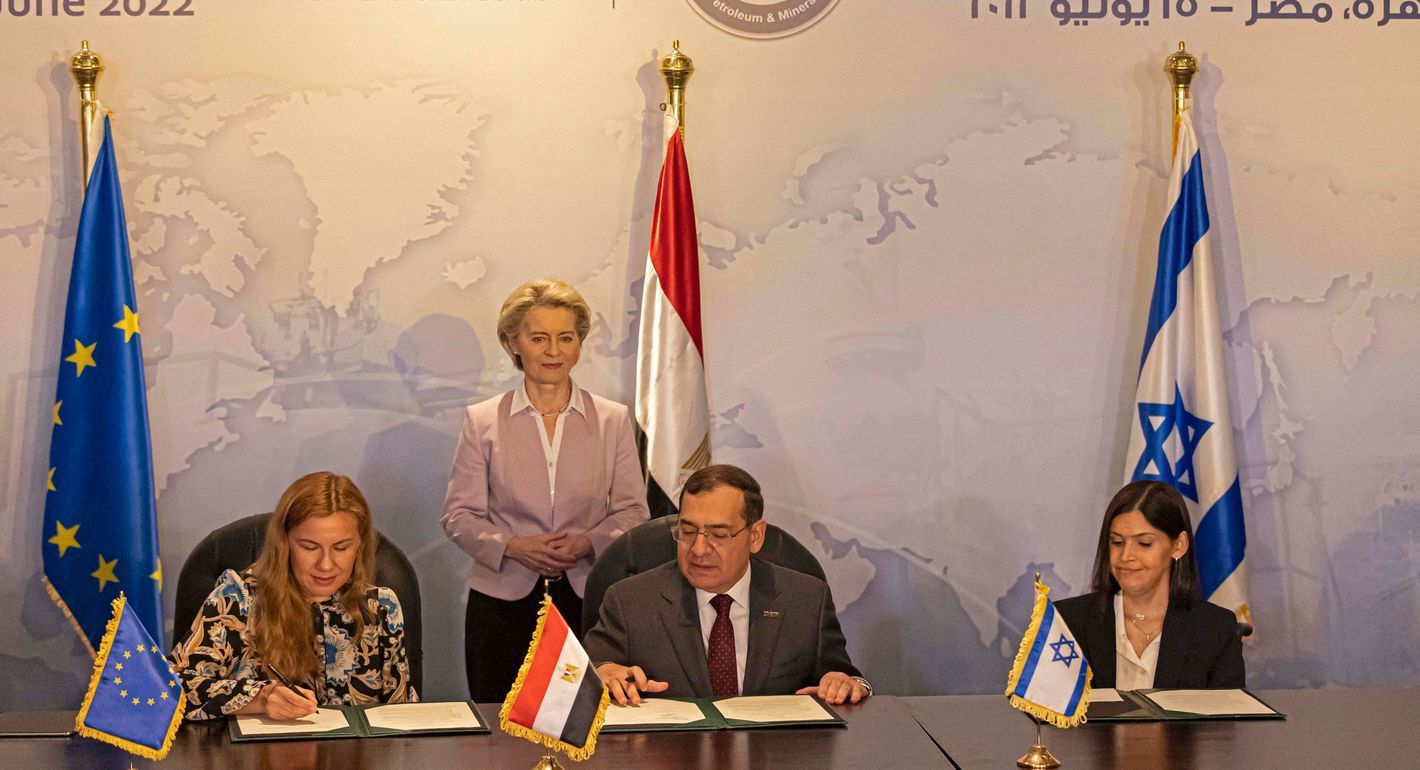
Can economic ties help contain conflict between Egypt and Israel, or do they simply postpone confrontation? Drawing on the German-Russian experience, the article examines how the gas deal creates mutual dependence, keeps channels of cooperation open, and raises the cost of conflict, without necessarily delivering lasting peace.

Nourhan Hefzy
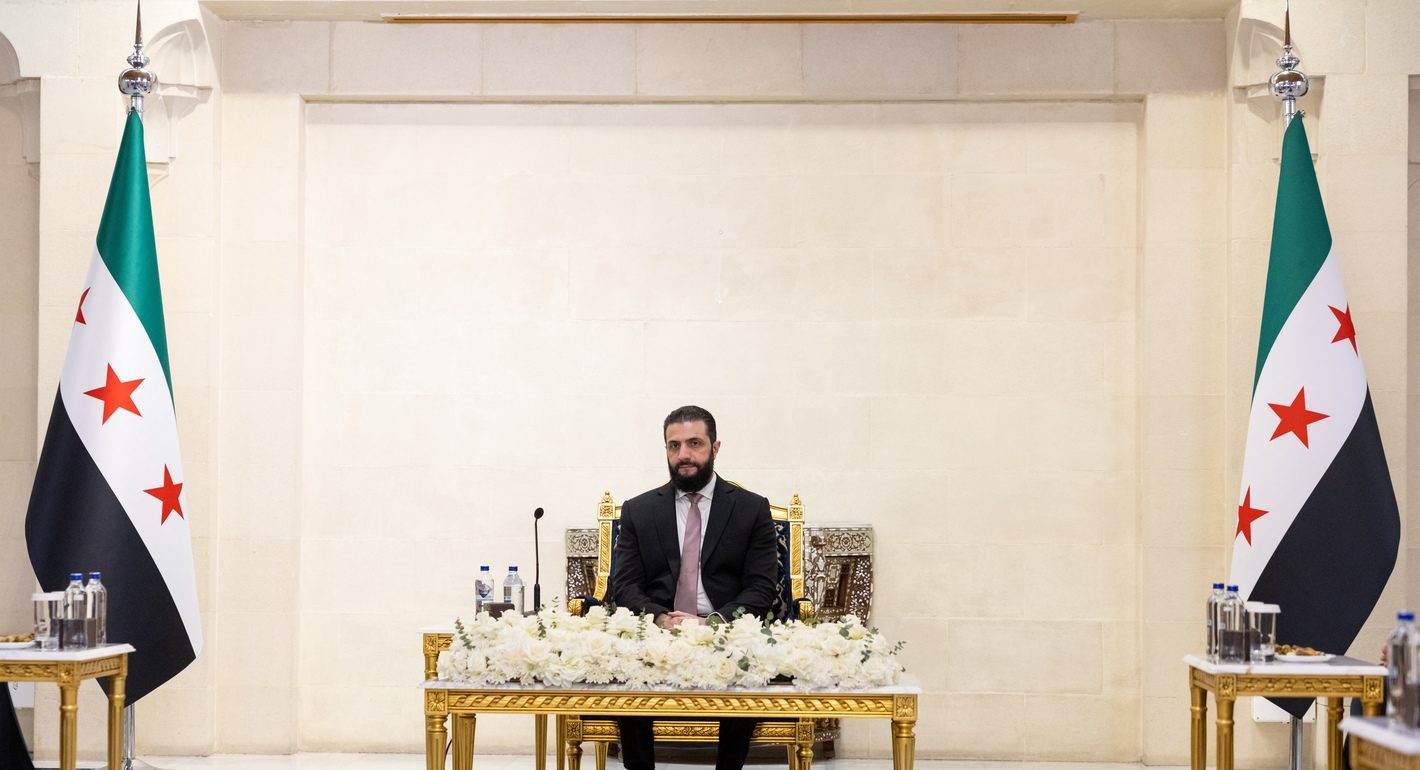
Syria's transition promised a fresh start. But are old habits of power making a comeback? This analysis looks at the warning signs and what it will take to build a more accountable state.

Sima Beitinjaneh
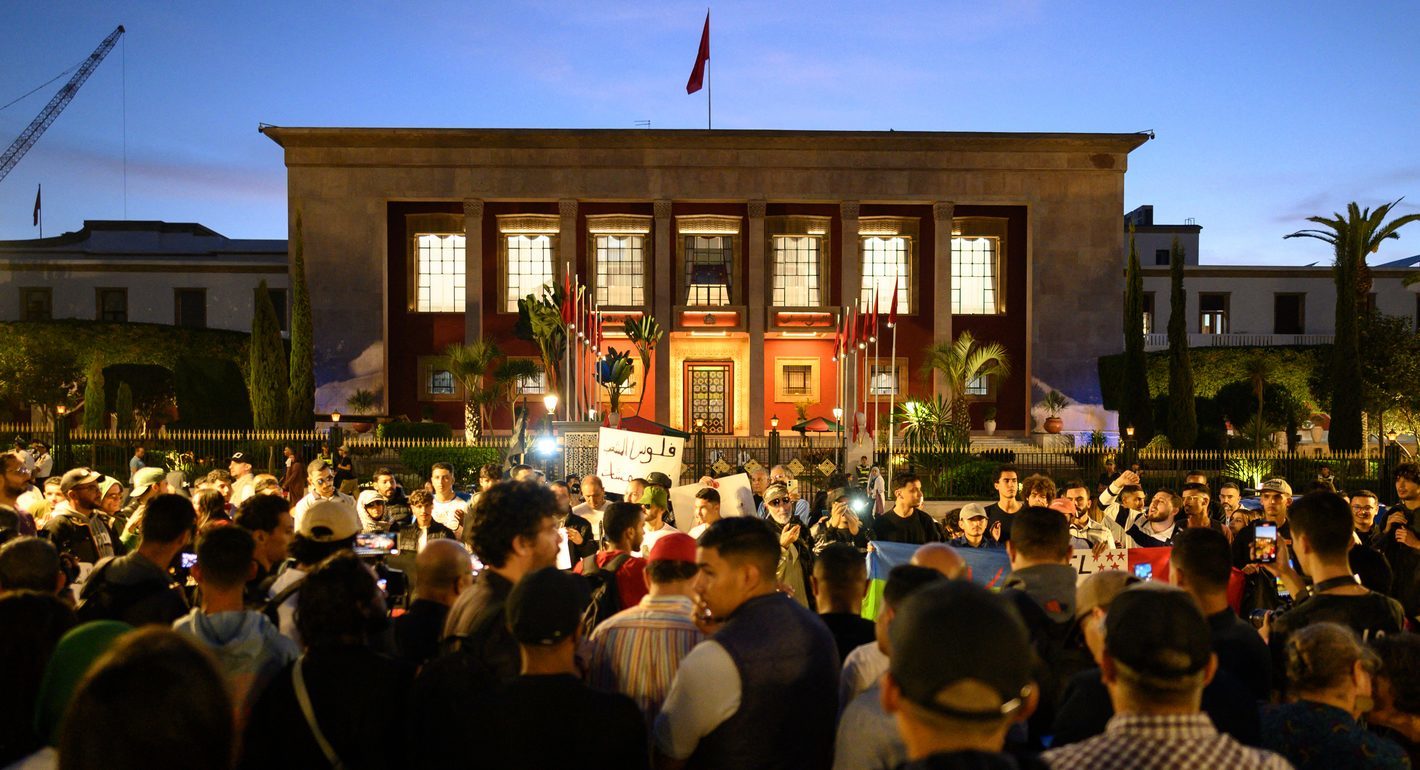
From anime heroes to online gaming communities, Morocco’s Gen Z is building a new protest culture. What does this digital imagination reveal about youth politics, and how should institutions respond?
Abdelilah Farah
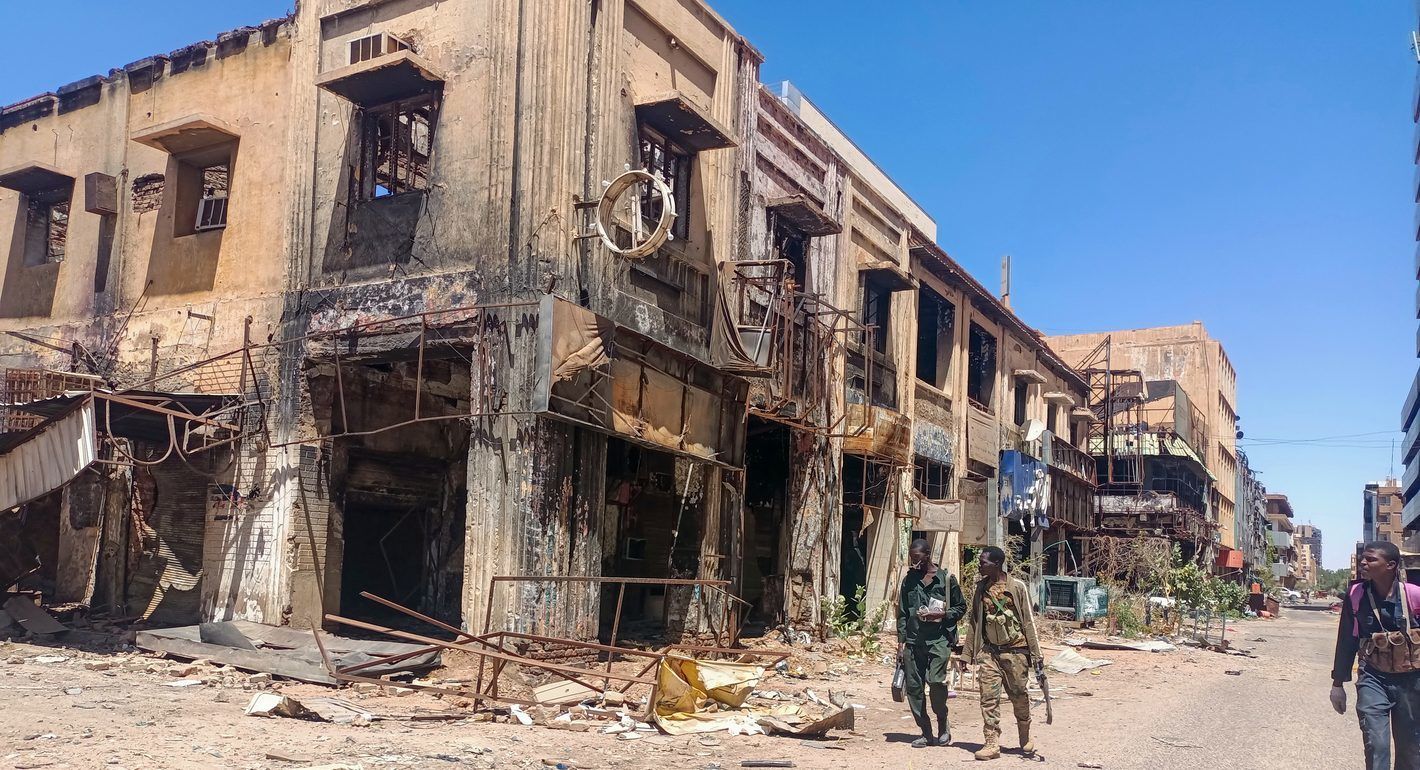
Hate speech has spread across Sudan and become a key factor in worsening the war between the army and the Rapid Support Forces. The article provides expert analysis and historical background to show how hateful rhetoric has fueled violence, justified atrocities, and weakened national unity, while also suggesting ways to counter it through justice, education, and promoting a culture of peace.
Samar Sulaiman
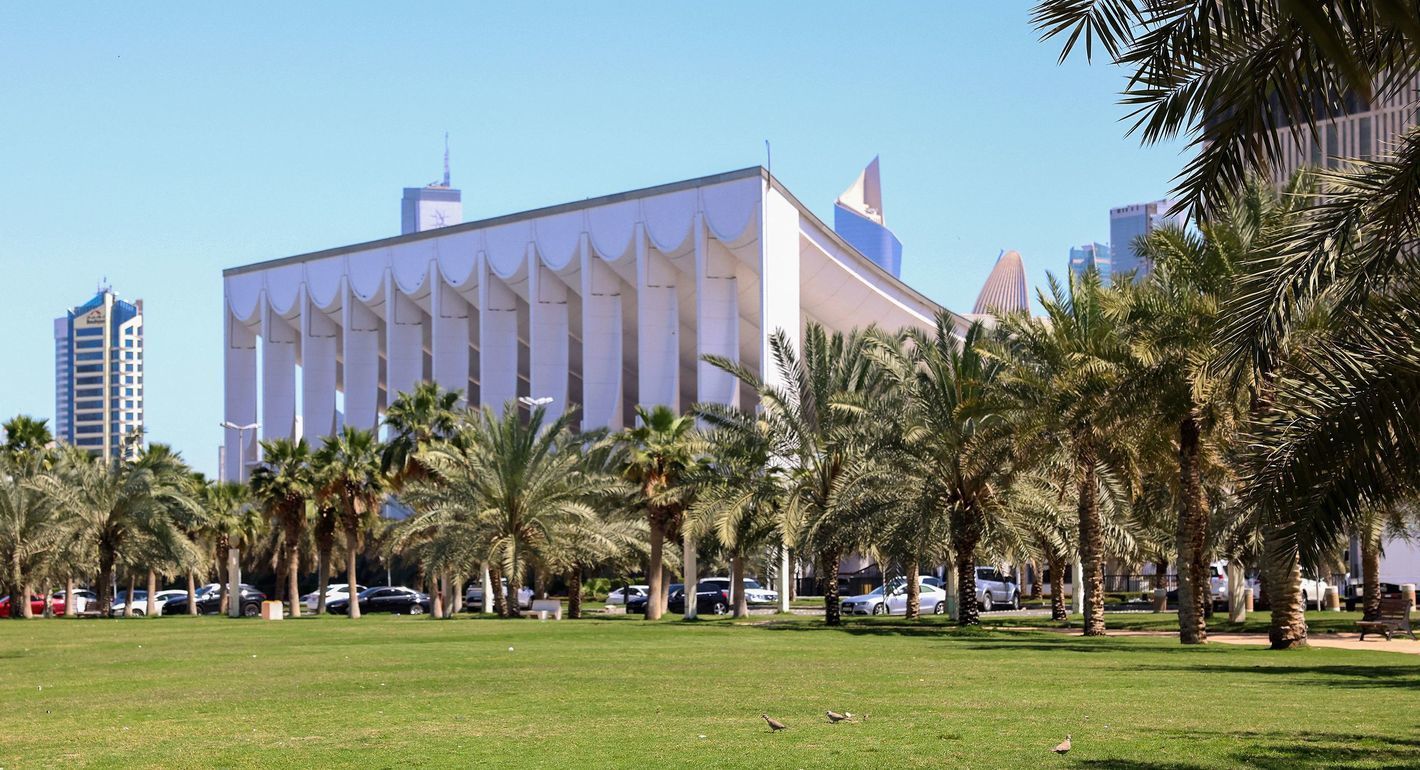
Kuwait’s government has repeatedly launched ambitious reforms under Kuwait Vision 2035, yet bureaucratic inefficiency, siloed institutions, and weak feedback mechanisms continue to stall progress. Adopting government analytics—real-time monitoring and evidence-based decision-making—can transform reform from repetitive announcements into measurable outcomes.
Dalal A. Marafie