

Commentary
In a volatile Middle East, the Omani port of Duqm offers stability, neutrality, and opportunity. Could this hidden port become the ultimate safe harbor for global trade?
Giorgio Cafiero, Samuel Ramani
{
  "authors": [
    "Benjamin Nickels"
  ],
  "type": "commentary",
  "blog": "Sada",
  "centerAffiliationAll": "",
  "centers": [
    "Carnegie Endowment for International Peace"
  ],
  "collections": [],
  "englishNewsletterAll": "",
  "nonEnglishNewsletterAll": "",
  "primaryCenter": "Carnegie Endowment for International Peace",
  "programAffiliation": "",
  "programs": [],
  "projects": [],
  "regions": [
    "North Africa",
    "Algeria"
  ],
  "topics": [
    "Security",
    "Military"
  ]
}
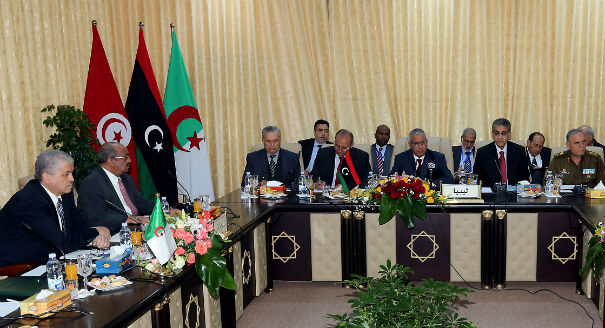
Source: Getty
Algeria is often seen as averse to security cooperation, but it has been deeply involved in Africa’s security architecture for years.
Secretary of State John Kerry’s visit to Algeria provides an opportunity to discuss security cooperation and counterterrorism with a critical if ambivalent partner. With fallout from the Arab Spring and the Mali Crisis creating chaos along its borders and the In Aminas attack highlighting insecurity in its own territory, Algeria has been forced, albeit reluctantly, to move toward greater strategic cooperation with its neighbors. But these recent moves should not overshadow Algeria’s long-standing investments in regional security. Indeed, Algeria has become ubiquitous in the structures of African security cooperation.
Kerry’s host, Algerian Minister of Foreign Affairs Ramtane Lamamra, came to Algeria’s top diplomatic post from his position as commissioner of the Peace and Security Department (PSD) at the African Union (AU), a seat he held for several years (2008–2013). The AU’s most vital section, the PSD houses the Peace and Security Council (PSC), Africa’s equivalent to the United Nations Security Council, and the commissioner holds powerful functions like representing the department publicly and setting the agenda for biweekly PSC ambassadorial meetings that assess ongoing conflicts and crises on the continent. As commissioner, Lamamra—dubbed Mr. Africa—was the foremost AU figure after the chairperson. Lamamra is only one of many Algerian officials to hold key AU security and counterterrorism positions. Before him, Said Djinnit was the PSD’s first commissioner (2002–2008), and already while working at the AU’s predecessor, the Organization of African Unity, Djinnit led African peace processes and helped design the Africa Peace and Security Architecture (APSA), the framework through which the AU now addresses and handles peace and security on the continent.
Algeria has since invested heavily in the architecture Djinnit helped design. Until his death in 2012, Ahmed Ben Bella, Algeria’s first president, was the chairperson and sole northern representative of the AU’s Panel of the Wise, a body of five eminent persons from Africa’s five subregions who serve as conflict mediators and advisors for the AU chairperson. Algeria has supported efforts to strengthen the Northern Standby Brigade of the African Standby Force, the PSC’s enforcement arm intended for rapid intervention as well as peace support and humanitarian operations. Algeria has also helped implement the AU Plan of Action on the Prevention and Combating of Terrorism by hosting and helping staff the Africa Center for Studies and Research on Terrorism (better known by its French acronym, CAERT), which aims to guide and coordinate counterterrorism across Africa.
These long-term investments in the APSA, along with its bureaucrats placed in key United Nations posts like the UN Office to the AU and the UN Office for West Africa (where Djinnit is now Special Representative of the Secretary-General), might seem to contradict the image of an insular Algeria uncomfortable with regional and international cooperation. Optimists could argue that Algeria deserves credit for advances toward APSA’s realization, halting and incomplete though they may be, and point to a hardening AU line against unconstitutional changes of government and a deployment of AU troops for peace support missions in Somalia, Mali, and the Central African Republic.
Conversely, skeptics could argue that Algeria’s pervasive presence at the AU is really a stratagem to bend African security cooperation and counterterrorism to parochial interests. Algerian personnel might be meant mainly to keep the architecture in check. At the AU, Lamamra has been succeeded by yet another Algerian PSD commissioner, Smail Chergui (2013–present), preserving the slot as the exclusive domain of a single nation, whereas the other seven AU commissioner positions have changed hands at least once during the past dozen years. Meanwhile, Algeria has launched, separate from APSA, its own security cooperation initiatives for the so-called pays du champs of the Sahel, such as the regional command for joint counterterrorism operations in Tamanrasset.
Cynics could find special fodder in cases of convenient consonance between AU actions and Algerian interests occurring in Algeria’s own backyard. CAERT has pushed unusually hard to develop counterterrorism intelligence-sharing Fusion and Liaison Units in Sahel countries critical to Algiers, for example. CAERT also recently barred delegates from non–AU member state and principal rival to Algerian subregional influence, Morocco, from attending an international meeting that CAERT was co-hosting with the Global Counterterroism Forum and its Sahel working group.
There is plenty to disappoint those hoping for robust security cooperation in the Maghreb, Sahel, and Africa more broadly, but partners need not succumb to pessimistic perspectives of Algeria’s role in regional security. Whatever the motives, in the end Algeria has patiently and deliberately committed itself to the AU and to APSA. Along with asking Algiers to enhance recent overtures on security cooperation toward neighbors, the international community has every right to challenge Algeria to fully assume the leadership role it has already claimed. And partner nations, especially African member states, have every reason to measure Algiers’ persistent application for presence and authority at the AU against the performance and results it provides. Dialogues like the one between Kerry and Lamamra this week should serve as occasions not only for discussing Algeria’s recent strategic arrangements with its neighbors, but also for evaluating developments and setting expectations regarding regional peace and security progress within the AU security structures that Algeria has heavily invested in for years.
Benjamin Nickels is the academic chair for transnational threats and counterterrorism at the Africa Center for Strategic Studies (ACSS). The views expressed here are those of the author alone.
Benjamin Nickels
Carnegie does not take institutional positions on public policy issues; the views represented herein are those of the author(s) and do not necessarily reflect the views of Carnegie, its staff, or its trustees.
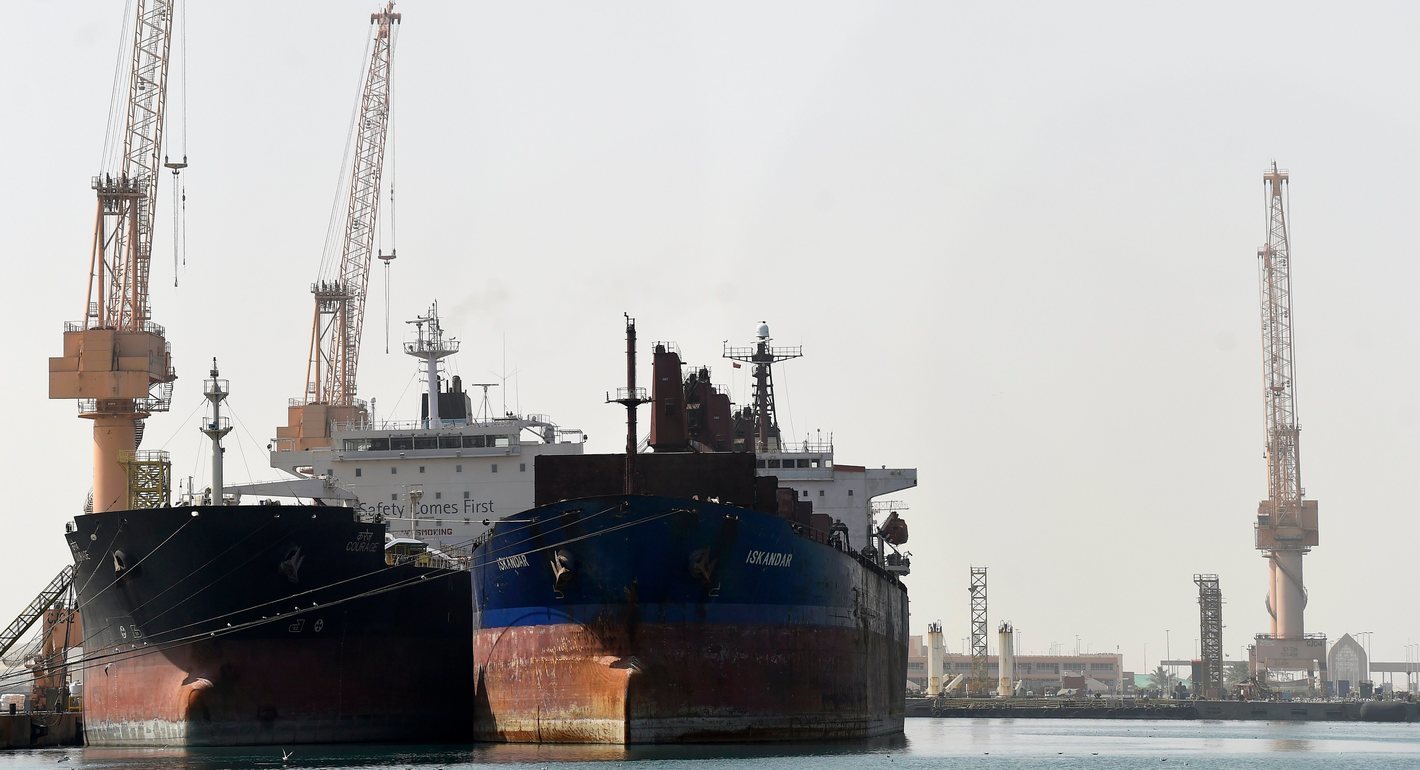
In a volatile Middle East, the Omani port of Duqm offers stability, neutrality, and opportunity. Could this hidden port become the ultimate safe harbor for global trade?
Giorgio Cafiero, Samuel Ramani
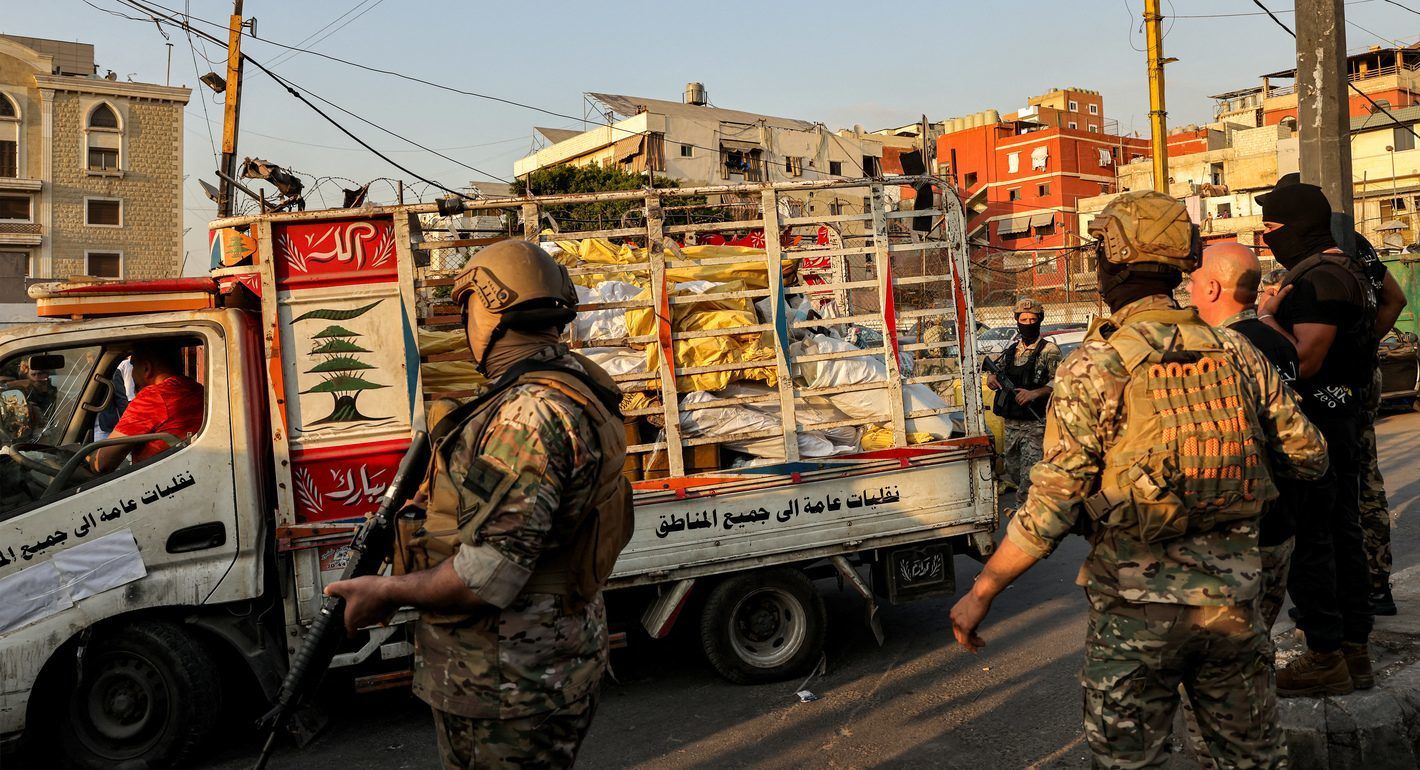
The August 2025 government decision to restrict weapons to the Lebanese state, starting with Palestinian arms in the camps, marked a major test of Lebanon’s ability to turn a long-standing slogan into practical policy. Yet the experiment quickly exposed political hesitation, social gaps, and factional divisions, raising the question of whether it can become a model for addressing more sensitive files such as Hezbollah’s weapons.
Souhayb Jawhar
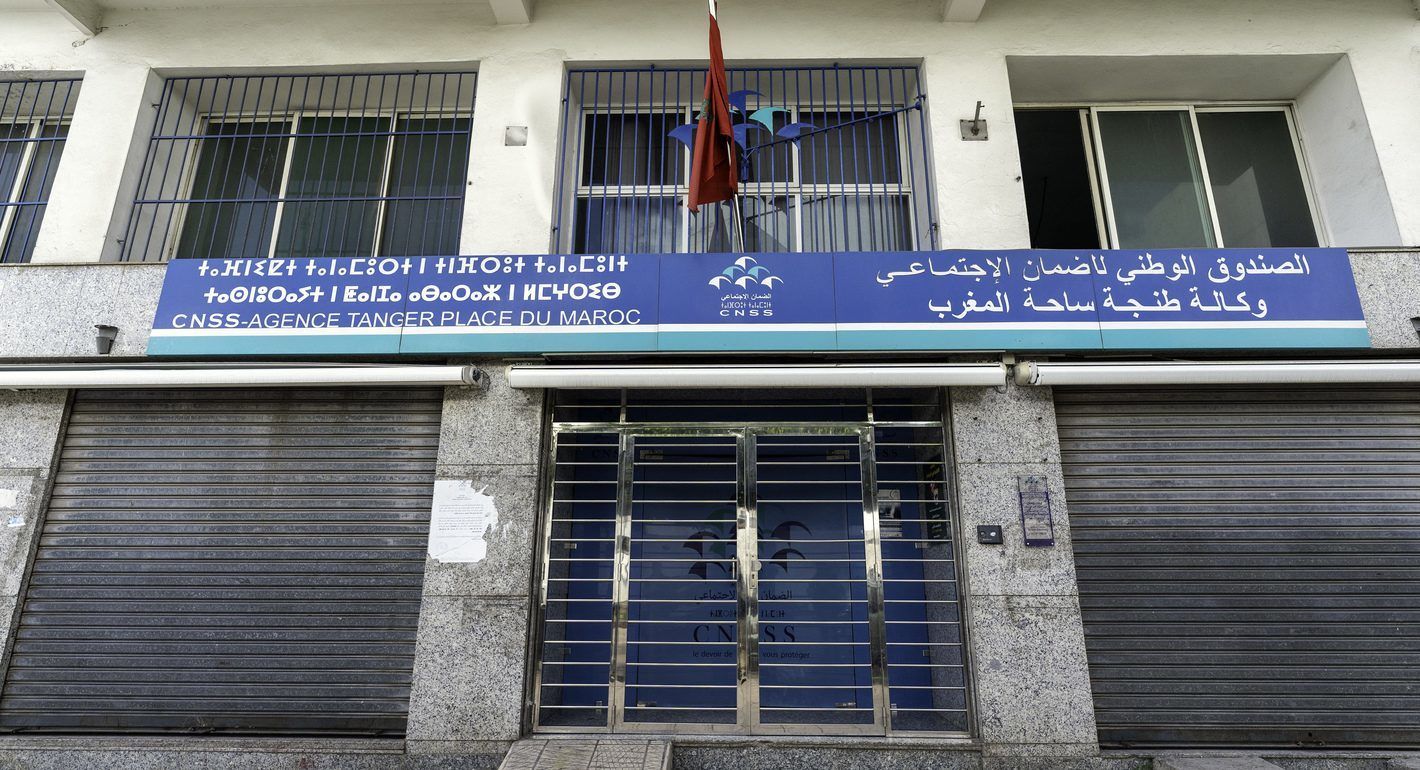
While Morocco’s shift to a digitized social targeting system improves efficiency and coordination in social programs, it also poses risks of exclusion and reinforces austerity policies. The new system uses algorithms based on socioeconomic data to determine eligibility for benefits like cash transfers and health insurance. However, due to technical flaws, digital inequality, and rigid criteria, many vulnerable families are unfairly excluded.
Abderrafie Zaanoun
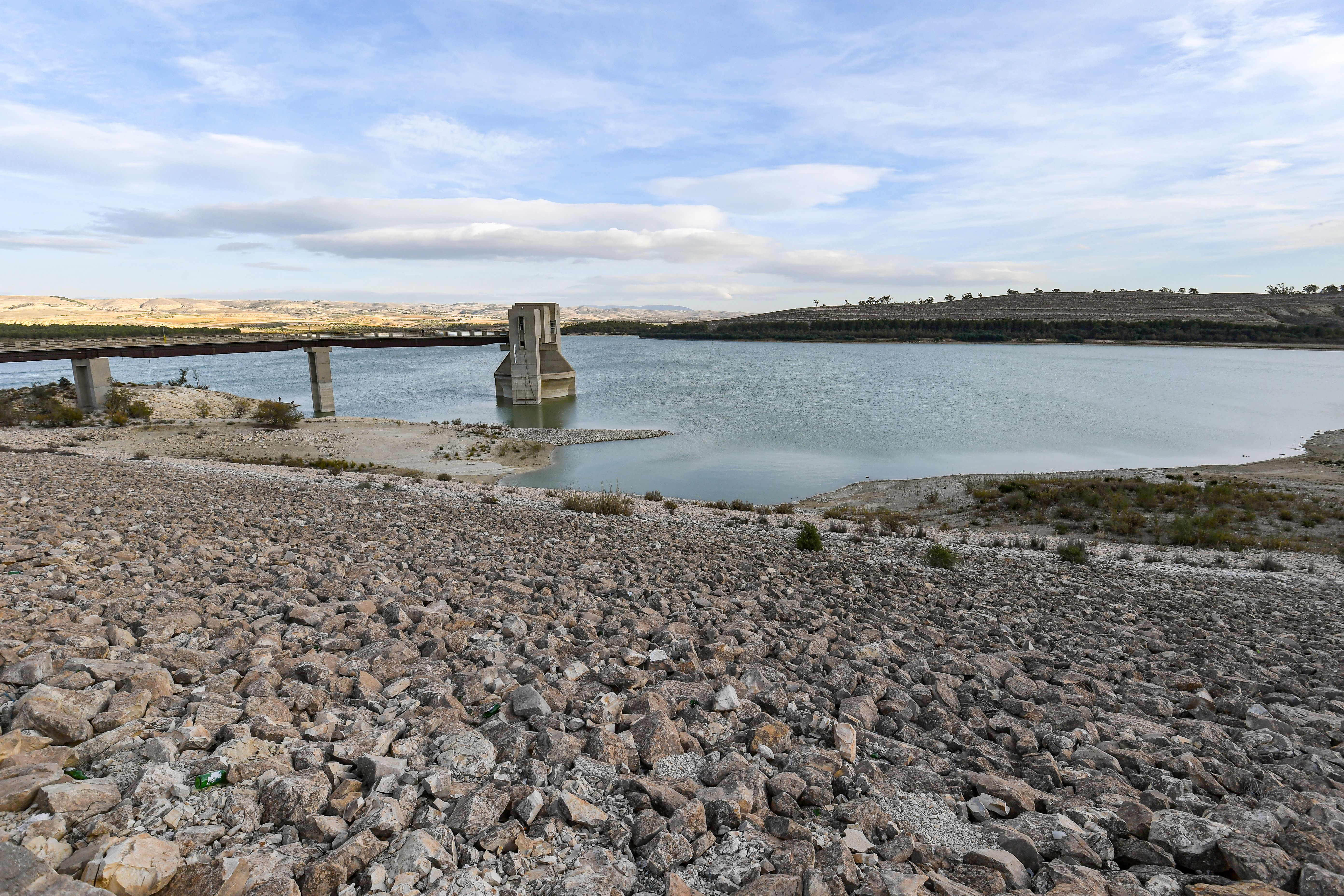
Tunisia is facing a worsening water crisis characterized by widespread protests over access to potable water, particularly in rural areas with underdeveloped supply networks. This situation is exacerbated by climate change, outdated agricultural policies, and industrial water consumption, necessitating comprehensive policy reforms to secure Tunisians’ constitutional right to water and ensure equitable access across the country.
Noura Omar
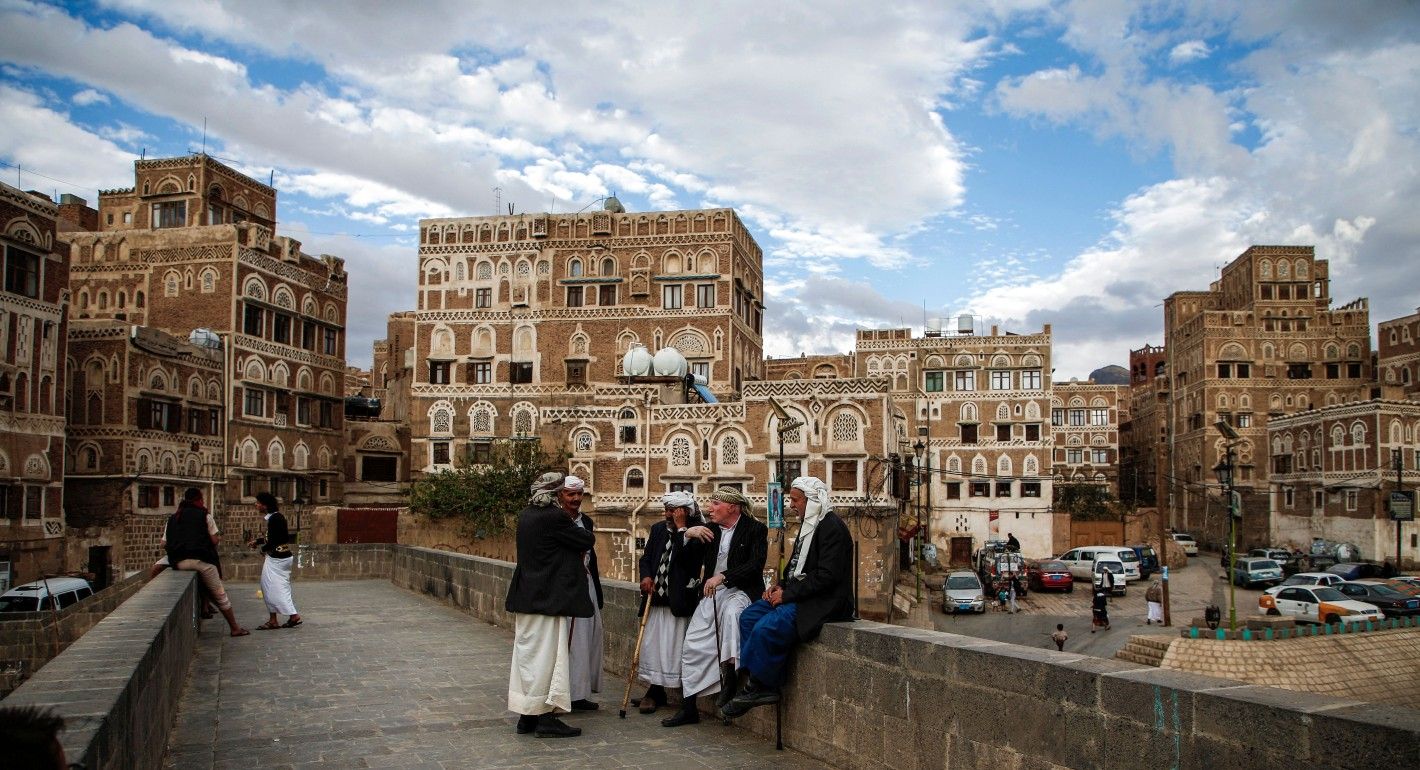
The unexpected announcement that Starlink will launch its first satellite connectivity services in Yemen has sparked divisions over the perceived threat to Yemeni sovereignty, and potential to deepen ongoing political and economic crises.
Muhammed Ali Thamer