

Commentary
Ahmed Morsy
{
  "authors": [
    "Ahmed Morsy"
  ],
  "type": "commentary",
  "blog": "Sada",
  "centerAffiliationAll": "",
  "centers": [
    "Carnegie Endowment for International Peace",
    "Malcolm H. Kerr Carnegie Middle East Center"
  ],
  "collections": [],
  "englishNewsletterAll": "",
  "nonEnglishNewsletterAll": "",
  "primaryCenter": "Malcolm H. Kerr Carnegie Middle East Center",
  "programAffiliation": "",
  "programs": [],
  "projects": [],
  "regions": [
    "North Africa",
    "Egypt"
  ],
  "topics": [
    "Political Reform",
    "Democracy"
  ]
}
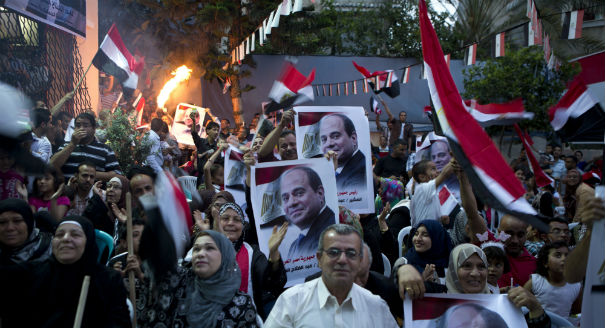
Source: Getty
Egypt’s new parliamentary elections law will empower old networks.
Three days before the inauguration of elected President Abdel Fattah el-Sisi, on June 5, interim president Adly Mansour approved a much-anticipated parliamentary elections law amid a flurry of last-minute legislation. The new law establishes a mixed electoral system and increases the number of representatives from 508 to 567. Of these, 420 (74 percent) will be elected as individual candidates, 120 (21 percent) elected from closed lists wherein the winning list in a district takes all seats in that district, and 27 members (5 percent) appointed by the president. This mixed system represents a major shift from the 2011 electoral law in which two-thirds of the seats were elected through proportional lists and one-third as individual candidates. Political party leaders criticized the new system as means to empower old networks, based on family and business ties, at the expense of political parties.
The new law creates quotas—though only for the upcoming elections—for marginalized groups including women, youth, Copts, workers and farmers, persons with disabilities, and Egyptians abroad. These quotas will be applied to the closed lists system, in which political parties and independents can field candidates to compete for only four nationwide districts. Two of these electoral districts will each select a list of 15 members, and two districts will choose from lists of 45 members. A closed list wins if it receives more than 50 percent of the valid votes, following the same process as for individual seats. If no list or individual wins a majority in the first round, the highest two candidates or lists will compete in a run off.
Individual candidates and Mubarak regime figures relying on personality politics stand to benefit more than political parties do from the new law, as the majority of parliamentary seats will be elected through an individual candidate system. The choice of closed lists over proportional lists, moreover, is a disservice to the principle of popular representation and the people’s vote. Closed lists mean that the winning party or coalition takes all seats, needing only 50 percent of votes, plus one, to win. This effectively makes the other 49 percent of votes irrelevant, unlike in the proportional lists system used in 2011, when each list won seats based on the number of votes they earned.
Proponents of the electoral law argue that political parties are weak and that the people want candidates they know. They also argue that this system will minimize the chances of known Muslim Brotherhood members (who are barred from competing, and whose political party is about to be banned) from winning seats in parliament. Both arguments are shaky, as building a democratic society involves the participation of all without exclusion, unless specifically barred by Article 2 of the Political Rights Law. If indeed political parties are now weak, then the system ought to help them become stronger, not perpetuate their weakness and fragmentation. Moreover, it is very difficult to track down third and fourth tier members of the Muslim Brotherhood and deter them from running for parliament as independents, as they used to do under the Mubarak regime.
Beyond debates about the parliamentary elections law, however, some inconspicuous but crucial features of the political and legal context may add uncertainty to the coming elections. For the first time, Egypt’s president is not officially affiliated with (or a member of) any political party. Though some see this as a positive characteristic that could facilitate political neutrality, it also presents a challenge. In the absence of a party affiliation for Sisi, unproductive competition is already appearing among political groups, who are vying to prove their loyalty to the president and gain from it. This comes at the expense of fulfilling the parliament’s responsibility to issue legislations and check the executive power. Ever since the ouster of Mohamed Morsi from the presidential palace last year, several groups have already sought to position themselves as the ultimate Sisi supporters, “his trusted men,” in order to boost their own public image.
In this context, for instance, several parties and prominent public figures are calling for the creation of strong coalitions to win majority of seats. Among them are some who explicitly announced that they were forming in support of the president. Amr Moussa—former presidential candidate and head of the Committee of 50 that wrote the 2014 constitution—a close associate of Sisi’s, has been leading an effort to create an alliance among several political parties and movements, despite an initial stumble. However, it is not clear if this or other attempts at an alliance are influenced or blessed by Sisi himself. Left-leaning parties, like the Popular Current and Socialist Popular Alliance, are also in talks to form a coalition. Yet the main question remains whether any of these alliances will be able to attract sufficient diverse support to either win a majority or at least become a strong and cohesive bloc in parliament.
Another feature of the upcoming elections is the uncertainty surrounding electoral procedures and their constitutionality. According to Article 230 of the 2014 constitution, “the following electoral procedures shall commence within a period not exceeding six months as of the date on which the Constitution comes into effect.” This means that by July 17-18, the procedures and details of the elections should be announced. Already Shorouk newspaper revealed that elections are likely to take place end of the year (November-December), and several decrees are anticipated in the coming days to start the process. President Sisi has already taken the first step by issuing a declaration forming the High Electoral Commission (HEC), which is responsible for announcing the dates and electoral procedures. However, an important element of the electoral process—namely redrawing the electoral districts—will likely be missing from the upcoming declarations. The 2014 electoral law alluded to redistricting without providing any details describing how such a laborious process would take place. In 2013, the Supreme Constitutional Court (SCC) twice rejected the Freedom and Justice Party’s proposed electoral bill, but without offering any guidance on districting. At the moment, the Ministries of Local Development and Interior are drafting the electoral districts law in light of the new administrative boundaries, which will be announced soon.
Ultimately, the new process could end up tainted by issues of gerrymandering and unconstitutionality. And the great irony will be that Adly Mansour, the man who issued the parliamentary elections law in the first place, has returned to his position as president of the SCC, raising concerns about potential conflicts of interest. If he went into an early retirement or recused himself from presiding over the SCC during deliberations of any laws he promulgated as president of the republic, he would allay such concerns. For example, it was announced that he would recuse himself while the court reviews the protest law issued during his presidency.
Egyptian politics have seen several legal and political crises since the uprising that toppled Hosni Mubarak in 2011, and the current political environment does not allow for a level playing field among the contending political forces, given the deterioration of basic human rights such as freedom of assembly and expression. The incomplete law on parliamentary elections has left the door open to another round of legal and political upheavals as elections near.
Ahmed Morsy is a nonresident research associate in the Democracy and Rule of Law Program at the Carnegie Endowment for International Peace.
Former Nonresident Associate, Democracy and Rule of Law Program
Morsy was a nonresident research associate in the Democracy and Rule of Law Program at the Carnegie Endowment for International Peace.
Recent Work
Ahmed Morsy
Ahmed Morsy
Carnegie does not take institutional positions on public policy issues; the views represented herein are those of the author(s) and do not necessarily reflect the views of Carnegie, its staff, or its trustees.
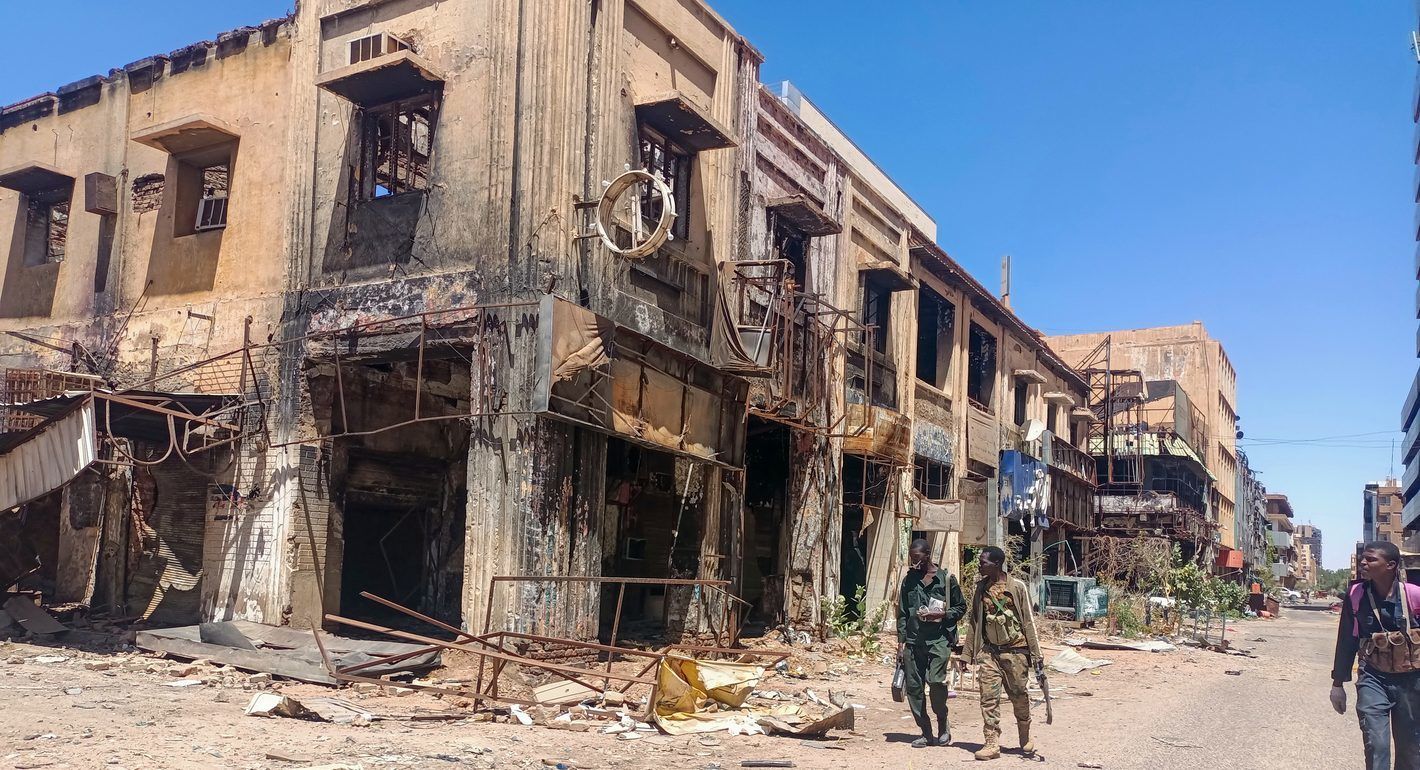
Hate speech has spread across Sudan and become a key factor in worsening the war between the army and the Rapid Support Forces. The article provides expert analysis and historical background to show how hateful rhetoric has fueled violence, justified atrocities, and weakened national unity, while also suggesting ways to counter it through justice, education, and promoting a culture of peace.
Samar Sulaiman
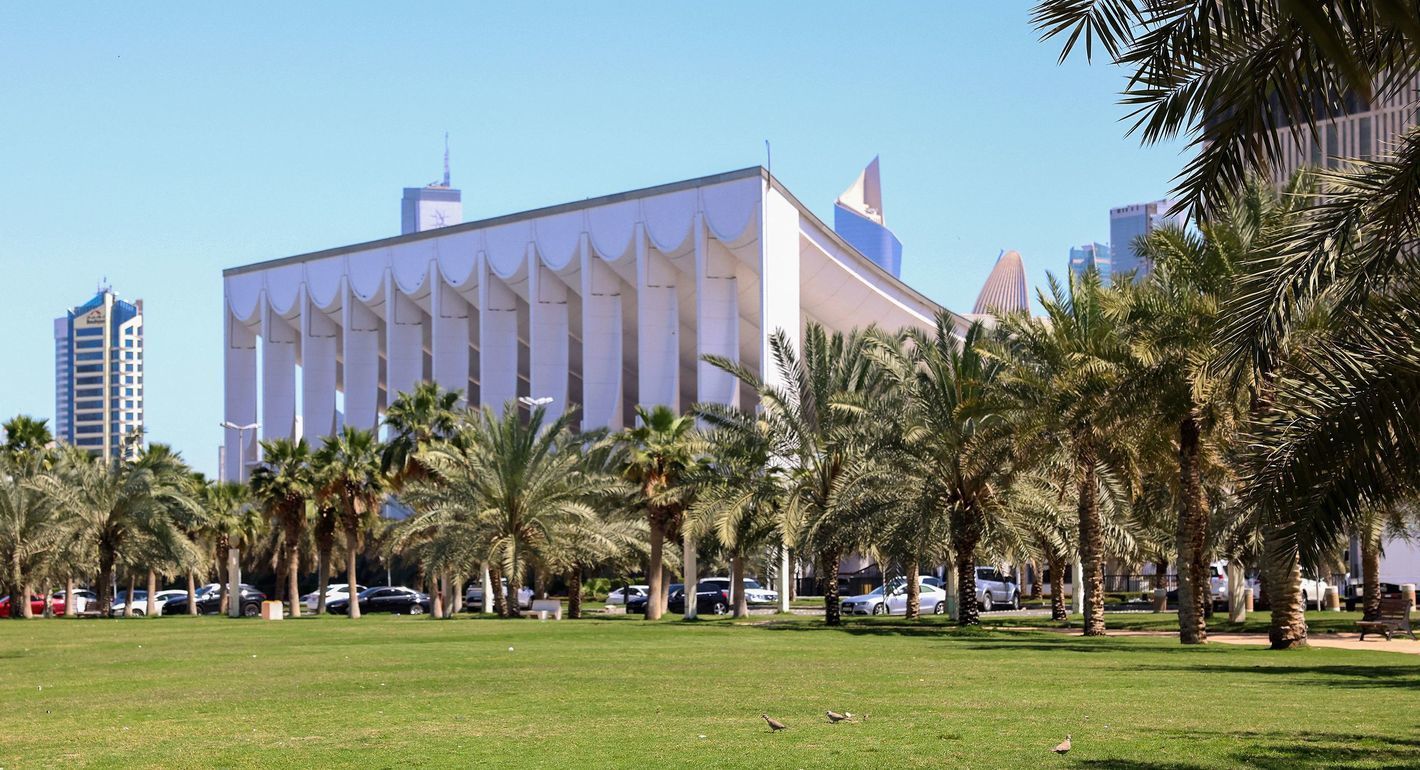
Kuwait’s government has repeatedly launched ambitious reforms under Kuwait Vision 2035, yet bureaucratic inefficiency, siloed institutions, and weak feedback mechanisms continue to stall progress. Adopting government analytics—real-time monitoring and evidence-based decision-making—can transform reform from repetitive announcements into measurable outcomes.
Dalal A. Marafie
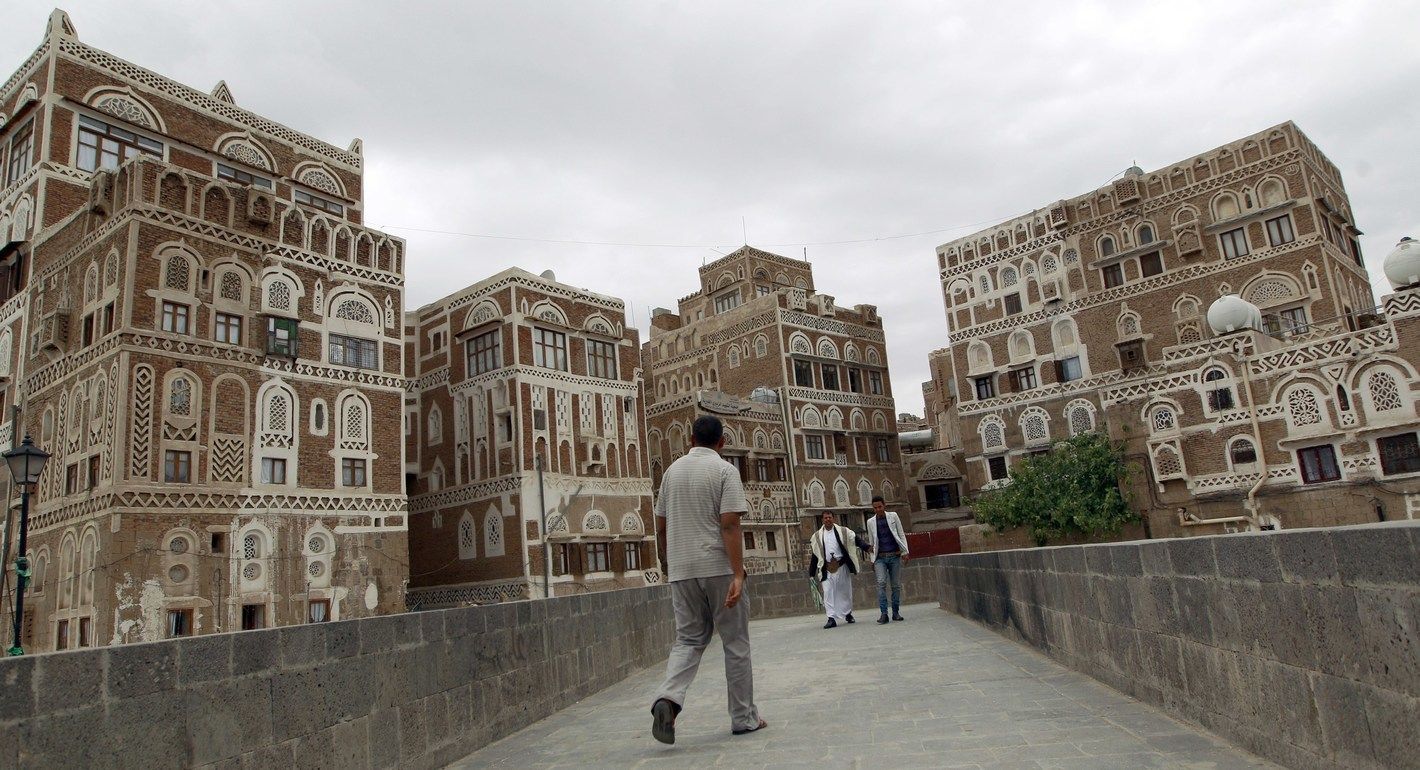
The chaos of street naming in Sana’a reflects the deep weakness of the Yemeni state and its failure to establish a unified urban identity, leaving residents to rely on informal, oral naming systems rooted in collective memory. This urban disorder is not merely a logistical problem but a symbolic struggle between state authority and local community identity.
Sarah Al-Kbat
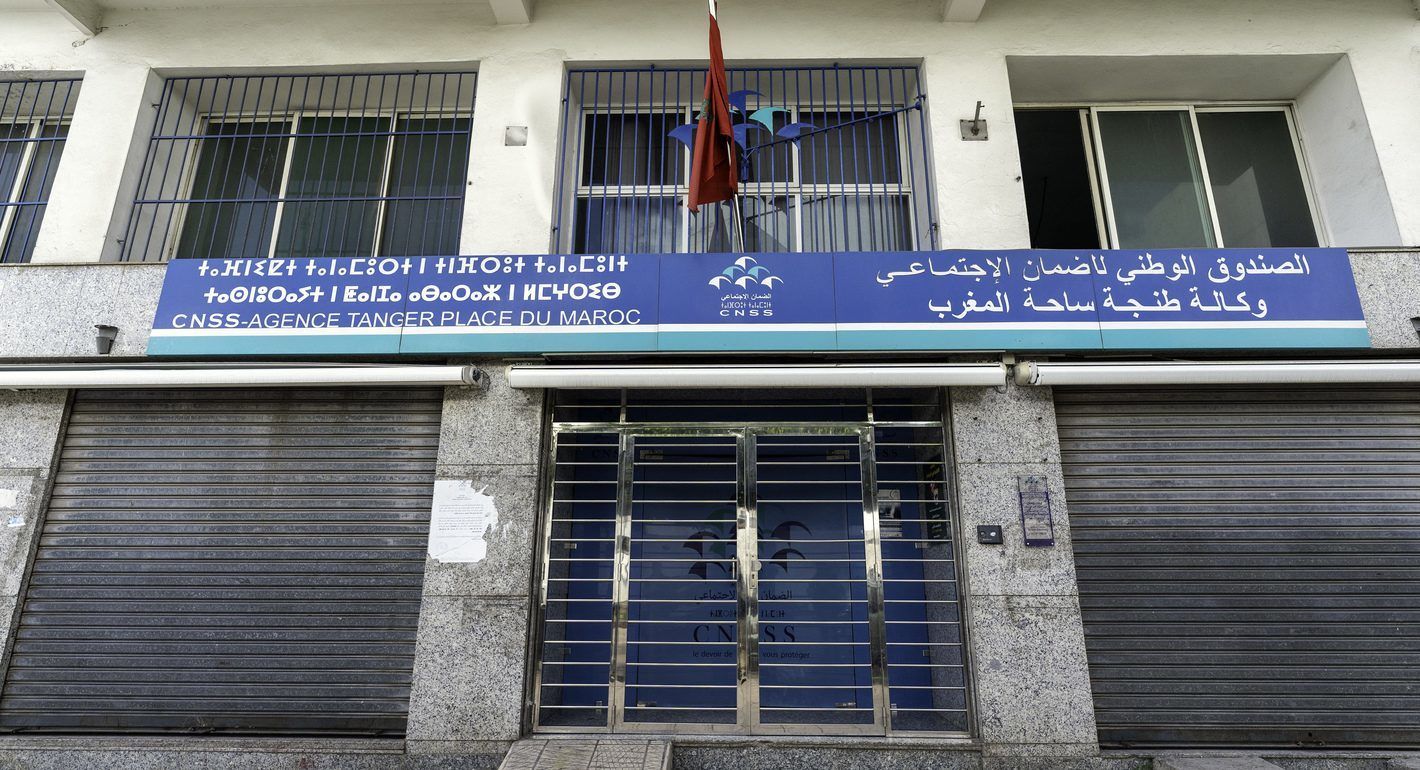
While Morocco’s shift to a digitized social targeting system improves efficiency and coordination in social programs, it also poses risks of exclusion and reinforces austerity policies. The new system uses algorithms based on socioeconomic data to determine eligibility for benefits like cash transfers and health insurance. However, due to technical flaws, digital inequality, and rigid criteria, many vulnerable families are unfairly excluded.
Abderrafie Zaanoun
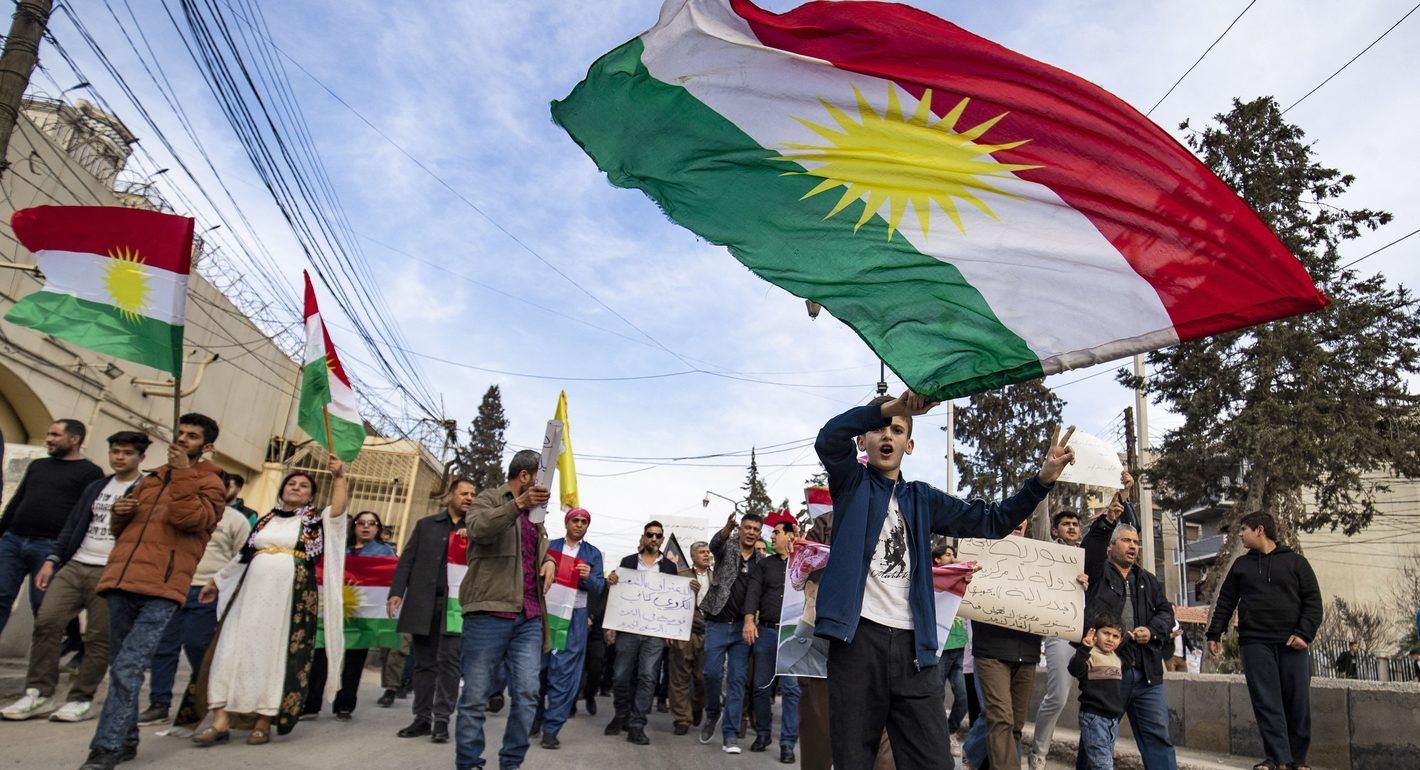
Saudi Arabia’s cautious stance on the Syrian Kurds reflects a delicate balance between leveraging Kurdish autonomy to counter Iran’s influence and managing the risks of destabilizing Syria’s territorial integrity. While Saudi Arabia seeks to safeguard its interests in the region, it remains wary of the potential internal and external consequences of supporting Kurdish autonomy.
Mohammad Salami