

Commentary
Suliman Al-Atiqi
{
  "authors": [
    "Suliman Al-Atiqi"
  ],
  "type": "commentary",
  "blog": "Sada",
  "centerAffiliationAll": "",
  "centers": [
    "Carnegie Endowment for International Peace"
  ],
  "collections": [],
  "englishNewsletterAll": "",
  "nonEnglishNewsletterAll": "",
  "primaryCenter": "Carnegie Endowment for International Peace",
  "programAffiliation": "",
  "programs": [],
  "projects": [],
  "regions": [
    "Middle East",
    "Saudi Arabia",
    "Gulf",
    "Qatar"
  ],
  "topics": [
    "Foreign Policy"
  ]
}
Source: Getty
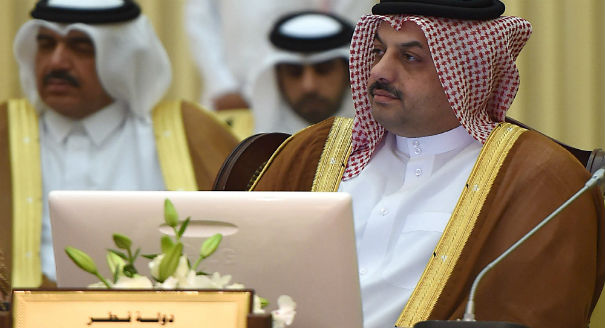
Renewed high-level diplomatic activity between Qatar and Saudi Arabia may end their historic row as the GCC seeks policy alignment, particularly on security issues.
Over the summer, diplomatic activity at the highest levels resumed between Saudi Arabia and Qatar, which may very well end the two countries’ historic row and the worst intra-GCC dispute since the founding of the council. The fallout between Qatar and several GCC states, particularly Saudi Arabia, has limited the council’s ability to coordinate a concerted response to growing security threats in the region. Should reconciliation efforts succeed, it will facilitate greater cooperation on a range of security initiatives in the region.
Qatar and Saudi Arabia have mistrusted each other in the past, originally stemming from the latter’s territorial claims during Qatar’s pre-independence period. Although the border issue was settled in March 2001, sporadic disagreements over the past decade have continued to overshadow their “brotherly” relations. Yet at the height of revolutionary zeal in the Arab world, a new GCC security agreement was penned in November 2012. Although an end to the rift was sought, reconciliation attempts were cut short by the Arab uprisings and what they revealed about the two countries’ diverging foreign policy agendas.
Qatar’s backing of the Muslim Brotherhood (MB) in Egypt and elsewhere, amid a clampdown on the group in the GCC, was a red line for Saudi Arabia. A mini summit, mediated by the Kuwaiti Emir Sheikh Sabah al-Ahmed, was held last November in which Qatar committed to changing course and revising its foreign policy. The move temporarily assuaged Saudi concerns. Yet the tipping point finally arrived in March 2014 when Saudi Arabia, Bahrain, and the UAE withdrew their ambassadors from Qatar. In a joint statement, Qatar’s continued support of the MB was deemed destabilizing, as it allegedly contradicted a commitment to “not support any party aiming to threaten security and stability of any GCC member.” The unprecedented move against Qatar forced the country to the negotiating table, and a road map to ending the row was reached in April.
Since then, irregular yet frequent high-level visits have taken place between the two nations, including the Qatari Emir’s visit to Saudi Arabia on July 22, a visit by Saudi Minister of the National Guard to Doha on August 5, and a meeting between the Saudi Foreign Minister Prince Saud al-Faisal and the Qatari Emir on August 27 in Doha. A breakthrough seemed to come during a meeting between the GCC’s foreign ministers in late August, where Kuwaiti foreign minister Sheikh Sabah Al-Khalid Al Sabah explained April’s opaque Riyadh Agreement as an establishment of “principles and criteria” to overcome obstacles. Although these “criteria” have not been made public, the overall terms are widely understood as Qatari curtailment of their support to the MB.
It is therefore no coincidence that no more than one month later, leading MB figures being sheltered in Qatar were asked to leave the country. As one member of the group said, the request was honored “to avoid causing any embarrassment for the State of Qatar.” Though the extent to which Qatar has cut back its support for the MB is yet to be seen, it must now tread a more careful path. Significantly, on October 13, Qatari Emir Sheikh Tamim bin Hamad Al Thani met with Saudi King Abdullah bin Abdul-Aziz in Riyadh to propose a formal end to the rift between the two states. If that is the case, the near future could witness increased cooperation between the two and a smoother implementation of the GCC security agreement of 2012.
All of this bodes well for ensuring a coordinated GCC security response to growing threats in the region. Already, Qatar was one of ten Arab states that met in Riyadh last September and pledged to join the fight against the Islamic State of Iraq and al-Sham. The coalition, including all six GCC states, involves efforts to curb funds and fighters being funneled to the outlawed group. In the same vein, a Saudi-backed initiative to train “moderate” Syrian rebels suggests further room for immediate cooperation opportunities, all of which would be more effective with a more united GCC.
Nevertheless, and despite mounting tensions between Saudi Arabia and Qatar in recent years, the GCC’s approach to solving the rift highlights the Council’s continued ability to influence individual member states. The recent episode is a reminder of this ability, despite Qatar’s rise in international prominence over the past decade through its diplomatic moves and considerable financial means. The case is also revealing in another manner: despite Qatari attempts to move out of the Saudi orbit, there are limits to how far it can pursue an independent foreign policy at the expense of the majority members states’ interests—Saudi Arabia in particular.
Suliman Al-Atiqi is a PhD candidate at St Antony’s College, University of Oxford, and a former analyst for the UNDP. He is a regular contributor to Sada.
Suliman Al-Atiqi is a PhD Candidate at St Antony’s College, University of Oxford, and a researcher on the GCC states.
Recent Work
Suliman Al-Atiqi
Suliman Al-Atiqi
Carnegie does not take institutional positions on public policy issues; the views represented herein are those of the author(s) and do not necessarily reflect the views of Carnegie, its staff, or its trustees.
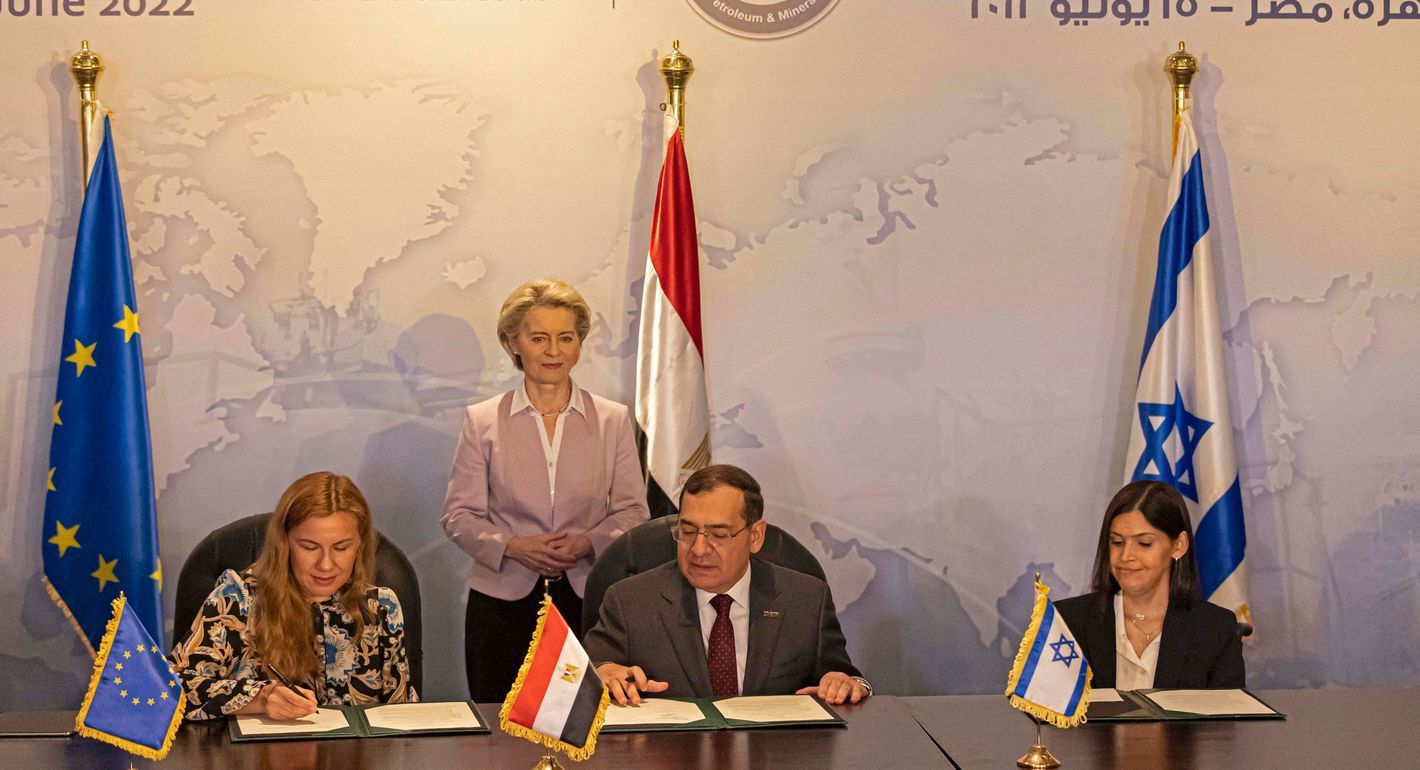
Can economic ties help contain conflict between Egypt and Israel, or do they simply postpone confrontation? Drawing on the German-Russian experience, the article examines how the gas deal creates mutual dependence, keeps channels of cooperation open, and raises the cost of conflict, without necessarily delivering lasting peace.

Nourhan Hefzy
Is the Gulf moving beyond the dollar? This article examines how China is expanding the renminbi's role across Gulf markets, what that means for regional finance, and why the future of global currencies is more complex than the de-dollarization debate suggests.

Andrew Bonney
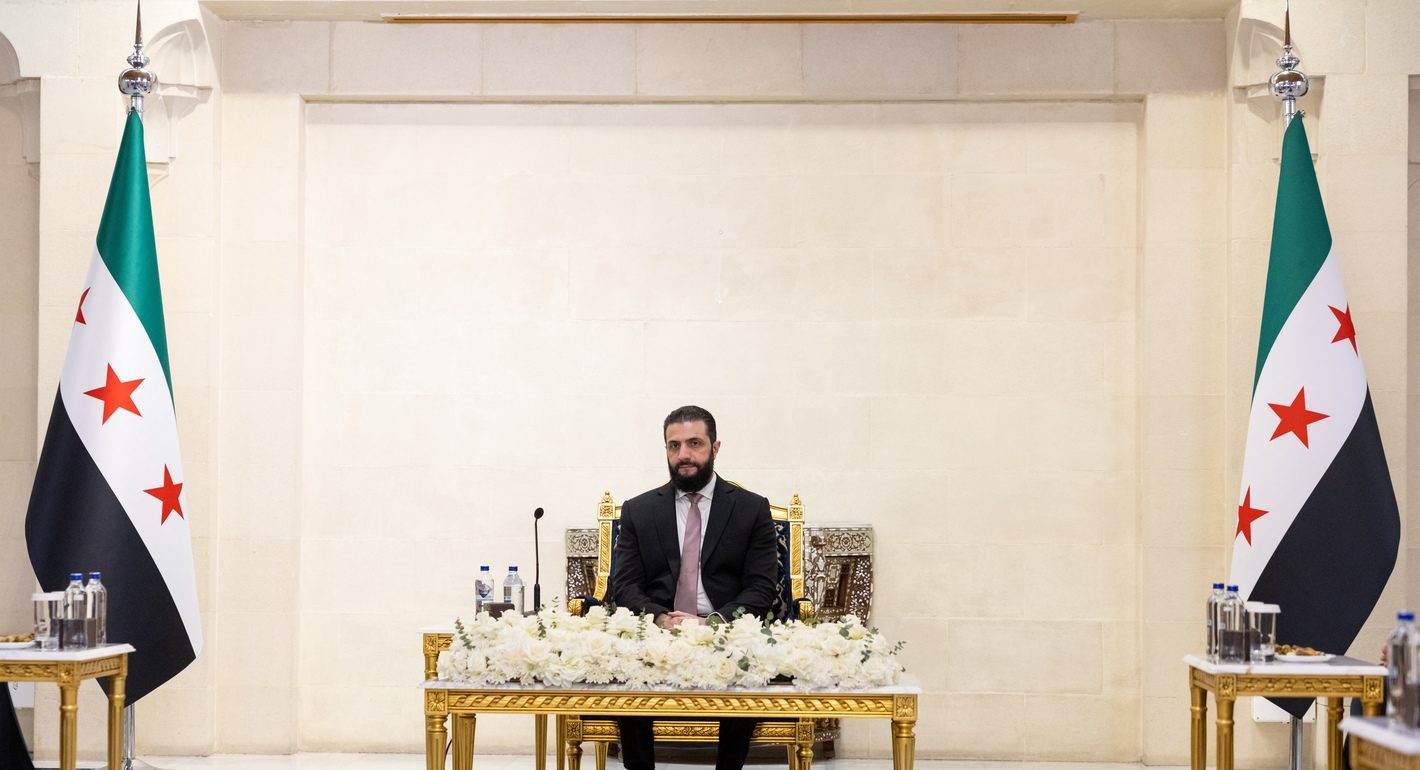
Syria's transition promised a fresh start. But are old habits of power making a comeback? This analysis looks at the warning signs and what it will take to build a more accountable state.

Sima Beitinjaneh
Syria’s worsening drought is no longer a seasonal crisis. This report explains what climate change is doing to rainfall, groundwater, and food security, and what solutions experts say are still possible.

Milia Esper
From anime heroes to online gaming communities, Morocco’s Gen Z is building a new protest culture. What does this digital imagination reveal about youth politics, and how should institutions respond?
Abdelilah Farah