

Commentary
From anime heroes to online gaming communities, Morocco’s Gen Z is building a new protest culture. What does this digital imagination reveal about youth politics, and how should institutions respond?
Abdelilah Farah
{
  "authors": [
    "Jacques Roussellier"
  ],
  "type": "commentary",
  "blog": "Sada",
  "centerAffiliationAll": "",
  "centers": [
    "Carnegie Endowment for International Peace"
  ],
  "collections": [],
  "englishNewsletterAll": "",
  "nonEnglishNewsletterAll": "",
  "primaryCenter": "Carnegie Endowment for International Peace",
  "programAffiliation": "",
  "programs": [],
  "projects": [],
  "regions": [
    "North Africa",
    "Morocco"
  ],
  "topics": [
    "Security"
  ]
}
Source: Getty
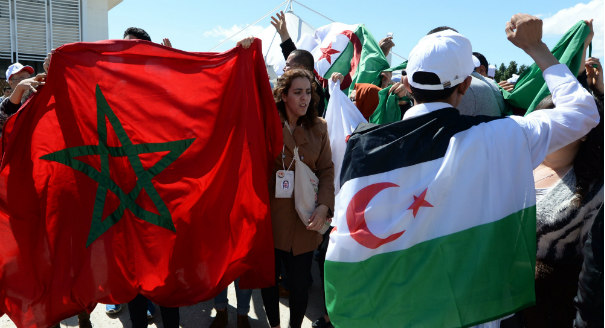
In the absence of open dialogue on the Western Sahara issue, the United Nations is pursuing a middle-of-the-road approach to accommodate the demands of both Morocco and the Polisario.
The UN Security Council’s renewal of MINURSO’s mandate on April 28 marked a shift in the UN’s approach to the Western Sahara dispute. The inability of Morocco or the Polisario to negotiate over Western Sahara’s self-determination—whether autonomy or independence—has largely confined the UN’s mediator role to contextual, if not peripheral issues. As a result, the Western Sahara dispute has shifted ground with Morocco and the Algeria-backed Polisario advancing competing agendas on the purpose and role of the UN Mission in Western Sahara (MINURSO), particularly whether the peacekeeping force should monitor human rights. The UN Security Council’s annual resolution extending the mission Western Sahara, whose language has remained virtually identical over the last three years, is no longer subject to negotiation: parties to the conflict are instead focusing on influencing the reports the UN Secretary General sends to the Security Council.
Increasingly, the United Nations has a narrow space to navigate, balancing Morocco’s insistence that MINURSO stick to its military observation mandate with the pro-independence Polisario’s demands that the mission focus on monitoring a future self-determination referendum and reporting on Western Sahara’s welfare and human rights issues. Seeking a middle-of-the-road solution, the UN has pled for open-source situation analysis and expanded range of interlocutors. This stops short of a full-blown political mandate for MINURSO, but the call offers a limited response to fill a dangerous vacuum and prevent further polarization on the ground. However, the UN’s attempt to portray its mandate as a provider of independent information about the Western Sahara territory has pushed Rabat on the defensive, fearing this could be a back-door revision of the MINURSO mandate.
Although the UN has backed away from its initial call for a standing, continuous, and impartial monitoring of human rights (though not explicitly located within the current UN Mission), and has instead called on parties to strengthen cooperation with existing UN human rights reporting bodies and mechanisms, Rabat remains concerned. The United Nations is openly frustrated with Ambassador Christopher Ross’s inability to interact independently with civil society actors in the territory. Together with its stated concerns about indigenous Saharans’ perceived exclusion from the negotiating process, this may have led Morocco to partially suspend cooperation with the UN, including the mediator’s shuttle diplomacy. Furthermore, Algeria is now worried about the new direction the UN is taking. Increasingly, Algeria realizes that a full-blown human rights mandate for MINURSO will replicate exactly the sort of negotiation format that it has steadfastly avoided in the Western Sahara conflict. Algeria claims it is not a party to the conflict, as the dispute is for the Polisario and Morocco to negotiate. However, any comprehensive human rights monitoring in Western Sahara and the refugee camps will make Algeria—as a host country to Sahrawi refugee camps—the direct interlocutor of Morocco, instead of the Polisario, thus necessitating that Algeria formally come the negotiating table.
In this context, the UN is now content to limit its stand on human rights monitoring to its repeated call for Morocco and the Polisario to cooperate with current UN human rights mechanisms and procedures. This amounts to a face-saving preservation of its facilitator role so long as there is no clear outlet for Morocco’s and Algeria’s staged frustration at the lack of progress in searching for a suitable forum to reframe the dispute. While Morocco may have taken satisfaction in the UN’s rolled-back role on human rights and MINURSO’s expanded political mandate, Algiers has taken comfort in the UN Security Council resolution’s persistent language that “welcomes the parties’ commitment to continue the process of preparation for a fifth round of negotiations.”
Meanwhile, there is no clear negotiation forum, no substantive discussion on autonomy and self-determination, and no genuine appetite for a solution from either party to the dispute or key diplomatic stakeholders. The status of the territory has entered a fragile phase that requires bold steps. In the first place, the UN mediator’s role should be redefined in light of the need for impartial reporting on the current political developments in the territory and refugee camps. Secondly, the human rights situation should be assessed through innovative mechanisms, perhaps by placing a human rights reporting system outside of the UN’s formal human rights procedures and having a rapporteur directly answerable to the UN Security Council (which should please Morocco) and supported by MINURSO (which should please the Polisario and Algeria). This could offer a compromise solution in the future, as pressure “to do something” on human rights may increase.
Jacques Roussellier teaches international relations at American Military University and is a co-editor of the book Perspectives on Western Sahara: Myths, Nationalism and Geopolitics (Rowman & Littlefield).
Jacques Roussellier
Carnegie does not take institutional positions on public policy issues; the views represented herein are those of the author(s) and do not necessarily reflect the views of Carnegie, its staff, or its trustees.
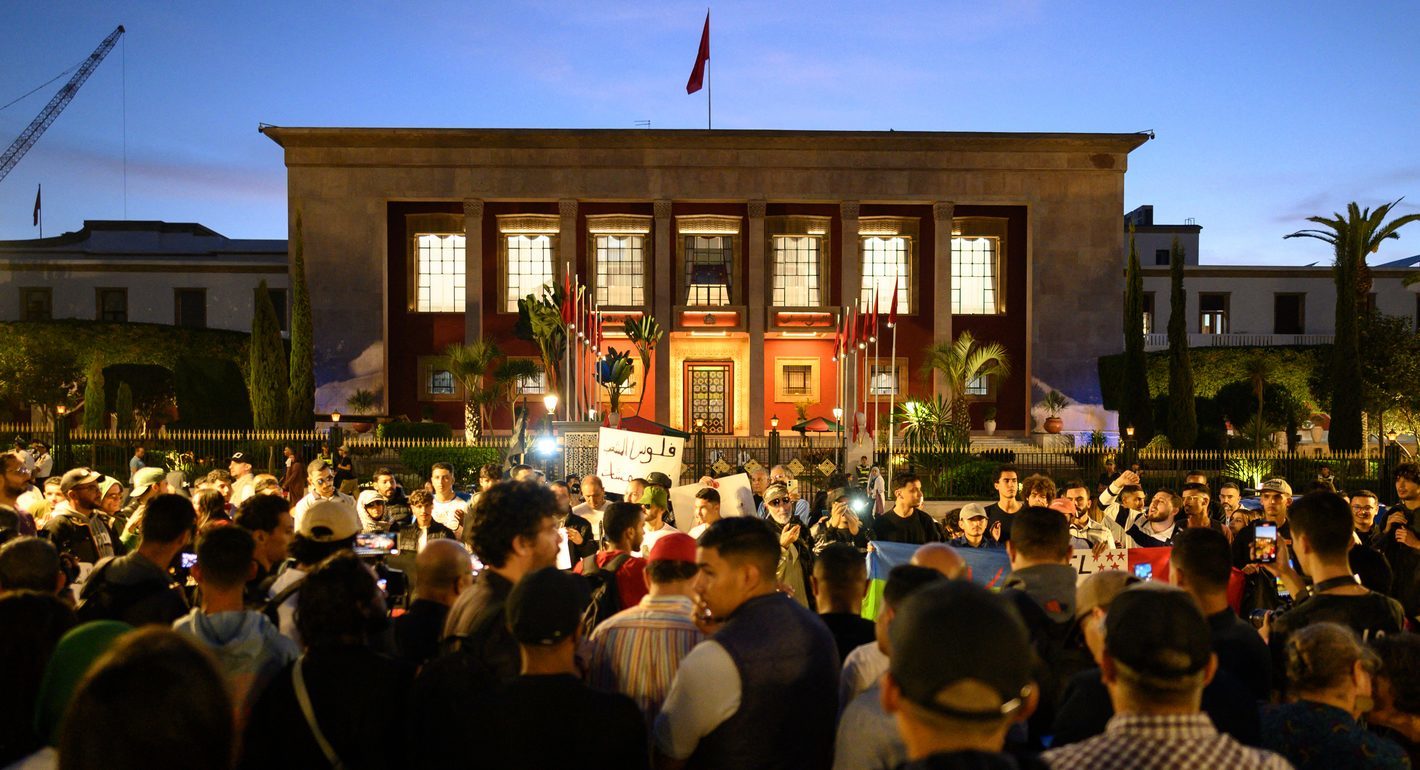
From anime heroes to online gaming communities, Morocco’s Gen Z is building a new protest culture. What does this digital imagination reveal about youth politics, and how should institutions respond?
Abdelilah Farah
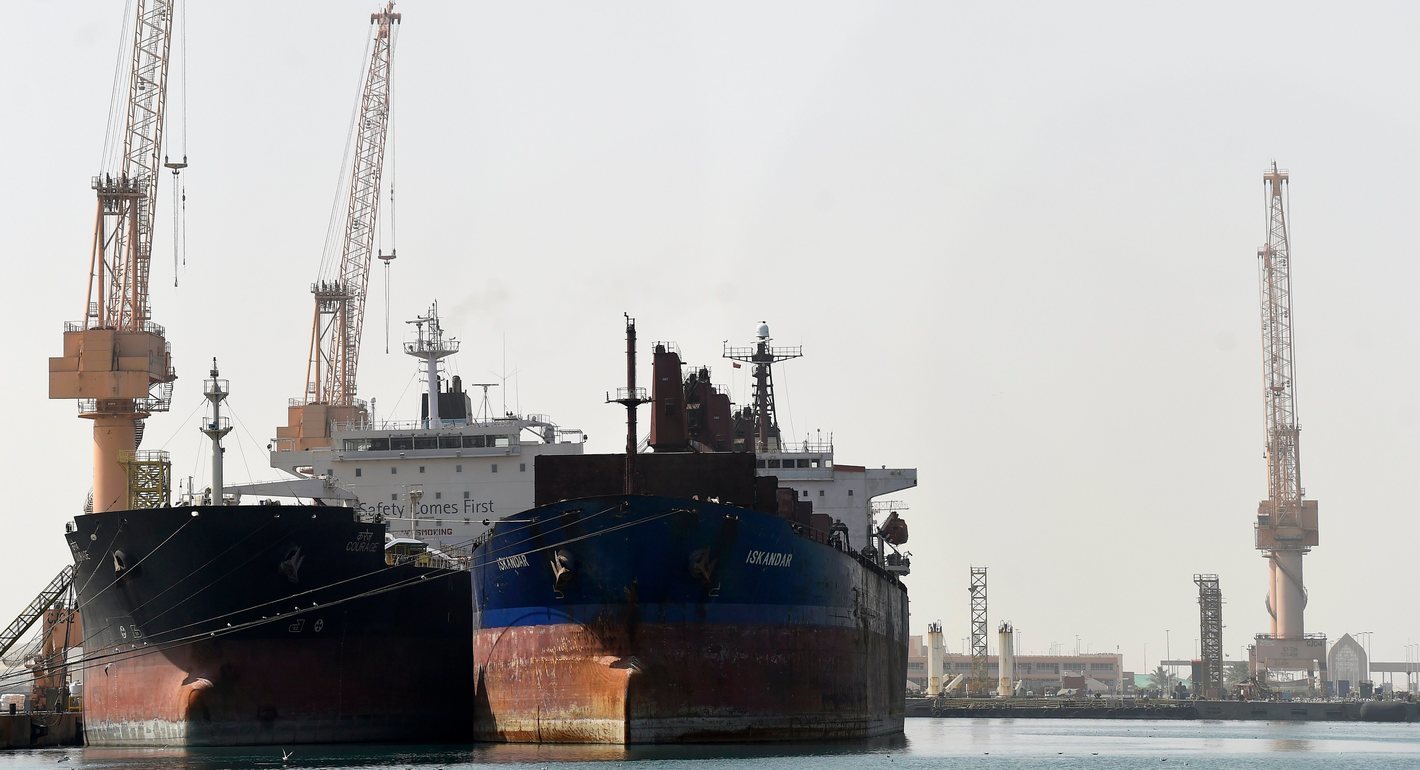
In a volatile Middle East, the Omani port of Duqm offers stability, neutrality, and opportunity. Could this hidden port become the ultimate safe harbor for global trade?
Giorgio Cafiero, Samuel Ramani
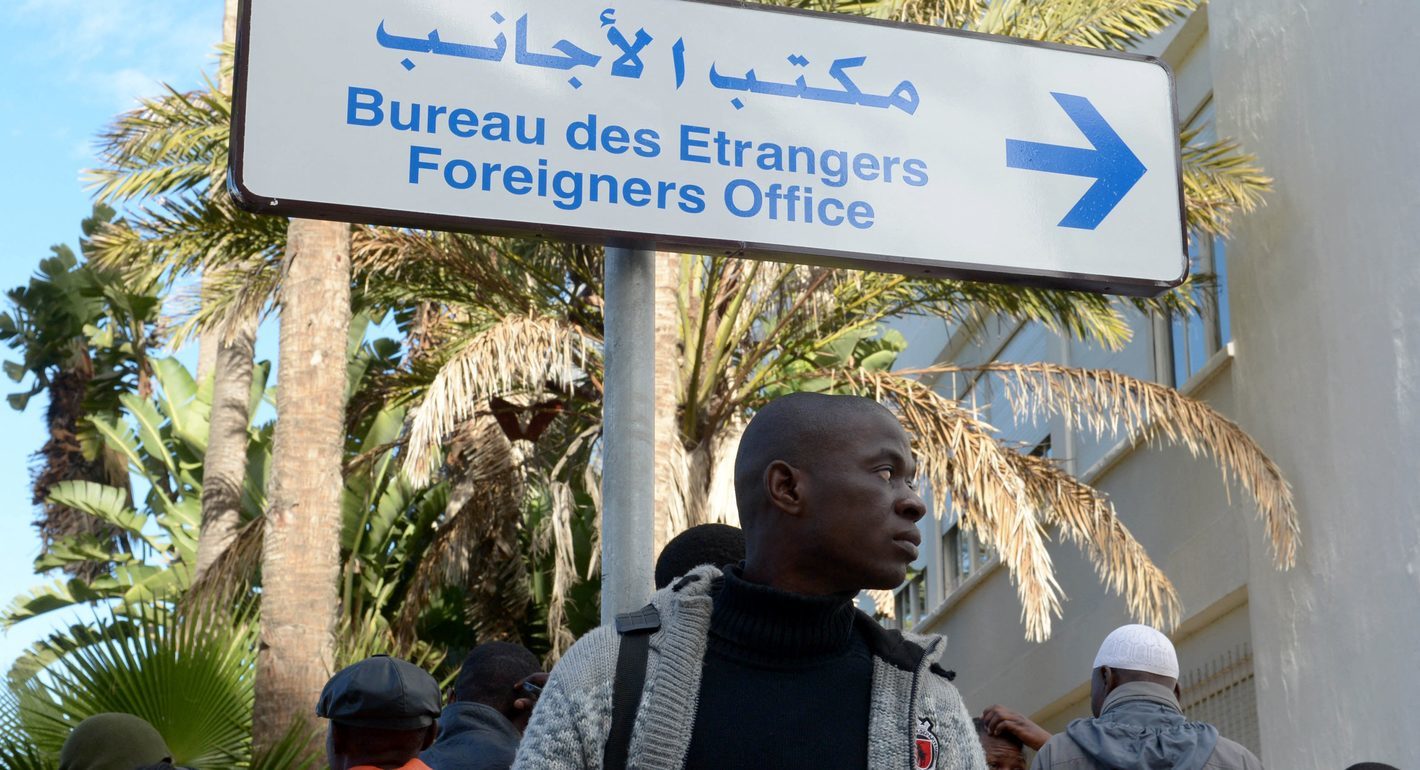
Is Morocco’s migration policy protecting Sub-Saharan African migrants or managing them for political and security ends? This article unpacks the gaps, the risks, and the paths toward real rights-based integration.
Soufiane Elgoumri
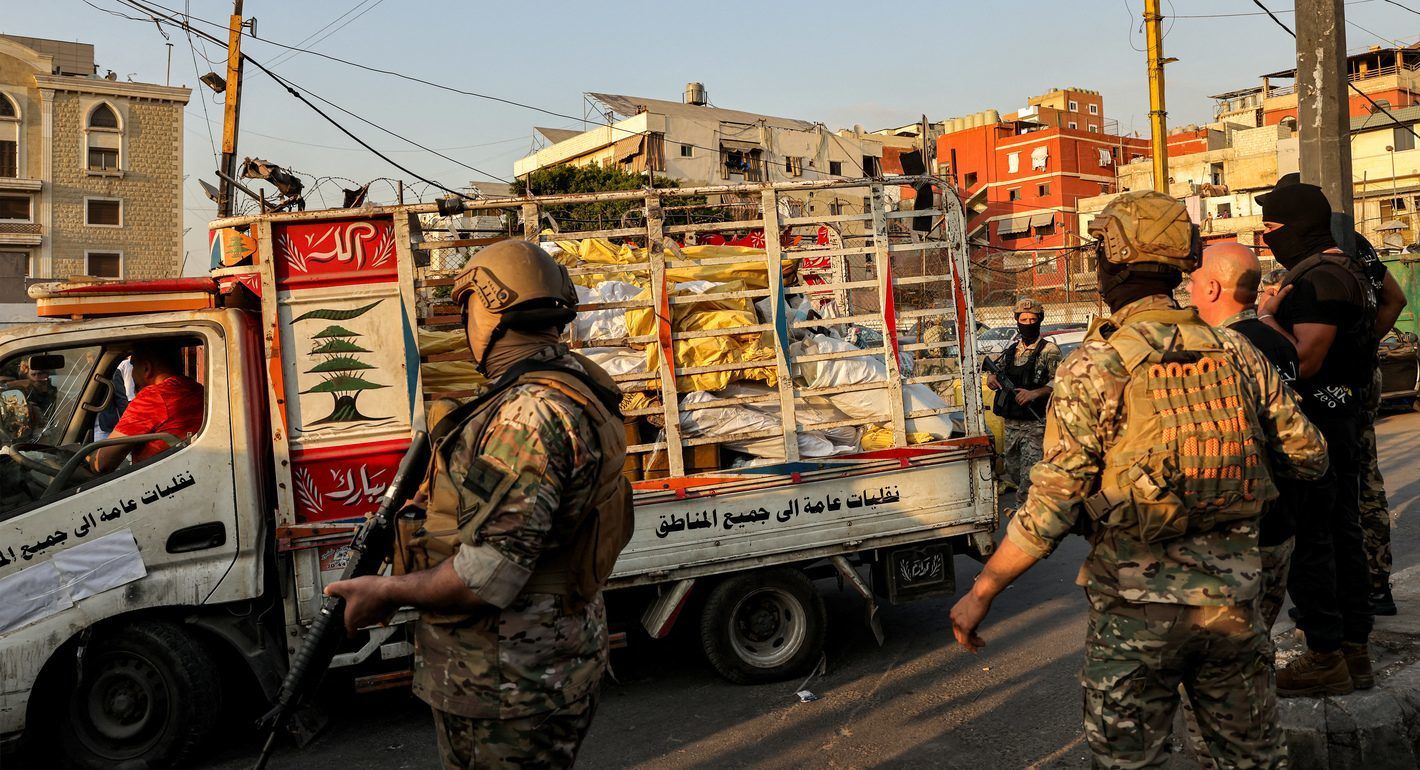
The August 2025 government decision to restrict weapons to the Lebanese state, starting with Palestinian arms in the camps, marked a major test of Lebanon’s ability to turn a long-standing slogan into practical policy. Yet the experiment quickly exposed political hesitation, social gaps, and factional divisions, raising the question of whether it can become a model for addressing more sensitive files such as Hezbollah’s weapons.
Souhayb Jawhar
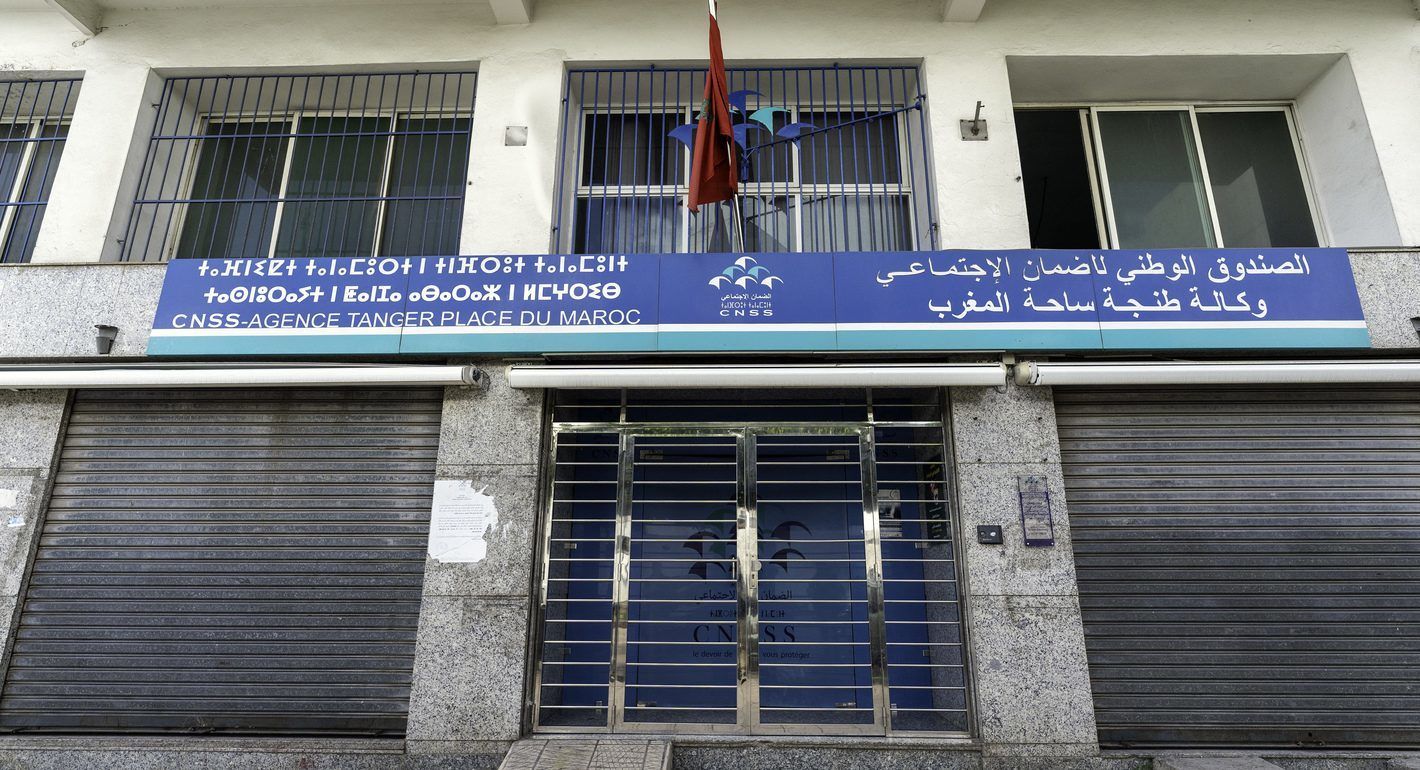
While Morocco’s shift to a digitized social targeting system improves efficiency and coordination in social programs, it also poses risks of exclusion and reinforces austerity policies. The new system uses algorithms based on socioeconomic data to determine eligibility for benefits like cash transfers and health insurance. However, due to technical flaws, digital inequality, and rigid criteria, many vulnerable families are unfairly excluded.
Abderrafie Zaanoun