

Commentary
Syria's transition promised a fresh start. But are old habits of power making a comeback? This analysis looks at the warning signs and what it will take to build a more accountable state.
Sima Beitinjaneh
{
  "authors": [
    "Khaled Dawoud"
  ],
  "type": "commentary",
  "blog": "Sada",
  "centerAffiliationAll": "",
  "centers": [
    "Carnegie Endowment for International Peace"
  ],
  "collections": [
    "Arab Awakening"
  ],
  "englishNewsletterAll": "",
  "nonEnglishNewsletterAll": "",
  "primaryCenter": "Carnegie Endowment for International Peace",
  "programAffiliation": "",
  "programs": [],
  "projects": [],
  "regions": [
    "North Africa",
    "Egypt"
  ],
  "topics": [
    "Political Reform"
  ]
}
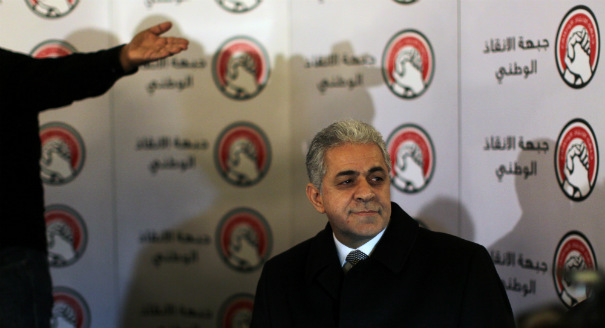
Source: Getty
Egypt’s electoral system, which favors individual candidates and parties designed to increase Sisi's populist appeal, will sideline pro-democracy parties.
As Egypt gears up for its first parliamentary elections since President Abdel Fattah el-Sisi seized power in 2013, secular political parties—especially the small, pro-democracy ones that emerged following the 2011 Revolution—are unlikely to play a significant role. The new election law favors independent candidates who are expected to dominate the next parliament. The law opens the door for new parties to form, ones that will compete over providing support for Sisi.
In statements he made on July 14, Sisi pledged that, “we will have a parliament before the end of the year.” He appealed to Egyptians to be careful in electing their representatives, considering that parliament holds wide powers under the 2014 constitution. He added, however, that “the constitution is pretty ambitious” and it will take time to implement all of it.
Since his election fourteen months ago, Sisi has seemed in no hurry to hold parliamentary elections. His supporters continue to uphold his image as a populist leader with no party allegiance, and as a savior who rescued Egypt from extremism. Sisi himself has repeatedly stated that he derives his support directly from the Egyptian people, and showed no interest in meeting leaders of political parties until January 2015, seven months after taking office. Ahead of his visit to Germany, Sisi summoned party leaders for a second meeting in early June. However, the demands of most political parties to amend the election law—or to release dozens of young secular activists who have been held for over a year for violating the unpopular Protest Law—remained unmet, and the government tasked the same committee that drafted the new election law, later deemed unconstitutional, to carry out limited amendments.
The lack of reforms greatly disappointed the new secular political parties, which aided Sisi’s ascent to the presidency. Under the banner of the National Salvation Front (NSF), nearly a dozen liberal, leftist, and Arab nationalist parties played a key role in publically backed the army’s intervention to depose former President Mohamed Morsi, arguing this was necessary to restore the goals of the January 25 Revolution. But the new parliamentary election law, issued by former Interim President Adly Mansour, disregarded the demands of the NSF parties, adopting a system that favored individual candidates instead of a system of proportional representation and party lists.
After the Supreme Constitutional Court ruled in March that a number of articles in the election law were unconstitutional in how they divided electoral districts, eighteen political parties drafted several proposals to amend the law in hope that it would improve their chances at the polls. Newly created parties that had emerged from the popular revolution against ousted President Hosni Mubarak in early 2011—such as the Egyptian Social Democratic Party (ESDP), the Egyptian Popular Current, the Dostour Party, the Socialist Popular Alliance, the Karama Party, the Free Egypt Party (Misr al-Horeya), and the Justice Party (al-Adl)—said they had limited or no financial resources and complained they could not compete if 80 percent of parliament seats were to be contested by individuals, most of whom can spend money heavily or have strong tribal and family ties, particularly in rural provinces and southern Egypt.
The six smaller parties that make up the center-left Civil Democratic Current are not in good shape. “We are honorable and principled, but poor,” said Hamdeen Sabahi, former presidential candidate and leader of the Egyptian Popular Current, in a recent interview. Besides money concerns, the alliance is plagued with divisions. The increasing attacks against opposition parties in the pro-government media, crackdown on civil society, and the hero worship of President Sisi have driven the many of the party’s young supporters out.
Instead, the declining influence of these new, secular parties only benefits traditional political groups known for their close ties with the former ruling National Democratic Party (NDP), now dissolved. Their vast wealth and wide networks, built over Mubarak’s 30 years in office, boost their chances of winning individual seats. However, while these parties—such as the Egyptian National Movement (headed by Ahmed Shafiq, Mubarak’s last prime minister), the Congress Party, and Masr Baladi—seem united in their support of the government, they are divided by their competition for influence over Sisi and the title of the president’s party. Independent candidates, who are likely to make up the majority in the next parliament, might also form a new party with the sole purpose of supporting Sisi, repeating the NDP’s experience and pushing out other pro-Sisi parties.
The Salafi Nour Party—which supported the Brotherhood’s removal to ensure its own political survival—is also likely to win a reasonable share in the next parliament. However, it is not likely to reclaim the surprising 25 percent it achieved in the 2011 elections. Donations by members and a constant flow of funds from oil-rich Gulf countries such as Saudi Arabia and the United Arab Emirates mean the Salafi movement is able to field candidates for nearly all 448 parliament seats reserved for individual candidates, as well as the 120 for closed lists.
The exception to this trend is the liberal Free Egyptians Party, which enjoys the strong financial support of business tycoon Naguib Sawiris. Sawiris previously said he was not interested in competing over the 120 seats devoted to the closed list system and would instead nominate individual candidates, including many who belonged to the former ruling NDP. “Not all of them were corrupt,” Sawiris said in a recent interview with Al-Masry Al-Youm, indicating that the party needs candidates who can win. But although his support guarantees the Free Egyptians Party a reasonable number of seats in parliament, the process of picking which members would run on individual lists alienates some in the party. Many of its leading figures later resigned when they felt they were marginalized or not picked up as candidates to run for elections, and the party may not remain unified much longer.
Likewise, the New Wafd Party, which though liberal has generally supported the status quo under both Mubarak and Sisi, is witnessing internal strife over the political and financial management style of its president, Sayyid al-Badawi, a businessman and owner of the influential Al-Hayat television network. The party has practically split into two, weakening its chances of winning seats in the next parliament. In a surprise move, Sisi intervened personally in May, allegedly out of concern that one of the country’s oldest political parties remain intact, and held a meeting at his office between the party’s two rival factions. However, even the president’s efforts have failed, and on June 27 hundreds of Wafd members held a large rally in Sharqiya province to demand Badawi’s removal.
Medhat Zahed, deputy president of the Popular Socialist Alliance Party, said in an interview, “We were hoping to have a parliament that would translate the ambitious constitution into legislation and is capable of holding the government and the president accountable.” But for Zahed and others, there is little hope the next election will yield anything but a Mubarak-era style parliament.
Khaled Dawoud is the Assistant Editor-in-Chief of Al-Ahram Weekly and the official spokesperson of the Dostour Party.
Khaled Dawoud
Carnegie does not take institutional positions on public policy issues; the views represented herein are those of the author(s) and do not necessarily reflect the views of Carnegie, its staff, or its trustees.
Syria's transition promised a fresh start. But are old habits of power making a comeback? This analysis looks at the warning signs and what it will take to build a more accountable state.
Sima Beitinjaneh
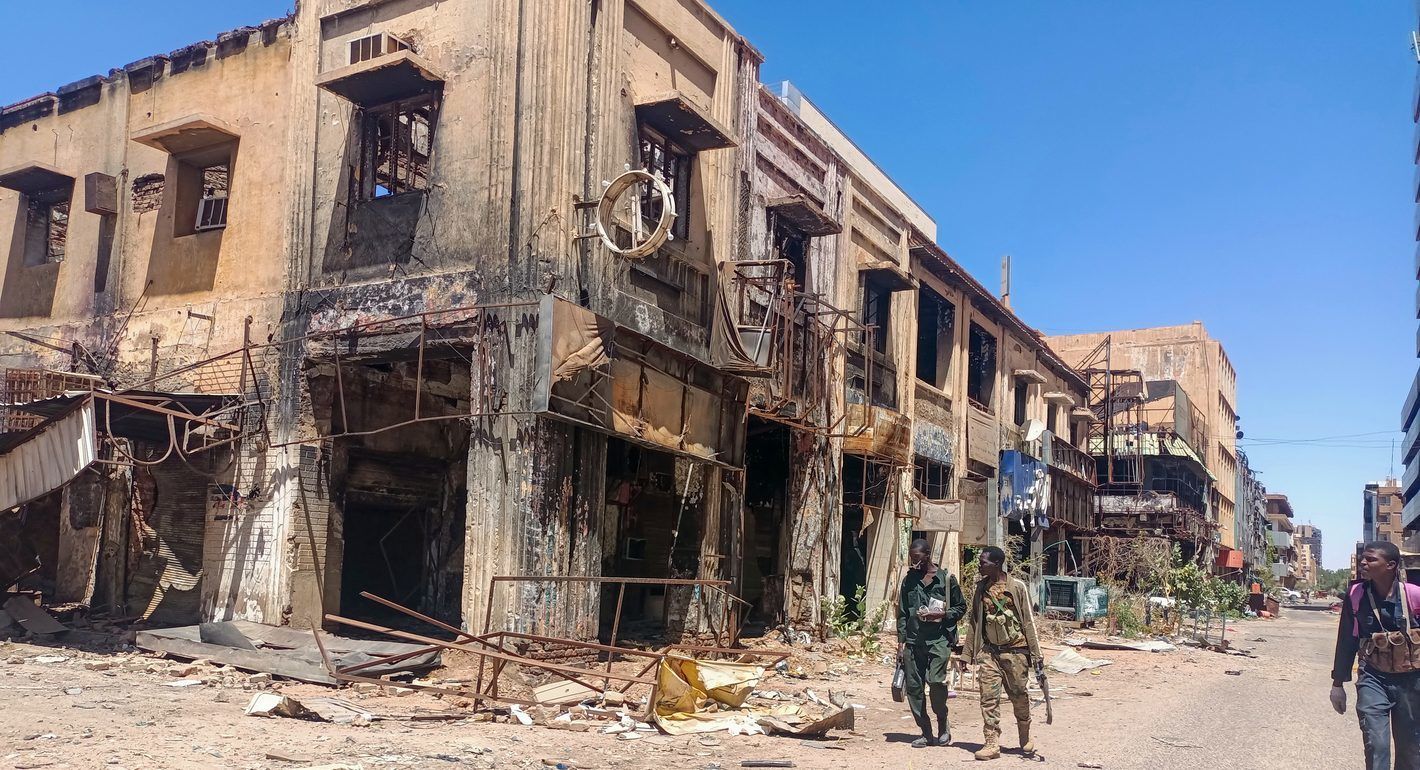
Hate speech has spread across Sudan and become a key factor in worsening the war between the army and the Rapid Support Forces. The article provides expert analysis and historical background to show how hateful rhetoric has fueled violence, justified atrocities, and weakened national unity, while also suggesting ways to counter it through justice, education, and promoting a culture of peace.
Samar Sulaiman
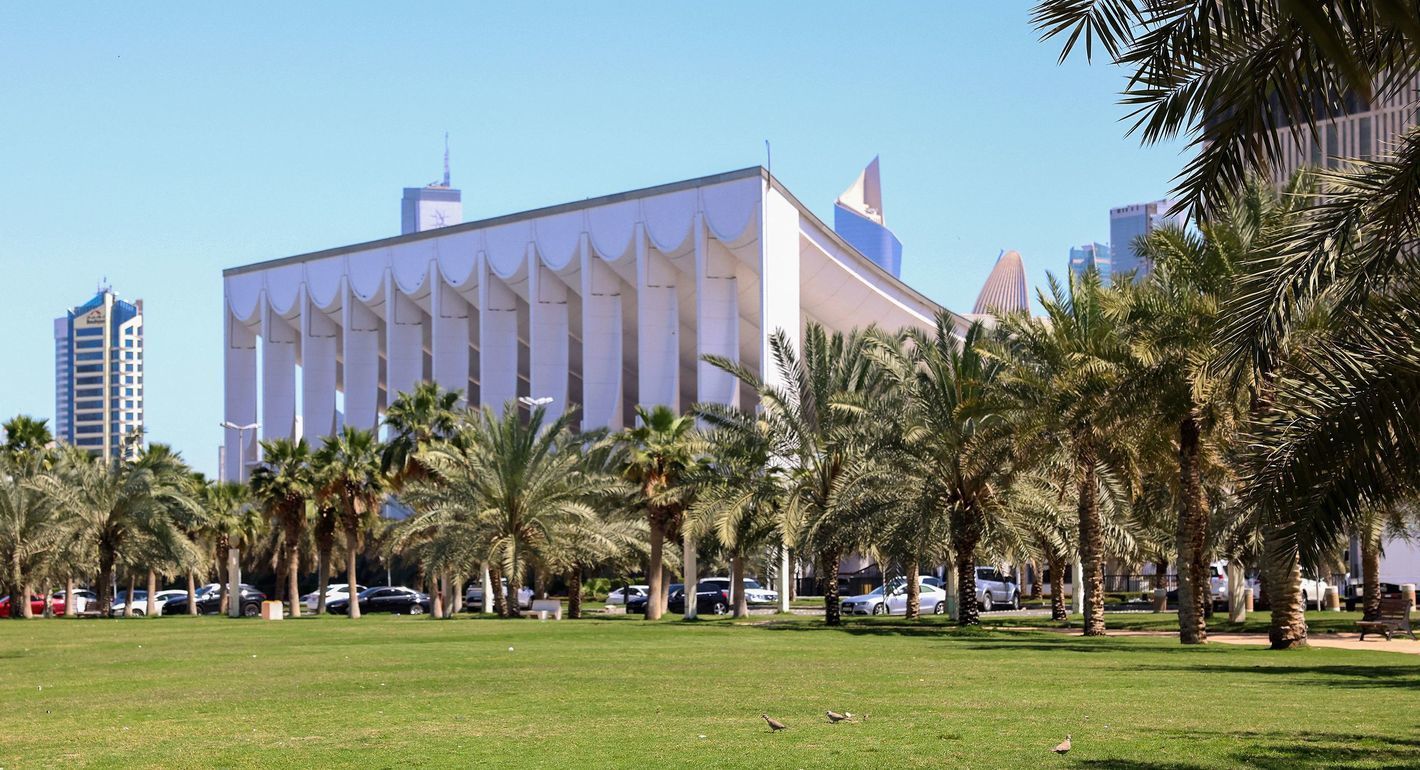
Kuwait’s government has repeatedly launched ambitious reforms under Kuwait Vision 2035, yet bureaucratic inefficiency, siloed institutions, and weak feedback mechanisms continue to stall progress. Adopting government analytics—real-time monitoring and evidence-based decision-making—can transform reform from repetitive announcements into measurable outcomes.
Dalal A. Marafie
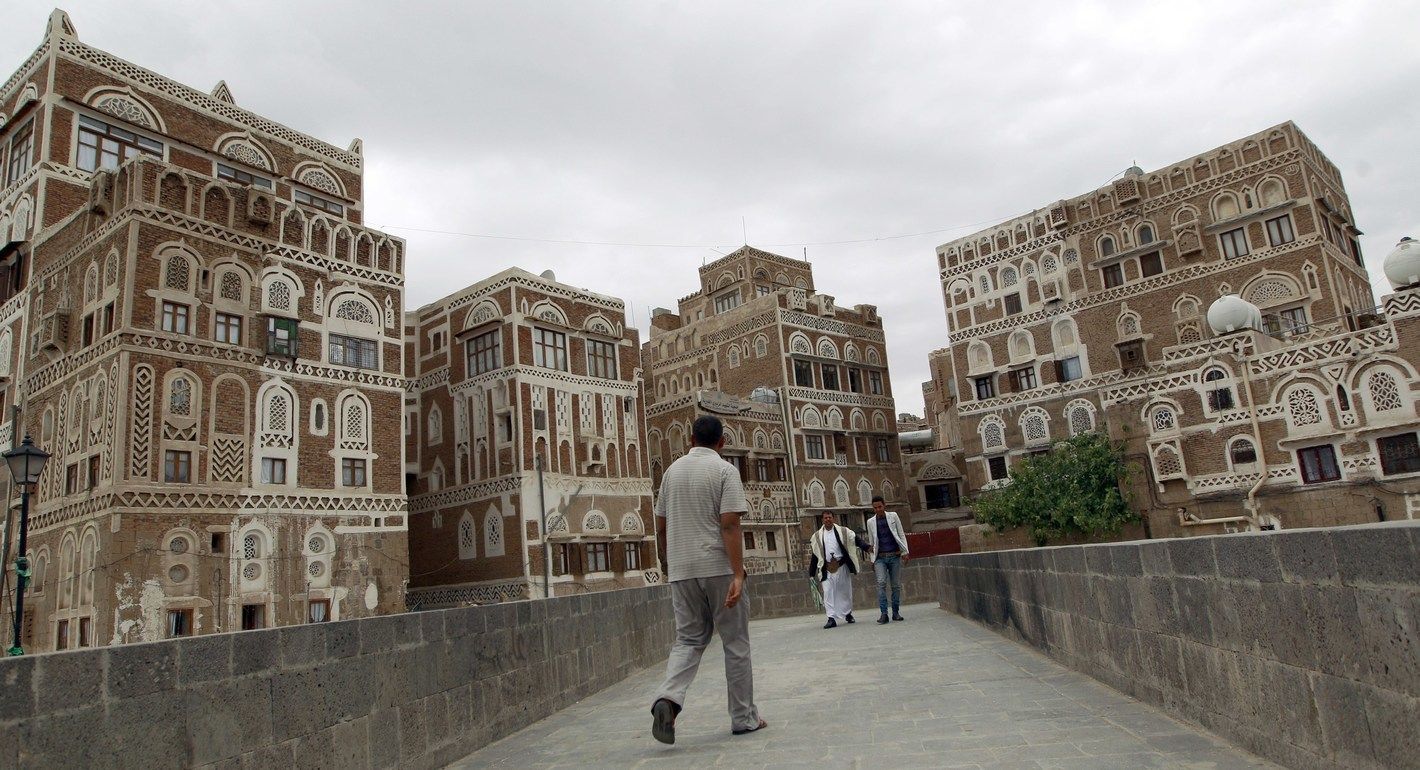
The chaos of street naming in Sana’a reflects the deep weakness of the Yemeni state and its failure to establish a unified urban identity, leaving residents to rely on informal, oral naming systems rooted in collective memory. This urban disorder is not merely a logistical problem but a symbolic struggle between state authority and local community identity.
Sarah Al-Kbat
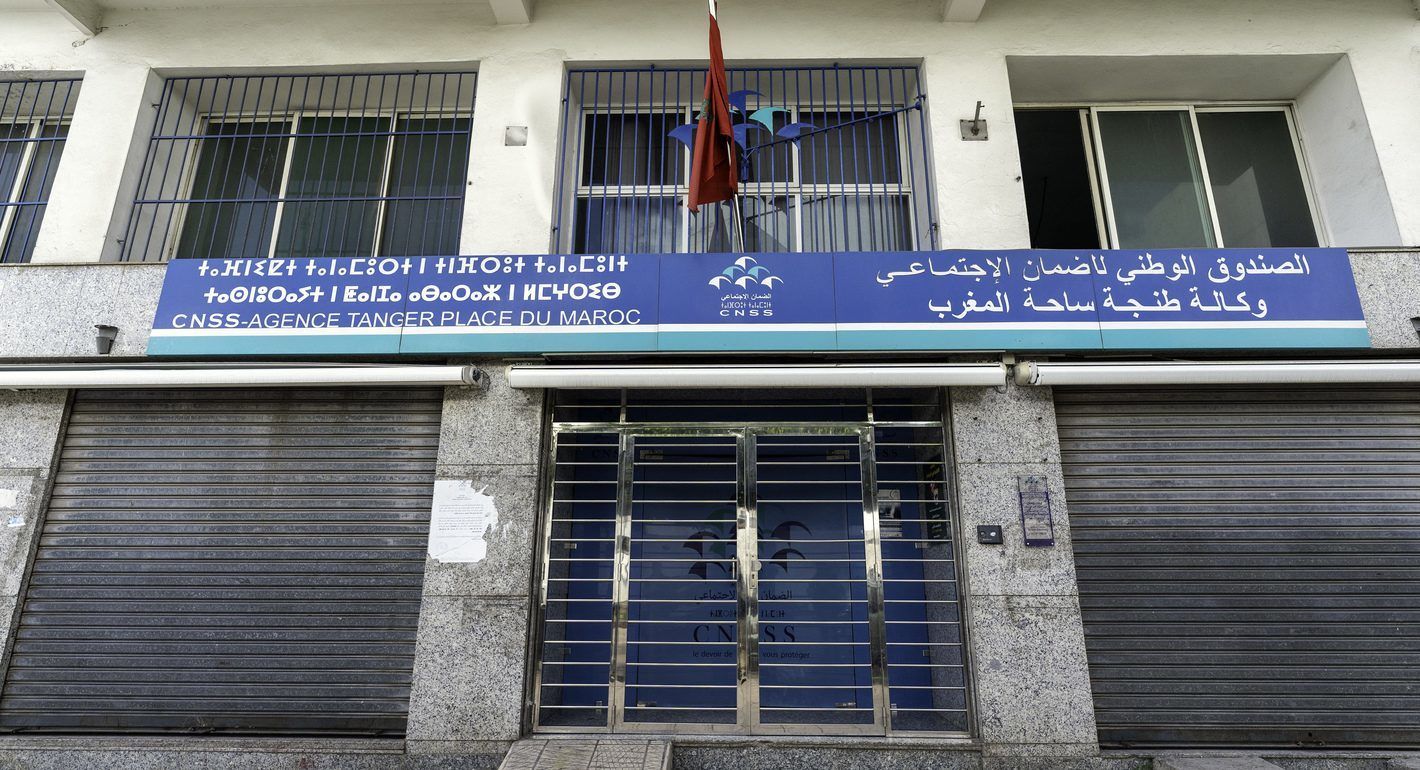
While Morocco’s shift to a digitized social targeting system improves efficiency and coordination in social programs, it also poses risks of exclusion and reinforces austerity policies. The new system uses algorithms based on socioeconomic data to determine eligibility for benefits like cash transfers and health insurance. However, due to technical flaws, digital inequality, and rigid criteria, many vulnerable families are unfairly excluded.
Abderrafie Zaanoun