

Commentary
From anime heroes to online gaming communities, Morocco’s Gen Z is building a new protest culture. What does this digital imagination reveal about youth politics, and how should institutions respond?
Abdelilah Farah
{
  "authors": [
    "Sarah Mersch"
  ],
  "type": "commentary",
  "blog": "Sada",
  "centerAffiliationAll": "",
  "centers": [
    "Carnegie Endowment for International Peace"
  ],
  "collections": [],
  "englishNewsletterAll": "",
  "nonEnglishNewsletterAll": "",
  "primaryCenter": "Carnegie Endowment for International Peace",
  "programAffiliation": "",
  "programs": [],
  "projects": [],
  "regions": [
    "North Africa",
    "Tunisia"
  ],
  "topics": [
    "Political Reform",
    "Democracy",
    "Security"
  ]
}
Source: Getty
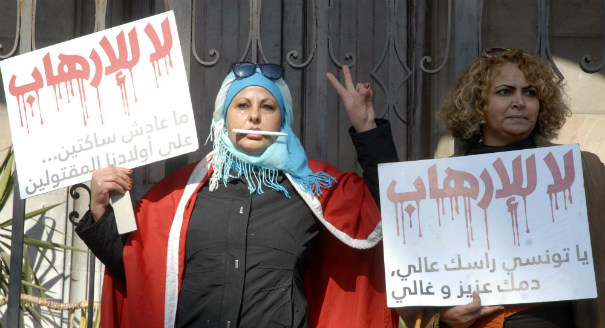
Tunisia’s new counterterrorism law infringes on civil liberties and does not provide a framework to prevent violent extremism.
After two years of division over various provisions, Tunisia’s assembly of representatives adopted a new counterterrorism law on July 24. The bill was approved by 174 deputies of 217 (with 10 abstentions) and replaces the 2003 anti-terrorism law that has defined Tunisia’s struggles with terrorism for the past decade. The new law was finished hastily following the Bardo and Sousse attacks and is unlikely to make current efforts to fight terrorism more effective. Different aspects of the bill have been heavily criticized as shortsighted and reactionary. Meanwhile, a comprehensive long-term strategy to fight terrorism and address the appeal of extremism is still missing.
Since the attacks, tensions have been running high, and the country became divided between those favoring stricter security measures and those fearing a crackdown on human rights. The vote took place amid heightened emotions, and even those who expressed serious concerns about the draft law chose not to vote against it but to abstain or not attend the voting session. Some Tunisian newspapers, especially the state-owned La Presse, ran a smear campaign against the ten members of parliament, from various parties, who abstained from the vote. They also attacked human rights organizations that expressed concerns, accusing them of supporting terrorism.
The new law seeks to make the procedures used to fight terrorism and money laundering more efficient. The Tunisian government hopes that the law’s proposed national commission to fight terrorism—a permanent joint commission uniting members of different ministries, the judiciary, and eventually members of civil society organizations—will allow for a better cooperation between these different entities. The commission is charged to give advice on future laws relating to counterterrorism and propose preventive measures to fight terrorism in the long run. The new bill also creates a unit of judges specialized in terrorism cases (article 38) and hands investigations to the criminal investigation department of Tunis rather than units at the governorate level (article 36). This aims to make procedures more straightforward and avoid information being lost between different police units, though it is difficult to tell if this will speed up the investigation process.
But civil society and human rights activists have harshly criticized the new law for not complying with international standards, fearing it could infringe on civil liberties. Even though the government claims that it will not jeopardize Tunisia’s democratic accomplishments, experts say that the law could open the doors for an authoritarian backlash under the cover of counterterrorism. National and international human rights groups are particularly concerned about the broad definition of terrorism and terrorist acts. The 2015 bill considers a terrorist organization “a group of three or more persons that has existed for any length of time and acts in concert with the aim to commit one of the terrorist acts under this law.” Acts listed in the law include, among others, damage to public or private goods and infrastructure such as transport or telecommunications, punishable by up to twenty years in prison and a 100,000 dinar ($51,000) fine (article 13). Critics of the law point out that this clause would allow the authorities to deem participants of a demonstration for social or economic demands as terrorists, if participants for example damage a police station or block transport infrastructure during the protest, even if they have no links to terrorists. It could therefore be used to prohibit and criminalize largely peaceful social movements.
Furthermore, suspected members of terrorist organizations can be kept in police custody up to two weeks without the right to any legal assistance, compared to six days under the old law. Torture in police custody, which was frequent under the old regime, persists even after the political uprising in 2011, and humanitarian organizations fear that security forces’ abuse of suspects might become a regular practice again in the current political climate. The extensive powers of surveillance the new bill gives to authorities, such as tapping communications and installing surveillance material (article 52), also bring back memories of the former regime, where phones, mail, and digital communication of political opponents had been monitored abusively.
A major concern in the current law is the reintroduction of the death penalty for certain terrorist acts. Even members of parliament generally in favor of the new bill are concerned about this issue. While the death penalty was never abolished in Tunisia and still exists in criminal law, there has been a moratorium since 1991. Since then, capital punishment has automatically been turned into a lifelong prison sentence. Supporters of reintroducing of the death penalty in the law stress its potential to dissuade acts of terror, but opponents of the practice are afraid that the current political climate might favor ending the moratorium and lead again to executions of prisoners.
While these measures provide a new legal framework for the authorities to tackle terrorist movements, the bill falls short of providing a comprehensive solution to Tunisia’s security issues. The new bill criminalizes planning and carrying out terrorist activities, but it does not sufficiently take into account their prevention or work to deradicalize Tunisia’s mainly young extremists, who do not only execute attacks in Tunisia against security forces and tourists, but also make up the largest group of foreign fighters in Syria and Iraq. Last month, Tunisia restricted travel to Turkey, Morocco, Algeria, or Libya for citizens under age 35. There has also been a notable wave of arrests since the beginning of the year of nearly 100,000 people (almost 1 percent of the population), according to numbers provided by the Ministry of Interior, giving little indication of the charges held against the arrested or their whereabouts since the arrest. These actions are often perceived as arbitrary, and together with desperate economic circumstances in interior regions and networks of radical religious discourse, they offer a fertile breeding ground for extremism. A restrictive law not accompanied by long-term solutions for urgent social and economic problems will not be able to fight terrorism effectively.
Prime Minister Habib Essid announced a national congress against terrorism for September, when government institutions and civil society plan to come together to agree on a more global strategy, taking into account economic, social, and educational aspects. It is then up to the national commission to fight terrorism to prove that it is effective, and up to the government to provide sufficient means for it. Until then, the bill’s restrictive measures risk outweighing its positive aspects.
Sarah Mersch is a Tunis-based freelance journalist.
Sarah Mersch
Carnegie does not take institutional positions on public policy issues; the views represented herein are those of the author(s) and do not necessarily reflect the views of Carnegie, its staff, or its trustees.
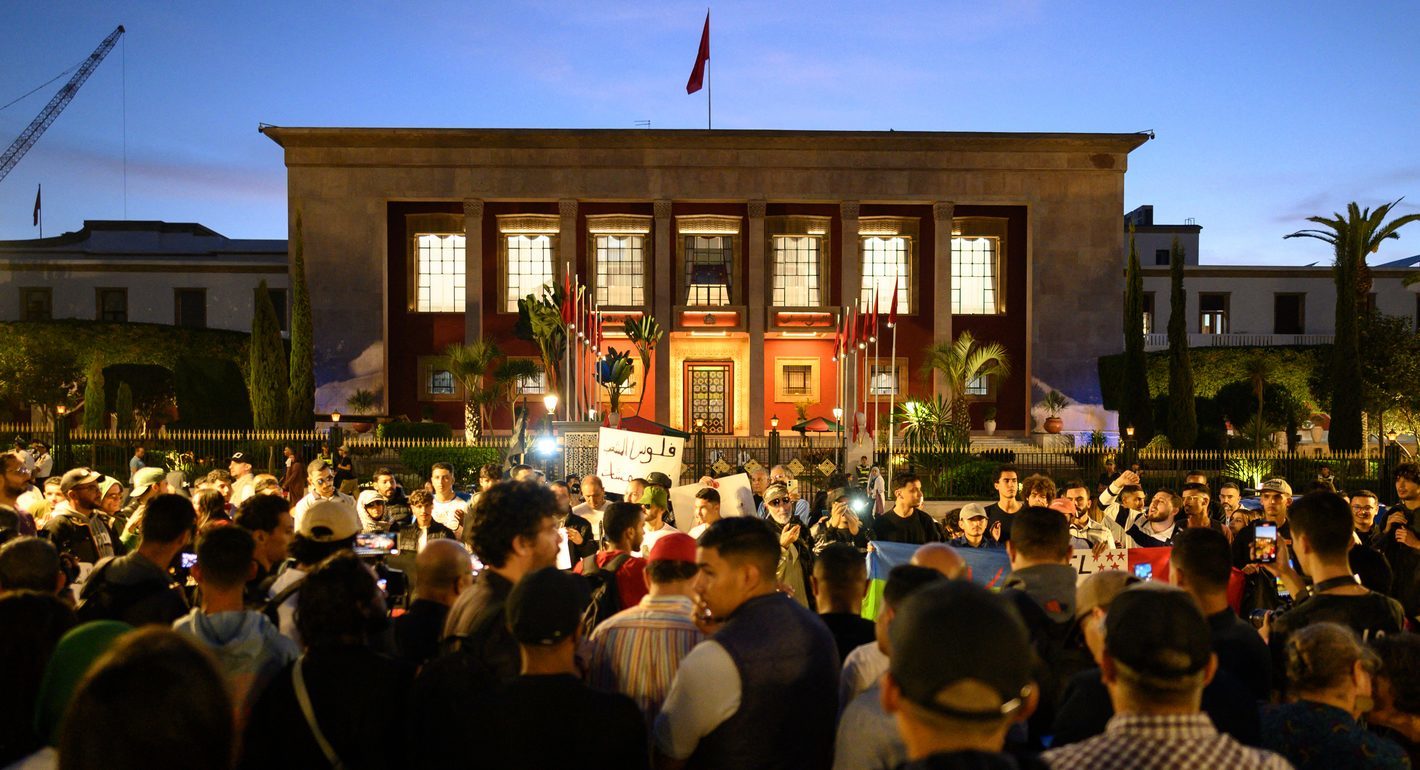
From anime heroes to online gaming communities, Morocco’s Gen Z is building a new protest culture. What does this digital imagination reveal about youth politics, and how should institutions respond?
Abdelilah Farah
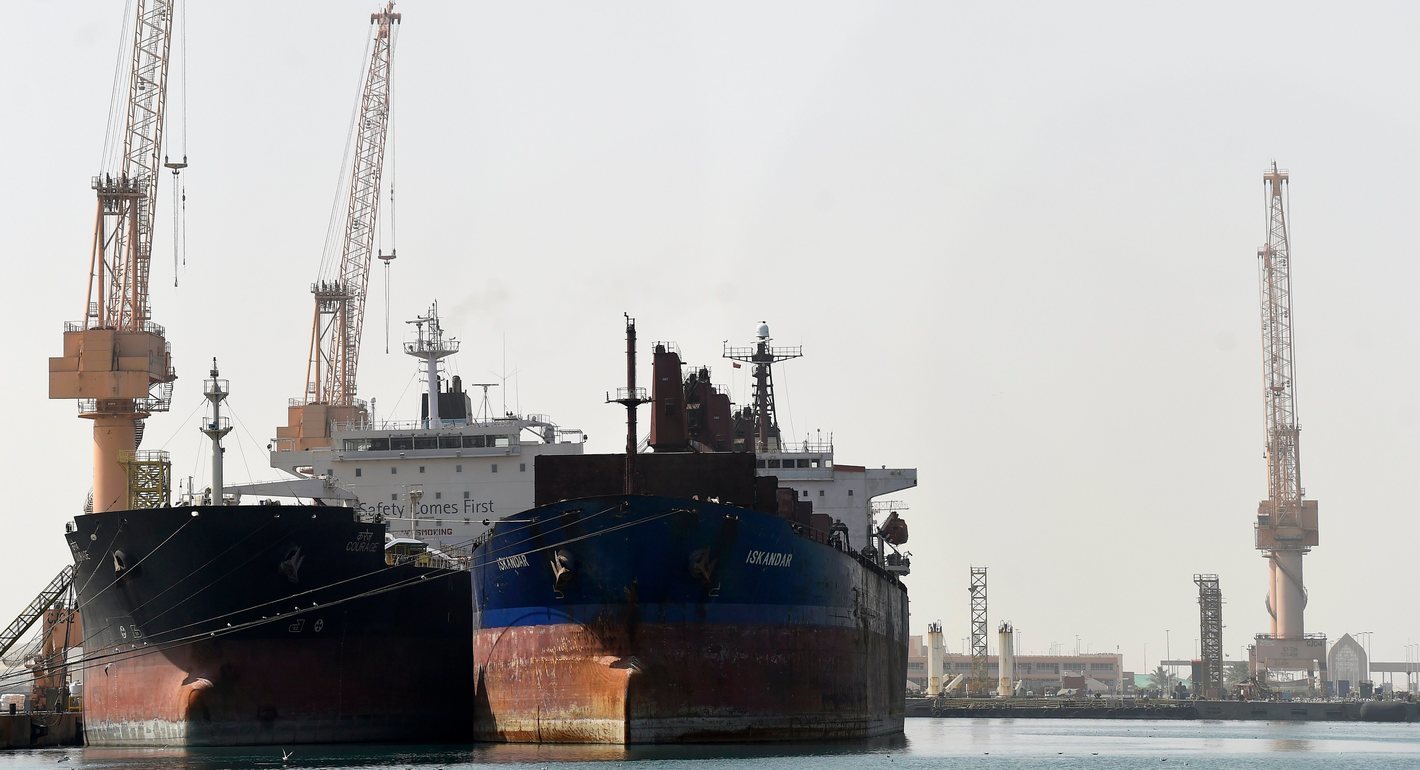
In a volatile Middle East, the Omani port of Duqm offers stability, neutrality, and opportunity. Could this hidden port become the ultimate safe harbor for global trade?
Giorgio Cafiero, Samuel Ramani
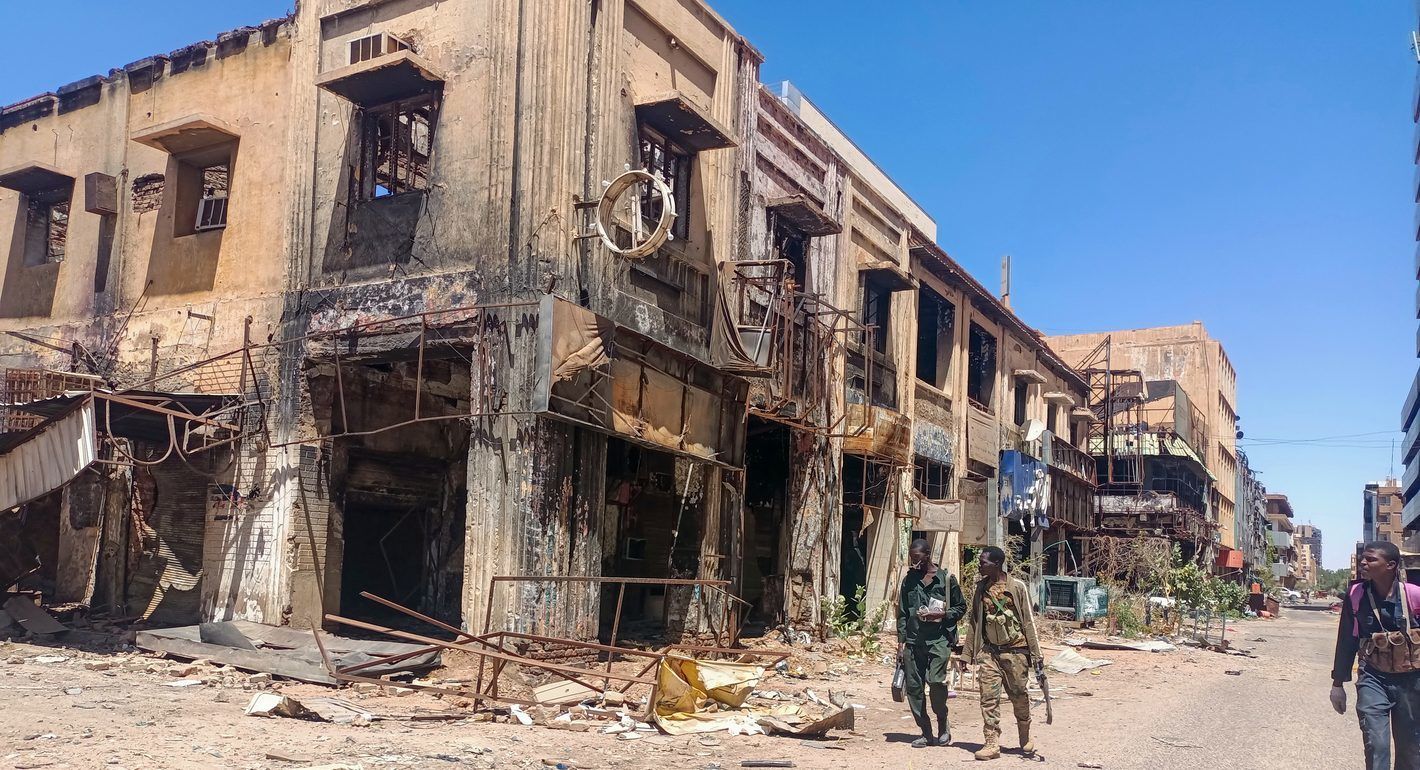
Hate speech has spread across Sudan and become a key factor in worsening the war between the army and the Rapid Support Forces. The article provides expert analysis and historical background to show how hateful rhetoric has fueled violence, justified atrocities, and weakened national unity, while also suggesting ways to counter it through justice, education, and promoting a culture of peace.
Samar Sulaiman
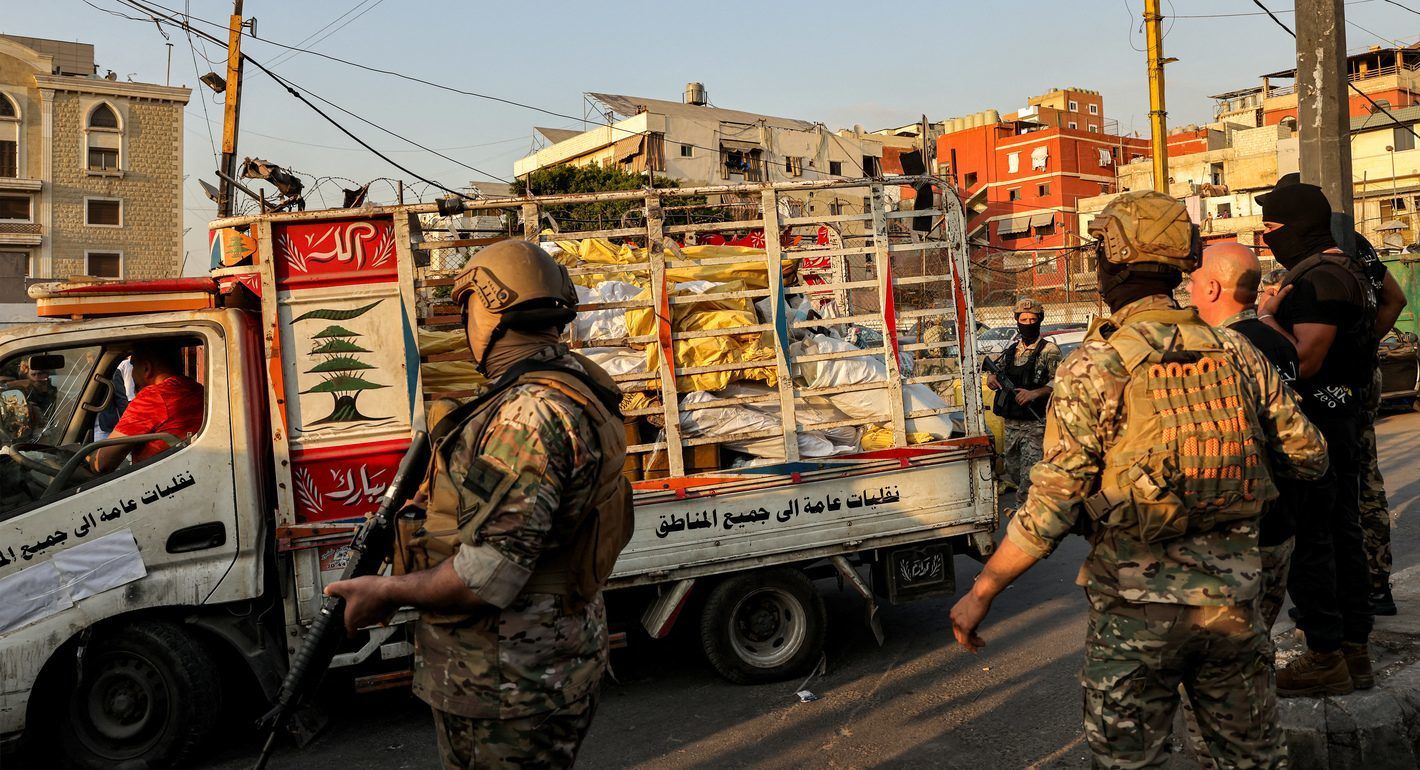
The August 2025 government decision to restrict weapons to the Lebanese state, starting with Palestinian arms in the camps, marked a major test of Lebanon’s ability to turn a long-standing slogan into practical policy. Yet the experiment quickly exposed political hesitation, social gaps, and factional divisions, raising the question of whether it can become a model for addressing more sensitive files such as Hezbollah’s weapons.
Souhayb Jawhar
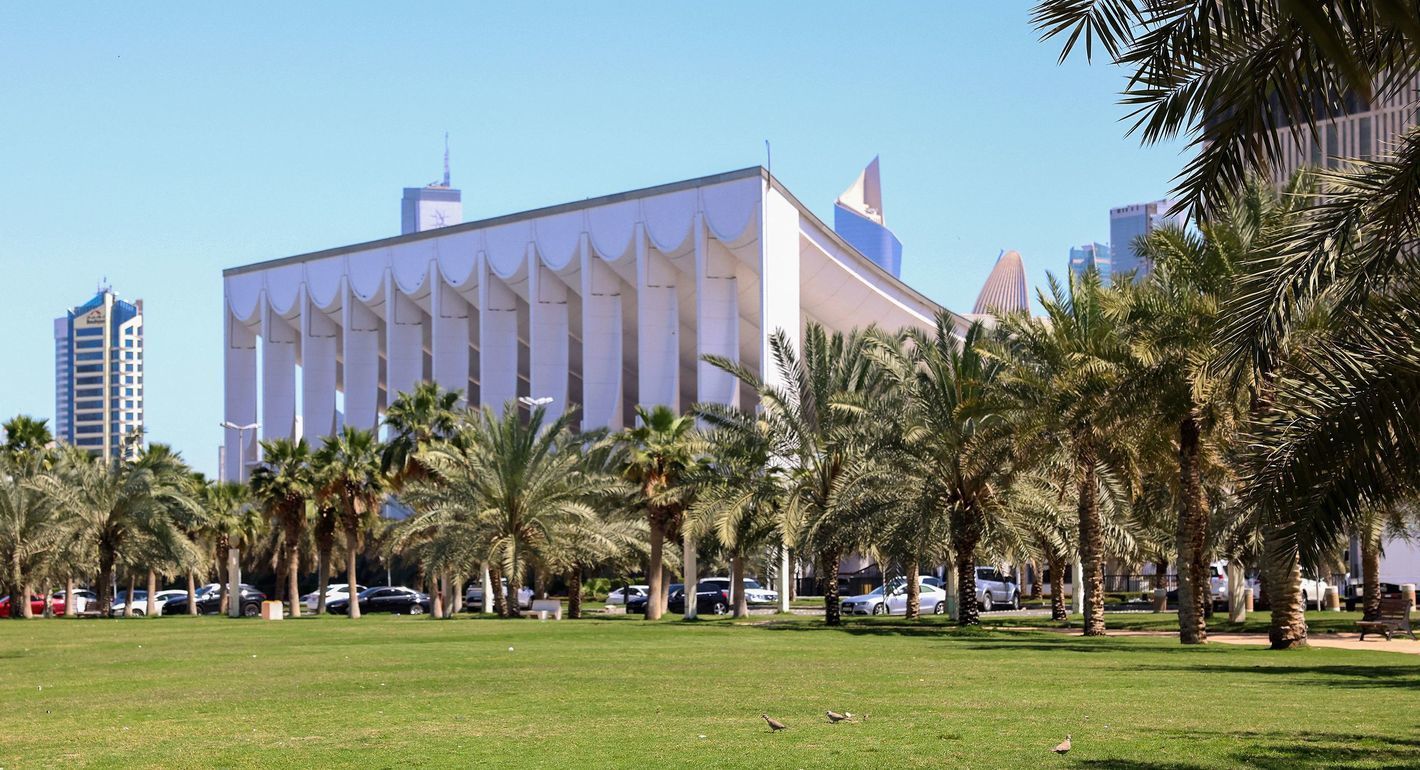
Kuwait’s government has repeatedly launched ambitious reforms under Kuwait Vision 2035, yet bureaucratic inefficiency, siloed institutions, and weak feedback mechanisms continue to stall progress. Adopting government analytics—real-time monitoring and evidence-based decision-making—can transform reform from repetitive announcements into measurable outcomes.
Dalal A. Marafie