Morocco: New Prospects for Clean Energy Development
Researchers in Morocco are studying ways to use solar and wind energy for a faster transition to a green economy. This documentary tells the story of Morocco's quest to produce clean, renewable energy.
Link Copied
By Anas Mezzour
Published on Jun 20, 2023
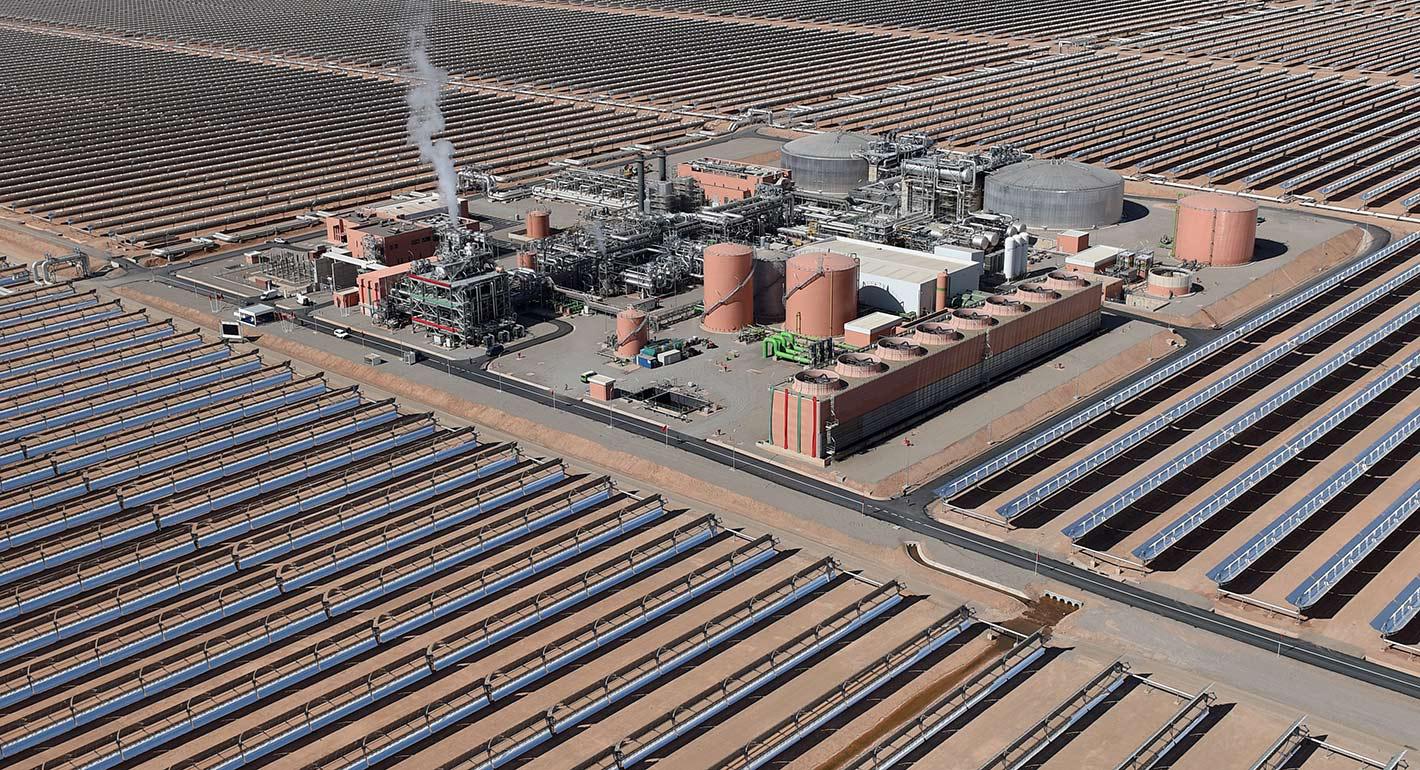
With a favorable environment for climate-friendly investment, Morocco will likely soon become a center for green industrial energy production. This comes following decades of high energy dependence on external energy sources, which even in 2022 accounted for 90 percent of Morocco’s energy needs. Currently, Morocco is betting on renewables to strengthen its energy sovereignty, reduce the cost of energy, and position itself in the carbon-free economy in the coming decades.
According to Abderrahim Ksiri, national coordinator of the Moroccan Coalition for Climate and Sustainable Development and a member of the Moroccan Economic, Social and Environmental Council, Morocco has made a great effort in the field of renewable energies compared to other developing countries. In 2009, Ksiri initiated the development of the country’s energy transition strategy. As he explains in the documentary, this strategy was designed to enable Morocco to exploit its unique potential: the country can produce 500 terawatts hours of clean energy every year, between wind energy (350 terawatt hours) with a minimum storage rate of 5000 hours per year, and solar energy (150 terawatt hours) with a minimum storage rate of 2500 terawatts per hour.
Experts at the Moroccan Economic, Social and Environmental Council believe that the energy transition, with its various components, cannot succeed unless it is accompanied by real industrial integration. In general, when developing and implementing industrial projects, it is necessary to ensure technological ownership and utilize local expertise. To achieve this goal, several scientific research teams at Moroccan universities are seeking to devise ways to produce sustainable, low-cost electricity.
Led by Professor Abdelkader Otzogit at Cadi Ayyad University in Marrakech, one of these teams is developing new innovative projects in the field of green technology industries. Preliminary research enabled the team to manufacture solar cells—which absorb sunlight and convert it into electrical energy—from low-cost local natural materials, but they are not yet efficient enough to be marketable for electricity production.
Idriss Ait El-Hajj, a self-financed Moroccan inventor, has also designed and manufactured solar cells for products that citizens and professionals in various sectors can use in their daily lives. These include a solar-powered cleaning cart, for which El-Hajj became well-known in Morocco.
Commenting on this achievement, Ksiri says that many sources of innovation must all be mobilized. It is not enough, he explains, just to produce energy and supply it directly to homes or to the national electricity grid, because many machines operate by consuming energy directly.
Morocco is currently one of the most water-scarce countries in the world, where annual supplies are falling to 500 cubic meters of water per person per year—the threshold of absolute water scarcity. More frequent and severe droughts are also a major source of macroeconomic volatility: decreased crop yields due to climate change could lead to a 6.5 percent decline in GDP.
Yet Morocco has exceptional resources of wind and solar energy on land, and there is as much, if not more potential for the development of off-shore wind energy. Investing in this potential will place Morocco among the ranks of the largest clean energy-producing countries.
Anas Mazour is a journalist and the producer of Sada’s documentary, “Morocco: New Prospects for Clean Energy Development”. Follow him on Twitter @anasmezzour.
About the Author
Anas Mezzour
Anas Mezzour is a TV journalist and producer of Blue Crisis, Sada’s film on Morocco
Carnegie does not take institutional positions on public policy issues; the views represented herein are those of the author(s) and do not necessarily reflect the views of Carnegie, its staff, or its trustees.
Can economic ties help contain conflict between Egypt and Israel, or do they simply postpone confrontation? Drawing on the German-Russian experience, the article examines how the gas deal creates mutual dependence, keeps channels of cooperation open, and raises the cost of conflict, without necessarily delivering lasting peace.
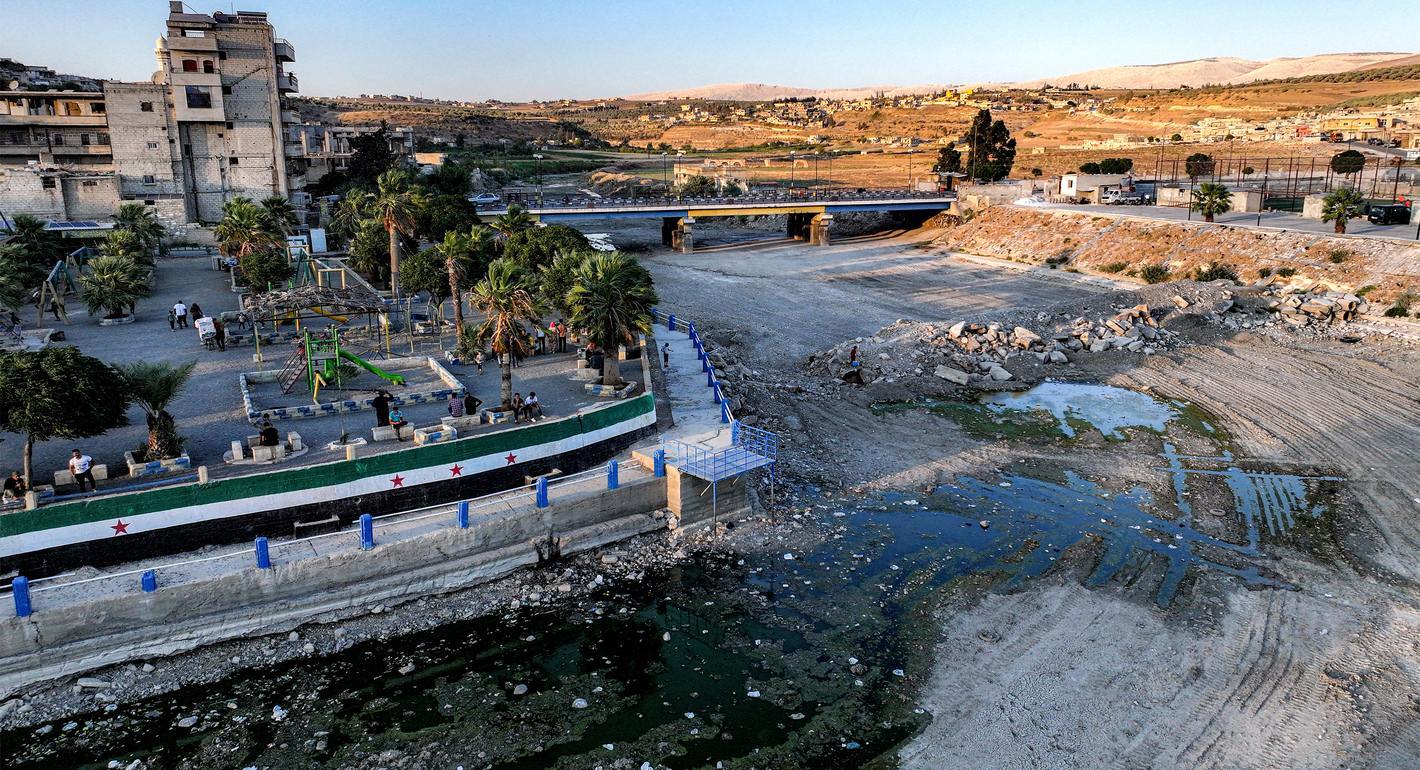
Syria’s worsening drought is no longer a seasonal crisis. This report explains what climate change is doing to rainfall, groundwater, and food security, and what solutions experts say are still possible.
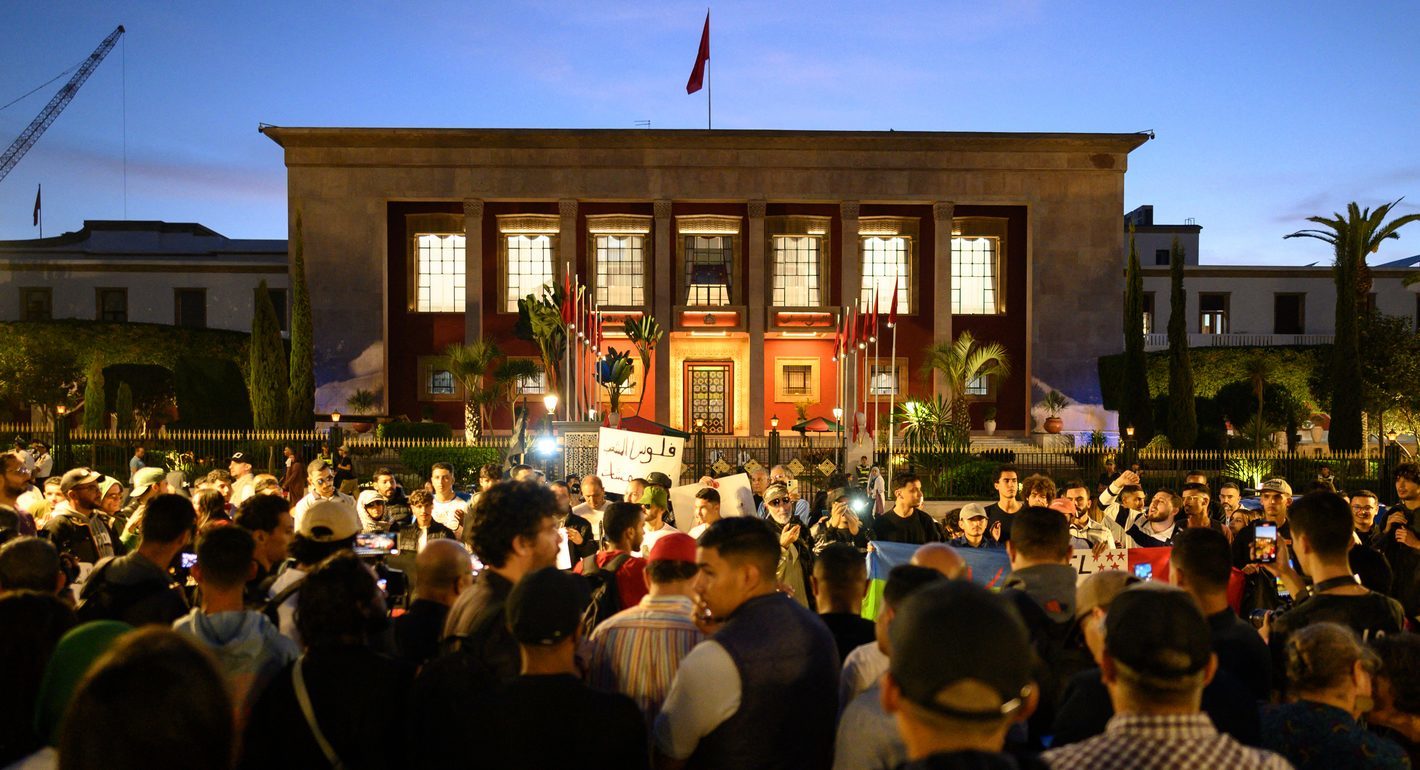
From anime heroes to online gaming communities, Morocco’s Gen Z is building a new protest culture. What does this digital imagination reveal about youth politics, and how should institutions respond?
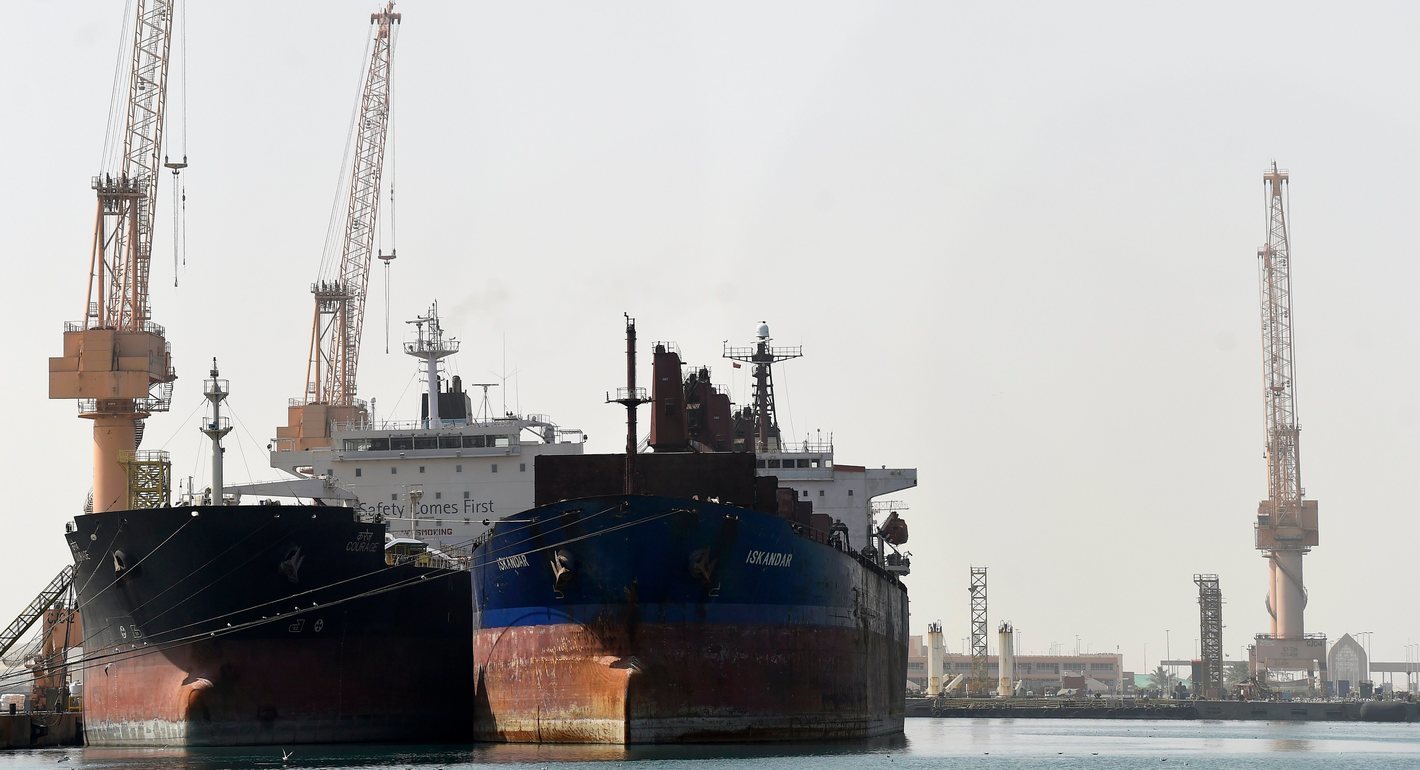
In a volatile Middle East, the Omani port of Duqm offers stability, neutrality, and opportunity. Could this hidden port become the ultimate safe harbor for global trade?
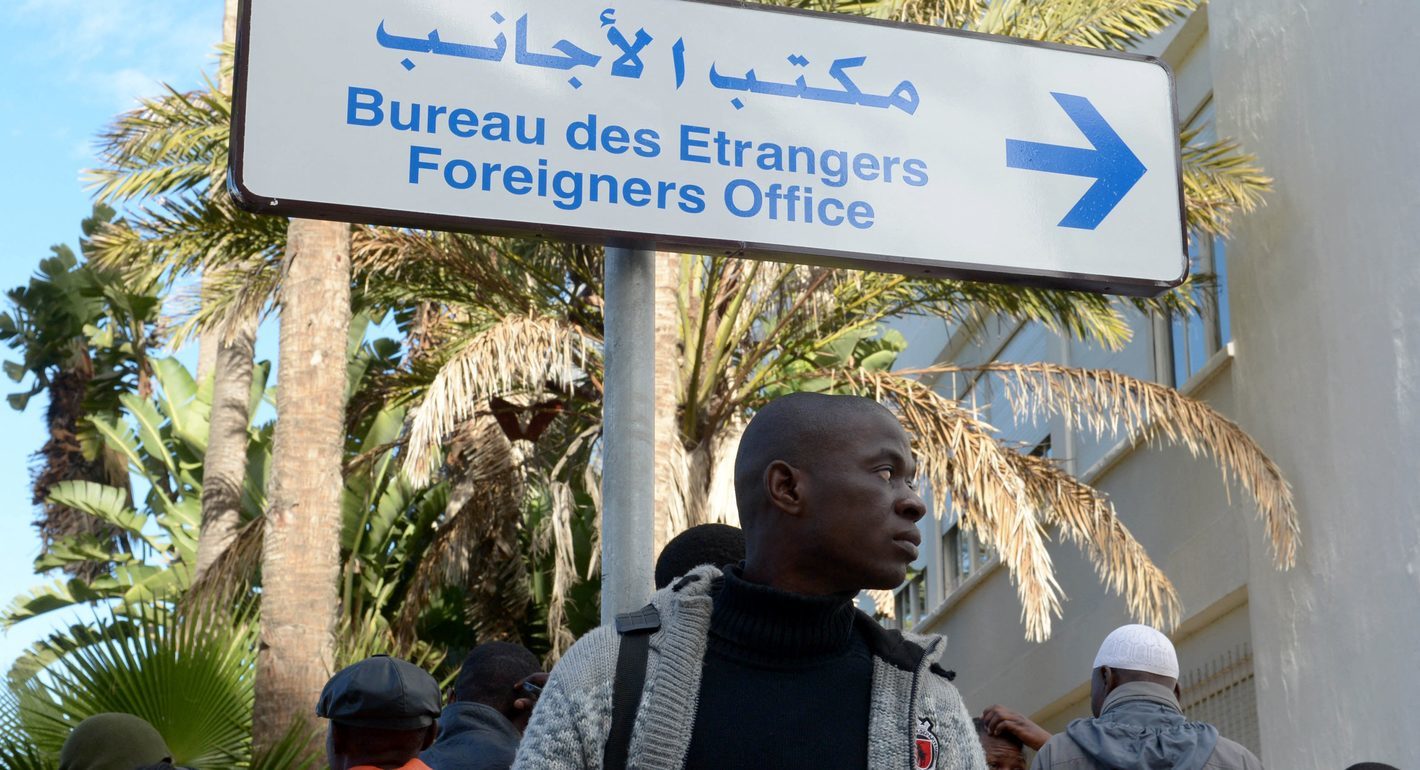
Is Morocco’s migration policy protecting Sub-Saharan African migrants or managing them for political and security ends? This article unpacks the gaps, the risks, and the paths toward real rights-based integration.