

Commentary
Syria's transition promised a fresh start. But are old habits of power making a comeback? This analysis looks at the warning signs and what it will take to build a more accountable state.
Sima Beitinjaneh
{
  "authors": [
    "Soukina Nait El-Rayes"
  ],
  "type": "commentary",
  "blog": "Sada",
  "centerAffiliationAll": "dc",
  "centers": [
    "Carnegie Endowment for International Peace"
  ],
  "englishNewsletterAll": "menaTransitions",
  "nonEnglishNewsletterAll": "",
  "primaryCenter": "Carnegie Endowment for International Peace",
  "programAffiliation": "MEP",
  "programs": [
    "Middle East"
  ],
  "projects": [],
  "regions": [
    "North Africa",
    "Morocco",
    "Maghreb"
  ],
  "topics": [
    "Civil Society",
    "Domestic Politics",
    "Political Reform"
  ]
}
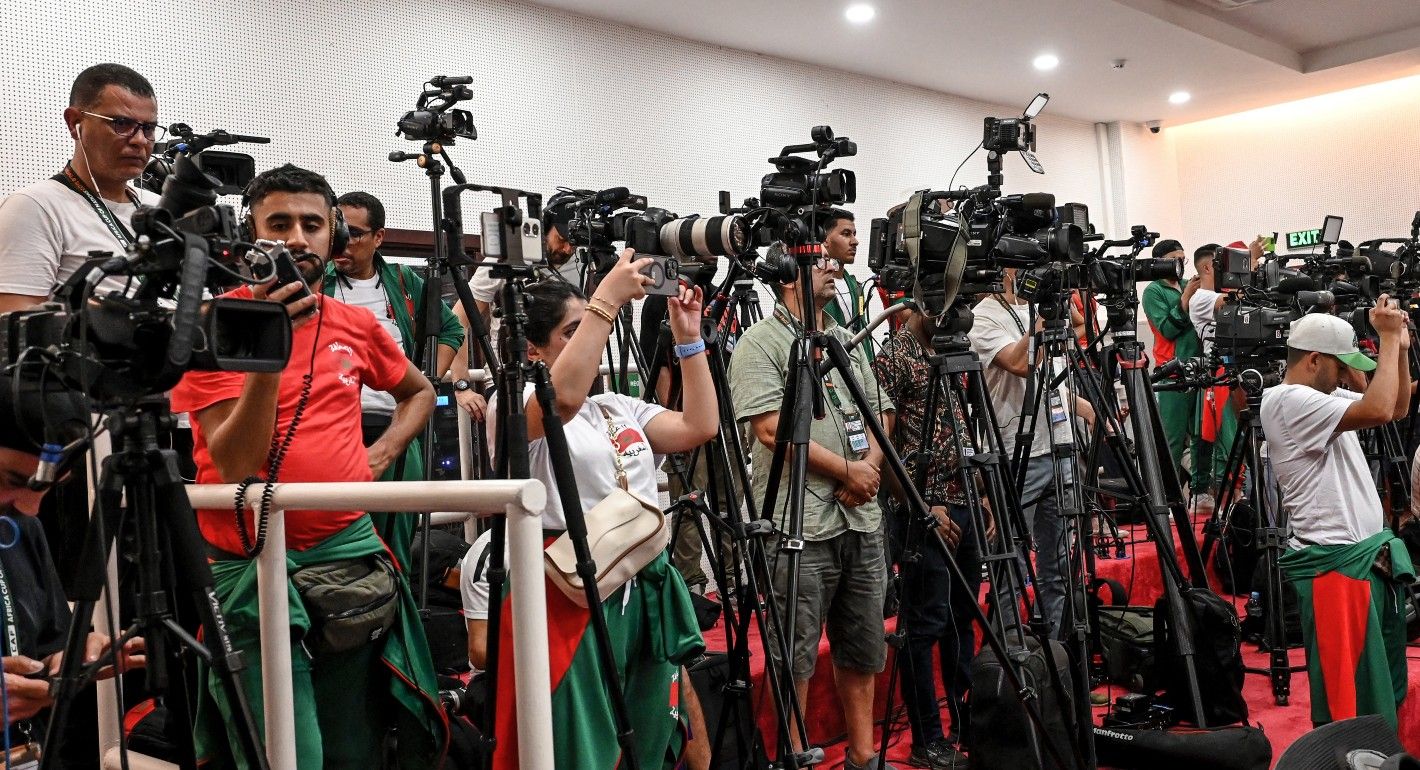
Source: Getty
Nearly seven years after the enactment of Morocco's Right to Information Law, significant challenges persist in full implementation of this powerful tool and ensuring universal access to information for all citizens.
The Right to Information Law (31.13) is the first law adopted in Morocco to enable citizens to obtain data and documents that are held by public administrations, elected institutions, and organizations tasked with public service missions, in accordance with article 27 of the 2011 constitution.
The law mandates that public and elected offices share information with citizens through a structured process governed by specific provisions and clauses. Article 3 of Law 31.13 affirms that “citizens have the right to obtain information.” However, the current implementation of the law hinders prompt access to information due to deadlines stipulated by law for processing requests. Chapter 4, particularly articles 14 to 21, details these deadlines, requiring administrations to respond to information requests within 20 working days, with a possible extension under article 16. Additionally, article 17 mandates that in urgent cases—in which access to information is necessary to protect life, safety, or freedom—the relevant department must respond within three days.
In addition to the challenges posed by response deadlines, the law also presents issues related to fees associated with accessing information. While the first paragraph of article 5 stipulates that ‘'access to information shall be free of charge, except for services performed in accordance with current regulatory texts,’ the second paragraph states that ‘the requester of information shall bear the costs incurred, when necessary, for copying or processing the requested information, as well as the cost of sending it to them.’ This ambiguity in the legal text obfuscates whether public administrations are obligated to cover these costs or if the burden falls entirely on the requester.
The inaction of the right to access information commission further complicates the implementation of the Right to Access Information Law by. According to article 22 of the law, the commission is entrusted “to prepare an annual report on the outcome of its activities in the field of the right to access information, which specifically includes an assessment of the implementation of this principle to be published through all available means.” However, since the appointment of its members by the prime minister on March 13, 2019, the commission has not issued a single report on its activities. This absence of reporting obstructs the evaluation of the commission’s performance and the extent to which it fulfills its mandated role.
Another challenge is the shortage of designated personnel responsible for handling information requests. The first paragraph of article 12 mandates the appointment of one or more individuals to receive and process information requests, provide the required information, and assist the requester in preparing their request, when necessary. However, insufficient staffing to fulfill these roles causes significant delays in the process.
These challenges, as identified in a study by the Moroccan center for studies and research on human rights and media, could undermine the principles of openness, transparency, and accountability. Such violations restrict access to information by causing delays in processing requests or rendering requested information unavailable. This not only creates a counterproductive environment for requesters but also harms other entities, including the state, as withholding information can lead to the circulation of rumors.
To avoid these issues, reasonable deadlines should be set for responding to information requests, particularly those of an urgent nature. It should be explicitly stipulated in the law that access to information is free of charge, including the costs for copying and processing requests. Additionally, public administrations and institutions should be adequately staffed with trained personnel to receive and respond to information requests, ensuring optimal performance.
Furthermore, the mandate of the right to access information commission should be reviewed to enhance and clearly define its powers. The commission should be required to issue an annual report, published in the official gazette and discussed in parliament, to inform citizens and contribute to improving public discourse on the matter.
In summary, effectively implementing Law 31.13 to establish “the right to access information” as a fundamental right would significantly enhance transparency in information dissemination and strengthen participatory democracy, thereby contributing to the desired social development.
Soukina Nait El-Rayes
Carnegie does not take institutional positions on public policy issues; the views represented herein are those of the author(s) and do not necessarily reflect the views of Carnegie, its staff, or its trustees.
Syria's transition promised a fresh start. But are old habits of power making a comeback? This analysis looks at the warning signs and what it will take to build a more accountable state.

Sima Beitinjaneh
From anime heroes to online gaming communities, Morocco’s Gen Z is building a new protest culture. What does this digital imagination reveal about youth politics, and how should institutions respond?
Abdelilah Farah
Is Morocco’s migration policy protecting Sub-Saharan African migrants or managing them for political and security ends? This article unpacks the gaps, the risks, and the paths toward real rights-based integration.
Soufiane Elgoumri
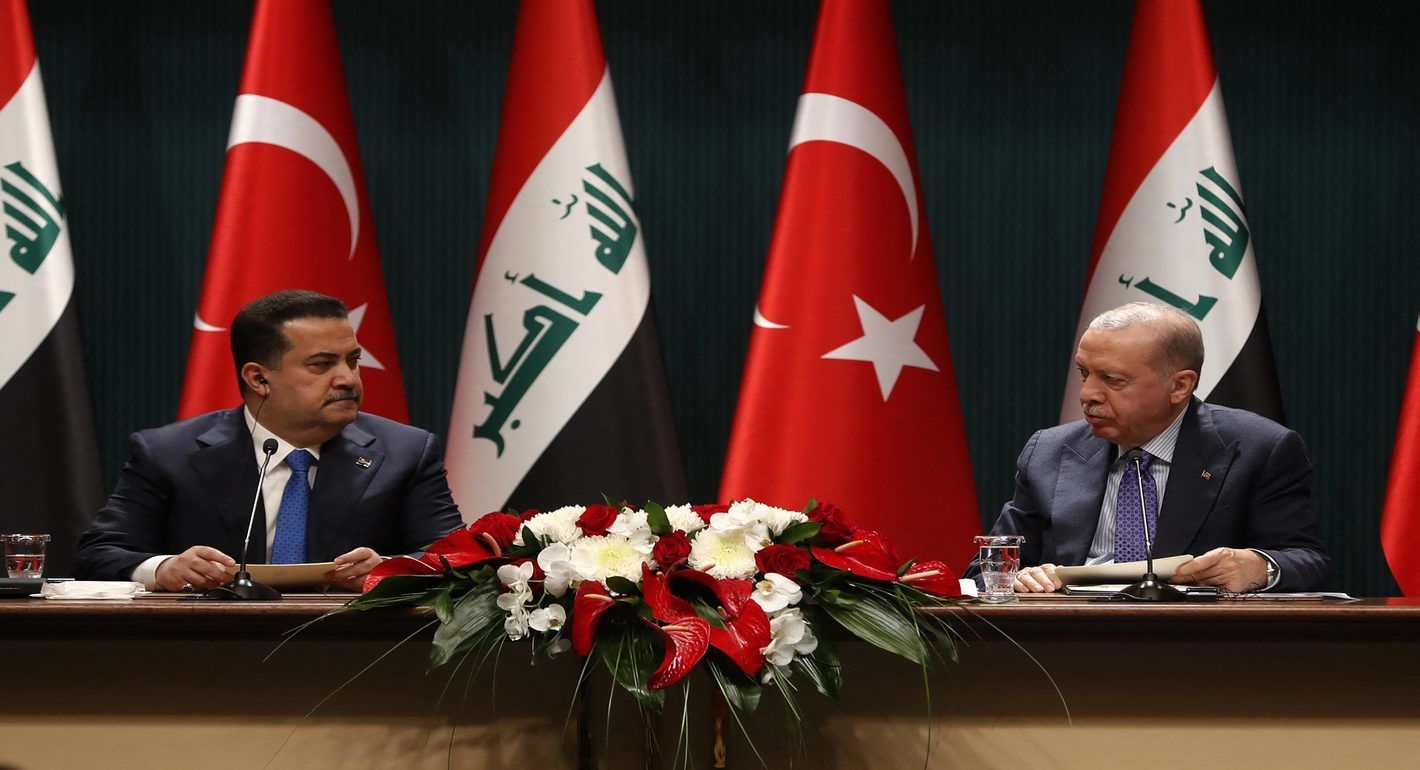
Iraq’s foreign policy is being shaped by its own internal battles—fractured elites, competing militias, and a state struggling to speak with one voice. The article asks: How do these divisions affect Iraq’s ability to balance between the U.S. and Iran? Can Baghdad use its “good neighbor” approach to reduce regional tensions? And what will it take for Iraq to turn regional investments into real stability at home? It explores potential solutions, including strengthening state institutions, curbing rogue militias, improving governance, and using regional partnerships to address core economic and security weaknesses so Iraq can finally build a unified and sustainable foreign policy.
Mike Fleet
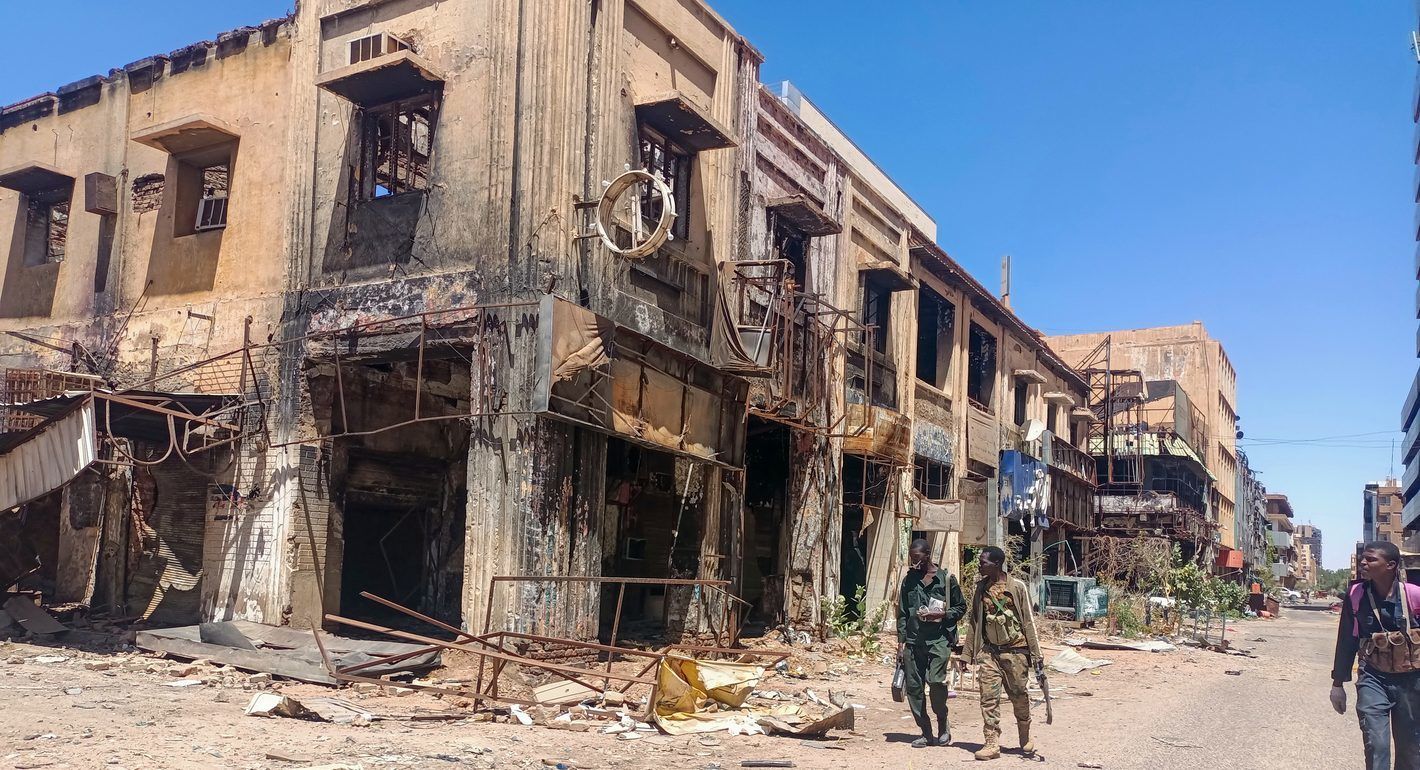
Hate speech has spread across Sudan and become a key factor in worsening the war between the army and the Rapid Support Forces. The article provides expert analysis and historical background to show how hateful rhetoric has fueled violence, justified atrocities, and weakened national unity, while also suggesting ways to counter it through justice, education, and promoting a culture of peace.
Samar Sulaiman