

Commentary
From anime heroes to online gaming communities, Morocco’s Gen Z is building a new protest culture. What does this digital imagination reveal about youth politics, and how should institutions respond?
Abdelilah Farah
{
  "authors": [
    "Russell E. Lucas"
  ],
  "type": "commentary",
  "blog": "Sada",
  "centerAffiliationAll": "",
  "centers": [
    "Carnegie Endowment for International Peace"
  ],
  "collections": [],
  "englishNewsletterAll": "",
  "nonEnglishNewsletterAll": "",
  "primaryCenter": "Carnegie Endowment for International Peace",
  "programAffiliation": "",
  "programs": [],
  "projects": [],
  "regions": [
    "Middle East"
  ],
  "topics": []
}

REQUIRED IMAGE
Cases of relative stability today in the Arab world do not solely stem from whether the system in question is a monarchy or a republic, but also from the degree of social and political pluralism in society and how it is channeled.
As the waves of protests flooding the Arab world sweep away presidents in Tunisia and Egypt, a number of analysts are proposing that the Arab world’s monarchies may be standing on a bit higher ground that will enable them to survive better than Arab republics. This is a dramatic turn from Samuel Huntington’s oft-invoked notion of the “king’s dilemma.”
Huntington argued in his 1968 book, Political Order in Changing Societies, that in traditional societies undergoing modernization the political centralization of a monarchy proves useful for development but also inhibits the incorporation of the new groups produced by modernization. His thesis captures well today’s unrest in the Arab world: a generation of cell-phone-wielding, Facebook-updating youths demanding jobs and political accountability from aging autocrats.
Traditional rulers, according to Huntington, face three choices: they can give up ruling and reign as constitutional monarchs; they can try to abandon modernization and become resolute in their absolutism; or they can try to institutionalize popular participation within a system of monarchical sovereignty. In pursuing the latter two paths, monarchies face continued difficulties in containing popular mobilization, thus only postponing inevitable reforms or revolts.
Before this year’s events, it seemed that the traditional Arab monarchies were more nimble at democratization than the frozen political systems of the republics and that it was increasingly presidents rather than monarchs who faced the “king’s dilemma” of how to democratize without losing control altogether. Yet, every state in the Arab world—monarchy or republic—has faced protests in early 2011.
Arab monarchies have not been better at democratization than have republics—no king, emir, or sultan has stood for election—but some have been better at liberalization. Monarchies vary significantly in political openness, from Saudi Arabia’s nearly closed political scene to Morocco’s active party life and Kuwait’s regular parliamentary grilling of ministers. But with the exception of Saudi Arabia, as a group the monarchies have tended to allow more rights, freedoms, civil society activism, and in some cases freer elections than the republics.
This is the case because elections in monarchies are only for legislatures. Executive authority is vested in the monarch, and he—not the parliament—appoints the prime minister. With the ability to remain above the day-to-day political fray, monarchs can replace unpopular cabinets at will to bolster their own legitimacy.
How Arab monarchies have been able to balance the tricky third path of the “king’s dilemma” and incorporate limited popular participation requires a look beyond the monarchy itself. While oil wealth can explain the success of some monarchies in buying off opposition—witness Kuwait and Saudi Arabia’s recently announced subsidy and employment packages—it is not a sufficient explanation, and some relatively stable monarchies (Jordan, for example, and Morocco) do not have such wealth.
Rather, the monarchies’ solution to the “king’s dilemma” is often social as well as material. While in the 1960’s Arab republics sought to create new Arab men and women based on overarching nationalist projects, the monarchies promoted a multiplicity of social forms, both new and traditional. Today most republics face greater calls for change because the regime created a zero-sum situation: either the continuance of the regime or revolt. Material grievances quickly turned into political ones because there were no alternatives for satisfying them.
With greater pluralism in the monarchies, the cost of dividing the opposition is reduced. Material grievances can be met with selective patronage, often group-based. Prime ministers can be sacrificially sacked when those tactics fail. Greater pluralism also produces competition between social groups (between tribes and regions, Transjordanians and Palestinians, city dwellers and Bedouin, coastal and interior inhabitants, etc.) rather than vertical confrontation between society and the regime. Greater participation by civil and traditional social actors often causes political demands to cancel each out rather than to compound.
With these factors in mind, the severity of monarchical Bahrain’s protests seems less out of character. As Bahraini society’s sectarian divide has become a bipolar political system, protesters’ demands have escalated from calls for the resignation of the long-ruling prime minister to constitutional reform to the abolition of the monarchy. Meanwhile, protests in republican but pluralistic Lebanon and Iraq have occurred but not threatened the political order. The republic of Yemen would appear to be another exception, as no one would dispute the pluralistic character of Yemen’s society. The country’s political system, however, has allowed all groups to coalesce around a position against the General People’s Congress and tenure of President Ali Abdullah Saleh.
As calls ring out for constitutional monarchies from Morocco to Oman and for the resignation of presidents from Algeria to Yemen, kings and presidents alike face the same dilemma: how to stay in power through piecemeal reforms without letting demands escalate to revolution (as in Egypt) or civil war (as in Libya). Cases of relative stability today in the Arab world stem not only from whether the system in question is a monarchy or a republic, but also from the degree of pluralism in society that can be channeled into currents of reform, rather than swell into protests that burst the dam and usher in regime change.
Russell E. Lucas is an associate professor of politics and international relations at Florida International University, and the author of Institutions and the Politics of Survival in Jordan: Domestic Responses to External Challenges, 1988-2001(Albany: State University of New York Press, 2005).
Russell E. Lucas
Carnegie does not take institutional positions on public policy issues; the views represented herein are those of the author(s) and do not necessarily reflect the views of Carnegie, its staff, or its trustees.
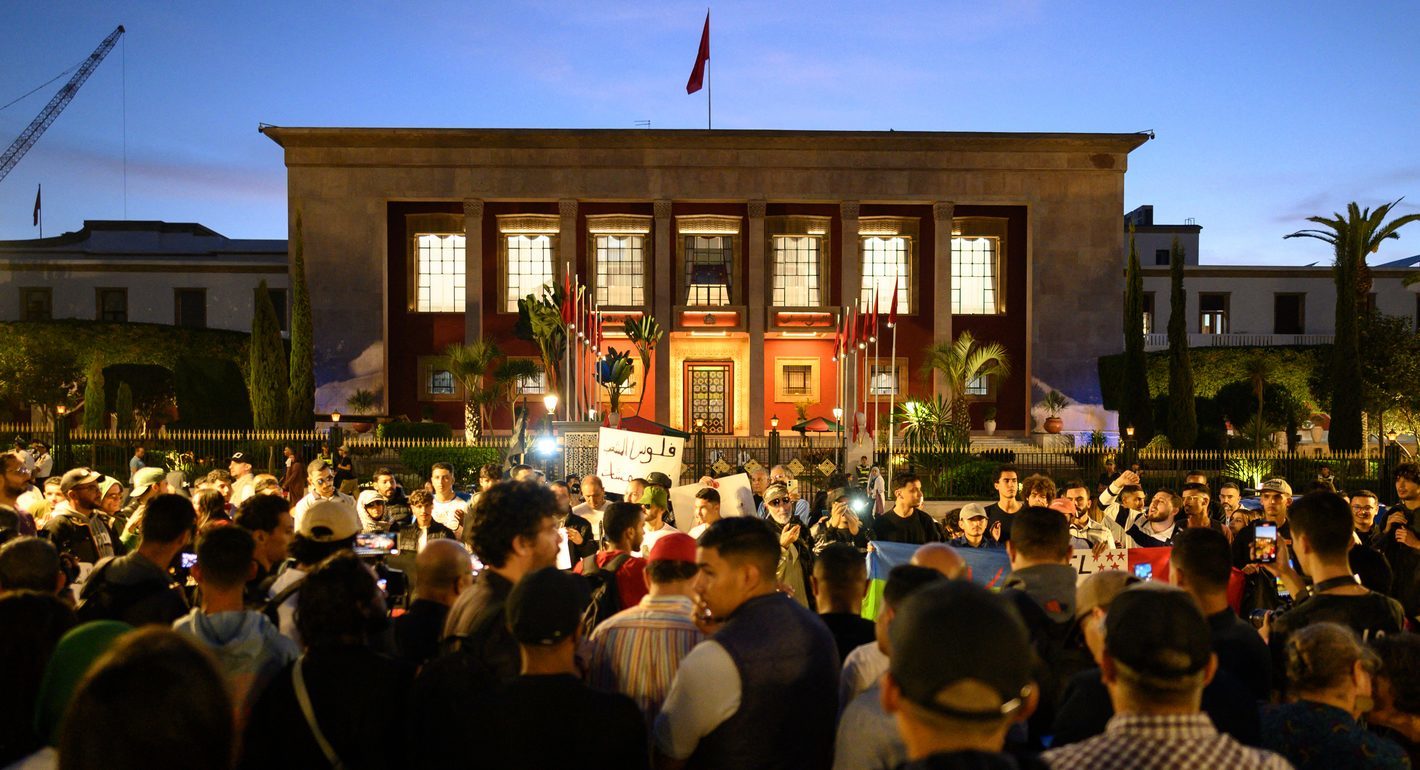
From anime heroes to online gaming communities, Morocco’s Gen Z is building a new protest culture. What does this digital imagination reveal about youth politics, and how should institutions respond?
Abdelilah Farah
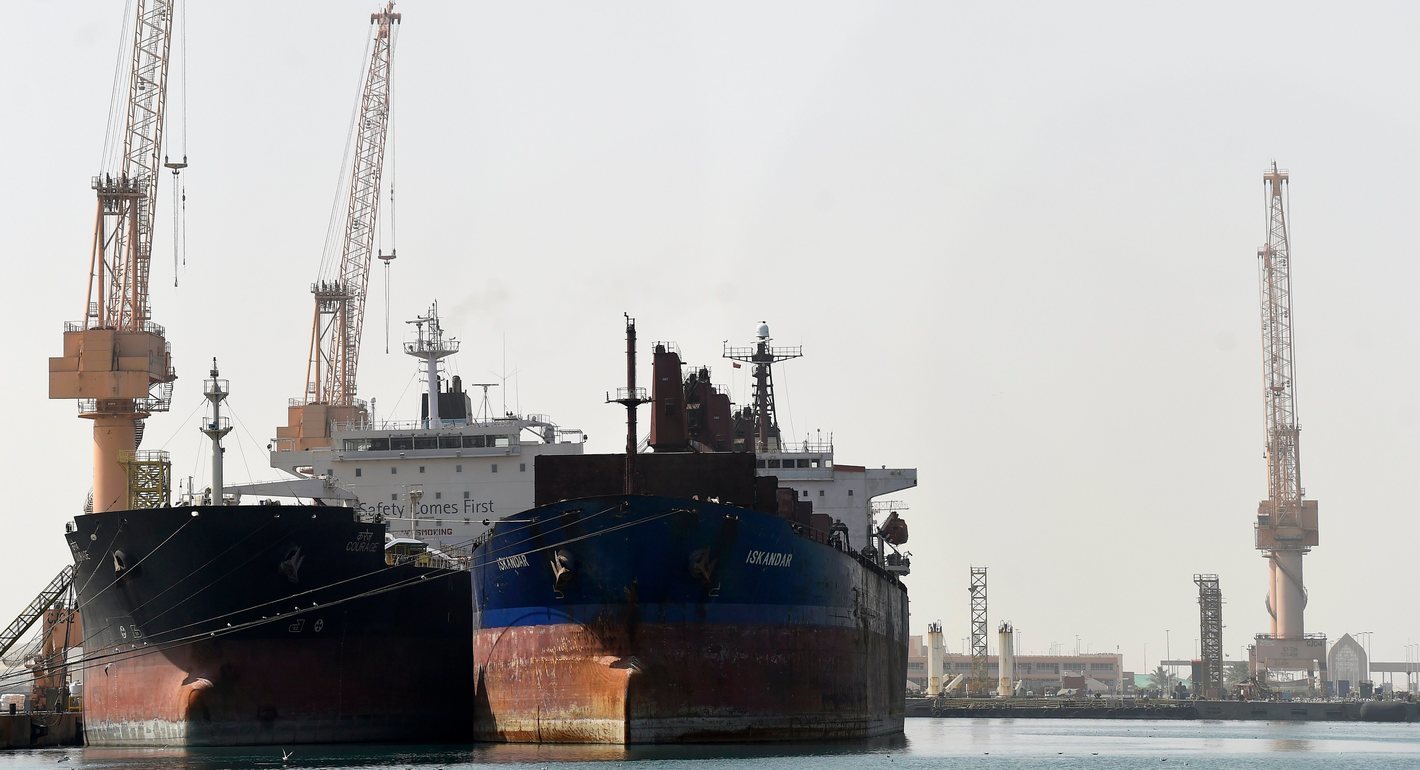
In a volatile Middle East, the Omani port of Duqm offers stability, neutrality, and opportunity. Could this hidden port become the ultimate safe harbor for global trade?
Giorgio Cafiero, Samuel Ramani
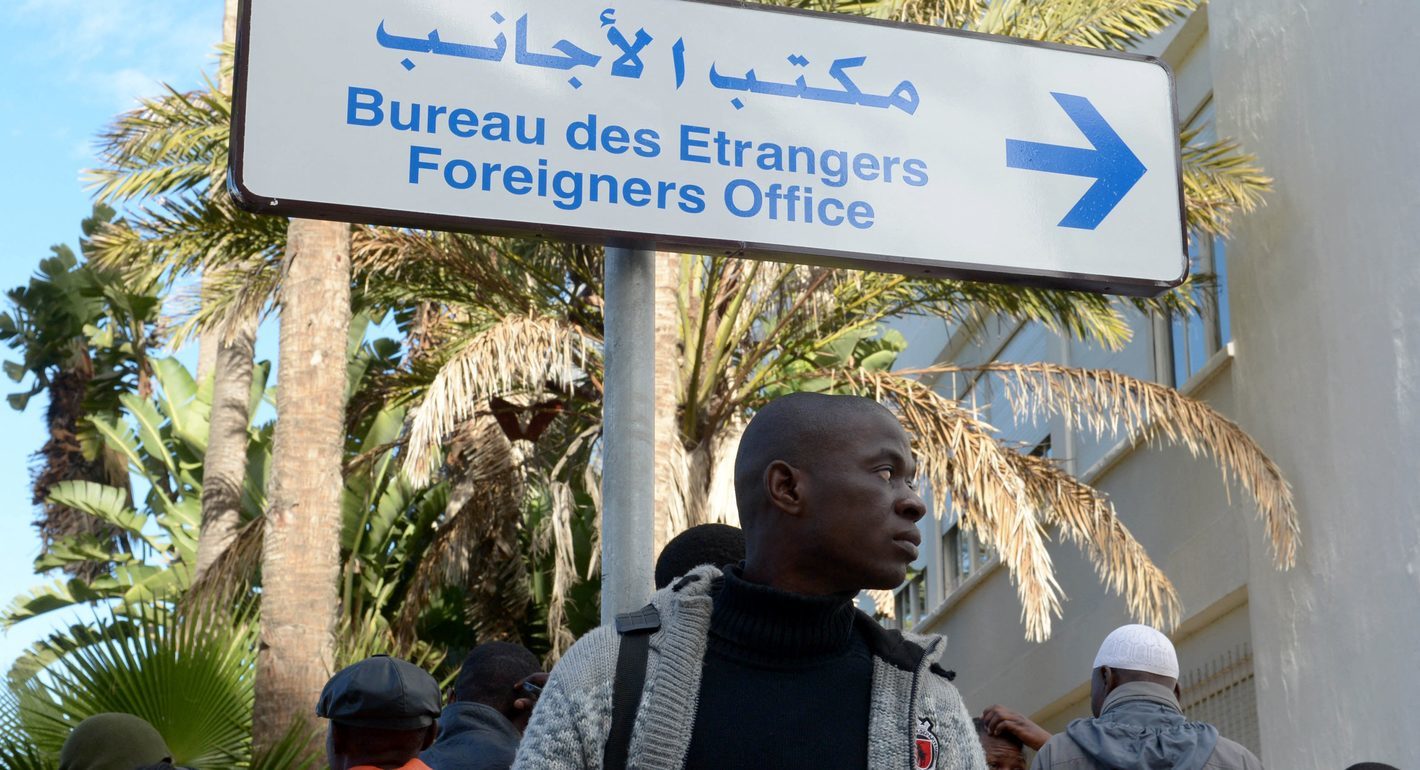
Is Morocco’s migration policy protecting Sub-Saharan African migrants or managing them for political and security ends? This article unpacks the gaps, the risks, and the paths toward real rights-based integration.
Soufiane Elgoumri
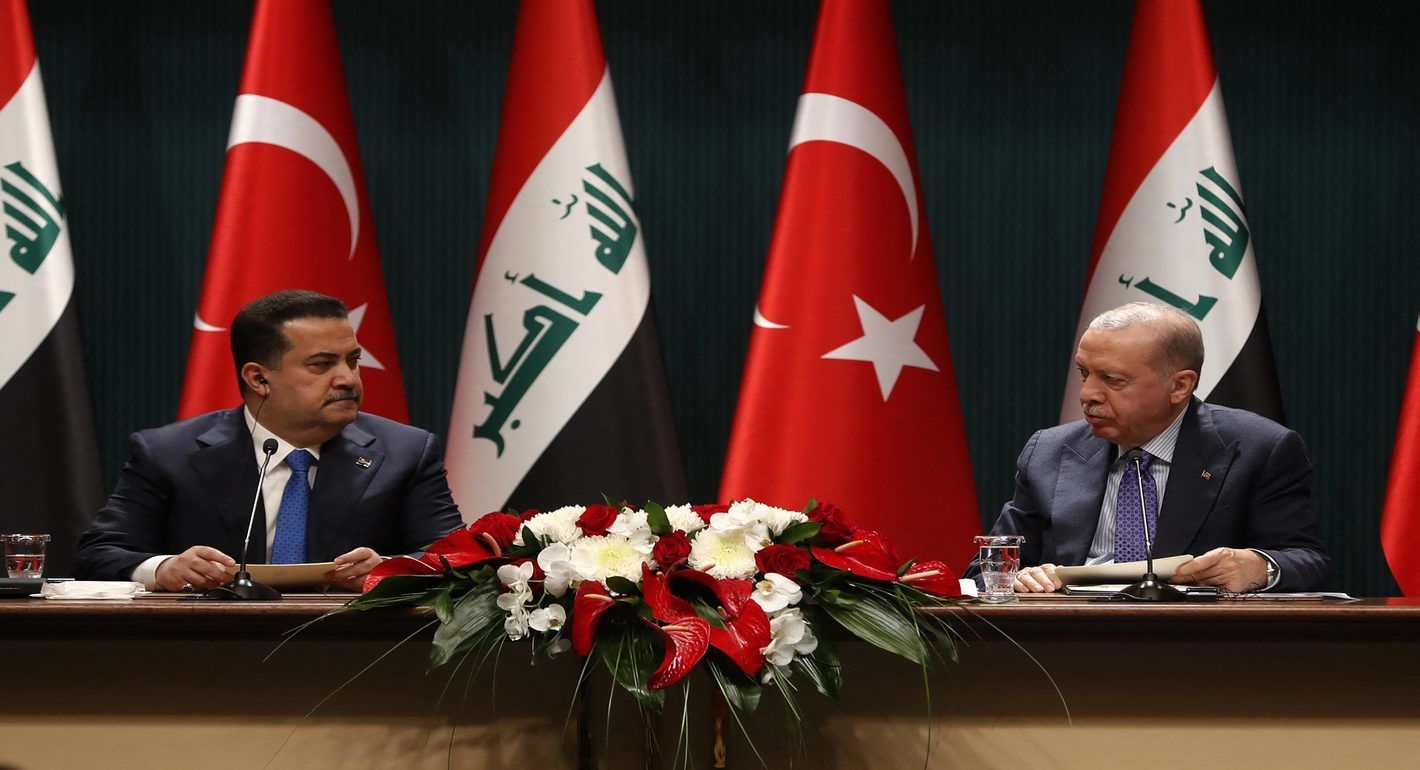
Iraq’s foreign policy is being shaped by its own internal battles—fractured elites, competing militias, and a state struggling to speak with one voice. The article asks: How do these divisions affect Iraq’s ability to balance between the U.S. and Iran? Can Baghdad use its “good neighbor” approach to reduce regional tensions? And what will it take for Iraq to turn regional investments into real stability at home? It explores potential solutions, including strengthening state institutions, curbing rogue militias, improving governance, and using regional partnerships to address core economic and security weaknesses so Iraq can finally build a unified and sustainable foreign policy.
Mike Fleet
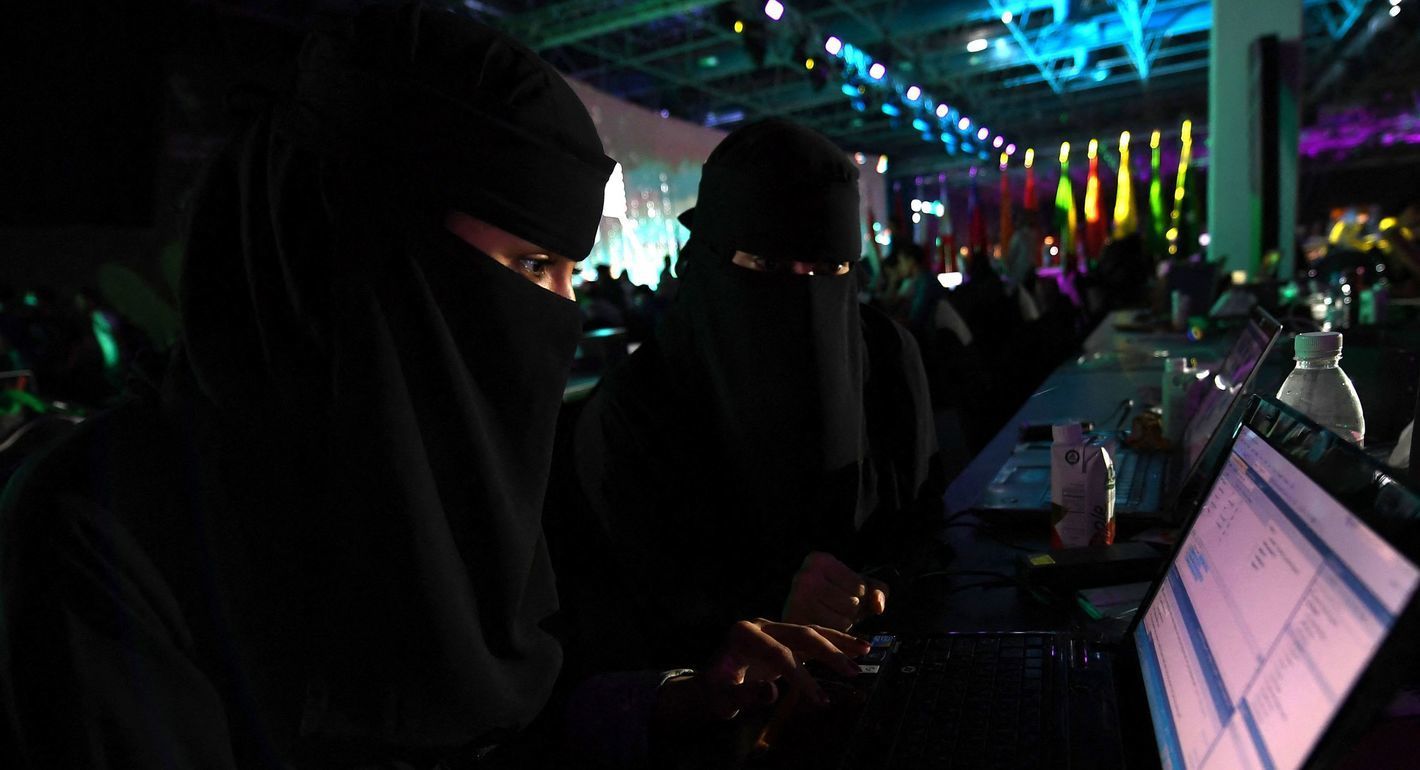
How can Saudi Arabia turn its booming e-commerce sector into a real engine of economic empowerment for women amid persistent gaps in capital access, digital training, and workplace inclusion? This piece explores the policy fixes, from data-center integration to gender-responsive regulation, that could unlock women’s full potential in the kingdom’s digital economy.
Hannan Hussain